


Cooking once and eating twice means making extra portions on purpose, then turning them into a second meal before the week gets away from you. It works best when leftovers are planned, labeled, visible, and easy for the whole family to understand.
Is 5:30 PM turning into a daily scramble of hungry kids, unfinished homework, and someone asking what’s for dinner while you stare into the fridge? With one larger cooking session and a simple leftover plan, roast chicken, chili, a rice bowl base, or taco filling can become two calmer weeknight meals instead of one exhausting night. Here is a practical system for cooking ahead without making your family feel trapped eating the same dinner over and over.
What “Cook Once, Eat Twice” Really Means
Cook once, eat twice is a small-batch approach to batch cooking. Instead of spending an entire Sunday filling the freezer, you intentionally double one useful meal or ingredient and give the second portion a job. That second job might be lunch tomorrow, a freezer dinner next week, or a new meal built from the same cooked protein, grain, sauce, or vegetables.

This fits the flexible definition of meal prep: planning meals ahead, shopping intentionally, and preparing ingredients or full meals before the busy moment arrives. Public health nutrition guidance describes meal prep as a way to save time, reduce stress, support balanced eating, and make last-minute food decisions less chaotic. The key word is flexible. A working family system does not need seven matching containers or a perfect calendar; it needs one dependable next meal.
In real kitchens, the strongest habit is preparation before cooking. Culinary training often calls this mise en place, or having the ingredients and tools ready before the heat turns on. At home, that means pulling out containers before dinner starts, setting aside the “meal two” portion before everyone serves themselves, and writing the date on the lid while the food is still part of the dinner routine.
Why This Strategy Helps Busy Families
The biggest benefit is not just saving minutes. It reduces the number of decisions a household has to make when everyone is tired. A pot of chili on Monday can become chili-topped baked potatoes on Tuesday. A tray of roasted vegetables can become grain bowls, quesadillas, or a side for eggs. A double batch of rice can support stir-fry one night and burrito bowls the next.
Meal planning also protects the family budget. When meals are planned before shopping, pantry staples such as rice, pasta, beans, lentils, oils, spices, and sauces can be bought with purpose instead of panic. Meal-prep guidance also emphasizes using calendars, preferred family foods, and organized shopping to make healthier eating easier during packed weekdays.
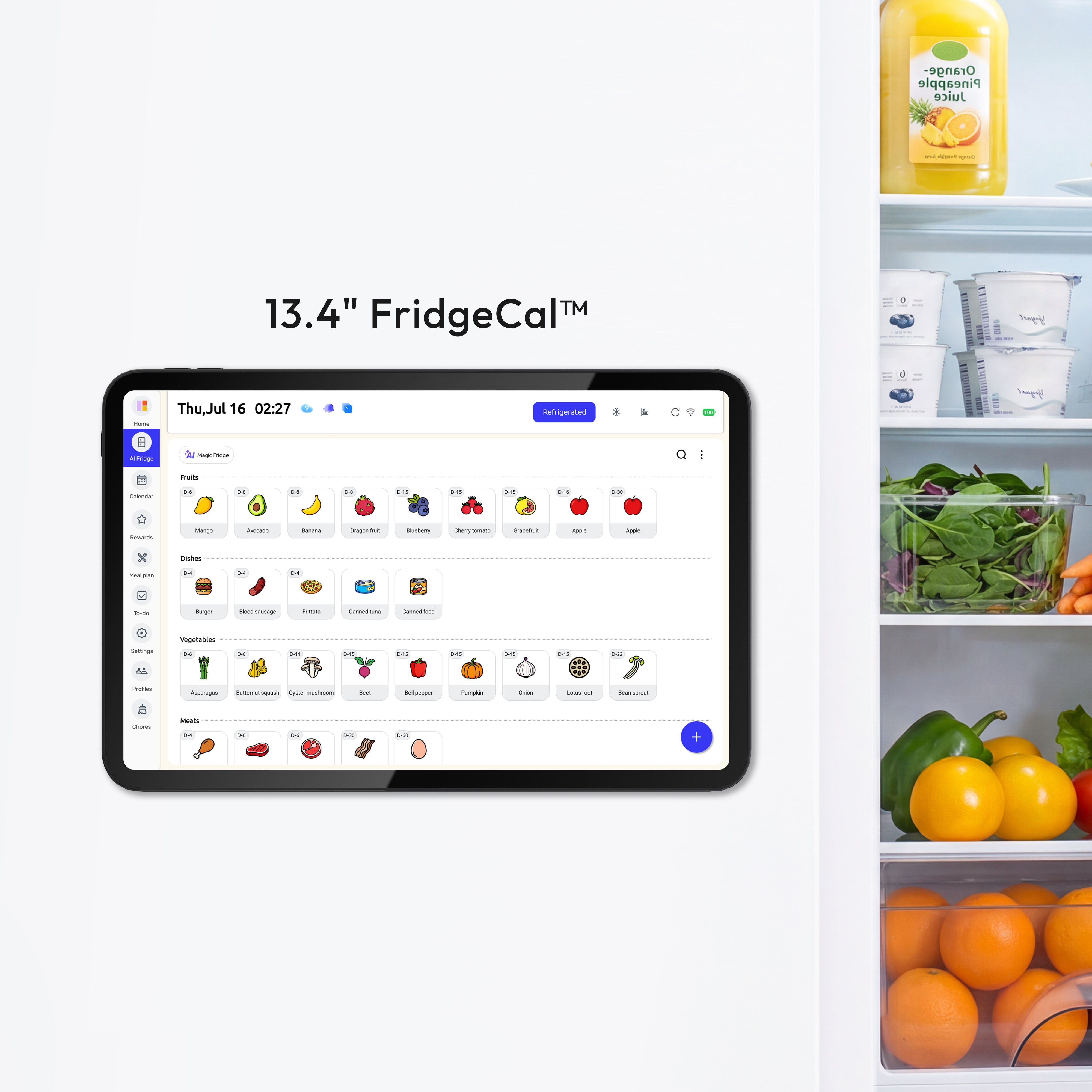
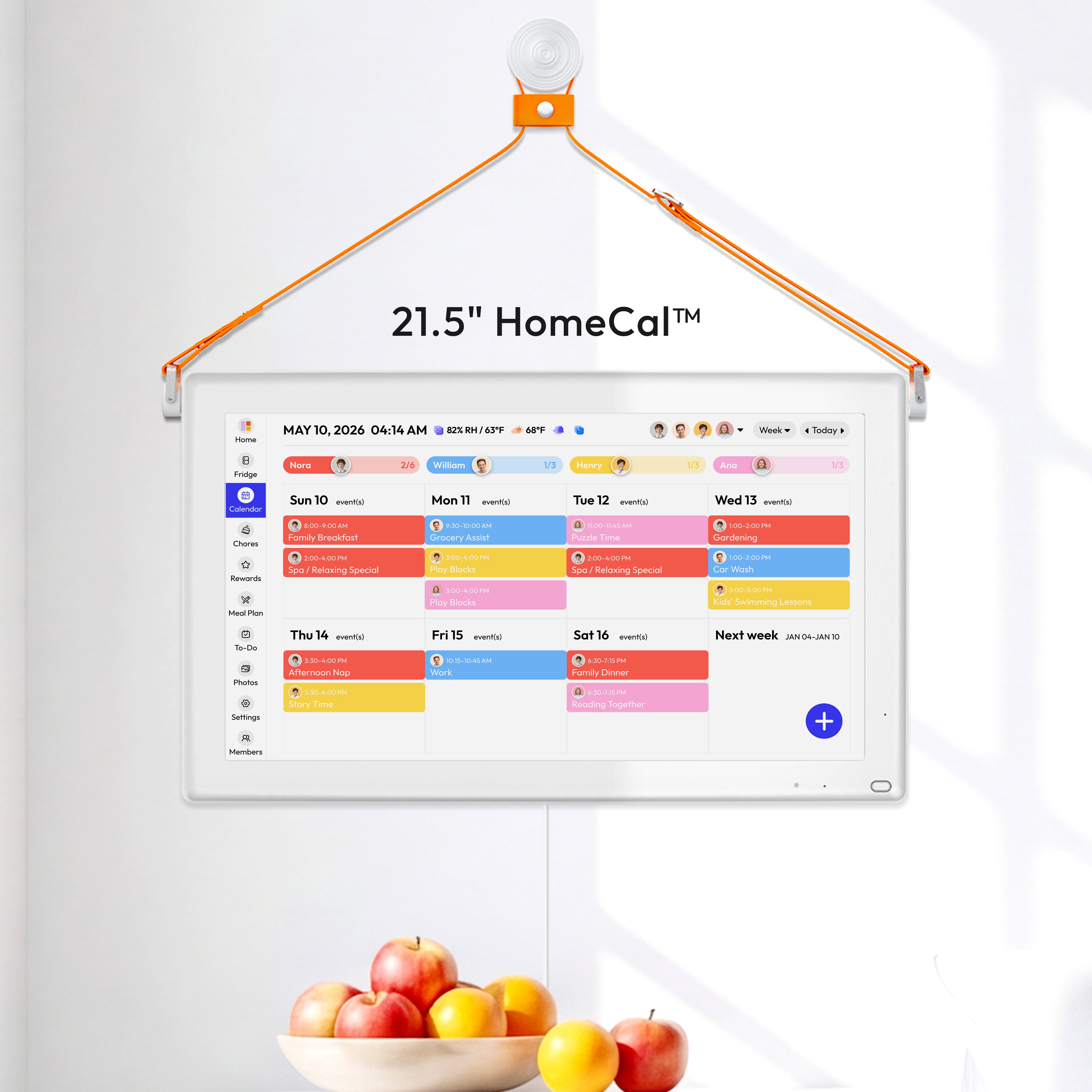
There are emotional benefits too. A visible plan on a fridge calendar or smart display lowers the number of repeated questions. Kids can see that tonight is pasta with meatballs and tomorrow is meatball subs. The second meal becomes expected, not disappointing.
The Simple Formula: Main Meal Plus Planned Reinvention
A good cook-once, eat-twice meal has three traits: it holds well, it can change form, and your family already likes it. That last point matters. Batch cooking rarely works when the freezer is full of “aspirational” meals nobody wants on a Thursday night.
Start with one anchor food. Protein is often the easiest anchor because it shapes the meal quickly. One dietitian-led meal-prep resource recommends batch cooking proteins first because they help build future meals and support fullness; cooking in batches can mean doubling dinner, making freezer meals, or preparing ingredients for later breakfasts, lunches, and dinners.
A practical example is shredded chicken. On night one, serve it as tacos with slaw, rice, and avocado. Before dinner hits the table, set aside two cups in a labeled container. On night two, stir that chicken into soup, fold it into quesadillas, or combine it with honey mustard dressing for wraps. The cooking happened once, but the family sees two different meals.

Best Foods for Cook Once, Eat Twice
First Cook |
Second Meal |
Why It Works |
Taco meat |
Taco bowls or quesadillas |
Same flavor base, different format |
Roast chicken |
Soup, wraps, or fried rice |
Easy to shred and portion |
Chili |
Baked potato topping or freezer lunch |
Freezes well and reheats evenly |
Rice or quinoa |
Bowls, stir-fries, or breakfast eggs |
Neutral base for many flavors |
Roasted vegetables |
Pasta, omelets, or grain bowls |
Adds color and nutrition fast |
Meatballs |
Pasta night, subs, or soup |
Kid-friendly and easy to freeze |
How to Plan It on a Family Fridge Calendar
A fridge calendar, whether paper, magnetic, or built into a smart fridge, works best when it shows both the first meal and the planned second use. Instead of writing “chicken” on Monday and hoping inspiration appears later, write “roast chicken” on Monday and “chicken noodle soup” on Wednesday.
A weekly menu does not need to be complicated. One family-focused cooking resource suggests that busy households can make weekly planning manageable in about 20 minutes by repeating dependable favorites and keeping the plan visible; time-saving kitchen tips include batch-cooking staples such as rice, shredded chicken, meatballs, sauces, muffins, and energy bites.
For a smart digital fridge calendar, create three simple labels: cook, reuse, and freeze. “Cook” marks the larger dinner. “Reuse” marks the night the leftovers become a new meal. “Freeze” is the backup if the schedule changes. This gives the food a destination before it becomes a mystery container.
Smart fridge tools can help here, but they should support the habit rather than complicate it. Inventory tracking, expiration reminders, shared grocery lists, and recipe suggestions can make meal prep more visible for the whole household. A smart fridge can connect stored ingredients with weekly planning, and weekly meal prep features are most useful when they remind you to use what is already in the fridge.
Food Safety: The Calm Rules That Matter
Cook once, eat twice only works when the second meal is safe and still appealing. The most family-friendly rule is to cool food promptly, store it in shallow containers, label it, and decide whether it belongs in the fridge or freezer.
Food storage guidance recommends keeping the refrigerator at 40°F or lower and the freezer at 0°F or lower. Cooked whole meats, fish, poultry, soups, and stews generally keep 3 to 4 days in the fridge, while hard-boiled eggs and chopped vegetables can last about a week. Meal prep storage also works better when older foods are rotated forward and highly perishable items stay visible.
A simple household rhythm is this: refrigerate leftovers the same evening, plan to reuse them within the next couple of days, and freeze portions you know will not be eaten soon. The freezer should be a helpful backup, not a quiet place where good intentions disappear. Label each container with the food name and date, and add it to the fridge calendar or smart inventory list.
Pros and Cons
The advantages are clear. You save weekday cooking time, reduce grocery waste, create fewer last-minute takeout decisions, and give children more predictable meals. You can also make healthier choices easier because the cooked food is already waiting.
The downsides are manageable but real. Some families get tired of leftovers. Some foods do not freeze well. High-moisture foods such as salad greens, tomatoes, and watermelon can become mushy after thawing, so they are better kept fresh and added later. Freezer burn can also change flavor and texture when food is packed with too much air around it.
The fix is to batch cook building blocks more often than finished plates. One recipe-focused meal-prep resource separates full recipes from flexible components, and healthy meal prep ideas often rely on grains, plant-based proteins, roasted vegetables, and sauces that can become bowls, tacos, salads, pasta, or sandwiches. Variety comes from changing the format, sauce, or side, not from cooking from scratch every night.
A Realistic Weeknight Example
Imagine Sunday dinner is a tray of chicken thighs, roasted sweet potatoes, and green beans. While the oven is already hot, you cook extra chicken and an extra pan of vegetables. Before anyone sits down, you set aside half the chicken and one-third of the vegetables in labeled containers.
Monday is leftovers turned into rice bowls with a quick sauce. Tuesday uses the remaining chicken in quesadillas with shredded cheese and salsa. If soccer practice runs late, the calendar already says “chicken quesadillas,” and the ingredients are in one visible fridge zone. No one has to solve dinner from scratch.

This is where connection enters the system. A child can sprinkle cheese, a partner can warm tortillas, and someone else can set out fruit or salad. Dinner becomes a shared reset instead of one person absorbing all the pressure.
How to Start Without Overdoing It
Begin with one doubled meal this week. Choose something your family already eats, such as pasta sauce, taco meat, soup, meatballs, rice, roasted vegetables, or chicken. Do not start with six new recipes, new containers, and a full freezer plan. That turns a stress-reducing habit into another project.
A focused prep session can cover much of the week by leaning on versatile components, shortcut ingredients, and repetition when needed; a no-cook meal prep plan can feed two to three people with about two hours of prep and reduce weekday cooking substantially. For a family, the same idea can be scaled gently: one protein, one grain, one vegetable, and one sauce can carry multiple meals.
A strong first week might be spaghetti with double meat sauce on Monday, meatball subs on Wednesday, and one frozen pint of sauce for next week. That is not a dramatic kitchen overhaul. It is one thoughtful repeat that buys back a calmer evening.
Using Your Smart Fridge Without Letting It Run the House
A smart fridge calendar can become the family command center when it stays simple. Add the meal plan, mark leftovers with use-by dates, and keep a shared grocery list that everyone can update. If your fridge or connected app supports recipe suggestions, use it after checking what is already inside.
The most helpful features are not flashy. Inventory lists, expiration reminders, and shared shopping lists reduce the invisible mental load of remembering every container, ingredient, and child preference. When the system shows “use roasted vegetables by Thursday,” it gently turns food into a plan.
A calm household system is one everyone can read. Use plain meal names, short labels, and realistic nights. If Thursday is always chaotic, make it a planned leftover night instead of pretending it will become a cooking night.
The Family-Friendly Bottom Line
Cook once, eat twice is not about perfect meal prep. It is about giving tomorrow’s dinner a small head start today. When the second meal is planned, labeled, and visible, the fridge becomes less of a stress point and more of a family support system.


