






The first week of summer often looks harmless on paper. No lunches to pack. No homework folder to sign. No frantic school-night baths. Then reality arrives. One child is bored by 9:15, another is glued to a screen, someone can't find swim gear, and you're already answering work messages while mentally sorting out rides, snacks, and whether today is the library day you promised.
That's why a good schedule for summer can't just be a cute printable. It has to be a system that survives real life.
Most families don't need more ideas. They need a plan that accounts for camp pickups, grocery runs, sibling conflict, chores, screen time, tired kids, and adults who still have jobs and responsibilities. A schedule that works in June but collapses by mid-July isn't a good schedule. A useful one bends, absorbs disruption, and still gives the family a sense of rhythm.
Framing Your Family's Summer Goals
A lot of summer stress starts with a quiet mistake. Parents open a calendar before deciding what kind of summer they want.
That's how you end up with a packed month that looks productive but feels miserable. Everyone is moving, nobody is grounded, and the house runs on constant reaction. Summer is a large block of time to manage in the first place. In the United States, the modern school calendar settled into an approximately 180-day framework, and the familiar break from late June to late August became a standardized 2-month recess between 1880 and 1920 as states formalized school-year calendars, according to History Facts on why summer vacation became standard.
Start with three to five outcomes
Before you schedule a single activity, write down three to five things that would make this summer feel successful for your family.
Not impressive. Not Instagrammable. Successful.
For one family, that might mean:
- Calmer mornings with less yelling
- Consistent reading time after breakfast
- One new life skill per child, such as laundry or simple meal prep
- More outdoor hours without making every day an outing
- Regular family dinners even with shifting work schedules
For another family, the priorities could be totally different. Maybe a teen needs a summer job routine. Maybe your preschooler needs predictable nap and play rhythms. Maybe you're in a blended household and handoff consistency matters more than enrichment.
A simple worksheet helps. If you need a starting point, these sample family goals are useful because they push you toward values and routines, not just activity lists.
Separate values from volume
Parents often overestimate how much needs to fit into summer. What actually matters is whether the schedule reflects your family's values.
Practical rule: If an activity doesn't support a core summer goal, it needs a very good reason to stay on the calendar.
That's where a lot of relief comes from. Once your goals are clear, decisions get easier. You can say no to the extra camp, the duplicate sports clinic, or the standing playdate that turns every Tuesday into a logistical mess.
Try this quick filter when you're deciding what belongs:
- Does it support a family priority?
- Does it create more stress than benefit?
- Can we manage the transportation and recovery time?
- Will anyone still enjoy this by week three?
A realistic example
A family with two elementary kids might decide their summer goals are simple: keep mornings steady, avoid all-day screens, maintain reading, and protect one relaxed family meal most evenings. That's enough. Those goals are concrete, useful, and strong enough to guide every later choice.
Notice what's missing. There's no pressure to make summer into a self-improvement marathon.
That matters because a schedule for summer works best when it protects both structure and breathing room. Kids need rhythm. Adults need predictability. The family also needs room to be human.
Building Your Weekly Summer Blueprint
The strongest summer plans are built by the week, not by the day. Daily planning sounds organized, but it usually creates too many small decisions. By Wednesday, everyone is renegotiating the plan.
A weekly blueprint works better because summer is a high-variance season. The most effective approach is to define fixed anchors first, reserve 30 to 50% of weekday daytime as flexible buffer, batch recurring tasks into stable blocks, and review the plan weekly, as described in MotherDuck's summer roadmap and planning framework.
Here's the visual version of that method:

Find your anchors first
Anchors are the commitments that don't move easily. Start there.
These usually include:
- Work blocks for the adults in the house
- Camp hours and transportation windows
- Childcare handoffs between parents, grandparents, or sitters
- Appointments and travel dates
- Standing obligations such as sports, therapy, or religious commitments
Put those on the calendar first. If it affects pickup times, meal timing, or who is available to supervise kids, it's an anchor.
Many families make the mistake of scheduling fun first and logistics second. That reverses the natural order. Build around what must happen, then layer in what could happen.
Build broad blocks, not detailed scripts
Once anchors are in place, divide the rest of the week into broad categories. Morning, afternoon, and evening is usually enough.
For example:
- Morning block for reading, outdoor time, errands, or camp drop-off
- Afternoon block for quiet time, screens, chores, or rest
- Evening block for dinner, cleanup, family time, and prep for the next day
Time-boxing helps. If you like working visually, these effective time box templates can help you turn a vague week into clearer blocks without over-planning every hour.
A strong weekly plan gives each day a recognizable shape, even when the details change.
Protect your buffer like it's a real commitment
Most bad summer schedules don't fail because families are lazy. They fail because the plan leaves no room for weather, fatigue, traffic, forgotten towels, sibling meltdowns, or an adult work issue that eats half the afternoon.
That's why the buffer matters so much.
Reserve part of daytime on purpose. Don't treat open space as empty space waiting to be filled. Treat it as shock absorption.
Useful buffers include:
- A free hour after camp pickup before any other outing
- An unscheduled afternoon block twice a week
- A no-commitment stretch between lunch and dinner on high-energy days
- One light day after travel, sleepovers, or family visits
Cap the extras
Summer starts to feel chaotic when every child has too many optional add-ons. One lesson, one camp, one social commitment, one spontaneous outing. None seems unreasonable in isolation. Together, they can turn the house into a transit station.
Cap discretionary activities per child. Keep it low enough that the family can absorb surprises without everything else falling apart.
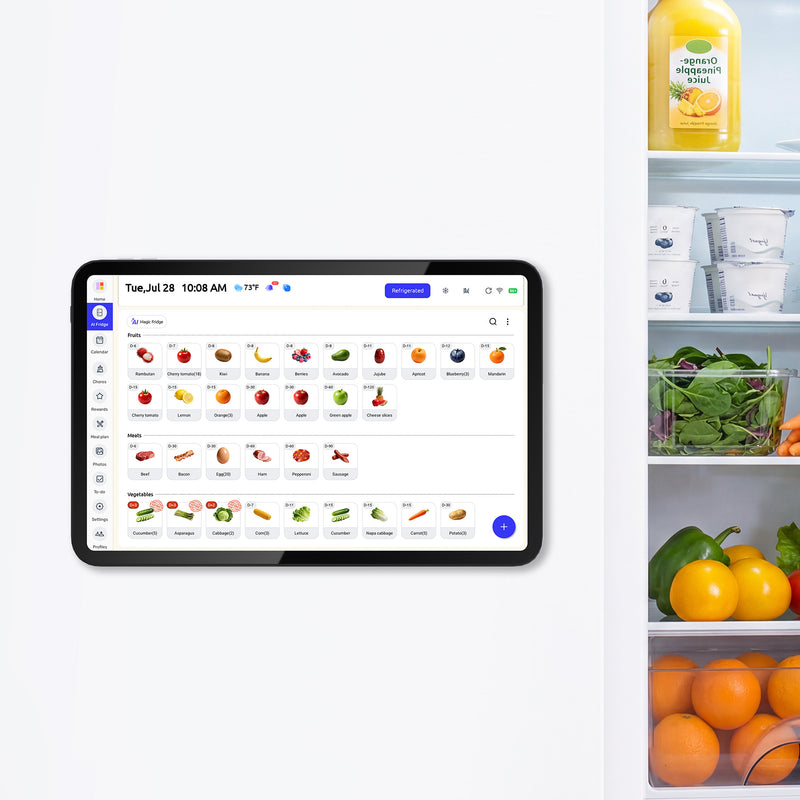
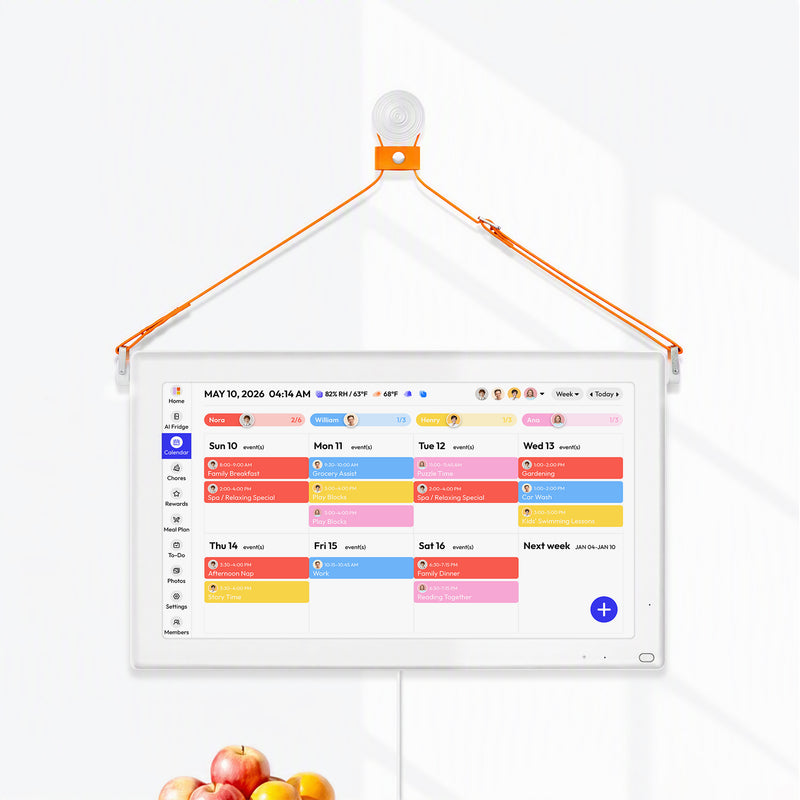
If you use a shared wall display, paper planner, or digital family calendar, this is the point where the weekly blueprint becomes visible. One option is Everblog, which lets families put events, recurring tasks, and household assignments in one shared place. The tool matters less than the habit. Everyone needs to see the same plan.
Designing Daily Rhythms for Every Age
A toddler doesn't need a full timetable. A teenager usually won't tolerate one. The daily rhythm has to match the child in front of you.
That's also why summer shouldn't be scheduled like school. Historical accounts of summer break note that reformers in hot urban areas argued children needed rest from the strain of school during intense heat, a reminder that unstructured downtime belongs in a healthy schedule. Not every open hour has to become enrichment.
What changes by age
Younger children do better with predictable sequences. Older kids do better with clear expectations and some control.
Here's the comparison that tends to hold up in real homes:
| Time Block | Toddler / Preschool (Ages 2-5) | Elementary (Ages 6-10) | Tween / Teen (Ages 11+) |
|---|---|---|---|
| Morning start | Wake, breakfast, get dressed, simple play | Wake, breakfast, quick reset, reading or independent activity | Wake, breakfast, personal responsibility block, planning the day |
| Mid-morning | Outdoor play, sensory activity, snack | Reading, workbook or project, snack | Exercise, project work, job shift, study, or personal goal time |
| Midday | Lunch, quiet time or nap | Lunch, downtime, screens or quiet play | Lunch, social time, independent downtime |
| Afternoon | Errand, water play, indoor activity | Chores, creative project, outdoor time, playdate | Chores, camp, social plans, driving practice, family task |
| Evening | Dinner, bath, calming routine | Dinner, family time, prep for tomorrow | Dinner, family responsibilities, free time, evening wind-down |
This table is a starting point, not a script. What matters is the flow.
Toddlers and preschoolers need sequence
With younger kids, think in repeating patterns instead of clock times. Active time. Snack. Quiet time. Outside. Meal. Rest.
That rhythm keeps the day moving without forcing a tiny child through too many transitions. If nap schedules are changing, protect quiet time anyway. Parents often drop rest too soon and then wonder why late afternoon falls apart.
Good daily anchors for this age group include:
- Getting dressed before free play
- Outdoor time before lunch when possible
- One quiet block after midday
- A consistent dinner and bedtime rhythm
Elementary kids can handle visible structure
This is the sweet spot for simple responsibility. Children this age usually respond well to a short checklist and a few reliable time blocks.
A practical daily rhythm might include reading after breakfast, chores before lunch, outdoor play in the afternoon, and screens later rather than earlier. Putting screens first tends to make the rest of the day harder.
If you want help teaching children how to manage these expectations, this guide to time management for kids is useful because it focuses on concrete habits rather than abstract productivity.
Kids usually resist less when they can predict what happens next.
Tweens and teens need ownership
Older kids still need structure, but not the kind that feels infantilizing. The most effective approach is to co-create the rhythm.
You might set the firm commitments:
- wake by a certain point
- finish household responsibilities
- contribute to shared family needs
- stay aligned with transportation and meal plans
They can often choose the order of the rest.
That shift matters. A teen who helps shape the plan is much more likely to follow it. A teen who feels managed all day will push back, disappear into a room, or negotiate every requirement.
For this age group, summer rhythm often works best when it balances three lanes: personal goals, family contribution, and real downtime. If all three are present, conflict usually drops.
Integrating Chores and Screen Time
Chores and screen time become a summer battle when they operate as separate systems. One is nagging. The other is bargaining. By noon, everyone is irritated.
The cleaner approach is to link them inside the schedule itself. Don't make yourself the constant enforcer. Make the routine do more of the work.

Use a first then structure
This is the basic rhythm that reduces arguing fast:
First responsibilities. Then privileges.
That might look like:
- first breakfast and get dressed, then cartoons
- first reading and room reset, then tablet time
- first unload dishwasher and feed the dog, then gaming
- first camp bag packed for tomorrow, then evening phone time
The power here is consistency. When the order stays the same, the discussion gets shorter.
“Screen time works better as a scheduled privilege than as a rolling negotiation.”
Make chores visible and finite
Kids fight chores hardest when the task feels vague or endless. “Help clean up” is fuzzy. “Put your laundry in the washer, wipe the table, and clear your backpack” is clear.
A workable system usually includes:
- Defined tasks that match the child's age
- A visible list in the kitchen, on a family board, or in a shared app
- Completion before leisure screens
- A reset point so chores don't drag across the whole day
If you need examples by age, these chore chart ideas for kids can help you assign responsibilities that are realistic instead of aspirational.
Set screen rules that the schedule can support
The most sustainable screen limits are the ones your household can realistically enforce when people are tired.
A simple framework often works best:
- Screens happen at known times, not constantly on request
- Screens come after core responsibilities
- Screens pause for meals, transitions, and family commitments
- Screens don't fill every open minute
Avoid building a system that requires you to track every moment with courtroom precision. If the rule is too complicated, nobody will follow it consistently.
Some families use a daily screen window. Others use separate weekday and weekend rules. Either can work if the expectations are clear.
Keep fairness practical, not identical
Equal treatment isn't always identical treatment. A teen may have more autonomy than a seven-year-old. A child with a long camp day may need a different rhythm than a sibling at home.
What matters is that the family understands the logic.
When kids know that chores, reading, rest, and screens all have a place in the day, the emotional charge comes down. The schedule stops feeling like punishment and starts feeling normal.
Planning for Flexibility Travel and Fun
A useful schedule for summer can handle rain, travel, camp changes, and a surprise invitation to the splash pad without breaking apart. That kind of resilience doesn't happen by accident. You build it into the plan before the disruption shows up.
The first place to do that is around logistics. Program pages often list dates but leave out the details families need. In practice, it matters whether a camp is residential or commuter-based, and whether it runs for four days or two weeks, because that changes transportation, packing, supervision, and what the rest of the household can do, as shown in Oklahoma's STEM Summer Academies overview.

Plan around disruptions before they happen
Families usually do better when they pre-decide what happens in common disruption scenarios.
That means having answers for questions like:
-
Rainy day problem
What indoor activities are available without a full reset of the day? -
Travel day fatigue
What gets dropped after a late arrival home? -
Last-minute playdate
What responsibilities still need to happen first? -
Camp week overload
Which evening commitments get trimmed automatically?
This doesn't need to be complicated. A short backup list on the fridge works.
Build a fun shelf and a boredom list
Unstructured afternoons are easier when you prepare for them. A “boredom buster” jar, a craft shelf, card games, sidewalk chalk, library books, Lego bins, or simple kitchen projects can carry a day without requiring a parent to invent entertainment on command.
For families trying to reduce default screen use during open hours, these practical tips to reduce screen time pair well with a schedule because they focus on replacing the habit, not just restricting it.
Protect nothing days
Summer gets sweeter when every day isn't spoken for. A nothing day is a day with no major outing, no scheduled lesson, and no pressure to make it memorable.
That doesn't mean doing nothing all day. It means the day isn't externally committed.
A nothing day gives the family room to:
- sleep a little later
- catch up on laundry and groceries
- visit grandparents without rushing
- stay home after an intense camp week
- let kids drift into deeper play
A schedule becomes more enjoyable when it includes room for surprise, not just room for efficiency.
Travel without losing your rhythm
Travel doesn't need a full separate system. It needs a stripped-down version of your home rhythm.
Keep a few familiar anchors:
- morning basics
- one reading or quiet activity
- one movement break
- one predictable reset before bed
That consistency helps kids settle faster and makes it easier to return home without feeling like the wheels came off.
Making Your Summer Schedule Stick
The true test isn't whether the plan looks good on Sunday night. It's whether the household can keep using it when energy drops and the week gets messy.
What helps most is a short review ritual. Families don't need a long meeting. They need a five-minute Sunday sync for the week's anchors, transportation, meals, and any unusual pressure points. Then a quick daily check-in keeps small problems from becoming full-day derailments.
Keep the review short and visible
A useful Sunday sync usually answers four things:
- Where does everyone need to be?
- What changes from the normal rhythm this week?
- Who owns which household tasks?
- Where is the recovery space?
That last question matters. Many families, especially those managing work and childcare at the same time, don't just need activities. They need dependable full-day structure that blends learning and enrichment so adults can work and children stay engaged, which is the underlying need described in Curry College's program context for underserved students and families.
Aim for buy-in, not perfect compliance
Children follow schedules better when they have some ownership. Let younger kids choose between two acceptable options. Let older kids help place their work, exercise, or social time inside the wider framework.
If the family misses a day, don't scrap the system. Reset at the next meal, the next morning, or the next review.
A summer schedule sticks when people trust that it helps them. Not when it demands flawless execution.
Frequently Asked Questions About Summer Schedules
How strict should a summer schedule be?
Strict enough to create predictability. Loose enough to survive real life. If every hour is assigned, the plan will probably snap. If nothing is defined, the house drifts into chaos. Most families do better with fixed anchors plus open space.
What if my kids have different ages and completely different needs?
Use one shared family rhythm and different expectations inside it. Breakfast can happen together while chores, reading, quiet time, and social independence vary by age. The family doesn't need identical days. It needs a structure everyone can recognize.
How much should I put on the calendar?
Less than your optimistic self wants to. If a week already includes camp, work changes, or appointments, keep the rest light. Summer usually falls apart from too many transitions, not too little stimulation.
What if my child resists every routine?
Start smaller. Don't introduce a whole new operating system overnight. Pick two or three essential items such as getting dressed, one responsibility block, and one screen rule. Once those become normal, add more.
Should I schedule downtime or leave it open?
Schedule it loosely. If downtime only exists in theory, other things will consume it. A protected quiet block, open afternoon stretch, or occasional nothing day makes rest more likely to happen.
What's the fastest way to improve a messy summer routine?
Do a weekly reset. List the fixed commitments, remove one unnecessary activity, and decide in advance when chores, meals, and screens happen. That single step usually improves the tone of the whole week.
A family schedule works best when everyone can see it, trust it, and update it without friction. Everblog gives families one shared place to organize calendars, chores, meals, and routines, which is especially helpful during summer when plans shift often and visibility matters.


