

Some mornings fall apart before anyone has eaten breakfast. One child can't find a shoe. Another remembers a permission slip at the exact moment you need to leave. You repeat the same instructions three times, your child insists they “didn't know,” and everyone starts the day rushed and irritated.
That kind of chaos usually gets blamed on laziness, distraction, or poor listening. In most homes, the underlying issue is simpler. Kids often haven't yet learned how to see time, sequence tasks, and manage competing demands without constant adult support. Time management for kids isn't about turning children into tiny productivity machines. It's about helping them move through real life with less stress and more competence.
Beyond the Morning Rush Why Time Management Is Today's Essential Skill
A child can be bright, capable, and cooperative, and still struggle badly with time. You see it in the morning rush, but it shows up all day long. Homework gets started late. Getting ready for practice takes forever. Bedtime stretches because no one knows what should happen next.
That pressure has changed in modern family life. Screens compete with schoolwork, sleep, chores, and downtime in a way many parents didn't grow up with. In a 2025 parent survey summarized by Lurie Children's, children averaged 21 hours of screen time per week, while parents felt 9 hours per week was ideal, which makes time boundaries a practical family issue, not just a preference about media habits (Lurie Children's screen time survey summary).
Why this skill matters now
When a child doesn't manage time well, the whole family pays for it. Parents become the external brain. You track the backpack, the lunchbox, the water bottle, the overdue worksheet, the bedtime, the transition to the car, and the screen cutoff. That works for a while, but it creates dependence.
Kids need something better than reminders shouted from another room.
Practical rule: If your child can only function when you're prompting every step, the system isn't built yet.
Time management gives children a way to participate in their own day. They start to anticipate what comes next. They learn that getting dressed, packing up, and finishing one task before another isn't random adult pressure. It's a sequence they can understand and repeat.
What usually doesn't work
Parents often try one of these approaches first:
- More verbal reminders that disappear as soon as the child gets distracted
- Long lectures about responsibility that don't help in the moment
- Punishments for lateness without teaching the missing skill
- Overpacked schedules that leave no room for practice or recovery
A stronger approach is to make time visible, routines repeatable, and expectations concrete. The same principles that boost student productivity for older learners also help younger children, but kids need those ideas translated into family-friendly systems they can effectively follow.
Once you see time management as a teachable skill, not a personality trait, your role changes. You're not chasing your child through the house. You're building a structure that helps them succeed with less friction.
The Foundation of Kid-Friendly Time Management
Time is abstract. That's the root of the problem.
Adults feel time in a fairly automatic way. We know what “ten minutes” means in a practical sense. Children often don't. They may hear “we're leaving soon” or “do that after breakfast,” but those phrases don't give them a clear map. That's why time management for kids has to start with making time concrete.
Education guidance notes that these skills develop in stages, with many children beginning to understand time around age 5 or 6, and foundational habits should start in elementary school because students with effective time management tend to have lower stress and anxiety, stronger self-control, and better study habits (guide to time management skills for kids).
Kids need to see time, not just hear about it

A young child usually can't manage what stays invisible. That's why routines, timers, picture schedules, and repeated sequences work better than spoken instructions alone.
Three foundations matter most:
-
Concrete experiences
Tie time to events your child can observe. “Shoes on before we open the garage.” “Brush teeth, then two books, then lights out.” -
Visual supports
A checklist, picture chart, or timer gives your child something stable to return to when attention drifts. -
Routine anchors
Predictable patterns reduce decision-making. If homework always starts after snack and before free play, your child doesn't have to renegotiate it every day.
Age matters more than parents think
A common mistake is expecting the same system to work for every child. It won't.
A younger child needs short sequences, visible cues, and adult co-regulation. An older child can handle more planning responsibility, but still benefits from external structure. A tween may resist “charts” while still depending on them. The format can mature even when the principle stays the same.
Here's a straightforward perspective:
| Age range | What helps most | What tends to fail |
|---|---|---|
| Early elementary | Picture routines, visual timers, one-step directions | Multi-step verbal instructions |
| Later elementary | Checklists, simple planners, chore routines | Last-minute reminders only |
| Middle school | Backward planning, weekly previews, priority sorting | Assuming independence without tools |
The goal isn't instant independence. It's gradual transfer from your brain to your child's system.
If you're homeschooling or piecing together learning blocks at home, structure matters even more. Many families find it helpful to borrow pacing ideas from school planning, including expert curriculum advice from Charter Homeschool Help, then adapt those rhythms into home routines and work periods.
Responsibility grows faster when tasks stay visible
Time management and chores belong together because both teach sequencing, follow-through, and shared responsibility. A child who knows what “done” looks like has a much easier time managing the day than a child who gets vague commands. If you need examples of age-appropriate responsibilities, this list of chores for kids can help you turn “help out more” into specific recurring tasks.
What matters most is matching the system to your child's current capacity. If your child keeps failing, make the routine smaller, clearer, and more visible. That's not lowering the bar. That's teaching the skill in a way they can learn.
Building Unbreakable Morning and Evening Routines
The fastest way to reduce daily conflict is to stop treating mornings and evenings like freestyle events. Most kids do better when these parts of the day run in a fixed order.
A routine works when your child doesn't have to keep asking what comes next. That's where task chunking and visual time cues become powerful. Scholastic recommends breaking larger tasks into smaller steps, and child-focused guidance also supports using a visual timer and a When-Then sequence so children can follow a clear workflow instead of relying on repeated reminders (Scholastic guidance on teaching kids to manage time).
Here's the process I recommend parents use.

Build the routine in a sequence, not a list
“Get ready for school” is too broad for many kids. Break it down into the actual actions.
A morning sequence might look like this:
- Wake up
- Use bathroom
- Get dressed
- Eat breakfast
- Brush teeth
- Put lunchbox and water bottle in backpack
- Shoes on
- Out the door
An evening sequence might be:
- After dinner put dishes away
- Then pack backpack
- Next shower or wash up
- Then pajamas
- After that brush teeth
- Finally reading and lights out
That language matters. Children handle clear transitions better than broad commands.
Use When-Then instead of repeated nagging
The When-Then framework keeps the focus on sequence, not emotion. You aren't debating, threatening, or improvising consequences.
Examples:
- When you're dressed, then breakfast starts.
- When your backpack is packed, then you can read.
- When teeth are brushed, then it's story time.
This works because it removes ambiguity. The child sees the path forward.
“When kids can see time, they can manage it” is the principle behind visual timing. The less you rely on memory and verbal prompting, the smoother routines become.
A visual timer adds urgency without turning you into the household alarm. Instead of saying “hurry up” five times, you set the timer for the task block and let your child watch time pass.
Later in the day, this kind of structure also helps with focused habit-building. If you're trying to add one meaningful task to the morning, even something specialized like language practice, a simple sequence can make it realistic. Families building study habits may appreciate this example of an effective Chinese learning morning routine, because the logic is the same even if the subject is different.
A visual example can help if you're starting from scratch.
Keep the routine visible where the problem happens
A chart in a drawer doesn't help. Place the routine where your child gets stuck.
Try one of these:
- Bedroom wall for dressing and bed-making
- Bathroom mirror for hygiene steps
- Near the door for backpack, shoes, coat, and lunch check
- Kitchen area for before-school and after-school flow
If you'd like a ready-made format to adapt, a simple morning checklist for kids can save time and give you a stronger starting point than a blank page.
Expect to teach it, not just post it
Parents often create a chart and assume the job is done. It isn't. Your child needs rehearsal. Walk through the routine with them for several days. Point to the steps. Keep your words short. If one step always stalls, make that step easier or clearer.
What doesn't work is creating a beautiful routine and then changing it every other day. Consistency is what makes a sequence automatic. Once the order becomes familiar, your child spends less energy deciding and more energy doing.
Creating a Calm and Predictable Weekly Rhythm
Daily routines solve the recurring bottlenecks. Weekly planning solves the surprises.
Without a weekly rhythm, parents spend the whole week reacting. Homework appears late. Chores pile up. An activity slips your mind until the last minute. Kids feel that instability even when they can't name it. They experience it as pressure.
A short planning ritual prevents a lot of that mess because it moves decisions earlier, when no one is panicking.

Why the week should have a reset point
Boys & Girls Clubs recommends prioritization tools such as the Eisenhower Matrix, along with planning ahead and fixed time blocks for routines like meals, homework, and bedtime, because children manage time better when attention is directed toward what matters most first (Boys & Girls Clubs time management guidance).
You don't need a formal productivity system to use that idea at home. You need a family version of it.
Try a weekly check-in where you review:
- Must happen tasks such as homework due dates, practice, appointments, and recurring chores
- Important but flexible tasks such as reading time, project work, room resets, and preparation for upcoming events
- Nice-to-do activities such as playdates, crafts, and extra screen time
- Can wait items that don't belong in this week's main schedule
That sorting process teaches a child that not every task carries equal weight. That's a major shift. Many children either treat everything as urgent or ignore everything until an adult intervenes.
A simple family planning ritual
Keep it short and repeatable. Ten to fifteen focused minutes is enough for most families.
A practical rhythm looks like this:
| Moment | What you do | What your child does |
|---|---|---|
| Weekly reset | Review the calendar and deadlines | Listen, ask questions, spot conflicts |
| Homework planning | Break larger work into smaller blocks | Choose when to do each block |
| Chore setup | Assign recurring and one-off tasks | Confirm expectations |
| Daily preview | Check tomorrow's key items | Prepare materials the night before |
Children usually handle plans better when they help build them. Participation creates more ownership than surprise instructions.
Use fixed blocks to lower friction
If every afternoon has to be renegotiated, your child burns energy before any real work starts. Fixed blocks reduce that decision load.
You might set:
- After-school decompression before homework
- Homework block at a regular time
- Household help block for chores
- Free time after responsibilities are complete
- Evening reset for packing up and prep
The point isn't rigidity. It's predictability. Kids cooperate more when the family schedule feels stable instead of arbitrary.
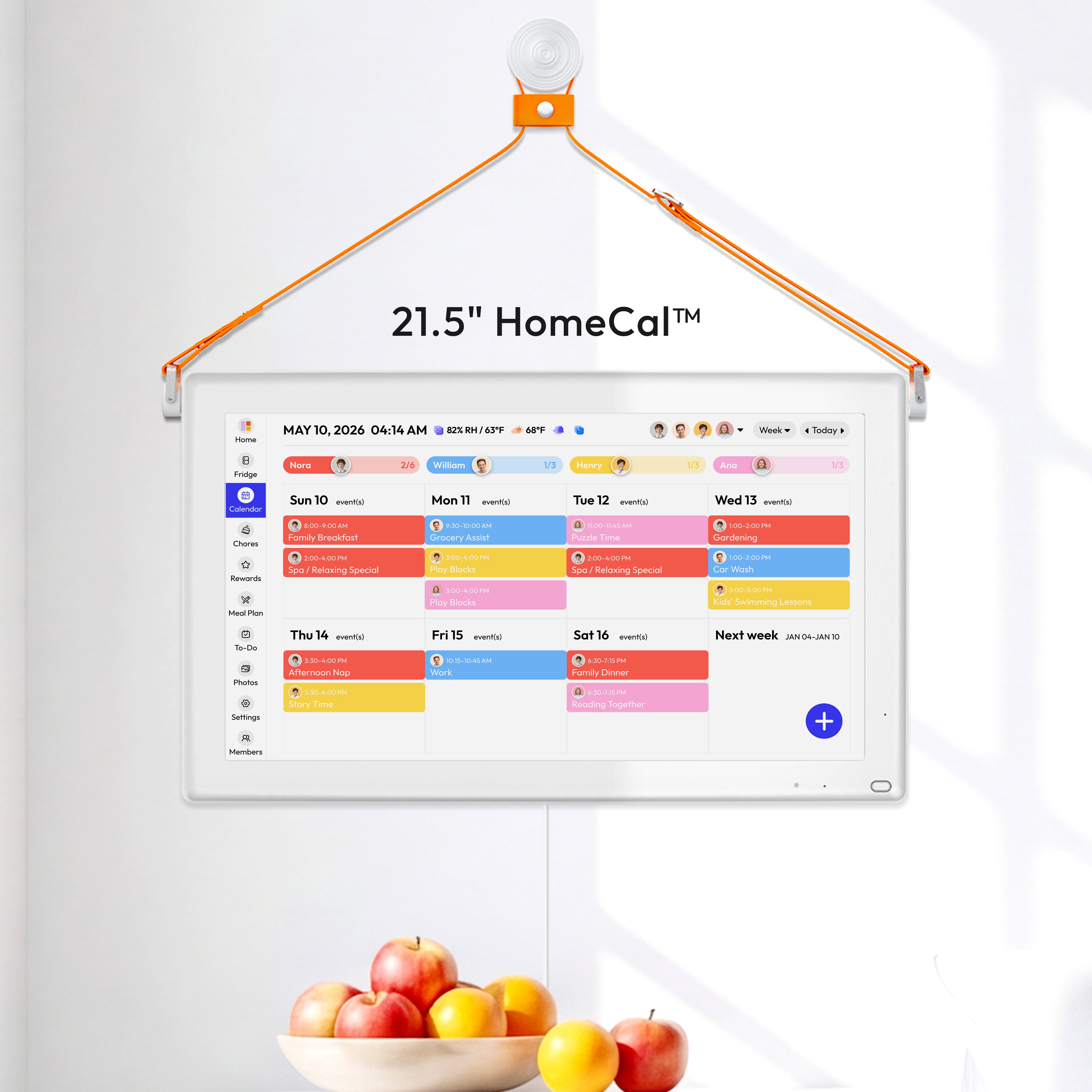
A shared family calendar helps here because it becomes one source of truth. Instead of one parent carrying the whole mental load, everyone can see what's coming. That visibility matters most in busy homes with multiple children, split schedules, or changing pickup plans.
Troubleshooting Common Time Management Hurdles
Even a strong system will wobble. Kids dawdle. They complain. They forget. That doesn't mean your approach failed. It usually means the system needs adjustment.
Your child moves painfully slowly
Dawdling often looks like defiance, but it isn't always resistance. Sometimes a child loses the thread between steps. Sometimes the task feels too big. Sometimes they're trying to manage both the task and the clock and can't do both at once.
A better response is to simplify the moment.
Try this:
- Shrink the task into one visible next step
- Point to the checklist instead of repeating the whole routine verbally
- Use shorter work intervals when your child stalls during longer blocks
- Remove side distractions before the routine starts
If your child slows down every morning at “get ready,” don't repeat “get ready” louder. Say “shirt, then pants,” or “toothbrush first.” Specific language reduces mental clutter.
Your child argues about chores or fairness
This problem usually isn't about fairness alone. It's about unclear expectations and shifting rules. Children protest more when chores feel random, invisible, or inconsistently enforced.
Use a standard instead of an argument:
- Assign recurring jobs so children know what's regularly theirs
- Define done clearly so “clean your room” becomes visible actions
- Separate complaints from completion so feelings don't delay the task
- Review the system weekly rather than renegotiating in the moment
A child can dislike a task and still do it. Parents often get pulled into debate because the task was never clearly framed in the first place.
If a child can argue for ten minutes about a five-minute job, the routine needs more clarity and less discussion.
Your child forgets deadlines, materials, or next steps
Forgetfulness doesn't improve through frustration. It improves through external supports.
Use environmental cues:
- Launch pad by the door for items that travel out of the house
- Night-before prep for clothes, forms, and supplies
- Visible calendar or checklist for major tasks
- Same-location storage so essentials aren't constantly moving
Kids who forget repeatedly often need the environment to carry more of the burden. That's not coddling. It's how skills get built.
Your system keeps collapsing after a few days
That usually happens for one of three reasons. The routine is too complicated, the expectations changed too quickly, or the adults stopped using the system consistently.
When that happens, cut back. Pick one flashpoint. Make it visible. Practice it daily. Stability beats ambition every time.
Making It Stick with a Shared Family Hub
Most time management systems fail for a boring reason. The tools are scattered.
The checklist is on paper. The calendar is in someone's phone. Chore expectations live in a parent's head. The grocery list is somewhere else. The bedtime routine exists mostly as spoken reminders. That patchwork works briefly, then families slide back into chasing, reminding, and re-explaining.
A shared home system changes that because it keeps routines visible in one place.

What a family hub does differently
A central display works best when it supports the exact habits kids need to build:
- Shared calendar visibility so everyone can see school, activities, and routines
- Recurring chore tracking so responsibilities don't depend on memory
- Checklists and routines that stay where children can use them
- Reward tracking for families who want visible motivation tied to follow-through
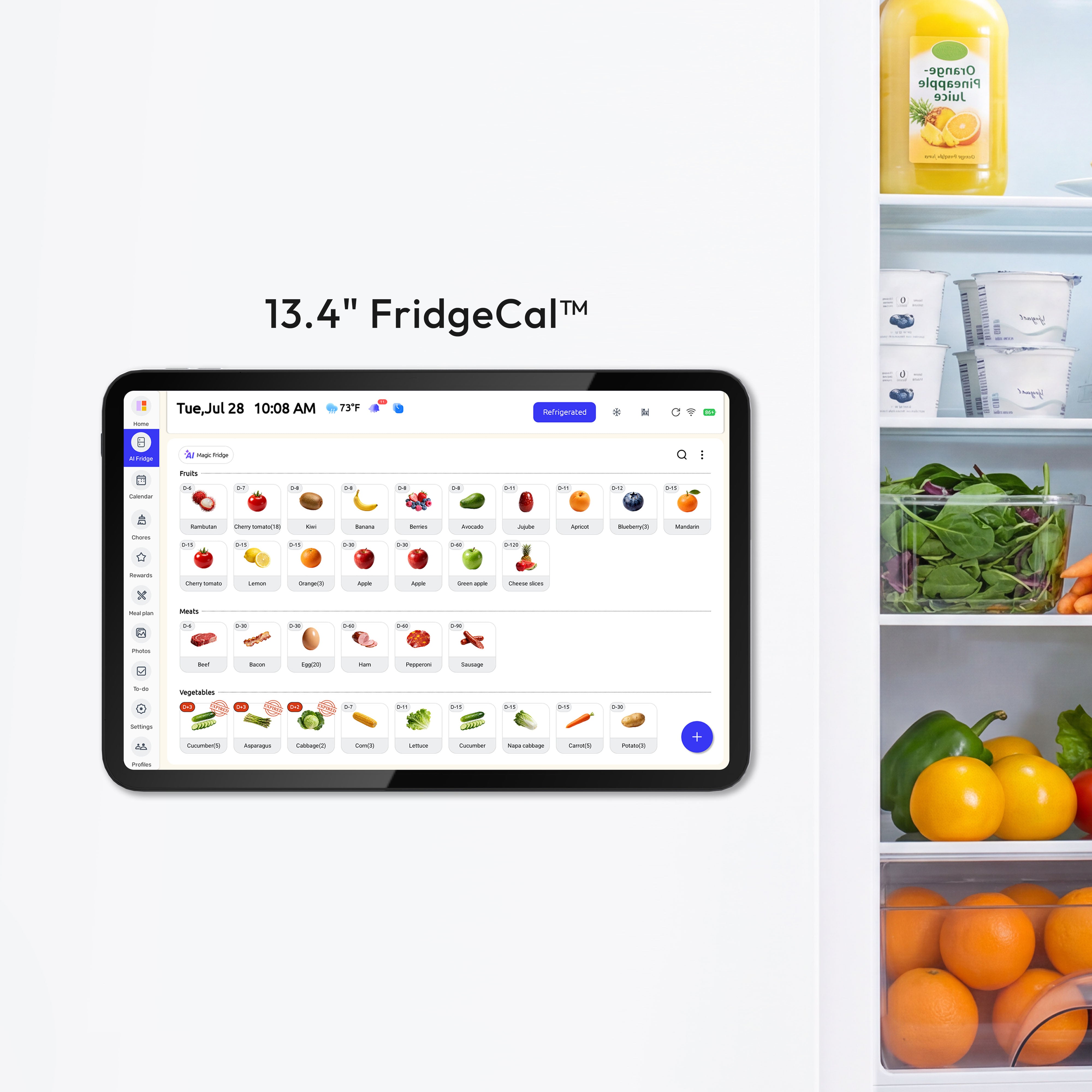
A modern family hub such as Everblog offers a natural fit. Its shared display, child-specific chores, calendar view, and family organization tools support the same methods that make time management for kids practical at home. It doesn't replace teaching. It makes the teaching more sustainable because the system stays visible after the first burst of motivation fades.
The real benefit is reduced mental load
Parents often think they need better discipline. What they often need is better external structure.
A shared setup helps because:
- Children stop relying only on verbal reminders
- Co-parents see the same information
- Weekly planning has a clear home
- Routines feel consistent even on busy days
If you're trying to build that kind of setup, this guide to creating a digital family command center offers a practical model for bringing schedules, chores, and routines into one visible system.
Time management sticks when it becomes part of the home environment. Your child shouldn't have to remember the entire plan in order to follow it. They should be able to look up, see what matters, and keep moving.
If you're ready to turn routines, chores, schedules, and planning into one visible system, Everblog gives your family a shared place to manage the day without relying on scattered notes and constant reminders. It can help you make the strategies in this article easier to maintain, especially when life gets busy and consistency matters most.


