

You're probably choosing a calendar the way most families do. One tab shows a photo calendar. Another has a desk pad. A third promises a giant wall planner. Then you notice the sizes don't line up, some are listed closed, some open, and half the products look good online but would be impossible to read from across the kitchen.
That confusion is normal. Standard calendar sizes make sense once you separate three decisions: where the calendar lives, how far away you'll read it, and whether it needs to serve one person or the whole household. Print calendars still follow familiar production formats, but modern screens have created a second category of “calendar size” that matters just as much for real family use.
A good calendar doesn't just fit the wall. It fits the rhythm of your home. The right format gives you enough writing room, enough visibility, and a layout you'll keep using after the first busy week of school, sports, and work pickups.
Choosing Your Perfect Calendar Format
Start with the room, not the design.
If the calendar is going in a shared space, the kitchen, mudroom, hallway, or near the family desk, size matters less as a product spec and more as a visibility tool. A small format can look tidy and still fail in daily use because no one can read Tuesday from the other side of the room. If the calendar is for a desk, though, compact sizing is usually the right call because you'll read it from arm's length.
Three questions usually settle the decision quickly:
- Who needs to read it One person can work with a desk or pocket format. A family needs a shared display with larger date boxes and clearer month views.
- How far away will you stand A calendar that works beside a laptop won't work above the coffee station if everyone checks it in motion.
- Will you update it often If you constantly add practice changes, school notices, meal plans, and chore swaps, paper can become crowded fast. That's where screen-based formats start to make more sense.
Practical rule: If more than one person depends on the calendar every day, choose for legibility first and aesthetics second.
The rest of the decision is mechanical. Wall calendars prioritize visibility. Desk and pocket calendars prioritize proximity. Year-at-a-glance posters prioritize long-range planning. Digital displays prioritize shared access and easy updates.
Quick Reference Guide to Common Calendar Sizes
If you need a fast answer, use this as the shortlist.
The most common commercial wall format is the classic letter-size page that opens into a larger monthly spread. Smaller formats work best at close range. Larger formats are better when the calendar needs to function as a household board rather than a decorative piece.

Standard Calendar Sizes At-a-Glance
| Calendar Type | Common Closed Size (Width x Height) | Common Open Size (Width x Height) | Primary Use |
|---|---|---|---|
| Wall calendar | 8.5" x 11" | 11" x 17" | Monthly planning in kitchens, offices, and shared walls |
| Wall calendar, square | 12" x 12" | 12" x 24" | Photo-heavy monthly layouts with more visual impact |
| Desk calendar | Compact horizontal format | Depends on stand or pad style | Personal scheduling at a workstation |
| Pocket calendar | Ultra-compact format | N/A | Portable date reference and lightweight personal planning |
| Large wall calendar | Oversized wall format | Oversized display area | Across-the-room family visibility |
| Yearly poster calendar | Single-sheet poster format | Single-sheet poster format | Long-range planning and year-at-a-glance tracking |
A few practical notes matter more than the raw dimensions.
- Closed size tells you how the product is stored, printed, or shipped.
- Open size tells you how much wall space it occupies in use.
- Layout style often matters more than a small difference in inches. A narrow vertical calendar behaves very differently from a wider monthly spread, even when total area is similar.
If you're hanging a flip calendar, always measure the wall for the open size, not the closed cover size.
That single mistake causes a lot of bad purchases.
Standard Wall Calendar Sizes Explained
Breakfast is running late, one child needs to know the pickup plan, and you need to confirm whether Thursday still has room for a dentist appointment. In that moment, wall calendar size stops being a design detail and turns into a visibility problem. The right format has to read clearly from a few steps away, fit the wall you have, and hold enough writing space to keep the month usable.

A common wall calendar format in print is a letter-size page that hangs as 8.5 x 11 inches closed and 11 x 17 inches open, a size used by many commercial printers, including the wall calendar specs shown by Printivity. It stays affordable to print, easy to mail, and large enough for a clean monthly grid. On screen, that same vertical proportion also works well for tablet viewing or a family dashboard displayed in portrait mode.
Why the 8.5 x 11 to 11 x 17 format stays popular
This size works because it solves several problems at once. It fits standard print production well, keeps paper and binding costs under control, and gives each month enough room for normal family scheduling. If the calendar is mainly handling school events, appointments, bills, and a few meal notes, this format usually carries the load.
Binding affects usability just as much as page size:
- Saddle-stitched wall calendars are usually the lower-cost option and work well for lighter monthly use.
- Drilled hanging holes keep installation simple and suit straightforward household calendars.
- Wire-O binding hangs flatter and turns more cleanly, which matters if the calendar gets used every day.
The trade-off is viewing distance. An 11 x 17 open calendar reads well at close to medium range, but it can feel small on a long kitchen wall or in an open-plan room where people check it from across the space.
When a square wall calendar is the better fit
Square wall calendars are commonly sold at 12 x 12 inches closed and 12 x 24 inches open. They look balanced on the wall and give photo-led designs more presence. That makes them popular for gift calendars, family photo calendars, and rooms where the calendar is part planner and part decor.
Usability depends on the grid, not the cover. I see square formats work best when the designer protects writing space and keeps the image area under control. If the photo takes over the page, the date boxes shrink fast and the calendar becomes something you admire more than use.
For larger visual planning, it helps to compare wall space with familiar frame dimensions. If you're trying to picture what a bigger calendar presence feels like on the wall, these South African A1 picture frame options are a useful reference point because they make large-format sizing easier to visualize in a real room.
Choosing for real household visibility
A wall calendar has to work in passing. Families glance at it while packing lunches, unloading groceries, or walking out the door. That is why placement and proportion matter together. A smaller calendar can work well in a tight kitchen nook, while a larger format earns its space in a busy shared area where everyone needs quick access.
Digital display standards sharpen that decision. If you expect to mirror the same calendar onto a tablet, smart display, or family command screen, choose a layout that stays readable in both print and digital formats. Portrait layouts often translate more cleanly from printed wall calendars to vertical screens, while larger square formats can feel better on shared displays if the interface gives the month grid enough width.
If you want to compare how larger shared formats function in family setups, this large wall calendar guide is a helpful example of how visibility changes the way households use a calendar.
The best wall calendar is the one your household can read quickly, update easily, and trust at a glance.
Desk and Pocket Calendar Dimensions
Desk and pocket calendars solve a different problem. They aren't meant to organize the whole family. They're meant to stay close, stay portable, and support one person's workflow.

Desk calendars for arm's-length planning
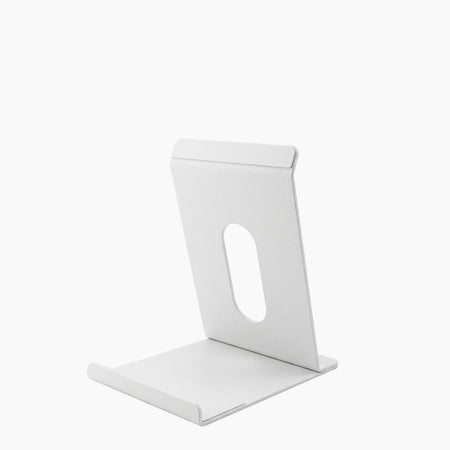
A desk calendar works best when you need a date reference while working, not a command center for everyone else. The common styles are desk pads and easel-style standing calendars.
Desk pads give you a broad writing surface and usually live under your keyboard or beside it. They're good for quick notes, deadline marks, and rough planning. Easel calendars take less room and are easier to glance at, but they don't offer much writing space.
The trade-off is simple:
| Format | Best for | Weak point |
|---|---|---|
| Desk pad | Frequent note-taking and daily reference | Not visible to the room |
| Easel desk calendar | Light personal scheduling | Limited writing area |
| Small personal calendar | Minimal desktop footprint | Easy to ignore if too small |
If your calendar never needs to be read beyond the desk edge, these formats are efficient. If a spouse, co-parent, or child also needs to rely on it, they usually break down fast.
Pocket formats for mobility
Pocket calendars and small planners are built for carry, not visibility. They're useful when you want something lightweight in a bag, purse, or coat pocket, especially for personal reminders or backup scheduling when you don't want to pull out a phone.
Their main weakness is obvious. The smaller the format, the more you compress the grid. That reduces writing comfort and makes color coding, multi-person scheduling, and recurring family routines harder to track.
A better way to think about pocket size is this:
- Good for personal reminders, appointments, and quick date checks
- Poor for school logistics, rotating custody schedules, chore assignments, and meal planning
- Best paired with a larger home calendar or a shared screen
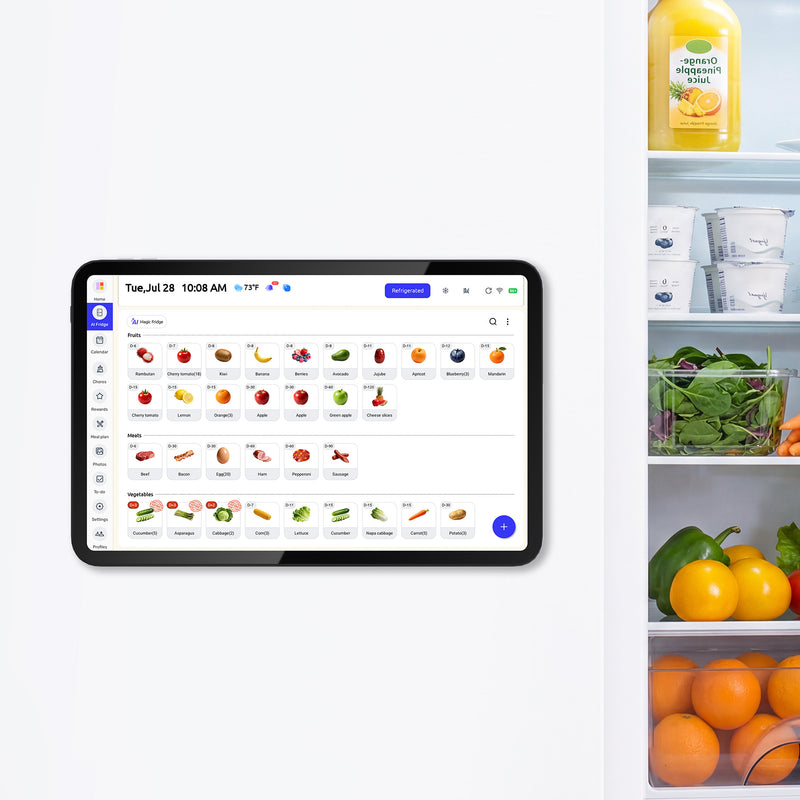
For families that want a smaller shared display in a secondary location, such as near the refrigerator, a purpose-built format like this 13.4-inch fridge calendar example shows the middle ground between personal scale and household visibility.
Poster and Yearly Calendar Formats
A monthly flip calendar helps with day-to-day life. A yearly poster calendar helps with pattern spotting.
That difference matters. If you're mapping school terms, vacation windows, project milestones, custody exchanges, or training blocks, seeing the whole year on one sheet changes how you plan. You stop asking, “What's happening this Tuesday?” and start asking, “Where are the crowded months?”
When a yearly format works best
Poster calendars are strongest when detail matters less than sequence. You won't get roomy boxes for meal notes or pickup instructions, but you will get a single visual field for the full year.
That makes them useful for:
- Academic planning when you want to mark term starts, breaks, and exam periods
- Project management at home for renovations, travel, and seasonal commitments
- Routine mapping for recurring events such as therapy, practice blocks, or family visits
A yearly calendar also works well when you want a clean planning tool in a hallway, office, or study area and don't need people writing on it every hour.
Orientation matters more than most people think
Vertical yearly calendars fit narrow walls and can feel easier to scan month by month. Horizontal layouts tend to support broader seasonal comparisons because your eye can track across the year more naturally.
Use this rule of thumb:
- Choose vertical if the wall is tall and narrow, or if you mentally process time top to bottom.
- Choose horizontal if you compare months side by side and want a stronger “year map” feel.
A yearly poster is for strategy. A monthly wall calendar is for operations.
Some families use both. The yearly sheet handles vacations, school breaks, and major deadlines. The monthly calendar handles actual life. That combination works particularly well when one planner in the house likes long-range visibility and everyone else just wants to know what happens this week.
What these formats don't do well
Poster formats become cluttered quickly if you try to turn them into a daily writing surface. If your family writes a lot, monthly pages are usually more practical. If your plans change constantly, a digital layout becomes easier to maintain than erasing and rewriting a single-sheet year view.
Print-Ready Calendar Design Specifications
A calendar can be the right size and still print badly. The difference usually comes down to file setup, not design taste.
For home planners, school fundraisers, and family photo calendars, the print standards are consistent across printers. Files should be built at the final trim size, with print-ready color settings, enough bleed for edge-to-edge artwork, and a safe margin that keeps dates, text, and binding-sensitive details away from the cut line. PsPrint's file setup guide gives a solid baseline for how commercial printers expect artwork to arrive.
The four specs that matter most
-
Trim size
Trim size is the final cut size of the calendar. If you order an 8.5" x 11" calendar, that measurement describes the finished piece, not the full working file. -
Bleed
Bleed is the extra image or background area that extends past the trim line. Without it, a full-bleed photo or color block can print with thin white edges after cutting. -
Safe area
Safe area is the margin inside the trim where important content should stay. Keep dates, month names, captions, and logos away from the edges, especially on wire-bound wall calendars where the top edge needs more breathing room. -
Color mode and resolution
Print files should be prepared in CMYK at high enough resolution to keep type and photos sharp. RGB files often look brighter on screen than they do on paper, which is one reason family calendars can come back from the printer looking flatter than expected.
Here's the quick production checklist:
| Spec | Why it matters |
|---|---|
| Final trim size | Matches the printer's cutting template |
| Bleed | Prevents white edges on full-bleed artwork |
| Safe area | Protects dates, text, and logos from trim shifts |
| CMYK and print-ready resolution | Keeps color and detail closer to what you expect in print |
US sizes versus A-series sizes
Print planning begins to overlap with digital planning at this stage. US families often design around letter-size expectations such as 8.5" x 11" or square wall formats. Printers in Europe and many international online services often default to A4 or A3. PrintPlace's standard calendar size guide is a good reminder that those systems are not interchangeable.
The problem is proportion. A layout built for US letter does not drop neatly into A4, and the same issue shows up on screens. A calendar designed for a narrow portrait page may feel cramped on a tablet in horizontal orientation or on a kitchen display mounted horizontally. If your family expects to use the same layout in print and on screen, choose the format first, then design for that aspect ratio on purpose.
Build for the display environment first. Then match the file specs to the printer.
Details that improve the finished piece
Finishing details affect daily usability more than many first-time buyers expect. Top margin depth, hanging hole placement, coil or saddle binding clearance, and writing space all change how the calendar works once it is on the wall.
That matters even more in a family command center. If you want a paper calendar with matching planning tools nearby, it helps to look at systems that already balance writing space and visibility, such as a monthly whiteboard wall calendar for family planning. If you add supporting labels or visual markers around the calendar area, Custom Sticker Shop personalized window decals can also help define zones for chores, pickup notes, or meal planning without redesigning the main calendar itself.
Use the printer's template whenever one is available. If no template exists, ask for one before laying out the months. That step prevents the common mistakes. Cropped month names, a hanging hole through the title, and a top row of dates pushed too close to the binding.
Choosing a Calendar for Optimal Family Visibility
Most calendar buying mistakes aren't about style. They're about sightlines.
A family calendar has to work while people are moving. You're pouring cereal, packing lunches, answering a question about practice, and trying to confirm who has pickup duty. In that moment, a calendar only helps if the information is visible without walking over to decode it.

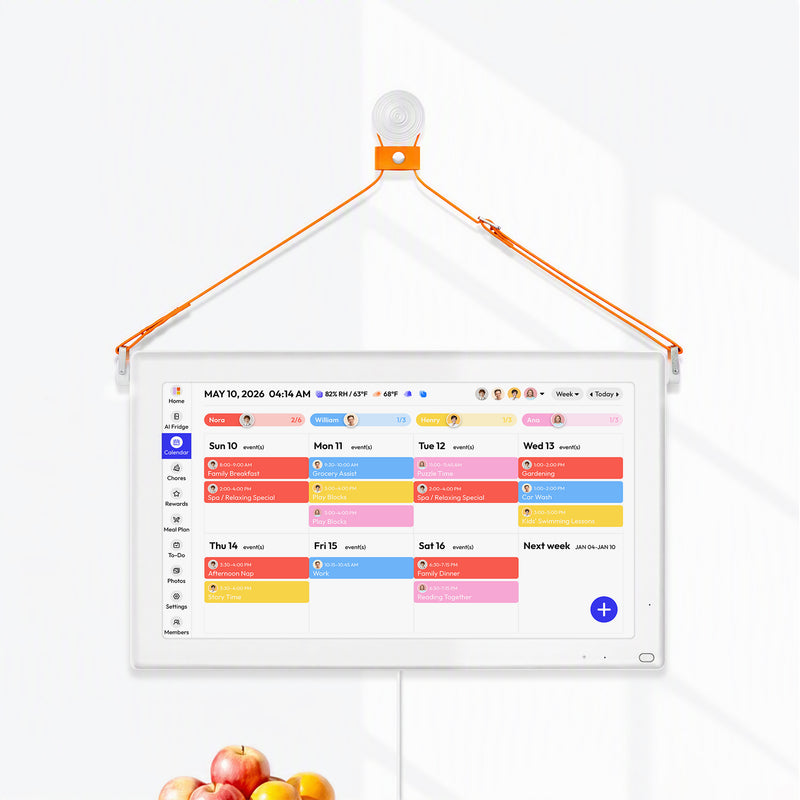
According to Calendars.com's wall calendar viewing guide, a standard 12" x 24" open calendar is only suitable for 3-8 feet, while many families need readability from 10-20 feet across a room. The same guide notes the shift toward oversized or digital alternatives such as 21.5-inch screens visible up to 15 feet.
Why many paper calendars fail in kitchens
A paper wall calendar can be perfectly fine at close range and still fail as a family tool. The common problems are predictable:
- Date boxes are too small once multiple people write on them.
- Ink color coding gets messy after schedule changes.
- Placement compromises legibility because the only free wall isn't the closest wall.
- Updates lag when one person forgets to transfer a school email or activity change.
That doesn't mean paper is obsolete. It means shared-family use puts more stress on a format than solo planning does.
The practical visibility test
Stand where you naturally check the calendar. For most homes, that's not right in front of it. It's near the sink, at the island, by the door, or halfway down the room. If you can't read today's key information without stepping closer, the format is too small for the job.
Use this checklist before buying:
- Measure the true viewing point Don't measure from the wall. Measure from where you'll glance.
- Count active users More users means more entries, more color coding, and a greater need for cleaner display hierarchy.
- Decide whether updates are frequent If plans change constantly, erasing and rewriting creates visual friction.
- Check for room lighting A dim corner makes a marginally readable calendar effectively unreadable.
Later in your planning process, it helps to compare this with a monthly whiteboard wall calendar approach, because whiteboard-style systems often solve writing-space problems but still depend on placement and legibility.
A short walkthrough helps make the visibility issue concrete:
When digital becomes the better format
Digital displays solve a different set of problems than print. They don't need erasing. They can update in real time. They can hold multiple categories of information without turning the month into a tangle of handwriting.
For a busy household, that changes the role of the calendar. It stops being a passive object and becomes an active family reference point. The key advantage isn't novelty. It's clarity. A screen-sized for across-the-room reading behaves more like a household dashboard than a page on the wall.
If your family checks the calendar dozens of times a week, visibility isn't a bonus feature. It's the product.
The Historical Origins of Calendar Standardization
Calendar formats feel modern because we usually encounter them as printed grids or screens. The logic behind them is much older.
The major turning point came with the Gregorian reform. The transition to the Gregorian calendar in 1582, which corrected the Julian calendar's year from 365.25 to 365.2425 days, was a key standardization milestone that enabled the uniform physical and digital calendar formats used today, according to the ANSI history of the Gregorian calendar.
Why that change still matters to format design
A calendar can only become a standard product once the underlying time system is standardized. Once dates were aligned more consistently across major markets, printers could build repeatable layouts, publishers could sell recurring annual formats, and users could trust a common monthly structure.
That didn't instantly produce the wall calendar you hang today, but it created the foundation for it. Over time, printed layouts moved toward the familiar grid. That grid then became the template for planners, family calendars, office calendars, and eventually software calendars and digital wall displays.
From timekeeping to product design
The important connection is this: standard calendar sizes are not just paper dimensions. They're the physical expression of a standardized way of organizing time. Once the system stabilized, format design could stabilize too.
That's why modern calendar products, whether printed or digital, still rely on the same basic visual logic. Month grid. Day boxes. Repeating weekly rhythm. Predictable orientation. The tools changed. The need for synchronized household timekeeping didn't.
Frequently Asked Questions about Calendar Sizes
Can I print a calendar in a custom size
Yes, but custom sizing usually adds friction. You may pay more, have fewer binding options, and need a printer-specific template. Custom can be worth it for a branded piece or a very specific wall location, but standard sizes are easier to reprint, easier to frame, and easier to design accurately.
What's the difference between a calendar and a planner
A calendar is primarily for viewing dates and schedules. A planner usually adds space for lists, goals, notes, and task management. If your family needs a shared visual reference, choose a calendar first. If one person needs a private command center, a planner may fit better.
Which file format should I send to a professional printer
A print-ready PDF is usually the safest choice because it preserves layout, fonts, and image placement. If the printer asks for packaged design files, send exactly what they request along with linked images and fonts. Always confirm trim, bleed, and binding edge before exporting.
Is bigger always better for family calendars
No. Bigger only helps if the layout stays clean and the wall placement makes sense. An oversized calendar in the wrong spot can still be less useful than a moderate-size calendar hung where everyone naturally looks.
Should I choose print or digital
Choose print if you want simplicity, tactile writing, and a fixed monthly view with no setup. Choose digital if your household updates plans often, needs stronger visibility, or wants one shared place for schedules, chores, and routines.
If your family has outgrown cramped paper grids and scattered reminders, Everblog is worth a look. It's a 21.5-inch digital family wall calendar built for real household coordination, with shared schedules, chores, meals, and media in one place so everyone can see what's happening at a glance.


