

You open the refrigerator on Wednesday morning and realize the roasting pan won't fit. The turkey is taking up most of one shelf, the make-ahead casserole needs space, and relatives are expected to bring chilled side dishes tomorrow. Moving everything around at the last minute can lead to forgotten ingredients, unstable containers, and unsafe food placement.
Good Thanksgiving fridge organization starts before the holiday meal is prepared. Measure the space you actually have, decide which dishes need refrigeration, and plan when each item will enter the refrigerator. That way, you aren't trying to fit every dish into the same space at the same time.
A useful plan doesn't require buying a refrigerator full of organizers. It requires knowing what needs to be stored, how large the containers are, and which foods should remain separate.

Quick Answer
To organize your refrigerator for Thanksgiving:
-
Measure shelves, drawers, and the containers you'll use.
-
Clear food that no longer needs refrigerator space.
-
Reserve a suitable lower area for raw turkey in a leakproof tray.
-
Group ingredients and prepared dishes by use.
-
Plan refrigerator space according to preparation and arrival times.
-
Use stackable containers without overpacking shelves.
-
Keep the refrigerator at 40°F or below.
-
Assign someone to coordinate food brought by guests.
The best layout depends on your refrigerator's actual dimensions and the dishes you're preparing. A storage plan that works for one household may not fit another.
How to Organize Your Fridge Before Thanksgiving Week
Before moving food, check how much usable space you have. A refrigerator's advertised capacity doesn't tell you whether a particular roasting pan or casserole dish will fit.
Measure Shelf Width, Depth, and Available Height
Measure the interior space of the shelves you intend to use.
Record:
-
Width between the shelf supports.
-
Usable depth from the back wall to the front.
-
Vertical clearance between shelves.
-
Drawer dimensions.
-
Available door storage.
Remember that the usable space may be smaller than the refrigerator's overall dimensions because of shelf supports, drawers, and door compartments.
Use a simple measurement record:
| Refrigerator Area | What to Measure | Your Measurement |
| Main shelf | Usable width, depth, and height | ______ |
| Upper shelf | Usable width, depth, and height | ______ |
| Lower shelf | Usable width, depth, and height | ______ |
| Drawer | Usable width, depth, and height | ______ |
| Door compartment | Usable width, depth, and height | ______ |
Measure the Containers and Dishes You Plan to Store
The roasting pan is often the item that creates the biggest space problem.
Measure it before Thanksgiving rather than discovering that it cannot fit after the turkey has been prepared.
Check:
-
Turkey roasting pan.
-
Casserole dishes.
-
Pie containers.
-
Leftover storage containers.
-
Drink pitchers.
-
Large bowls.
A dish may fit in width but fail because it is too tall or too deep. Check width, depth, and height, including handles and lids.
For irregular containers, measure the widest points, including handles and lids. If you plan to stack containers, account for the height of each lid and whether the stack remains stable.
A useful trick is to compare the bottom dimensions of each dish with the intended shelf area. This helps identify potential problems before food is placed inside.
For illustration, imagine a usable shelf measuring 24 inches wide by 16 inches deep. A turkey tray with a 14-by-10-inch footprint would leave a nominal strip 10 inches wide beside it. That does not mean another 10-inch-wide container will fit comfortably: handles, shelf supports, ventilation space, and access can reduce the usable area.
Sketch the containers on paper before filling the shelf, and reserve a separate area for a guest dish. These dimensions are an example, not measurements of a particular refrigerator.
Clear Space Before Thanksgiving Week
You don't need to empty the entire refrigerator. Focus on food that can be used, moved to suitable pantry storage, or removed because it is no longer safe or needed.
Use Opened Ingredients Before Buying More Food
Look for opened produce, dairy products, sauces, and leftovers that can be incorporated into meals before the holiday.
For example, use an opened container of broth in an earlier dinner rather than buying another package and storing both.
Check each item before using it. A food that has been stored improperly or is no longer safe should be discarded, even if using it would free up space.
Remove Items That No Longer Need Refrigerator Storage
Some unopened foods may be suitable for pantry storage according to their labels.
Move only items that are safe to store outside the refrigerator. Don't remove refrigerated products simply because you need more space.
Check Leftovers and Date Labels
Review prepared food and open packages.
A useful approach is to create a small space for ingredients that should be used before Thanksgiving. This gives you a clear starting point when deciding what to cook earlier in the week.
For more detailed fridge organization tips that help you use what you buy, focus on visibility and easy access rather than buying more organizers.

Create Dedicated Refrigerator Zones for Thanksgiving Food
A refrigerator works more efficiently when you know where different types of food belong. You don't need a complicated system. A few clearly defined areas can make preparation and cleanup easier.
Keep Raw Turkey in a Leakproof Container on a Lower Shelf
Place raw poultry in a leakproof container or tray to catch juices. Keep it separate from ready-to-eat foods and other ingredients.
A lower shelf is generally a practical location because it helps prevent raw poultry juices from dripping onto food stored below.
Keep the turkey covered and follow safe refrigerator-thawing instructions. Don't place it directly beside uncovered salads, desserts, or prepared dishes.
If the packaged turkey is too large for the available shelf, measure the space before purchasing or thawing it. Don't force a container into an unstable position.
Reserve Space for Ready-to-Serve Dishes
Some foods won't need additional cooking before serving.
These may include:
-
Cranberry sauce.
-
Prepared desserts.
-
Cold appetizers.
-
Ready-to-serve salads.
-
Chilled beverages.
Keep them in suitable covered containers and separate them from raw ingredients.
If several guests are bringing food, ask them to use containers with lids. This reduces the risk of spills and makes it easier to arrange dishes when they arrive.
Group Ingredients by Recipe
Place ingredients for related dishes together where practical.
For example, keep the vegetables and other ingredients for a casserole in one clearly identified area. This reduces the time spent searching through the refrigerator while cooking.
You can also group ingredients by preparation day. Items needed for Wednesday preparation should be easy to distinguish from dishes reserved for Thanksgiving Day.
Keep Drinks and Frequently Used Items Accessible
Avoid placing everyday items in the limited space you've reserved for holiday dishes.
If your family uses milk, juice, and condiments regularly, keep them accessible in appropriate locations without blocking the shelves reserved for Thanksgiving food.
The door can be useful for suitable condiments and beverages, but don't assume every refrigerator area maintains the same temperature. Follow the appliance manufacturer's storage guidance for temperature-sensitive foods.
Plan Refrigerator Space by Cooking and Arrival Time
This is where many Thanksgiving storage problems can be prevented.
A refrigerator doesn't need to hold every dish at once if you plan when ingredients and prepared foods will arrive.
Reserve Space for the Turkey Before It Arrives
Don't wait until the frozen turkey is thawing to find a suitable location.
For refrigerator thawing, USDA guidance recommends approximately 24 hours for every four to five pounds of turkey. A 10–12-pound bird therefore needs roughly three days of refrigerator thawing time, with enough room for a leakproof tray.
Check the actual size of the packaged turkey and your available shelf space before starting.
Store Make-Ahead Sides Before Fresh Holiday Dishes
If you prepare a casserole or dessert one day ahead, assign its refrigerator location before cooking.
Use containers that fit the available shelves. Avoid preparing a large dish in a container that cannot be stored safely or covered properly.
You can also prepare ingredients separately when a completed dish would take up too much room. For example, washed vegetables and a prepared sauce may be easier to arrange than one large assembled dish, provided both are stored safely.
Leave a Designated Area for Guest Contributions
Ask guests what they are bringing and whether their dishes need refrigeration.
A guest who says they're bringing a salad may arrive with a large serving bowl that occupies more space than expected.
Confirm:
-
The dish.
-
Its approximate container size.
-
Whether it needs refrigeration.
-
When it will arrive.
-
Whether it requires oven or reheating space.
Use the following example to coordinate the refrigerator:
| Timing | Food | Storage Plan |
| Several days before | Frozen turkey | Allow thawing time based on weight; reserve space for a leakproof tray |
| One day before | Suitable make-ahead casseroles and desserts | Refrigerate as required by the recipe in reserved shelf space |
| Thanksgiving morning | Fresh ingredients | Place refrigerated ingredients in their assigned storage zones |
| When guests arrive | Guest contributions | Check storage requirements and refrigerate perishable dishes promptly |
This is a planning sequence, not a rule that every dish can be prepared or stored at the same time. Follow the specific food's storage instructions.
Use Containers and Organizers Without Overpacking the Fridge
A well-organized refrigerator doesn't need dozens of storage accessories. The right containers should make food easier to see, stack, and remove.
Choose Containers That Fit Your Shelves
Use containers that fit the measured width and depth of your refrigerator.
Stackable containers can help use vertical space, but avoid creating unstable piles that make it difficult to reach food.
If you are storing several dishes, consider whether shallow containers will be easier to arrange than one large, deep container.
Label Prepared Dishes Clearly
A label should identify the food and its preparation date. If you freeze it later, add the freezing date separately so the original preparation date remains clear.
For example:
-
Turkey gravy, November 25.
-
Roasted carrots, November 26.
-
Prepared stuffing, November 26.
Labels make it easier for family members to identify food without opening every container.
If several dishes look similar, add the intended meal or serving date as well.
Leave Room for Cold-Air Circulation
Don't pack food so tightly that it blocks refrigerator vents or prevents doors from closing properly.
A crowded refrigerator may also make it harder to locate food, leading to unnecessary door opening and forgotten items.
Leave enough space for containers to sit securely and for the appliance to operate according to its manufacturer's instructions.
What Foods Should You Use Before Thanksgiving?
The goal is to free up useful refrigerator space without compromising food safety.
Prioritize Opened Produce and Refrigerated Leftovers
Check vegetables, dairy, and leftovers that are already open.
Plan a meal that uses suitable ingredients before adding more food for the holiday.
For example, an opened package of spinach could be used in an omelet or pasta dish earlier in the week.
Use Ingredients That Will Be Replaced by Holiday Dishes
If a refrigerator shelf will be needed for prepared casseroles, use the ingredients currently occupying that area when practical.
Don't move food into an unsuitable location simply to make room. Instead, plan meals and storage around the food's requirements.
Avoid Keeping Food You Already Plan to Freeze
If you know you won't use a suitable food within its recommended refrigerated storage window, freeze it in an appropriate container.
Label the portion and storage date so you can find it later.
This is especially useful when the refrigerator will be full of holiday dishes and you don't want everyday food to be forgotten.

Keep Refrigerator Storage Safe During Thanksgiving
A tidy refrigerator isn't necessarily a safe refrigerator. Temperature, food separation, and handling matter more than the appearance of the shelves.
Keep the Refrigerator at 40°F or Below
The CDC recommends keeping the refrigerator at 40°F or below to slow the growth of harmful bacteria.
Use an appliance thermometer to check the actual temperature rather than assuming the dial setting represents the interior temperature.
Refrigerate Perishable Food Within Two Hours
Perishable foods should be refrigerated within two hours, or within one hour when the surrounding temperature is above 90°F.
This applies to dishes left out during preparation and serving. Divide large portions of cooked food into smaller, shallow containers so they cool more quickly. Hot food can go directly into the refrigerator; do not leave it on the counter waiting for it to reach room temperature.
Don't leave a large buffet of perishable dishes on the counter for the entire afternoon. Serve smaller portions and replenish them from refrigerated storage when appropriate.
Separate Raw Poultry From Ready-to-Eat Food
Keep raw turkey in a leakproof container and prevent its juices from contacting prepared dishes.
Wash hands, utensils, and food-contact surfaces after handling raw poultry.
For additional guidance on safe holiday turkey preparation, follow the official food-handling and cooking instructions rather than relying on refrigerator organization alone.
Keep Thanksgiving Storage Tasks Visible to the Household
When several people are preparing food, one person shouldn't have to remember every dish, arrival time, and storage requirement.
A shared list can help the household coordinate:
-
Which dishes are already prepared.
-
Which ingredients still need refrigerator space.
-
Who is bringing a guest dish.
-
Which meals need to be prepared next.
-
Which storage tasks remain unfinished.
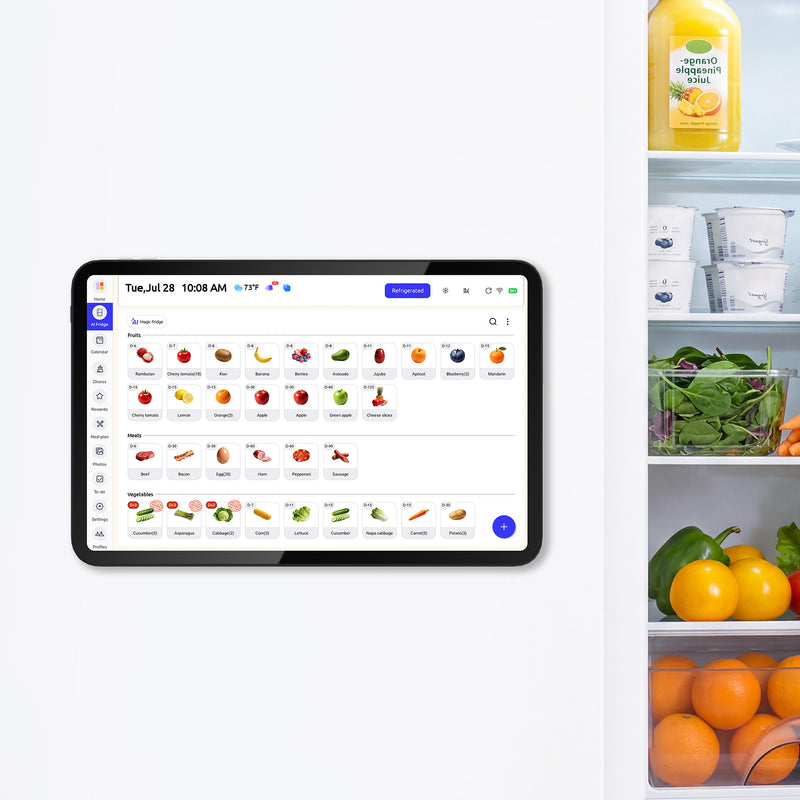
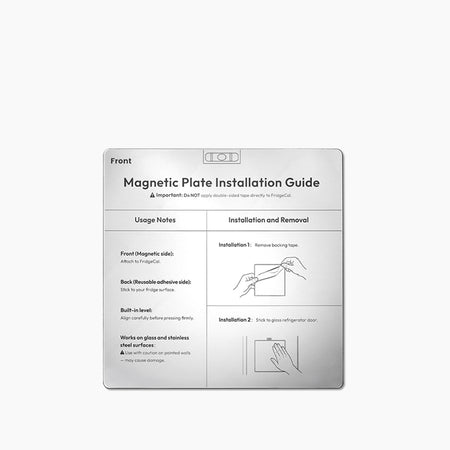
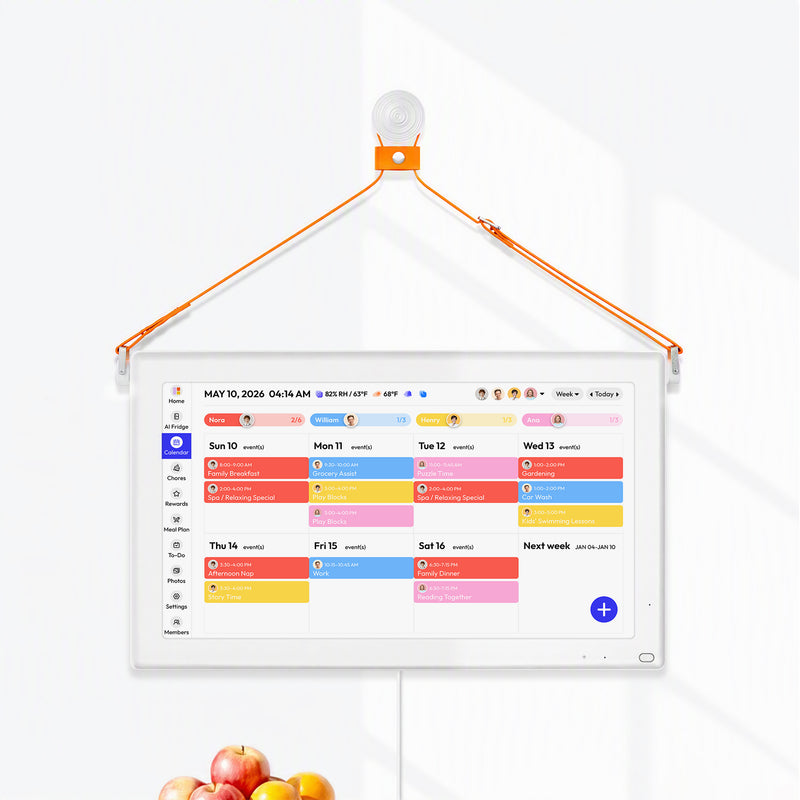
For families that prefer a shared kitchen display, the 13.4-inch FridgeCal for kitchen planning and food inventory can help organize meal plans, recorded ingredients, grocery lists, and household responsibilities.
It won't increase physical refrigerator capacity, measure food temperatures, or automatically guarantee safe storage. Those decisions still depend on the refrigerator, containers, and food-handling practices.
For households with limited refrigerator space, a small fridge organization guide can provide additional ideas for arranging everyday ingredients without interfering with the Thanksgiving storage plan.
Thanksgiving Fridge Organization FAQs
When should I clean out my refrigerator before Thanksgiving?
Start several days before the holiday. Measure the space, review opened food, plan meals that use suitable ingredients, and reserve room for the turkey and prepared dishes.
Where should I store a raw turkey in the refrigerator?
Keep it covered in a leakproof tray on a suitable lower shelf, away from ready-to-eat food. Follow the refrigerator-thawing instructions for its weight.
How much space should I reserve for Thanksgiving dishes?
There is no universal amount. Measure the roasting pan, casserole dishes, containers, and available shelf space, then reserve areas according to the order food will enter the refrigerator.
How do I organize a small refrigerator for Thanksgiving?
Prioritize the turkey and foods requiring refrigeration. Use suitable stackable containers, prepare meals in advance when safe, and coordinate guest contributions so several oversized dishes don't arrive unexpectedly.
Should I refrigerate all Thanksgiving side dishes?
Storage depends on the specific food and preparation method. Perishable cooked dishes should be refrigerated promptly. Follow food-specific storage guidance rather than assuming every side dish has the same requirements.


