


Thanksgiving dinner is over, but the refrigerator is still full. You have a few cups of turkey, a large container of mashed potatoes, some stuffing, and several side dishes. Your original plan was to serve turkey sandwiches the next day, but two family members have already left for the weekend. Now you need a meal plan that fits the food you actually have.
A useful Thanksgiving leftovers meal plan starts with portion sizes, not a fixed list of recipes. Decide which dishes should be eaten first, which ingredients can be combined into another meal, and which portions should be frozen before their recommended refrigerated storage window ends.
The goal isn't to turn every leftover into another complicated recipe. It's to use suitable food efficiently, avoid preparing more than your household can finish, and make the next few meals easier to organize.

Quick Answer
Start by separating and measuring your Thanksgiving leftovers. Use refrigerated leftovers within three to four days when they have been handled and stored properly, or freeze suitable portions sooner. Build the next four days of meals around the ingredients and quantities available, adjusting recipes when the number of diners changes.
You don't need to serve turkey at every meal. A small amount can add flavor and protein to quesadillas or soup, while larger quantities of potatoes and vegetables can become separate dishes.
What Should You Do With Thanksgiving Leftovers First?
Before choosing recipes, take a few minutes to organize the food. This makes it easier to see what can become another meal and what needs to be stored promptly.
Separate Turkey, Sides, Gravy, and Desserts
Don't put all the remaining food into one large container. Separate dishes according to how you plan to use them.
-
Remove turkey meat from the bones and divide it into meal-size portions.
-
Store stuffing separately from the turkey.
-
Keep mashed potatoes and vegetables in their own containers.
-
Store gravy and cranberry sauce separately.
-
Keep desserts covered and follow their individual storage requirements.
Separate containers make portioning easier. They also prevent you from repeatedly reheating a large quantity when you only need enough for one meal.
Record the Actual Portions You Have Left
A meal plan should reflect what remains, not what you originally cooked. A meal plan with grocery list helps you separate food already available from the few extra ingredients needed to turn it into another meal.
Use a simple leftover inventory before deciding on the next meals.
| Leftover | Illustrative Amount | Possible Use |
| Cooked turkey | 3 cups | Sandwiches, quesadillas, soup |
| Mashed potatoes | 5 cups | Potato patties, side dishes |
| Stuffing | 2 cups | First-day side |
| Roasted vegetables | 3 cups | Skillet, soup |
| Gravy | 1 cup | Sandwiches or a warm meal |
| Cranberry sauce | 1 cup | Sandwich condiment |
These are example quantities for planning, not standard amounts every household will have.
If you have only one cup of turkey, don't plan three turkey-based dinners. Save that portion for one meal or divide it among several smaller servings. If you have more mashed potatoes than the family can eat as a side dish, consider turning some into potato patties.
Refrigerate or Freeze Leftovers Promptly
Food safety determines how long your meal plan can extend.
The USDA recommends refrigerating leftovers at 40°F or below, or freezing them at 0°F. Perishable food should not remain at room temperature for more than two hours, or one hour when the surrounding temperature exceeds 90°F.
Divide large quantities into shallow containers so they cool more quickly. Use refrigerated leftovers within three to four days, or freeze suitable portions for longer storage.
Label each container with the food name and original preparation date. If you freeze it, add the freezing date separately. Moving food to another container does not restart its refrigerated storage period.

A 4-Day Thanksgiving Leftovers Meal Plan
The following plan uses a sample inventory of three cups of cooked turkey, five cups of mashed potatoes, two cups of stuffing, three cups of vegetables, one cup of gravy, and one cup of cranberry sauce.
This plan provides four light meals for four diners, rather than a complete four-day breakfast, lunch, and dinner menu. Divide the three cups of turkey between Days 1–3. Use one cup of roasted vegetables on Day 1 and the remaining two cups on Day 2. Day 4 uses fresh vegetables or a separately reserved frozen portion, so the same leftovers are not counted twice.
Use two cups of mashed potatoes on Day 1, one cup in the Day 2 skillet, and half a cup in the Day 4 soup. Freeze the remaining one and a half cups promptly if they will not be eaten within the recommended storage period. Likewise, serve the stuffing and remaining gravy with an earlier meal or freeze suitable portions rather than leaving them unassigned.
Day 1: Turkey Sandwiches and Mashed Potato Patties
Best for: Using a small portion of turkey and a generous amount of mashed potatoes.
Ingredients for four servings:
-
1 cup cooked turkey, shredded or sliced
-
8 slices of sandwich bread or 4 rolls
-
4 tablespoons cranberry sauce
-
2 cups leftover mashed potatoes
-
1 egg
-
2 tablespoons all-purpose flour, plus more if needed
-
1–2 tablespoons cooking oil
-
1 cup leftover roasted vegetables, if available
Preparation:
-
Divide the turkey among four sandwiches.
-
Spread a small amount of cranberry sauce on each sandwich.
-
Mix the mashed potatoes with the egg and flour.
-
Shape the mixture into small patties.
-
Heat a skillet with a little oil over medium heat. Cook the patties on both sides until browned and their centers reach 165°F on a food thermometer. Reduce the heat if the outside browns before the center is hot.
-
Serve with the one cup of roasted vegetables allocated to Day 1.
The potato mixture may need more or less flour depending on its moisture. Add a small amount at a time until it holds together.
Check the seasoning of the mashed potatoes before adding the egg and flour. Do not taste the uncooked patty mixture.
If you have less turkey: Make smaller open-faced sandwiches or serve the turkey as a shared filling alongside the potato patties. Don't purchase additional turkey just to follow the sample recipe.
Day 2: Turkey and Vegetable Skillet
Best for: Using vegetables and a small amount of remaining gravy.
Ingredients for four servings:
-
1 cup cooked turkey, chopped
-
2 cups leftover roasted vegetables
-
1 cup leftover mashed potatoes, stirred in to bind the skillet mixture
-
¼ cup gravy
-
1 tablespoon cooking oil, if needed
-
Black pepper and dried herbs to taste
Preparation:
-
Cut the vegetables into similar-sized pieces.
-
Heat the skillet and add the oil if the vegetables need it.
-
Add the vegetables and cook until hot.
-
Stir in the turkey.
-
Add the gravy and mix until everything is evenly coated.
-
Stir in the mashed potatoes, adding a little broth or water if the mixture is too thick. Heat the mixture to 165°F throughout, checking several places with a food thermometer before serving.
The gravy is used as a small amount of sauce rather than as the main liquid. If the mixture becomes too thick, add a little suitable broth or water.
If your family has fewer diners on Day 2, prepare only the quantity needed. Freeze the remaining suitable portions promptly rather than leaving them in the refrigerator until the end of the week.
Day 3: Turkey and Cranberry Quesadillas
Best for: Stretching a small amount of turkey into a different meal.
Ingredients for four servings:
-
1 cup cooked turkey, shredded
-
4 medium flour tortillas
-
1 cup shredded cheese
-
¼ cup cranberry sauce
-
1 cup freshly cooked vegetables or drained cooked beans, optional
-
Cooking oil as needed
Preparation:
-
Divide the turkey and cheese among the tortillas.
-
Add a small amount of vegetables if they work with the filling.
-
Fold each tortilla in half.
-
Cook in a lightly oiled skillet until the tortilla is crisp and the filling reaches 165°F, checking the center with a food thermometer.
-
Cut into wedges and serve with cranberry sauce on the side.
Cranberry sauce works best as a small accompaniment. Too much can make the filling wet.
If there isn't enough turkey for four portions, add another suitable filling, such as cooked beans, rather than increasing the turkey quantity on your shopping list.
Day 4: Vegetable and Bean Soup or a Previously Frozen Meal
Best for: Making a light meal without assuming that turkey remains after Days 1–3.
In this example, the three cups of turkey have already been used. Make vegetable soup with fresh ingredients, or serve a meal-size portion that you froze earlier. Add turkey only if you have an additional portion beyond the sample inventory.
Ingredients for four light servings:
-
2 cups freshly chopped vegetables, such as carrots, celery, and zucchini
-
4 cups broth
-
½ cup leftover mashed potatoes, still within their safe refrigerated storage period
-
1 can (15 ounces) cooked beans, drained and rinsed
-
½ teaspoon dried herbs
-
Black pepper to taste
Preparation:
-
Bring the broth to a boil, then add the fresh vegetables.
-
Reduce the heat and simmer until the vegetables are tender.
-
Stir in the beans, mashed potatoes, and herbs.
-
Bring the soup back to a boil, stirring so it heats evenly.
-
Check that the reheated leftovers reach 165°F throughout before serving.
If you have a separately frozen turkey portion, thaw it safely in the refrigerator before adding it, then heat the soup thoroughly. Refer to the USDA’s safe reheating guidance.
Count storage time from the original Thanksgiving preparation, not from the day you write the meal plan. Day 1 here means the day after Thanksgiving. Day 4 is not an automatic extra storage day: use individual preparation dates and storage history, and choose a previously frozen meal or fresh ingredients if needed.
How to Adjust the Menu When Your Leftovers Change
A fixed recipe can become inconvenient when the amount of food or the number of diners changes. Use the following substitutions to keep the plan flexible.
When You Have More Potatoes Than Turkey
Mashed potatoes can serve as the main ingredient in several dishes.
Try:
-
Potato patties with eggs.
-
Breakfast hash with suitable vegetables.
-
A small casserole topping.
-
Mashed potatoes as a side for soup.
Don't add more turkey simply because a recipe originally included it. The purpose of a leftover meal is to use what you already have.
When You Have Only Small Portions of Turkey
A small amount of meat can still contribute flavor and protein.
Use it in quesadillas, sandwiches, soup, rice bowls, or vegetable skillets. If a recipe calls for two cups but you only have half a cup, adjust the number of servings or use another suitable ingredient.
The best leftover Thanksgiving meal is one that fits your available food, not one that requires you to buy more ingredients to reproduce a recipe exactly.
When Fewer Family Members Are Eating
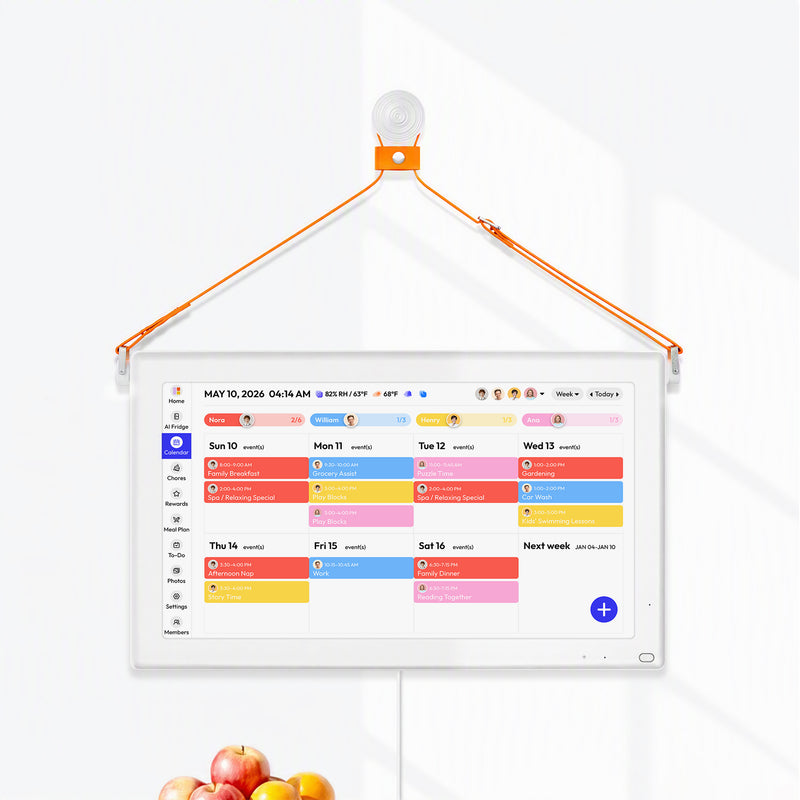
Use a family meal planner based on your weekly schedule to check who will actually be home before assigning portions. If Saturday’s diners drop from four to two, prepare half the planned quantity and freeze suitable unneeded portions promptly. If a meal moves to a later date, check the food’s storage window before moving it with the schedule.
| Diners | Practical Adjustment |
| 2 people | Make half-size recipes and freeze suitable excess portions |
| 4 people | Use the example quantities as a starting point |
| 6 people | Increase sides and other available ingredients based on appetite |
| 8 people | Divide the available portions before selecting recipes |
These are planning approaches, not guaranteed serving sizes. Actual needs depend on appetite, the number of dishes served, and whether the meal is a main course or a light lunch.

What Thanksgiving Leftovers Should You Freeze First?
Freeze food that you cannot reasonably use within its recommended refrigerated storage period.
Freeze Suitable Food in Meal-Size Portions
Large containers are inconvenient when you only need one or two servings.
Divide suitable leftovers into smaller containers. A two-cup container of turkey, for example, may be easier to use for one future soup or casserole than a large family-size container.
Choose freezer-safe packaging and leave appropriate space for foods that expand. Follow the container manufacturer's instructions.
Label Containers Clearly
Use a label that includes:
-
Food name.
-
Original preparation date and, if frozen, freezing date.
-
Portion size.
-
Intended meal, if known.
This reduces guesswork when you later plan dinner.
Check Whether the Food Is Suitable for Freezing
Not all Thanksgiving dishes retain the same texture after freezing. Some creamy sauces and vegetables may change consistency when thawed.
Follow recipe-specific storage guidance. If you're unsure whether a particular dish is suitable for freezing, don't assume it will retain its original quality.
The FoodSafety.gov cold food storage chart provides storage guidance for different food categories.
How a Family Meal Planner Helps Organize Leftovers
Leftovers are easier to use when everyone knows what is available and when it is planned for.
For example, if one person plans to use the last cup of turkey for soup, another family member can see that it has already been assigned.
A meal planner calendar can make the four-day sequence easier to follow, especially when several people share cooking responsibilities. The plan should remain flexible, though. If a family member changes their schedule, update the meal assignment instead of keeping food in the refrigerator longer than recommended.
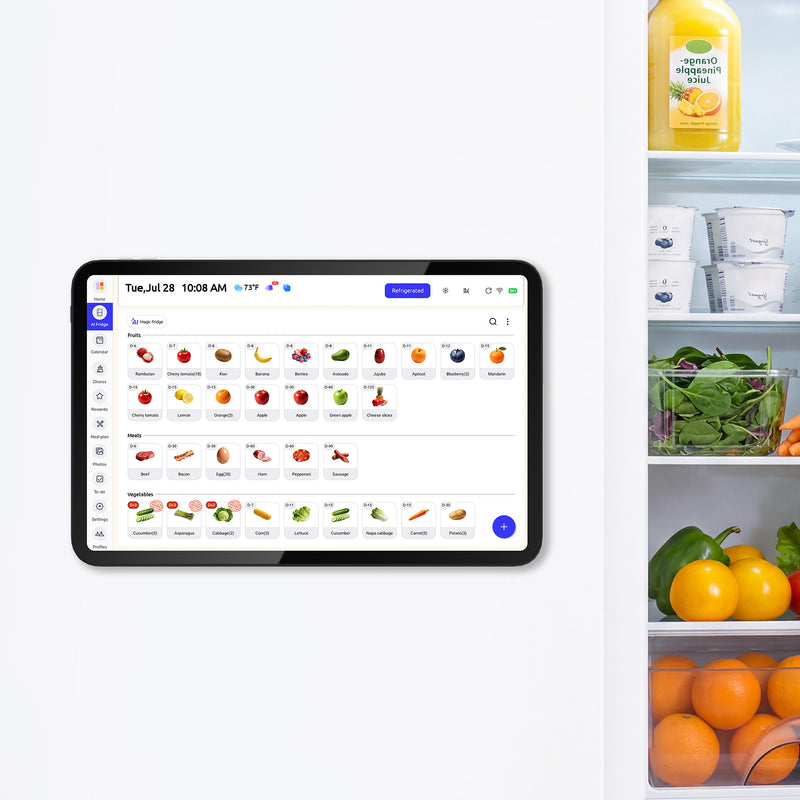
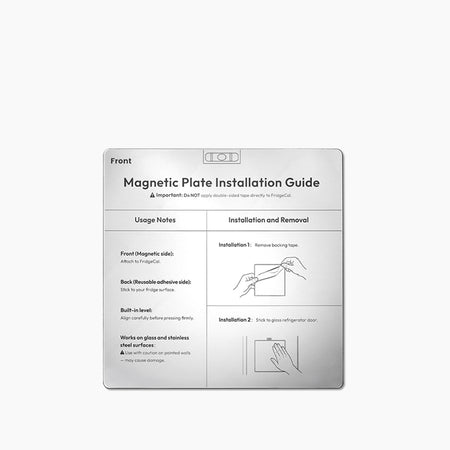
For families that want a shared kitchen display, the 13.4-inch FridgeCal for meal planning and food inventory provides a place to organize meal plans, grocery lists, and recorded food information.
For this four-day plan, use your household planning system to make three decisions visible: which meal is next, who is preparing it, and which ingredients are reserved. Keep preparation dates on the containers themselves. When someone uses a reserved portion, update the plan so another family member does not count on food that is no longer available.
An AI recipe generator can also offer meal inspiration from available ingredients. Treat those suggestions as ideas, not as food-safety advice or proof that a particular leftover is still safe to eat.
Thanksgiving Leftovers FAQs
How long can Thanksgiving leftovers stay in the refrigerator?
USDA guidance recommends using refrigerated leftovers within three to four days when they have been handled and stored properly at 40°F or below. Freeze suitable portions if you won't use them within that period.
Can you freeze leftover turkey and mashed potatoes?
Suitable portions can be frozen, although texture may change after thawing. Use appropriate containers, label the food, and follow safe thawing and reheating guidance.
What can you make with a small amount of leftover turkey?
Use small portions in quesadillas, sandwiches, soup, rice bowls, or vegetable skillets. These meals allow you to spread a limited quantity across several servings.
How should Thanksgiving leftovers be reheated?
Reheat leftovers to 165°F throughout. Use a food thermometer rather than relying only on appearance or steam.
What if my family cannot finish the leftovers in four days?
Freeze suitable food before the recommended refrigerated storage period ends. Discard food that has been left out too long or stored under unsafe conditions.


