






Monday evening hits, everyone's hungry, and the fridge looks like a collection of good intentions instead of dinner. There's spinach in one drawer, half a carton of oat milk on the shelf, maybe a sweet potato rolling around in the back, and somehow none of it feels like a plan. That's the moment when switching your household to vegan eating can feel less inspiring and more like logistics.
The good news is that a workable vegan meal plan grocery list doesn't come from locking yourself into one rigid menu. The most useful vegan grocery guides group shopping around repeatable staples like fruit, vegetables, legumes, whole grains, dairy alternatives, herbs and spices, and pantry basics, rather than a single fixed weekly menu, which makes planning easier across different budgets and store types according to this category-based vegan grocery guide. That's why flexible systems work better for families than one-off meal plans.
If you're trying to make vegan eating stick, build around categories first and recipes second. That gives you more room for school nights, picky phases, leftovers, and the random schedule changes every parent knows too well.
If you want a broader starting point for meals themselves, this plant based diet meal plan can help you think through how the grocery list turns into actual breakfasts, lunches, and dinners.
1. Legumes & Pulses
If I had to pick one category that keeps a vegan household fed on busy weeks, it's beans and lentils. They do more work than almost any other food in the cart. They're dependable, flexible, and easy to turn into meals that feel substantial instead of snacky.
A budget-focused vegan shopping guide recommends starting with practical staples like firm tofu, tinned beans and legumes, brown rice, whole wheat bread, potatoes, and peanut butter, while another list builds its protein section around lentils, chickpeas, black beans, tofu, tempeh, edamame, nuts, and seeds in this budget vegan grocery framework. That nutrient-function approach matters because it shifts shopping from “What recipe am I making?” to “What protein base do I have ready?”
What earns a permanent spot
Black beans work for tacos, chili, burrito bowls, and soup. Chickpeas become hummus, curry, sheet-pan dinners, or quick roasted snacks. Lentils are especially useful when you need dinner fast, because red lentils cook down quickly for dal, soups, and simple pasta sauces.
Kidney beans are worth keeping around too. They're not glamorous, but they make a pot of chili feel like a real meal and stretch leftovers well.
- Keep both dried and canned: Dried beans save money over time and canned beans save dinner when the day falls apart.
- Batch cook on purpose: Make a pot of lentils or beans on the weekend, then freeze meal-size portions.
- Match texture to the meal: Lentils for soft, saucy dishes. Black beans for bowls and tacos. Chickpeas for firmer salads and roasting.
Practical rule: Don't stock every bean. Pick three your family already likes and use them repeatedly.
What works in real kitchens
A pantry full of dried beans sounds great until nobody has time to soak or simmer them on a Wednesday. That's why the best setup is mixed. Keep dried staples for planned cooking and canned versions for backup.
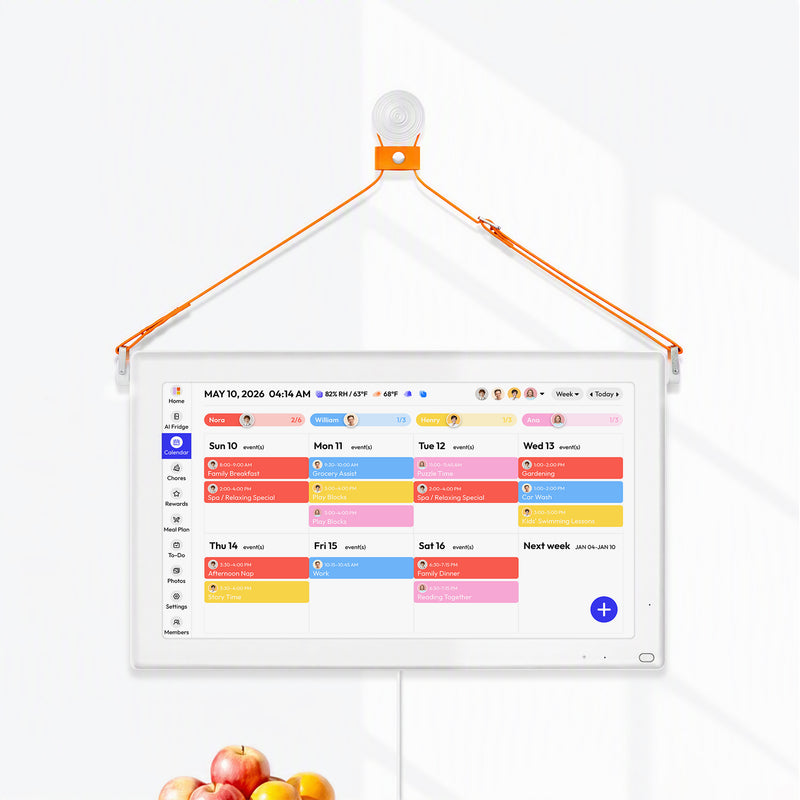
For family organization, it helps to assign recurring prep instead of relying on memory. A shared planner like the Everblog meal planner and grocery list app can be useful for setting a “cook beans” routine and tying that prep directly to the week's meals.
The biggest mistake here is buying legumes with no intended use. Beans are cheap, but forgotten food is still wasted food. If you know chickpeas are for wraps, lentils are for soup, and black beans are for taco night, they stop being pantry clutter and start being dinner insurance.
2. Whole Grains & Starches
Beans need a partner, and grains usually do that job. This is the part of a vegan meal plan grocery list that makes meals filling, especially for kids who seem hungry again an hour after dinner.
Multiple vegan grocery guides converge on a whole-food structure centered on legumes, grains, produce, nuts, seeds, and tofu or tempeh, with reusable staples like beans, lentils, oats, rice, pasta, and frozen vegetables carrying most weekly meals in this whole-food vegan inventory approach. That's why grains aren't just side dishes. They're infrastructure.

The grains that pull their weight
Oats handle breakfast, snacks, and baking. Brown rice works with stir-fries, curry, burrito bowls, and leftover vegetables. Pasta is the rescue option for nights when everyone is tired and you need a meal with almost no resistance.
Potatoes also deserve more respect in vegan planning. They're affordable, filling, and easy to pair with beans, tofu, or frozen vegetables. A baked potato bar with toppings can save a hectic evening.
Better strategy than buying random grains
A lot of families buy quinoa, farro, couscous, millet, and three kinds of rice in one ambitious trip, then barely use any of them. That usually creates clutter, not flexibility.
Try a smaller rotation:
- Use one breakfast grain: Oats.
- Use two dinner bases: Brown rice and pasta.
- Use one flexible extra: Potatoes or quinoa, depending on what your family eats.
Cook grains in larger batches when you can. Cold rice turns into fried rice, leftover quinoa becomes lunch bowls, and extra oats can become overnight oats without another trip to the store.
The trade-off is shelf life versus convenience. Dry grains store well, but cooked grains save time. Families who do best with vegan meal planning usually keep both systems going at once. Pantry for security, fridge for speed.
3. Vegetables Fresh and Frozen
Vegetables are where good intentions often go to die. Parents buy a beautiful pile of produce on Sunday, then by Thursday the spinach is limp, the zucchini is soft, and dinner becomes toast.
That's why this category has to include both fresh and frozen. For major-market grocery planning, plant-based options are broadly distributed across produce, dairy-alternative, bakery, frozen, and pantry aisles, and an aisle-based workflow tends to be more efficient than shopping recipe by recipe, according to this aisle-based vegan shopping guide. It also notes that label reading still matters because some breads and packaged foods contain egg or dairy.

Split your vegetables into jobs
Fresh vegetables are best for salads, snack trays, sandwiches, and the meals where texture matters. Frozen vegetables are best for stir-fries, soups, pasta, curries, and nights when chopping feels impossible.
A practical household mix often looks like this:
- Fresh staples: Spinach, carrots, bell peppers, cucumbers, tomatoes, onions.
- Frozen backups: Peas, corn, chopped spinach, broccoli, mixed stir-fry vegetables.
- Longer-keeping options: Cabbage, sweet potatoes, cauliflower, celery.
What actually reduces waste
Don't buy vegetables just because they seem healthy. Buy them because you know where they belong. Spinach for smoothies and pasta. Carrots for lunchboxes and soup. Frozen peas for fried rice. Broccoli for sheet-pan dinners.
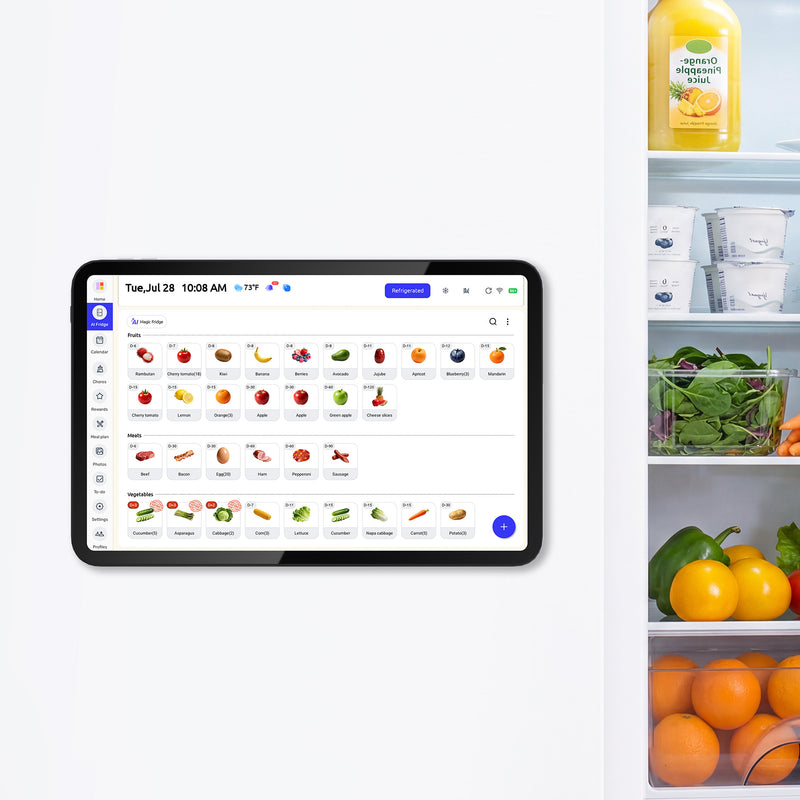
One useful home habit is organizing your fridge so the most perishable vegetables stay visible instead of disappearing into drawers. These fridge organization ideas line up well with that goal, especially when you're trying to use produce before it gets buried.
Most families need “emergency vegetables” more than aspirational vegetables.
That usually means keeping two or three freezer staples that can join almost any meal. Frozen peas, chopped spinach, and a mixed vegetable blend cover a surprising number of dinners. They aren't exciting, but they keep meals balanced when fresh produce runs low.
4. Plant-Based Proteins Beyond Legumes
Legumes handle the foundation. Tofu, tempeh, seeds, and the occasional meat alternative handle variety. This category matters most when a family is transitioning and wants meals to feel familiar instead of restrictive.

Firm tofu is one of the most useful proteins to keep on hand because it can go in scrambles, stir-fries, noodle bowls, wraps, and baked sheet-pan meals. Tempeh has a stronger flavor and firmer bite, so it tends to work better for older kids and adults who like nuttier, heartier textures. Nuts and seeds aren't usually the center of dinner, but they make breakfasts and snacks more satisfying and can rescue a light meal.
Familiarity matters more than novelty
A common mistake is buying a fridge full of vegan substitutes all at once. Some are helpful. Too many can get expensive fast and leave you with products nobody wants to eat twice.
A steadier approach works better:
- Use tofu as the default: It's flexible and easy to season.
- Add tempeh gradually: Great in crumbles, sandwiches, and grain bowls.
- Keep nuts and seeds visible: Hemp seeds, chia seeds, pumpkin seeds, and peanut butter are easy ways to add staying power.
- Treat meat alternatives as a bridge: Useful for burger night, pasta sauce, or a fast dinner, but not necessary for every meal.
Texture decides success
Most tofu complaints are texture complaints. Pressing it, seasoning it well, and using the right cooking method fixes a lot. Cubed baked tofu gives a firmer bite. Crumbled tofu works better for taco filling or scramble. Pan-seared tofu is useful when you need speed.
If you regularly use half a block at a time, proper storage matters. This guide on how to store open tofu is practical for families who don't always finish a package in one meal.
For a quick cooking visual, this kind of tofu prep can help:
What usually works best with kids is repetition. Same protein, different sauce. Tofu in teriyaki bowls one night, taco crumbles another night, crispy cubes with pasta later in the week. New ingredient fatigue is real. Familiar formats reduce it.
5. Fruits Fresh Frozen and Dried
Fruit is one of the easiest wins in a vegan household because it covers snacks, breakfast, lunchbox add-ins, and simple desserts without much effort. But it's also easy to overbuy, especially when everything looks good at the store.
The most manageable setup is to give each type of fruit a role. Fresh fruit is for grab-and-go eating. Frozen fruit is for smoothies, oatmeal, and quick desserts. Dried fruit is for portability and pantry backup.
Build a fruit rotation your family can finish
Bananas are useful because they move across the whole week. They work in smoothies, oatmeal, toast, and baking when they start to go soft. Apples tend to store well and travel well, which makes them a reliable school-week staple.
Berries are where planning matters. Fresh berries are nice, but they're also one of the fastest ways to waste money if nobody eats them in time. Frozen berries are often the safer default for smoothies, yogurt bowls, and oatmeal.
- Pick a few dependable basics: Apples, bananas, and one seasonal fruit cover a lot.
- Use frozen fruit on purpose: Mango and berries make fast breakfasts easier.
- Keep dried fruit for backup: Dates, raisins, or dried cranberries help when fresh fruit runs out.
Don't let fruit become decoration
The best fruit is the fruit that gets eaten. Wash grapes, slice melon, or portion berries soon after shopping if your family tends to ignore whole produce until it's too late.
One easy trick is placing the most ready-to-eat fruit at eye level and putting the “needs prep” fruit somewhere visible enough that you won't forget it. That matters more than having a big variety.
If your family always eats apples and bananas, start there. A realistic fruit drawer beats an aspirational one.
For a simple treat idea that still fits a fruit-first approach, something like wild berry sorbet can also help parents show kids that fruit doesn't have to mean boring.
6. Healthy Fats & Oils
A vegan meal plan grocery list that's too lean often leaves people hungry, even when they've eaten a decent volume of food. Healthy fats fix that. They help meals feel complete, support cooking, and make plant-based food more satisfying for adults and kids.
This category doesn't need to be fancy. In practice, most households do well with a short list they regularly use: olive oil, one neutral or higher-heat oil, peanut butter, a few nuts, a few seeds, and avocados when they fit the budget.
Keep fats useful, not excessive
Olive oil works well for dressings, drizzling, and gentle cooking. Nut butters are one of the easiest ways to make breakfast or snacks more filling. Tahini can turn a basic grain-and-vegetable bowl into lunch that feels intentional.
Seeds pull more weight than people expect. Chia and flax can go into oatmeal or smoothies. Pumpkin and sunflower seeds add crunch to salads or lunchboxes. Hemp seeds disappear into a lot of meals without changing the flavor too much.
- Choose fats that fit your meals: Peanut butter if your family eats toast and smoothies. Tahini if you make bowls and dressings. Olive oil if you cook often.
- Store vulnerable items well: Nuts and seeds keep better when protected from heat and light.
- Use calorie-dense foods strategically: Add them where they improve staying power, not just because they're healthy.
Budget trade-offs matter here
This is one of the categories where costs can swing quickly. Avocados, specialty nut butters, and some oils can push up the grocery bill without solving a practical problem. If your budget is tight, peanut butter, sunflower seeds, and olive oil often do more day-to-day work than trendier items.
If you want a simple ingredient explainer around one common staple, this overview of understanding vegan olive oil options is straightforward.
The main goal isn't to collect every “healthy fat” food. It's to keep a few reliable options available so meals don't feel dry, flat, or incomplete.
7. Fortified Plant-Based Alternatives and Condiments
This category makes vegan eating easier because it smooths the transition. Familiar products like plant milk, yogurt alternatives, and condiments help families keep breakfast, lunch, and snacks recognizable while the rest of the kitchen shifts.
It also helps fill practical gaps. Plant-based milks, yogurts, fortified cereals, and nutritional yeast can all play a role depending on what your family already eats regularly.
Prioritize utility first
Start with the items that solve recurring meal problems. If mornings are rushed, plant milk matters because cereal, oatmeal, smoothies, and coffee all depend on it. If sandwiches are common, vegan mayo or a favorite spread matters more than a specialty cheese substitute that only gets used once.
Nutritional yeast deserves a permanent spot in many vegan kitchens because it adds savory depth to pasta, popcorn, sauces, and roasted vegetables. Soy sauce, tamari, and a few creamy condiments also make plant-based meals feel less repetitive.
Read labels with a purpose
Not every plant milk or yogurt serves the same job. Some taste better for drinking, some hold up better in cooking, and some work better in smoothies. Families usually waste less when they stop buying one product to do every job.
A few examples:
- Soy milk: Often a practical choice when you want a richer, more substantial option.
- Oat milk: Usually easy for kids to accept and useful in cereal or coffee.
- Shelf-stable cartons: Helpful when shopping trips are less frequent.
- Nutritional yeast: A fast way to add savory flavor without much prep.
The trap here is overcommitting to niche substitutes. You don't need vegan sour cream, vegan cream cheese, vegan shredded cheese, vegan slices, and vegan dip all in the same week unless your family uses them. Pick the condiments that make your regular meals easier, not the ones that just make the cart look fully converted.
8. Spices Herbs and Flavor Builders
A lot of parents worry that vegan dinners will feel repetitive. Usually that isn't a protein problem. It's a seasoning problem. The same rice, beans, tofu, and vegetables can become very different meals depending on the flavor base.
Garlic, onions, ginger, tamari, miso, curry powder, cumin, chili powder, smoked paprika, oregano, basil, and black pepper can carry a huge amount of your weekly cooking. You don't need a giant spice collection. You need a usable one.
Build around cuisines your family already likes
If taco night already works in your house, keep cumin, chili powder, smoked paprika, and garlic powder in stock. If everyone likes pasta, oregano, basil, red pepper flakes, and nutritional yeast will get used. If stir-fries show up often, ginger, garlic, soy sauce or tamari, and sesame-friendly toppings matter more than random spice blends.
That kind of targeted buying keeps the pantry useful. It also helps kids connect flavor with familiarity, which is often what makes plant-based meals feel acceptable instead of “different.”
Good vegan cooking usually isn't about replacing meat. It's about building stronger flavor from the start.
The best flavor builders aren't always spices
Onions, garlic, scallions, lemon, lime, tomato paste, tamari, mustard, and miso do a lot of heavy lifting. Fresh herbs can be great, but dried herbs are usually more realistic for everyday planning because they store longer and don't demand immediate use.
A smart starter set might include:
- Savory basics: Garlic powder, onion powder, black pepper, oregano.
- Warm spices: Cumin, smoked paprika, curry powder, turmeric.
- Umami support: Tamari or soy sauce, nutritional yeast, miso.
- Fresh boosters: Garlic, onions, ginger, lemons or limes when needed.
The biggest mistake is buying spices with no meal pattern behind them. Build from your repeat dinners first. Add more only when your current set is getting regular use.
8-Category Vegan Grocery Comparison
| Category | Implementation Complexity 🔄 | Resource Requirements ⚡ | Expected Outcomes ⭐📊 | Ideal Use Cases 💡 | Key Advantages ⭐ |
|---|---|---|---|---|---|
| Legumes & Pulses | Moderate 🔄🔄 (soak/cook or pressure-cook) | Low cost; pantry storage; pressure cooker reduces time ⚡ | High protein & fiber; filling and cost-effective ⭐⭐⭐📊 | Batch-cooking, soups, tacos, weekly meal prep 💡 | Affordable protein; long shelf life; highly versatile ⭐ |
| Whole Grains & Starches | Moderate 🔄🔄 (some grains long-cooking) | Low–medium cost; rice cooker helpful; pantry storage ⚡ | Sustained energy; complements legumes for complete meals ⭐⭐📊 | Bowls, stir-fries, breakfasts, bulk prep 💡 | Sustained energy; complementary proteins; bulk-friendly ⭐ |
| Vegetables (Fresh & Frozen) | Low–Moderate 🔄 (minimal prep; fresh needs chopping) | Variable cost; fresh requires frequent shopping; freezer backup ⚡ | High micronutrients and volume; reduces waste with frozen options ⭐⭐⭐📊 | Sides, stir-fries, salads, smoothies 💡 | Nutrient-dense; variety prevents meal fatigue; kid-friendly ⭐ |
| Plant-Based Proteins (Beyond Legumes) | Moderate 🔄🔄 (pressing, marinating, seasoning) | Medium cost; variable shelf life; some ultra-processed choices ⚡ | High protein; familiar textures aid transition; satisfying portions ⭐⭐⭐📊 | Quick weeknight meals, "protein variety" nights, picky eaters 💡 | Texture variety; quick-cook options; concentrated protein ⭐ |
| Fruits (Fresh, Frozen & Dried) | Low 🔄 (minimal prep; frozen/dried ready-to-use) | Low–medium cost; seasonal variability; freezer/dry storage ⚡ | Vitamins, antioxidants, natural sweetness; kid-friendly snacks ⭐⭐📊 | Smoothies, snacks, breakfasts, baking 💡 | Natural sweetness; portable; year-round (frozen/dried) options ⭐ |
| Healthy Fats & Oils | Low 🔄 (simple use; portion control advised) | Medium cost; bulk/freezer for nuts; oils vary by use ⚡ | Provides essential fatty acids; aids nutrient absorption & growth ⭐⭐⭐📊 | Dressings, cooking fats, snacks, toddler meals 💡 | Calorie-dense; supports brain development; versatile in cooking ⭐ |
| Fortified Plant-Based Alternatives & Condiments | Low 🔄 (label-checking & selection) | Medium–high cost; shelf-stable versions available; label vigilance ⚡ | Bridges B12/Ca/D and iron gaps; supports nutritional completeness ⭐⭐⭐📊 | Transitioning families, breakfasts, fortified meals 💡 | Ensures fortification; familiar textures; convenient for families ⭐ |
| Spices, Herbs & Flavor Builders | Low–Moderate 🔄 (skill to balance flavors) | Low cost; long shelf life; small storage footprint ⚡ | Greater meal acceptance; reduces reliance on processed foods ⭐⭐📊 | Cuisine nights, flavoring staples, engaging children in meals 💡 | Dramatically improves satisfaction; economical; enables cuisine variety ⭐ |
Your Action Plan Bringing It All Together
A lasting vegan grocery system doesn't come from finding the perfect one-week menu. It comes from building a repeatable shopping structure your family can keep using when life gets busy. That's the true value of a category-based vegan meal plan grocery list. It gives you a framework that survives schedule changes, picky phases, leftovers, and the nights when nobody wants the original plan.
Start with a master list built around the eight categories above. Keep it simple. Legumes and pulses. Whole grains and starches. Vegetables. Additional plant proteins. Fruits. Healthy fats. Fortified alternatives and condiments. Spices and flavor builders. Under each category, list the specific items your household uses, not the items you think you should use.
One planning gap in a lot of vegan grocery advice is pantry overlap. Many lists are long starter lists, but only a few explicitly recommend doing a pantry scan and crossing off staples you already have before shopping, as highlighted in this vegan meal plan with a pantry-scan workflow. That small habit matters. If you already have oats, rice, or lentils, rebuying them out of habit doesn't help the week run better.
The second step is to organize your master list by store section instead of by recipe. Produce. Frozen. Pantry. Dairy alternatives. Bakery. Canned goods. That matches how most stores are laid out and makes shopping faster. It also lowers the odds that you'll forget a staple because it wasn't tied to a specific dinner.
Budget awareness matters too. Many articles say “cheap” or “budget” without showing what that means in a real basket. One piece of recent content gets more specific by showing a 7-day vegan plan built around a roughly $49.50 grocery basket with ingredient-level cost allocation. You don't need to copy that exact setup, but the lesson is useful: cost-aware planning works better when you look at repeat staples, store brands, frozen produce, canned legumes, and bulk grains instead of treating every week like a fresh start.
Then make the system visible. A digital shared list works well because grocery planning is rarely a one-person job in a busy household. If one parent notices you're low on oats and another sees that the tofu is already spoken for in tomorrow's stir-fry, the list should reflect that without extra texting or sticky notes. Everblog is one option that fits this kind of workflow because it includes a Meal Planner and collaborative Grocery List in the same household system.
The best vegan meal plan grocery list is the one your family can repeat with minor adjustments. Not perfect. Not trendy. Just organized enough to make dinner easier tomorrow than it was today.
If you want one shared place for meals, grocery planning, chores, and household routines, Everblog can help turn your vegan grocery list into a reusable family system instead of a weekly reset.


