

You're probably reading this while juggling three things at once. A child is half-dressed, someone can't find shoes, a backpack still isn't packed, and the same reminders you gave yesterday are somehow brand new again today.
That's where a visual schedule for ADHD stops being a cute printable and starts becoming useful. When a routine is visible, repeatable, and easy to update, it takes some of the load off your child and off you. It turns “I already told you” into “let's check what comes next.”
The families who get the most out of visual schedules usually don't treat them like a one-time craft project. They treat them like a living system. It may start with paper on the fridge. Later it might become a shared board, a tablet routine, or a family command center that multiple people can follow.
Why Visual Schedules Are a Game Changer for ADHD Brains
A lot of parenting advice assumes that if you say the steps often enough, a child will eventually hold them in mind and follow through. That's not how many ADHD brains work, especially during rushed transitions like getting ready for school, starting homework, or moving into bedtime.
A visual schedule helps because it makes the routine concrete. Instead of keeping a string of steps in working memory, your child can see the sequence in front of them. “Get dressed, brush teeth, eat breakfast, pack bag” stops being a verbal blur and becomes a visible path.
The need is widespread. The CDC estimates that 7 million children ages 3 to 17, or 11.4%, had ever been diagnosed with ADHD, and nearly 78% had at least one co-occurring condition based on 2022 data, which helps explain why structure can support more than attention alone. Anxiety, behavior challenges, and daily friction often show up alongside ADHD, so a routine tool that reduces uncertainty can matter a lot in ordinary family life (CDC ADHD data).
They reduce invisible demands
Many children with ADHD aren't refusing a routine because they don't care. They're getting stuck in the hidden steps: starting, shifting, remembering, and sequencing. A schedule gives those hidden steps a place to live outside the brain.
If you're also trying to understand how external supports help improve focus and working memory, that's a useful companion read. It connects well with what parents see every day. A child may know the routine, but still lose the thread in the moment.
Practical rule: If your child only completes a routine when an adult narrates every next step, the routine isn't independent yet. It still lives in your head instead of theirs.
That's why visual schedules often lower conflict. You stop being the walking reminder system. The schedule becomes the reference point.
They create calm through predictability
Predictability matters even more when a child is prone to overwhelm. A clear sequence can reduce the stress of not knowing what's next. That doesn't mean every day must be rigid. It means the child can see the shape of the routine.
For many families, that alone changes the tone of the house. Fewer repeated prompts. Less arguing over what happens first. More room for the child to participate instead of react.
If your home routines feel scattered, these ADHD-friendly family organization tools can help you think bigger than a single chart and build a system your whole household can use.
Building Your First Visual Schedule From Scratch
The first schedule should be boringly manageable. Not beautiful. Not exhaustive. Manageable.
Expert guidance is consistent on this point. Choose one routine, represent it with clear visuals or simple words, place it in a highly visible location, and review it at each transition. It also warns against common failure points like overloading the schedule and forgetting to revise it when routines change (OT implementation guidance).
Pick one routine with a clear start and finish
Start with the routine that creates the most friction and happens often enough to practice. Good first choices usually include:
- Morning launch: Getting out of bed through walking out the door.
- After-school reset: Snack, unpack bag, homework start, downtime.
- Bedtime: Pajamas, bathroom, backpack prep, lights out.
Skip the all-day master schedule at first. It looks helpful, but it usually asks too much from a child who is just learning how to use the tool.

Match the visual to the child
A five-year-old may need actual photos of their own toothbrush, shoes, and lunchbox. An older child may do fine with icons or short phrases. A teen may prefer a checklist that doesn't look babyish.
Use the least amount of information needed for success. If a picture alone works, don't add extra words. If a word is enough, don't clutter the card.
Here's a simple way to build it:
- List the steps in the order they take place.
- Cut any vague item like “get ready” into concrete actions.
- Choose the format your child will notice and tolerate.
- Put it where the routine happens, not where it looks tidy.
- Walk through it together for several days before expecting independence.
The best-looking schedule in the wrong location will lose to a plain checklist placed exactly where the child needs it.
Choose a format you can maintain
Parents often ask whether they need a fancy board. Usually, no. Start with what you'll keep using.
| Format | Works well for | Watch out for |
|---|---|---|
| Laminated cards with Velcro | Young children who benefit from moving finished tasks | Cards get lost if the setup is too portable |
| Magnetic whiteboard | Families who want to edit steps often | Too much writing can make it visually noisy |
| Printed checklist in a frame | Older kids who like crossing off with a dry erase marker | Easy to ignore if it blends into the wall |
| Sticky notes on a cabinet | Fast testing before making a permanent version | Temporary setups often stay temporary |
The biggest mistake isn't choosing paper over magnets. It's adding too many steps too soon. If the routine regularly needs parent prompting, shrink the schedule until the child can win with it.
Printable vs Digital Schedules Which to Choose
This choice isn't about which format is more modern. It's about which format your family can keep current without turning the system into another abandoned project.
Printable schedules are often the right first move. They're simple, inexpensive, and easy to understand at a glance. For one child and one stable routine, paper may be all you need.
Digital schedules become more useful when the routine changes often, more than one child needs visibility, or two households need to stay aligned.
What printable schedules do well
Paper works because it's tangible. Children can point to it, move cards, check off boxes, and physically see progress. There's no battery, no login, and no temptation to click into something else.
That matters for younger kids and for parents who need to get started today, not after setting up another app.
But paper has weak spots. It wears out. It gets stale. It can become invisible after a week because nobody updated it when soccer season started or Grandma began doing pickup on Thursdays.
What digital schedules solve
A digital setup handles change better. If your child's schedule shifts by day, if siblings share routines, or if co-parents both need access, digital tools reduce reprinting and re-explaining.
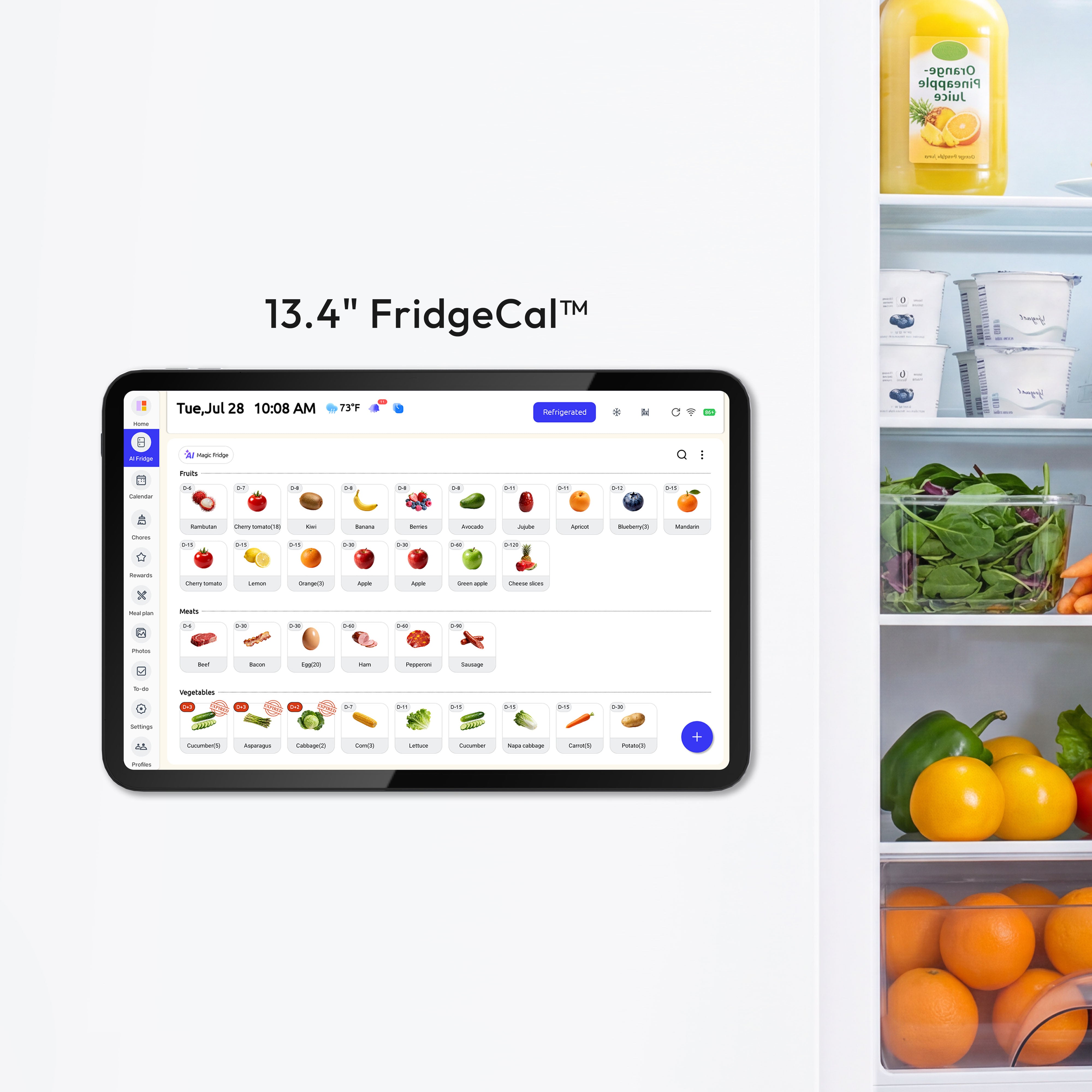
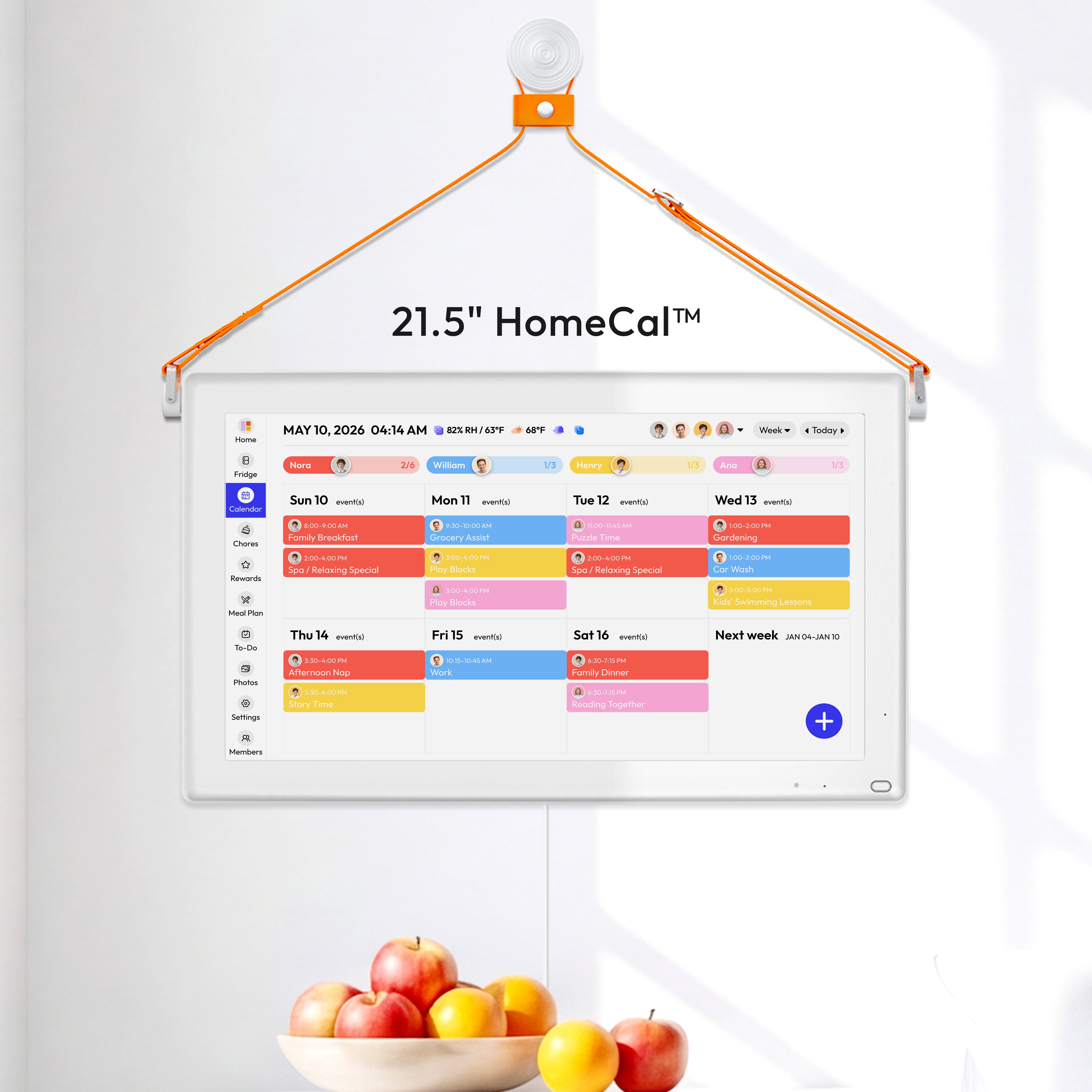
One option some families consider is a shared wall display such as Everblog, which is a 21.5-inch digital family wall calendar that can pull calendars into one place and also includes chore and routine-related tools. That kind of setup isn't necessary for every home, but it fits families who've outgrown paper and need one visible hub rather than scattered lists and separate apps.
If you're weighing the trade-offs, this comparison of a digital family calendar vs paper is useful because it frames the choice around how your household functions.
Comparison of Printable and Digital Visual Schedules
| Feature | Printable/Physical Schedules | Digital Schedules (e.g., Apps, Digital Calendars) |
|---|---|---|
| Setup speed | Fast to start with paper, markers, or printables | Takes longer at first |
| Flexibility | Harder to update when routines change | Easier to edit and sync |
| Child interaction | Tactile and concrete | Better for older kids and teens who use devices |
| Visibility | Strong if posted in the right spot | Strong if displayed centrally or shared across devices |
| Multi-child use | Can get cluttered on one wall | Easier to separate by person or routine |
| Co-parent coordination | Manual communication required | Better when adults need shared access |
| Maintenance | Reprinting, relaminating, replacing pieces | Ongoing updates, but less physical wear |
A printable schedule is often better for learning the habit. A digital schedule is often better for protecting the habit once family life gets more complicated.
Age-Appropriate Schedules for Kids Teens and Adults
A visual schedule for ADHD should grow up with the person using it. The tool stays useful. The format changes.

Young children need concrete cues
For younger kids, keep the sequence short and visible. Photos work well because they remove guesswork. A real picture of their coat is easier to process than a generic icon if they're still learning what each symbol means.
Useful examples include:
- Bathroom routine cards posted at eye level near the sink
- Morning steps on the bedroom door
- After-school cards near the backpack drop zone
Keep language simple. “Shoes on” is better than “prepare for departure.”
Teens need ownership more than decoration
Teenagers usually resist anything that feels babyish. That doesn't mean they don't need structure. It means the structure has to respect autonomy.
For a teen, the schedule may look like:
- a shared family calendar for fixed commitments
- a private task list for homework and projects
- a morning or evening checklist on a phone, tablet, or wall board
- color-coding by category, not cartoon pictures
In this stage, collaboration matters more than presentation. Ask what they want to track, what they keep forgetting, and what format they'll open.
Emotional regulation also shows up more strongly in adolescence. If your child struggles to identify and communicate feelings during transitions, this guide to emotions for SEN learners can support the emotional side of routines, not just the task side.
Adults can use the same logic
Adults with ADHD often dismiss visual schedules because they associate them with childhood. That's a mistake. Adults still need external structure for recurring routines, household management, and work transitions.
An adult version might include:
| Area | Example visual support |
|---|---|
| Morning | A short launch checklist on the fridge or phone |
| Workday | A visible sequence for starting, break, admin, shutdown |
| Home | Repeating chores assigned by day or zone |
| Evening | A simple wind-down routine posted where it happens |
If a system helps a child by reducing working-memory load, it can help an adult for the same reason.
The difference is tone. Adults usually prefer cleaner layouts, fewer icons, and stronger links to real responsibilities like bills, meals, medications, or project deadlines. The principle doesn't change. Only the packaging does.
How to Introduce and Maintain the New Routine
A visual schedule works best when it's introduced as support, not control. If a child experiences it as one more adult demand, they'll often fight the board instead of using it.
Start by walking through the schedule during a calm moment, not in the middle of the morning rush. Keep your language matter-of-fact. “This shows what happens next” lands better than “You need this because you never listen.”

Use the schedule with the child before expecting independence
The handoff should be gradual. At first, you're teaching the habit of checking the schedule. Later, the child starts using it with fewer prompts.
A 2022 systematic review of visual activity schedule interventions for ADHD found consistent improvements across small studies. One study reported increased on-task behavior without teacher prompts, while others found gains in organizational skills and work productivity. That's why I encourage parents not to quit just because the first few days still need adult support. The point is to reduce prompting over time, not instantly (systematic review on visual activity schedules).
Reinforce completion quickly
Children with ADHD usually respond better to short feedback loops than delayed lectures. Praise should be immediate and specific. “You checked the board and did the next step on your own” is much more useful than a vague “good job.”
Some families also add a simple reward layer for routine completion. If you want practical ways to do that without overcomplicating the system, this guide on designing short-term feedback loops for ADHD is worth reading.
Try these maintenance habits:
- Review at transition points: Glance at the schedule before the routine begins, not halfway through a meltdown.
- Keep prompts brief: Point, tap, or ask “what's next?” instead of restating every step.
- Refresh before it gets stale: Replace visuals, reorder steps, or simplify when the child starts tuning it out.
- Notice friction patterns: If the same card always causes a stall, the issue may be the task itself, not the schedule.
This walkthrough can help if you want to see another explanation of how to teach schedule use in real life.
Don't ask the schedule to do a parenting job it can't do. It won't fix sleep debt, hunger, sensory overload, or a routine that's simply too long.
Track whether it's actually helping
You don't need a formal data sheet, but pay attention to three things: how long the routine takes, how many prompts your child needs, and where they get stuck. If those improve, the schedule is doing its job. If they don't, simplify before you scrap it.
Troubleshooting Common Problems and Scaling Up
The biggest myth about visual schedules is that once you hang one up, the problem is solved. That's rarely true. A visual schedule for ADHD needs maintenance because family life keeps moving.
Independent guidance often misses this point. Many resources explain how to make a schedule but not how to adapt it when routines shift, siblings are added, or co-parents need synchronized visibility. That maintenance problem is one of the main reasons families abandon systems that worked at first (guidance on maintenance and scalability).
When the child resists the schedule
Resistance usually points to one of four issues:
- It's too long: The child sees the whole chain and shuts down.
- It's unclear: The pictures or wording don't mean enough.
- It's in the wrong place: A morning chart across the house won't help during a rushed exit.
- It only appears during conflict: The schedule has become associated with correction.
Shrink the routine first. If needed, go from seven cards to three. Success builds tolerance.
When real life breaks the system
Schedules often fall apart on days with late starts, sick kids, sports, visitors, or school events. That doesn't mean the format failed. It means you need a version for “different day” routines.
A practical fix is to keep a small set of flexible cards or digital labels such as:
- Home day
- School day
- Activity night
- Dad's house
- Grandparent pickup
That lets the routine change without becoming a total reset. Children with ADHD often do better when they can see that the plan changed, rather than just being told it changed.
When your family outgrows paper
This is the point many articles skip. Success creates complexity. One child starts using a schedule well, then a sibling needs one too. The paper chart multiplies. Activities shift by day. Two adults are updating separate systems. Nobody knows which version is current.
That's when a shared digital setup starts to make sense. Not because paper is bad, but because the family now needs something easier to update, easier to share, and easier to see in one place.
A schedule that evolves with your household is a sign the system is working. A schedule that never changes usually stops matching real life.
The goal isn't perfection. It's lower friction, clearer expectations, and more independence than you had before.
If you're ready to move from scattered paper routines to one shared home system, Everblog is one option to explore. It's designed as a digital family wall calendar with space for schedules, chores, meals, and shared visibility, which can make a visual routine easier to maintain as your family grows.


