






It's 9:12 p.m. and somebody suddenly needs a glue stick, tomorrow's form is still unsigned, the dog may or may not have been fed, and you're the only person who knows Thursday's dentist appointment conflicts with pickup. That kind of running inventory wears moms down because the work is constant, detailed, and easy for everyone else to miss.
A lot of parenting advice misses that reality. It tells moms to be more present, get organized, or ask for help without giving them a system that other people can see and use. That gap matters. When mental load stays invisible, it often turns into resentment, missed handoffs, and the kind of spiraling described in overthinking anxiety explained.
The fix is not one more tip taped to the fridge. It's a connected set of habits that work together. A shared calendar helps with routines. Clear routines make chores easier to hand off. Better meal planning reduces last-minute decisions. Small adjustments in one area lighten pressure in the others.
That's the approach in this article. These 10 strategies are built to work as one home operating system, with small action steps you can put in place today. Some families will use a paper planner and a whiteboard. Others will use a digital setup, a shared app, or a central family hub like Everblog. If you want a clearer picture of why visible systems matter, this guide on a family command center for visualizing mental load and fair play is a practical place to start.
Use what fits your season. The goal is simple. Get important information out of your head, make responsibilities visible, and build a home life that does not depend on one mom remembering everything alone.
1. Centralize Family Scheduling to Reduce Mental Load
The fastest way to cut chaos is to stop storing the family's entire operating system in your brain.
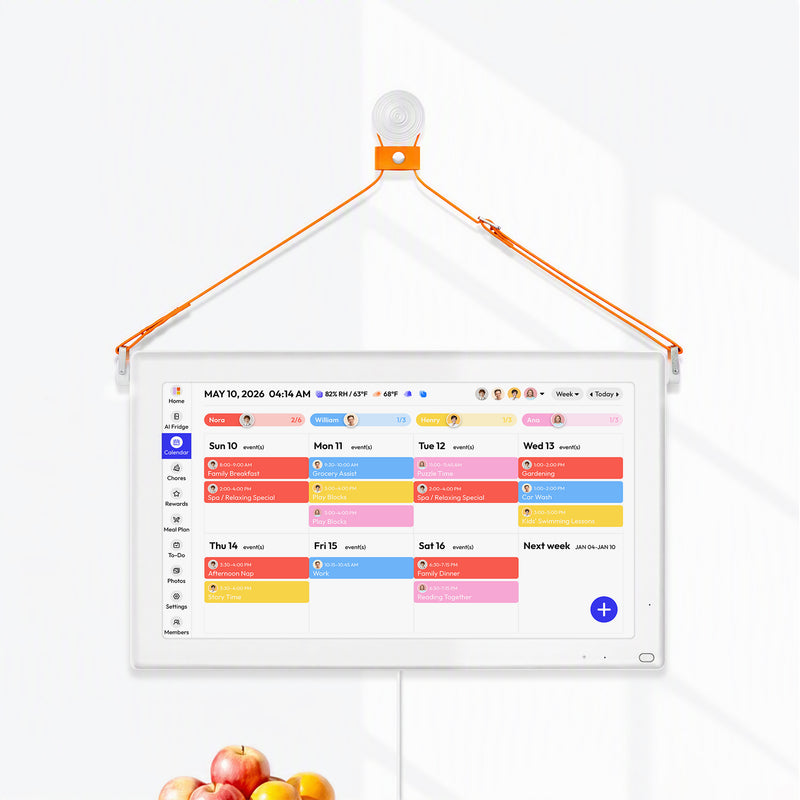
When school calendars live in email, sports updates live in text threads, doctor appointments sit in one phone calendar, and grandma's visit is scribbled on paper, you become the human sync tool. That's not sustainable. A single visible calendar changes the job from “remember everything” to “check the system.”

A mom with three kids might keep school events, sports practices, and appointments on one kitchen display so everyone sees the same day at breakfast. In a blended household, both homes can rely on one shared schedule so pickup times and activity changes don't get lost in handoff conversations.
Make the calendar visible and boring
Visible systems work better than noble intentions. Put your family calendar where people naturally pause, usually the kitchen, mudroom, or hallway near the door. Then make checking it part of the rhythm, not a special event.
- Use one source of truth: If an event isn't on the family calendar, it doesn't exist yet.
- Color-code by category: School, medical, activities, work, and family events should look different at a glance.
- Assign a calendar keeper: One adult should own recurring entry, even if everyone can add items.
- Do a two-minute check-in: Review today's plan at breakfast or before bed.
For a deeper look at what this removes from one person's head, this guide to visualizing mental load and fair play is useful.
Practical rule: Don't aim for a perfect calendar. Aim for a calendar everyone actually checks.
If you tend to replay the whole week in your head at night, it can help to understand overthinking anxiety explained. A visible schedule won't solve everything, but it does stop your brain from acting like twenty open tabs.
2. Implement a Shared Chore System with Clear Accountability
You ask for the trash to go out, remind someone about the dishwasher, notice the dog still has not been fed, and end the night folding laundry you thought somebody else was handling. That pattern wears moms down fast because the work is not just the chore itself. It is the tracking, prompting, and checking.
A shared chore system fixes the hidden part of the job. Everyone can see what needs to be done, who owns it, and what finished looks like.

Support gaps at home are common, especially for mothers under stress. If too much defaults to you, treat that as a systems problem first.
Start with the chores that create daily friction
Do not assign everything at once. Pick three or four repeating tasks that affect the whole house right away, like dishes, pet care, laundry transfer, and trash. Those tasks are easier to track because they happen often and everyone notices when they are skipped.
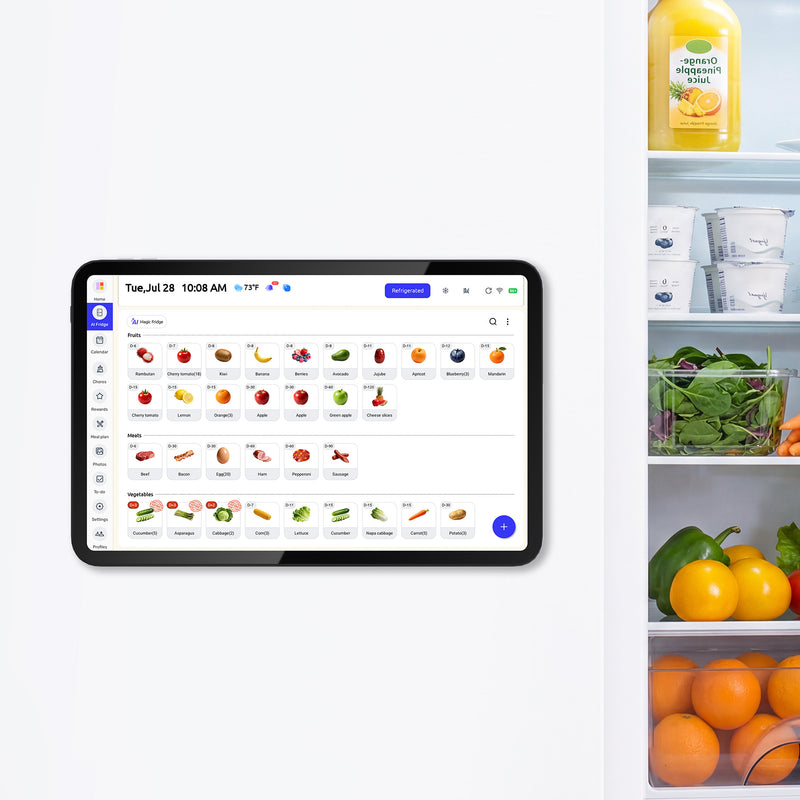
I have found that families stick with chore systems longer when each task has one owner, one deadline, and one visible place to check it off. A whiteboard on the fridge works. A shared note works. A central family hub works even better if you already use one for scheduling, because chores, reminders, and meal planning stay in the same system instead of living in your head. If you want to connect household tasks with dinner planning, a meal planner and grocery list app for busy families can keep food-related chores tied to the week's plan.
Define the task so nobody can pretend they were confused
“Help more” is too vague. “Unload the dishwasher before school” is clear. “Clean your room” usually turns into an argument. “Put dirty clothes in the hamper, return books to the shelf, and clear the floor” gives a child a real finish line.
Use a short checklist for jobs that often come back half-done. That one step cuts a lot of repeat reminders.
- Match the task to the child: Give jobs they can finish without you stepping in halfway through.
- Set a clear standard: Write what done means in plain language.
- Use one check-in time: Review chores at the same time each day, not all day long.
- Rotate on purpose: Quarterly works well for many families, because kids build competence before boredom turns into pushback.
In blended families, this matters even more. A posted system lowers the emotional charge because responsibility is already named. You spend less time refereeing and more time following through.
If you need a practical model, sharing the load at home lays out how visible responsibility changes family dynamics.
3. Plan Meals Together and Streamline Grocery Shopping
At 4:37 p.m., dinner feels harder than it should. You are tired, the fridge looks random, one child rejects the first idea, and you still need lunch items for tomorrow.
Meal planning fixes that problem best when it works as a family system, not one more job Mom manages alone. The goal is simple. Fewer last-minute decisions, fewer extra store runs, and less food wasted because nobody remembered the plan.
I have found that the easiest plans are built around the week you have. If Tuesday has practice and Thursday always runs late, those nights need easy meals on purpose. Save the more involved dinner for the night when someone can chop vegetables without rushing and nobody is walking in hungry at 7:30.
Build your week around real life
Start with three to five anchor meals your family already eats without complaints. Tacos, pasta, sheet pan chicken, breakfast for dinner, soup and sandwiches. These meals do not need to impress anyone. They need to be repeatable.
Then add two flex spots. Use them for leftovers, freezer meals, takeout, or a clean-out-the-fridge dinner. That one step gives the whole week breathing room.
Make kids part of the process, but keep the choices tight so planning does not turn into a negotiation. A child can pick the vegetable, choose between two lunch options, or claim one dinner night from a parent-approved list. That gives them ownership without handing over the whole menu.
The grocery side matters just as much.
Keep one shared list in the same place every time, on paper at the counter or in a family app. Whoever finishes the cereal or notices you are low on milk adds it right away. That prevents the common problem where Mom becomes the backup memory system for the entire house.
If you want meals and shopping connected in one place, a meal planner and grocery list app for busy families can keep recipes, weekly dinners, and the running list tied to the same plan.
A simple workflow works well for a lot of families:
- Choose meals with the calendar open: Match dinners to actual time and energy.
- Check the fridge, freezer, and pantry first: Use what you already have before buying more.
- Write one master list: Group items by store section to cut wandering and impulse buys.
- Prep one small thing ahead: Wash fruit, brown meat, chop onions, or pack lunch items.
- Repeat the meals that work: Reliable dinners lower decision fatigue.
Meal planning does not need to make you a better cook. It needs to make weeknights easier.
4. Create Non-Negotiable Self-Care Time Blocks
At 8:30 p.m., the kitchen is finally clean, the lunches are packed, and someone remembers a permission slip. That is usually the moment many moms tell themselves they will rest after one more thing. One more thing turns into three, and your own care gets pushed to tomorrow again.

Self-care only works when it is built into the same system that holds school events, work meetings, pickups, and dinner plans. If your family already uses a central calendar or family hub, your time belongs there too. Otherwise, Mom stays the flexible part of the schedule, and flexible usually means skipped.
The fix is simple, but it does require follow-through. Choose a real block of time, name it clearly, and decide who covers what during that window. "Saturday 9 to 10 a.m. Mom walks alone" works better than "rest this weekend." Specific plans create fewer arguments and fewer last-minute changes.
A good time block has a few traits:
- It is on the calendar: visible to the whole household, not stored in your head
- It has a clear activity: therapy, a walk, reading, exercise, coffee with a friend, a quiet bath, or twenty minutes with your phone on Do Not Disturb
- It has coverage attached: another adult handles the kids, or children know what independent activity happens during that time
- It is small enough to repeat: one dependable block each week beats a big plan that never happens
Start smaller than you want. I have seen this work better with twenty protected minutes than with an ambitious two-hour plan that keeps falling apart. Consistency lowers resentment and mental overload faster than occasional big breaks.
The trade-off is real. Sometimes your care block will mean a simpler dinner, a messier room, or saying no to an extra errand. That is not selfish. That is maintenance. A mom who gets regular recovery time is usually more patient, clearer, and less likely to hit the wall by Thursday.
Different households will set this up differently. A homeschooling mom may use independent reading time after lunch. A co-parenting household may alternate weekend coverage. A working mom may need thirty minutes after daycare pickup handoff before starting the evening shift.
Use a micro-workflow so the plan survives real life:
- Pick one repeating slot: same day, same time when possible
- Add it to the shared calendar: label it so everyone knows it is spoken for
- Assign coverage before the week starts: no scrambling when the time arrives
- Prepare one supporting detail: shoes by the door, book ready, class booked, headphones charged
- Protect it for two weeks before judging it: systems need repetition before they feel natural
If the first version fails, adjust the timing, not the goal. The goal is to make your care a regular part of family operations, not an afterthought that depends on leftover energy.
5. Establish Morning and Evening Routines with Clear Checklists
Routines aren't restrictive. They remove arguments.
Mornings and evenings are where many homes feel the most fragile because everyone is tired, time is tight, and small delays stack fast. A checklist cuts the number of decisions and reminders needed in the busiest windows of the day.
Here's the kind of visual setup that helps.

A mother with several kids might post a morning list that reads: get dressed, eat breakfast, brush teeth, fill water bottle, shoes on, backpack by the door. A single mom working early shifts may rely on visible checklists so older kids can move through the morning with fewer texts and fewer missed steps.
Use fewer steps than you want
Too many families build routines that are technically excellent and impossible to follow. Start with the few steps that matter. Then assign a time window so the routine has both sequence and pace.
- Keep the first version short: Four or five essentials are enough.
- Make it visible at eye level: Younger children especially need visual cues.
- Separate morning from evening: Night prep prevents morning chaos.
- Build in buffer time: A little slack protects the whole chain.
Evening routines matter just as much. Backpacks packed, clothes set out, lunches partially prepped, devices charging in one place, and tomorrow's schedule checked. That's how you buy yourself a calmer start.
This short video can help if you're trying to make a routine feel doable in a real family home, not just on paper.
The best routine is the one your family can follow on a tired Tuesday.
6. Communicate Needs and Expectations with Co-Parents or Support Network
It is 8:10 p.m., someone remembers the permission slip, the dishwasher is still full, and you are the only person who knows that Friday pickup changed. That is how mental load hides. It is not just the work itself. It is being the default holder of every loose end.
Clear communication fixes part of that pressure because it turns invisible management into assigned responsibility. In real families, “help more” rarely changes anything. Specific ownership does. The task needs a name, an owner, a due date, and one place where everyone can check the status. If you are using a central family hub, then it starts paying off. Calendar events, school needs, rides, meds, and meal gaps should live in one shared system instead of in your head.
Turn support into a real operating system
The goal is not a perfect fifty-fifty split every week. The goal is fewer dropped balls and less resentment.
A co-parent may handle bedtime well but forget every form. A grandparent may be happy to do Tuesday pickup but not last-minute schedule changes. A friend may want to help after a new baby arrives, but only if you ask for something concrete. Good systems respect those limits and still get the work covered.
Use short, direct requests:
- Name the task: camp registration, soccer drop-off, prescription refill, teacher email
- Name the timing: every Monday, by 3 p.m., this weekend, for the next two weeks
- Name the standard: packed lunch made, gas tank above half, homework checked, child signed in
- Name the update method: text the group chat, check it off in the family hub, leave a note on the shared calendar
That last step matters more than families expect. I have learned that many conflicts are not about unwillingness. They are about unfinished handoffs. One adult assumes a task is covered. The other thinks it is still pending. A shared update point cuts down on repeat questions, duplicate work, and that awful feeling that you have to monitor everyone to keep the house running.
A 15-minute weekly check-in is often enough. Keep it practical. Review the coming week, flag pressure points, confirm who owns what, and decide what can be dropped if the week gets tight. Single moms can use the same approach with relatives, babysitters, neighbors, or older kids. Support works better when people can see the plan.
If every conversation turns into scorekeeping, change the format before the relationship gets worse. Write tasks down. Use a shared note. Start with one recurring area like school logistics or appointments. Small clarity beats big emotional talks that end with no decision.
Say the hard part plainly too. “I can keep managing doctor visits, but I cannot also be the one tracking every school deadline.” That is clear, fair, and actionable.
7. Batch Similar Tasks and Create Theme Days
It is 2:15 p.m. You sit down to answer one school email, remember the prescription refill, notice the laundry is still wet, and realize dinner needs a plan. By the time you switch back to the original task, your brain feels scattered and the hour is gone.
Batching cuts that drain. Instead of touching the same category of work in fragments all week, give it a set home. That reduces decision fatigue, lowers setup time, and makes your family's rhythm easier to follow.
A simple version might look like this: meal prep on Sunday, laundry on Monday, errands on Wednesday, paperwork on Friday. A working mom might group returns, pharmacy pickups, and grocery shopping into one outing. A homeschooling family can assign certain subjects, library runs, or supply checks to specific days so the week has a predictable flow.
Give recurring work a home
Theme days work best when they match your real life, not an ideal schedule. A mom with toddlers may need shorter blocks and more reset time. A mom with teens may batch driving, school forms, and activity logistics. If your week changes with shift work or shared custody, use lighter themes such as “home admin day” or “out-of-house errands day” instead of locking every task to one exact slot.
The goal is not rigidity. The goal is fewer resets.
Use your central family hub here too. Color-code recurring categories, add repeating reminders, and keep a shared running list for errands so no one makes three separate trips for items that could have been handled at once. The larger system begins to work together. Scheduling, chores, meals, and communication support each other when the week has a clear rhythm.
Try these micro-steps:
- Pick 3 to 5 repeat categories: Laundry, meals, cleaning, errands, paperwork, calls.
- Assign each one a likely day or time block: Not perfect. Just predictable.
- Match hard tasks to your better energy window: Save low-focus jobs for low-energy times.
- Keep one catch-up block open each week: Real life spills over.
- Post the pattern where everyone can see it: Family hub, fridge, or shared calendar.
One practical rule helps a lot. If a task takes prep, travel, or cleanup, it is a strong batching candidate. That includes meal prep, appointment calls, school admin, gift buying, and photo sorting. If you already have your phone out to organize family pictures or event keepsakes, save that kind of task for one media block too. These Eventoly photo booth album tips fit well into that kind of saved slot instead of becoming another open tab you forget to revisit.
Batching works because Tuesday does not need a fresh debate about laundry. The decision was already made. And when the week falls apart, which happens, you can shift one block without rebuilding your whole system.
8. Track and Celebrate Small Wins and Create a Centralized Media and Memory Hub
When a home runs on correction alone, everyone feels behind.
Most families notice what's missing, late, messy, or unfinished. That's practical, but it can flatten morale over time. Tracking small wins shifts attention toward progress. It also helps kids connect effort with outcomes, which matters when you're trying to build habits instead of bribing behavior.
A family might celebrate a full week of completed chores with a movie night. A mom might track her own consistency with a walk, reading time, or bedtime routine. A homeschooling household can recognize books finished, skills practiced, or smooth mornings instead of focusing only on what still needs work.
Make progress visible
Visible progress motivates better than vague encouragement. A rewards tracker, sticker chart, family board, or digital hub can all work. Keep it simple enough to maintain.
- Track a few things only: Chores, routines, self-care, school prep, or kindness.
- Celebrate quickly: Don't wait for huge milestones.
- Include your wins too: Kids should see that adults also build habits.
- Use meaningful rewards: Extra story time, picking dessert, choosing family movie night.
A shared media hub adds something different. Photos from ordinary life can steady a family emotionally. Breakfast smiles, muddy soccer socks, sibling jokes on the couch, the science project that almost fell apart but didn't. Those aren't filler memories. They're the texture of family life.
If you want ideas for preserving and organizing everyday photos, these photo booth album tips can spark a few practical habits even beyond events.
Small wins count because family life is built out of small repeats.
9. Delegate Age-Appropriate Responsibilities and Let Go of Perfect
Children can help before they can help well.
That's the trade-off many moms resist, especially if you can do the task faster and better yourself. But if your standard is “done exactly how I would do it,” you stay permanently overneeded. Delegation works only when you accept imperfect but functional results.
A ten-year-old can wash dishes that aren't spotless on day one. A teenager can manage their own laundry and learn from a ruined shirt. A twelve-year-old can make lunches that look messy and still feed everyone just fine. Those aren't signs that the system is failing. They're signs that someone besides mom is learning to carry weight.
Decide what must be perfect and what doesn't
Safety and health need real standards. Car seats, medication, allergy rules, and anything involving risk should be taught carefully and checked. But towels folded unevenly, mismatched outfits, crooked bedspreads, and basic lunch packing can usually live in the good-enough category.
Research on mothers with low income highlights how coping depends on social networks, flexible support, and gap-filling help, while also underscoring the burden of hardship and stress in this Urban Institute brief on coping strategies of mothers with low income. The lesson holds more broadly. Families cope better when support is practical, not just emotional.
Try this framework:
- Teach the task clearly: Demonstrate it a few times.
- Reduce the urge to redo it: Correct only what matters.
- Use natural consequences: No clean uniform means laundry matters.
- Increase responsibility gradually: Ownership grows with skill.
If you want less on your plate, someone else has to be allowed to do it imperfectly.
10. Build Flexibility and Adjust Plans Based on Actual Reality
A good family system bends.
Rigid plans break the minute a child gets sick, work runs late, school sends home a surprise project, or you hit an energy wall. Flexible systems survive because they assume life will interrupt them. This isn't lowering your standards. It's building a structure that still works under normal family pressure.
That matters because moms often aren't just tired. They're navigating real strain with uneven support. Advice for moms should leave room for illness, overwhelm, changing schedules, postpartum recovery, and seasons where the best plan is a simpler plan.
Create an easy version of your system
Every household needs a regular mode and a low-capacity mode. In regular mode, maybe you cook most nights, keep up with chores, and follow routines. In low-capacity mode, you switch to backup meals, essential chores only, and fewer commitments.
This kind of flexible thinking is especially important around mental health. HRSA offers a 24/7, free, confidential National Maternal Mental Health Hotline for pregnant and new moms, available in more than 60 languages. If your exhaustion feels heavier than “just a hard week,” practical support should include real help, not only encouragement.
A few flexibility rules help:
- Plan at less than full capacity: Leave room for real life.
- Keep backup meals ready: Easy food is part of a resilient system.
- Use emergency chores only: Dishes, trash, laundry, medication, school essentials.
- Reassess monthly: If a routine keeps failing, adjust it instead of blaming yourself.
Some weeks success looks like a color-coded schedule. Some weeks it looks like everyone got fed and loved. Both count.
10-Point Mom Advice Comparison
| Approach | 🔄 Implementation Complexity | ⚡ Resource & Time | ⭐ Expected Outcomes | 📊 Ideal Use Cases | 💡 Key Advantages / Tips |
|---|---|---|---|---|---|
| Centralize Family Scheduling to Reduce Mental Load | Medium, initial setup & family buy-in | Shared calendar/display; occasional manual updates | High ⭐⭐⭐⭐, fewer conflicts, lower cognitive load | Multi‑child homes, co‑parents, busy schedules | Place display in high‑traffic area; assign a "calendar keeper"; color‑code |
| Implement a Shared Chore System with Clear Accountability | Medium‑High, training & consistent follow‑through | Chore manager or board; time for initial training (weeks) | High ⭐⭐⭐⭐, equitable labor, frees hours for caregivers | Families with kids/teens, blended households | Start small, match chores to age, use visual tracking and rewards |
| Plan Meals Together and Streamline Grocery Shopping | Medium, weekly planning session required | Meal planner + synced grocery list; 15–20 min/week setup | High ⭐⭐⭐⭐, less decision fatigue; lower waste/spend | Busy families, budget‑focused households | Hold a weekly 15–20 min plan; build 1–2 flex nights; use inventory tracking |
| Create Non‑Negotiable Self‑Care Time Blocks | Low‑Medium, scheduling + family respect | Calendar visibility; protected time (short blocks) | High ⭐⭐⭐⭐, reduced burnout, improved wellbeing | Parents needing protected downtime | Start with 30 min blocks, schedule at peak energy, make blocks visible |
| Establish Morning and Evening Routines with Clear Checklists | Medium, habit formation (2–4 weeks) | Visual checklists, timers; initial setup and reinforcement | Very High ⭐⭐⭐⭐⭐, fewer morning crises, better sleep/punctuality | Households with chaotic mornings or strict schedules | Involve kids, start with 4–5 tasks, use icons and timers |
| Communicate Needs and Expectations with Co‑Parents/Support | Medium, regular conversations & maintenance | Regular short meetings; shared docs/calendar | High ⭐⭐⭐⭐, less resentment, more equitable work | Co‑parents, blended families, extended support networks | Schedule 20–30 min check‑ins, be specific, use "I" statements |
| Batch Similar Tasks and Create Theme Days | Low‑Medium, planning & discipline | Calendar theme blocks; consistent weekly rhythm | High ⭐⭐⭐⭐, reduces context‑switching, saves weekly hours | Professionals, families seeking rhythm and efficiency | Pick 6–8 recurring tasks, assign days, allow one flex day |
| Track and Celebrate Small Wins & Centralize Media Hub | Medium, consistent tracking and curation | Rewards tracker + media storage; weekly review time | Medium‑High ⭐⭐⭐⭐, boosts morale, preserves memories | Families focusing on motivation and memory keeping | Track 3–5 areas, schedule weekly uploads, prefer meaningful rewards |
| Delegate Age‑Appropriate Responsibilities and Let Go of Perfect | Medium‑High, teaching + mindset shift | Time for coaching; chore manager helps | Very High ⭐⭐⭐⭐⭐, large time savings; builds independence | Families with school‑age children, homeschoolers | Start small, accept "good enough" (70%), praise effort |
| Build Flexibility and Adjust Plans Based on Actual Reality | Low‑Medium, buffers & regular reassessment | Calendar flexibility; backup plans; monthly check‑ins | High ⭐⭐⭐⭐, reduces guilt, prevents burnout | Variable schedules, health‑impacted households | Plan for 80% capacity, add 15–30 min buffers, practice self‑compassion |
Your First Step to a More Organized, Joyful Life
It is 7:12 p.m., someone still needs help with homework, dinner dishes are stacked up, and you are the only person who knows what tomorrow looks like. That is the kind of pressure this system is built to reduce.
The ten strategies in this article work together because each one removes a specific point of friction. A shared calendar gets plans out of your head. A chore system makes responsibility visible. Meal planning cuts the daily scramble over what to cook and what to buy. Personal time blocks protect your energy before burnout starts showing up as impatience, exhaustion, or resentment.
The same pattern carries through the rest. Checklists make mornings and evenings more predictable. Clear conversations with a co-parent or support network reduce confusion and repeated reminders. Theme days help you finish similar tasks faster. Small-win tracking keeps motivation up, and a central place for photos and videos keeps family memories from getting buried across phones and apps. Delegating age-appropriate jobs builds capable kids. Flexibility keeps the whole plan usable during sick days, schedule changes, and weeks that do not go as planned.
Start with the bottleneck that costs you the most time or peace. For one family, that is the morning rush. For another, it is dinner. For many moms, it is carrying every detail alone because no one else can see the full picture.
I have found that one change sticks better than a full overhaul. Set up one shared calendar. Write one bedtime checklist. Build one two-week meal rotation. Use it for a week, notice what gets easier, then add the next layer.
As noted earlier, parents are not short on advice. They are short on advice they can use on a Wednesday afternoon. The difference matters. Good mom advice should lower mental load, clarify who does what, and hold up under real family conditions, including imperfect follow-through.
A central family hub can help if your current system is scattered across paper notes, separate apps, text threads, and memory. Everblog is one option built for that job. It combines a family wall calendar with tools for chores, meals, rewards, and media in one shared place, so the household can work from the same information.
Start with one practical change today. Pick the one your family will use, then let that win make the next step easier.
If you want one place to organize schedules, chores, meals, and family photos, Everblog offers a shared digital family hub designed for busy households. It's a practical option if you're ready to replace scattered reminders with one visible system the whole family can follow.


