






Transform Your Summer From Chaos to Connection
The final school bell rings, and suddenly the structured days are gone. In their place, you get long afternoons, shifting childcare, camp forms, snack requests, weather changes, and the daily question of what to do in the summer without turning your house into a screen-time negotiation zone.
That tension is real. Summer is one of the biggest travel seasons, and family schedules often fill up fast with short trips, local outings, and overnight plans rather than one single vacation. At the same time, summer programs matter in practical ways too. Parents are coordinating camps, meals, pickups, downtime, and household routines all at once. The season feels open on paper, but in real life it can become fragmented quickly.
The fix usually isn't “do more.” It's giving the family one place to see what's happening, who's responsible, and what needs to happen before everyone walks out the door.
That matters because many families are trying to balance fun with structure, especially when device use can easily dominate open days. Common Sense Media's 2025 reporting is often discussed in this context because U.S. teens still average over 8 hours a day of recreational screen media, a concern echoed in family summer planning conversations around sleep and routine in this summer activity discussion.
These 10 ideas work best when you plan the how alongside the what. A shared family calendar, a clear task list, and a few repeatable systems will do more for your summer than a giant bucket list ever will.
1. Family Road Trips & Travel Planning
Friday at 4 p.m. is when family travel usually goes sideways. One child still needs a water bottle, someone cannot find the phone charger, dinner is an afterthought, and the car gets packed in the order people panic instead of the order you need things.
Road trips go better when you plan the logistics, not just the destination. A two-night beach trip can create as much friction as a week away if nobody knows who is handling snacks, check-in details, medicine, or the cooler. Put the full travel window on one shared calendar, then break it into jobs: packing night, grocery stop, departure time, fuel stop, lodging check-in, and the first meal after arrival.

Build the trip around decisions you can make early
Families waste time on travel day by saving every decision for travel day. Choose the route, meal plan, and packing categories ahead of time, then assign each one to a person. Older kids can manage their own entertainment bag and refillable bottle. Adults should own reservations, medications, chargers, and anything expensive or hard to replace.
A central hub helps most before you leave home. I recommend one master event for the trip and smaller tasks underneath it, so everyone can see what is due by Thursday night instead of asking questions in the driveway.
- Pack by function: keep swim gear, sleep gear, day-use items, and car snacks separate so you are not unloading the whole trunk at every stop.
- Schedule food on purpose: pick one easy breakfast plan, one lunch option you can eat outdoors, and one backup restaurant near your route.
- Assign loading zones: one bag for the first night stays accessible, while bulk items and extras go in last.
- Set visible timing for kids: list departure, rest stop, and arrival in the calendar so the day feels predictable.
Practical rule: If everything gets packed the night before, you increase the odds of forgetting the one item that matters at bedtime.
Destination choice matters too. A mountain loop is easier to pack for than a beach trip with snorkel gear, sand toys, and wet clothes management. If your family is debating coastal options, this guide to the best island for family vacation can help you narrow the type of trip before you start building the packing list.
For families pulling a trailer or packing heavier gear, it also helps to review essential towing tips for travel trailers before you set your route. If you want one planning system instead of scattered texts and notes, this guide to using a smart fridge calendar for trip planning shows the kind of setup that keeps departure day calm. You can also keep a reusable family camping checklist for shared packing and gear tracking if your summer trips include tents, coolers, or overnight outdoor stops.
2. Backyard Camping & Outdoor Sleepovers
Not every family needs a full trip to make summer memorable. Backyard camping works especially well when your kids want adventure, but the adults still need access to a bathroom, a backup plan, and bedtime flexibility.
This is one of the best answers to what to do in the summer when budgets are tight, the weather is uncertain, or younger kids aren't ready for a full campground experience. You still get tents, flashlights, campfire food, and the novelty of sleeping outside, but you skip the long drive and most of the friction.
Keep the fun, remove the failure points
The mistake parents make is improvising too much. A backyard campout still needs a start time, setup jobs, and a rain backup.
- Set an actual timeline: choose when the tent goes up, when dinner starts, and when everyone moves into sleeping mode.
- Give kids ownership: one child gathers lanterns, another lays out sleeping bags, another handles roasting sticks or snack setup.
- Plan comfort breaks: younger kids do better when they know they can still go inside if they need to.
A simple dinner works best. Hot dogs, sandwiches, foil packets, fruit, and s'mores beat any “fun” meal that's hard to cook in low light. If the weather shifts, pivot to an indoor sleepover without treating it like a failure.
Backyard camping is often better than a big camping trip for the first test run. You learn what your family actually uses.
If you need help with gear and prep, this family camping checklist is the kind of practical template that saves time. And if your backyard campout inspires a bigger trip later, browsing ideas for the best island for family vacation can help with longer-range planning.
3. Summer Camp Selection & Coordination
Monday at 8:10 a.m., one child needs a water bottle and closed-toe shoes, another has themed dress-up day, and the pickup window changed in last night's email. Camp problems usually start there, not with the camp itself. The fix is choosing options your household can run, then putting every detail in one shared system before the first drop-off.
Begin by considering a camp's primary purpose. Some families need reliable weekday coverage. Some want one child to go deep on soccer, coding, theater, or nature skills. Many need both. A camp can look great in the brochure and still create daily headaches if the drive is too long, the hours are too short, or the supply list resets every week.
Choose camps by household fit
Good camp selection is part interest match, part operations.
- Day camp fits families who need a predictable weekday structure and manageable transportation.
- Specialty camp makes sense when a child has a clear interest and can handle a more focused schedule.
- Overnight camp works best when the child is ready for independence and the family has time for the prep, packing, and communication rules that come with it.
Before you register, check the details that create friction later. Look at drop-off and pickup windows, lunch requirements, swim days, medication rules, refund policies, and how often locations change. I have seen families save money on paper, then lose that savings in extra driving, rushed dinners, and missed pickup fees.
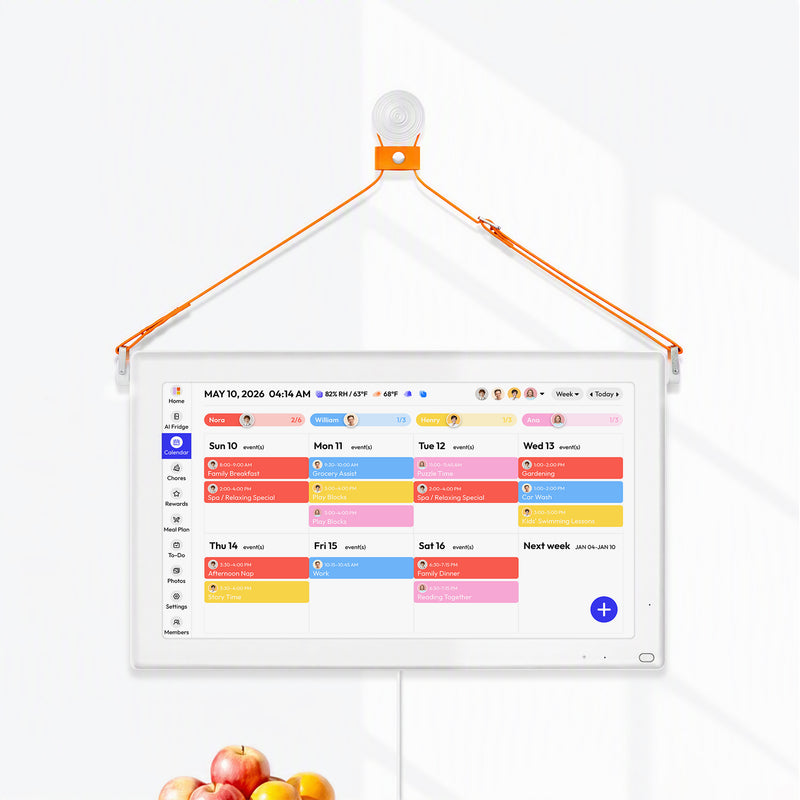
The coordination piece matters as much as the choice. Put registration deadlines, payment dates, camp addresses, packing lists, theme days, and pickup contacts into one central hub as soon as you book. A shared digital calendar works well because every adult can see the same plan, and older kids can check their own schedule instead of asking you at 9 p.m. what happens tomorrow.
Color-code each child. Add recurring reminders for sunscreen, lunch, water bottle, and anything easy to forget on high-speed mornings. If grandparents, sitters, or carpool partners help with transportation, give them access to the same calendar instead of forwarding scattered texts and emails.
If your week includes split arrivals or overlapping start times, this guide on managing summer camp drop-offs with multiple kids covers the handoff system that usually breaks down by the second week.
4. Outdoor Sports & Recreational Leagues
Sports can anchor a summer beautifully. They give the week shape, get kids moving, and reduce the “what now?” drift that happens in long unplanned afternoons.
They also create recurring friction. Practices overlap with dinner. Uniforms aren't clean. Water bottles vanish. One sibling has baseball across town while another has swim practice starting at the same time. The fix isn't motivation. It's system design.
Build a sports rhythm the family can actually keep
Use a shared calendar with recurring entries for every practice, game, warm-up, and arrival window. Then build support tasks around that schedule, not separate from it.
A few rules make sports season easier:
- Pack the night before: shoes, uniform, gear bag, and refillable bottle go in one visible spot.
- Batch the laundry: sports clothes need their own rhythm or you'll always be searching for socks.
- Plan fast dinners: taco bowls, sandwiches, pasta salad, and cut fruit beat ambitious meals on heavy practice days.
One thing that doesn't work is signing kids up for every available league just because summer feels open. Overloading the calendar can crowd out sleep, free play, and family time. It's better to do one or two activities well than spend the whole season commuting.
For some families, a visible wall calendar matters more than an app notification because everyone can see the week at a glance. That's especially helpful in homes where grandparents, co-parents, or sitters help with transportation.
5. Volunteer & Community Service Projects
A good service project changes the pace of summer. It gives kids a reason to get out the door that isn't based on entertainment, and it creates a stronger family memory than many expensive outings do.
This can be simple. Park cleanups, food bank sorting, animal shelter support, senior center visits, or helping with a library reading program all work. The best fit is usually local, recurring, and easy to explain to children.
Make service visible, not abstract
Kids stay engaged when they know exactly what they're doing and why it matters. “We're helping sort food so families can pick it up later” lands better than “We're volunteering today.”
Try this approach:
- Choose one repeatable option: one Saturday cleanup or one weekly shift is easier to sustain than random one-off signups.
- Prep the night before: closed-toe shoes, water, hats, snacks, and any forms should be ready.
- Mark the purpose on the calendar: a short note helps everyone remember the point of the outing.
Service works best when children can connect the task to a real person or place.
What doesn't work is forcing a long, adult-centered volunteer event on tired young kids with no preparation. Start short. End with a simple meal or family debrief. Ask what they noticed, what was hard, and whether they'd do it again. That reflection is what turns an event into a value.
6. DIY Backyard Projects & Outdoor Improvements
Summer is a good time to build something useful. Raised beds, a mud kitchen, a planter box, a simple bench, a shade corner, or a cleaned-up patio all give kids a hands-on role and leave the family with something they'll use.

The biggest mistake here is choosing a project that's too large for your weekends. A treehouse sounds fun. A finished planter, painted fence section, or herb station is more likely to become a satisfying family win.
Pick projects with a fast payoff
Children engage longer when they can see progress the same day. That's why small builds often outperform ambitious renovations.
A few project types work especially well:
- Garden planters: quick to assemble and easy to maintain.
- Simple seating areas: a gravel patch, outdoor rug, and string lights can change a yard fast.
- Kids' utility zones: chalk wall, water table area, or shaded reading corner.
If you're looking for practical inspiration, these ideas to transform your Prescott yard can spark projects that are realistic for family weekends.
Documenting the build helps kids stay invested. Take progress photos at the start, middle, and finish, then show them the sequence after the project is done. That visible effort matters.
Here's a useful visual for families who want to keep the build simple and approachable.
The best summer projects don't just improve the yard. They create a reason to use the yard more often.
7. Outdoor Movie Nights & Entertainment Events
This is one of the easiest ways to make summer feel special without overplanning. Community movie nights, drive-ins, outdoor concerts, Shakespeare in the park, and college summer theater can all work for families with mixed ages.
The trick is knowing what kind of evening your family can handle. A late concert on a weeknight sounds charming until a tired child melts down in the parking lot. For many families, an outdoor movie with a packed dinner and pajamas in the car is the better choice.
Plan the event around the return home
Parents usually think about arrival. The harder part is the exit. Parking, bedtime, bathroom timing, and getting everyone home matter more than the event itself.
A simple system helps:
- Pack for the ground: blankets, bug spray, extra layer, wipes, and water.
- Feed everyone early: hungry kids don't wait well.
- Add a buffer: leave extra time for parking and bathroom lines.
If you host your own movie night at home, keep it forgiving. Use a sheet, projector, or even a laptop on the patio. Serve easy snacks. Start before kids get overtired. A backyard version often works better for younger children than a community event that runs late.
The best outdoor entertainment plan isn't the biggest event. It's the one your family can enjoy without spending the whole next day recovering.
8. Swimming & Water-Based Recreation
When families ask what to do in the summer, water is usually the fastest yes. Pools, beaches, lakes, splash pads, swim lessons, and water parks all solve two problems at once. Kids stay active, and everyone gets relief from the heat.

What makes water outings stressful isn't usually the swimming. It's the preparation. Missing towels, forgotten goggles, no dry clothes, no lunch plan, and no clear reapplication plan for sun protection can turn a simple pool day into a scramble.
Run pool days on repeatable prep
Create one standard swim list and stop reinventing it every time. The list can live in your family hub so older kids can pack for themselves.
Include:
- Essentials: suits, towels, goggles, water shoes if needed, sunscreen, hats.
- Food: one easy lunch and one salty snack plus fruit.
- After-swim items: dry clothes, plastic bag for wet gear, simple rinse-off plan.
What doesn't work is treating every water day like a special event. The more standard your setup, the easier it is to go regularly. One packed swim bin near the door solves more problems than any last-minute reminder.
If your children are taking lessons, put each session on the family calendar with travel time and post-lesson downtime. Lessons look short on paper, but they affect the whole day.
9. Gardening & Food Growing Projects
Gardening gives summer days a steady rhythm. Watering, weeding, checking growth, harvesting herbs, and tasting what you've grown all create small daily anchors that keep the season from drifting.
This is also one of the most flexible summer ideas. You don't need a large yard. A patio herb pot, tomato container, windowsill basil, or community garden plot can all work.
Keep the garden small enough to succeed
Families often fail by planting too much in a burst of enthusiasm. Start with crops that give clear feedback and frequent rewards. Herbs, cherry tomatoes, lettuce, beans, and strawberries tend to hold children's attention better than slow, high-maintenance choices.
A practical setup looks like this:
- One recurring watering reminder
- One simple kid job per child
- One weekly harvest or check-in routine
The payoff gets bigger when you connect the garden to meals. Children care more when the mint goes into drinks, the basil goes on pizza, or the tomatoes go straight into lunch. The garden stops being a chore and starts becoming part of the household.
If you're trying to reduce spending on activities, this is one of the stronger options because it combines outdoor time, responsibility, and food. It also scales well across ages. Younger kids can water. Older kids can track planting dates and help decide what to grow next.
10. Educational Field Trips & Exploration Adventures
By mid-summer, many families hit the same problem. Kids want something different, parents do not want the cost or work of a full trip, and everyone is tired of asking, "What should we do today?" Educational outings solve that well when they are planned like light missions, not all-day productions.
Museums, zoos, aquariums, botanical gardens, nature centers, historical sites, factory tours, and local walking tours all give children fresh input without turning the week upside down. The trick is coordination. Put every possible outing into one shared calendar, then tag each one with three details: drive time, total cost, and the best age fit in your family. That turns vague ideas into options you can use on a Tuesday morning.
Keep the outing small enough to enjoy.
Parents often make these trips harder than they need to be. One destination, one simple meal plan, and one clear start and end time is usually enough. Children remember the stingray touch tank, the fossil room, or the trail with weird bugs. They do not need six stops to call it a good day.
A practical setup looks like this:
- Pick one main destination and one backup rain plan
- Add departure time, parking notes, and ticket info to the family calendar
- Assign one adult to logistics and one child to carry the outing bag
- Pack water, sunscreen, snacks, and one comfort item for younger kids
Interest-led planning works better than picking places that seem educational on paper. If a child is focused on space, choose the planetarium. If they care about animals, go where they can watch feeding times or ask questions. Older kids usually engage more when they get a job too, such as checking the map, comparing exhibits, or choosing one thing to report back at dinner.
I have found that the easiest follow-through happens after the trip, not during it. Add one note in your shared calendar about what each child kept talking about or asked on the ride home. That note becomes your next outing idea, your library book list, or a simple project for a hot afternoon. It saves planning time and keeps summer from feeling random.
Top 10 Summer Activities Comparison
| Activity | 🔄 Implementation Complexity | ⚡ Resource Requirements | ⭐ Expected Outcomes | 📊 Ideal Use Cases | 💡 Key Advantages |
|---|---|---|---|---|---|
| Family Road Trips & Travel Planning | High, multi-stop routing & contingency planning | Vehicle upkeep, lodging, time, budget tracking | ⭐⭐⭐ Strong family bonding; navigation & planning skills | Multi-day vacations, national parks, coast-to-coast trips | Centralized itinerary + shared tasks reduces missed items |
| Backyard Camping & Outdoor Sleepovers | Low, simple setup, local logistics | Tent/gear, snacks, minor supplies | ⭐⭐ Easy bonding; outdoor skill introduction | Families with young kids or limited time | Low cost, quick to abandon if weather/comfort issues |
| Summer Camp Selection & Coordination | Medium–High, enrollment deadlines and transport logistics | Camp fees, supplies, transportation, time | ⭐⭐⭐ Structured learning; social & skill gains | Working parents needing child care; skills camps | Centralizes deadlines, pick-up schedules, payments |
| Outdoor Sports & Recreational Leagues | Medium, recurring schedules and team coordination | Registration fees, equipment, volunteer time | ⭐⭐⭐ Fitness, teamwork, skill development | Seasonal leagues, competitive youth sports | Color-coded calendars and recurring reminders prevent conflicts |
| Volunteer & Community Service Projects | Low–Medium, find appropriate opportunities and age-appropriate tasks | Minimal cost, transportation, prep supplies | ⭐⭐ Civic values, resume-building, family purpose | Weekend cleanups, food banks, shelter support | Flexible scheduling; meaningful shared purpose |
| DIY Backyard Projects & Outdoor Improvements | Medium, multi-phase planning and safety management | Materials, tools, possible rentals, skill/time | ⭐⭐ Practical skills; home value improvement | Weekend builds, garden beds, play structures | Break into milestones; assign tasks to match skills |
| Outdoor Movie Nights & Entertainment Events | Low, event-day logistics and ticketing | Tickets, picnic supplies, seating, time | ⭐⭐ Relaxed family entertainment; cultural exposure | Community events, drive-ins, outdoor concerts | Simple planning; integrates picnic & socializing |
| Swimming & Water-Based Recreation | Medium, safety planning and lesson scheduling | Facility passes, lessons, swim gear, supervision | ⭐⭐⭐ Health, life-saving skills, cooling recreation | Pool days, swim lessons, water parks | Recurring scheduling and gear checklists maintain safety |
| Gardening & Food Growing Projects | Medium, daily maintenance and seasonal planning | Beds, soil, seeds, tools, watering routine | ⭐⭐ Sustainable food, responsibility, education | Home gardens, community plots, kids' projects | Recurring reminders prevent crop loss; harvest learning |
| Educational Field Trips & Exploration Adventures | Medium, research, timing, and prep materials | Admission fees, transport, packed meals | ⭐⭐ Cultural enrichment; hands-on learning | Museums, historical sites, nature hikes | Pre-trip notes and checklists improve learning outcomes |
Your Blueprint for an Unforgettable Summer
The best summer plans don't come from making a longer list. They come from making family life easier to run. That's the answer to what to do in the summer. Choose activities your family will enjoy, then set them up so they don't create extra confusion, rushing, or resentment.
This is especially important because summer today often isn't one big vacation and nothing else. Families are piecing together shorter trips, local activities, camps, sports, and home days. In the United States, 74% of Americans say they plan to travel this summer, 60% intend to travel beyond their home state for an overnight stay, and 54% plan overnight getaways within their own state according to SSRS summer vacation findings. That kind of movement creates a lot of handoffs, prep lists, and shifting routines.
At the same time, summer structure still matters for children. About 55% of U.S. children attend a structured summer program, with 22% in local day camps, 13% in academic programs, and 11% in overnight or residential camps, as outlined in the summer camps industry overview from IBISWorld. Those numbers reflect something parents already know. Summer fun still depends on logistics.
A central family hub helps because it reduces the friction between a good idea and an actual outing. If the calendar holds departure times, if chores assign who packs what, if the grocery list covers snacks and lunches, and if everyone can see the week ahead, then summer starts feeling lighter. The activities in this list work because they're practical. They can be local or bigger, cheap or planned, spontaneous or recurring. But they all get easier when your household stops relying on memory and scattered messages.
I also think it's worth staying realistic about trade-offs. Not every week needs a major outing. Not every child needs nonstop enrichment. Some of the best summer days come from combining one anchor activity with enough breathing room for rest, reading, chores, and boredom that turns into creativity. Parents don't need to perform an ideal summer. They need a manageable one.
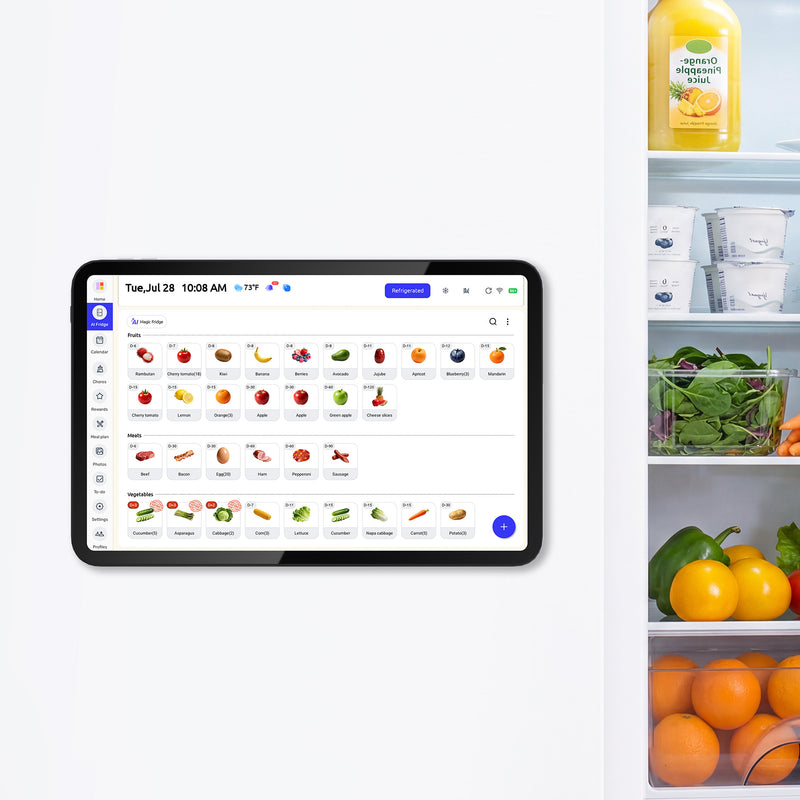
If you want one place to coordinate the moving parts, Everblog is one relevant option. It combines a digital family calendar with chores, meals, grocery planning, rewards, and media in a shared household setup. For summer, that kind of visibility can help with camp pickups, road trip prep, sports gear, and everyday routines that are easy to lose once school is out.
Use these ideas as building blocks, not obligations. Pick a few. Put them on the calendar. Assign the prep. Leave room for weather changes and tired days. That's usually how memorable summers happen.
If you want a shared place to organize trips, camps, chores, meals, and day-to-day summer plans, take a look at Everblog. It's designed as a digital family wall calendar and household hub, which can help busy families keep summer visible and easier to coordinate.


