





Treat multi-kid camp logistics like a repeatable system, not a memory test. A shared schedule, clear driver ownership, and standard handoffs will prevent most daily breakdowns.
If your morning feels like three separate operations happening at once, you are not failing, you are running an under-designed process. Families that define time windows, assign driving ownership, and build backup coverage usually reduce last-minute conflicts within one to two weeks. You’ll get a practical framework to track drop-offs and pickups with less stress and fewer surprises.
Build a Single Family Dispatch System
Track only the fields that change decisions
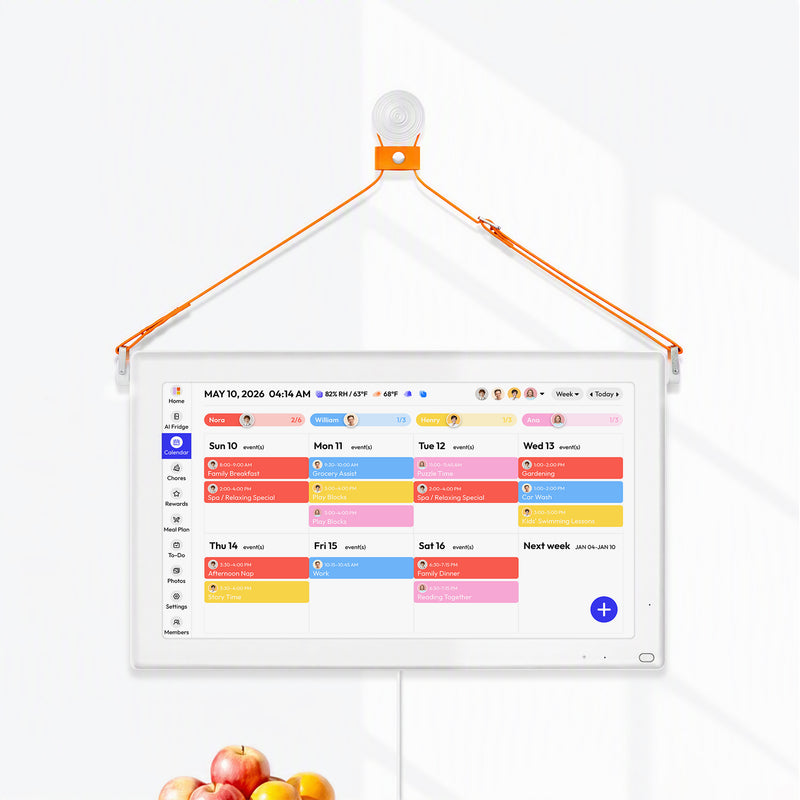
A visible a company helps you catch conflicts before anyone leaves the driveway. For each child, track camp location, drop-off window, pickup window, drive time, assigned driver, and any non-negotiable notes like medication handoff or gear requirements.

A compact a company works well for same-day changes, such as traffic delays, early release, or a driver swap. Run a 10-minute evening reset at 8:30 PM to confirm the next day, stage bags, and flag timing risks.
Use status codes instead of long notes
Short status codes make live tracking faster than paragraph updates. Use P (planned), C (confirmed), T (in transit), D (dropped), and X (exception), then add the driver’s initials so accountability is always visible.
Create a Weekly Driver Rotation With Backup Capacity
Start with overlap math
A a company makes it easier to cluster trips by time overlap and route similarity. Build one weekly map first, then assign households or caregivers so high-traffic days are distributed fairly.

Send the draft rotation at least one week in advance, collect conflict feedback early, and send a Sunday evening reminder. This keeps Monday from turning into a live negotiation.
Add failure tolerance on purpose
A rotation without buffers breaks on the first sick day or freeway delay. Add one to two floating-driver slots each week, keep a standby contact list, and record seat constraints like booster requirements.
Use a simple escalation rule: if delay exceeds 15 minutes, activate backup; if pickup authority changes, require written confirmation before release. Predictable rules are what keep stress from becoming confusion.
Standardize Every Curbside Handoff
Use one sign-in/sign-out protocol
A consistent handoff sequence reduces safety risk and miscommunication during peak traffic. Keep one routine for every child every day: sign in at drop-off, sign out at pickup, and verify release against the authorized list.

Store emergency contacts in both digital and paper formats, and keep permissions child-specific even for siblings. That prevents common errors when one child’s release plan is different from another’s.
Set cutoff rules for exceptions
Early pickups, late arrivals, and alternate pickups should follow a documented exception path, not text-message improvisation. Build extra processing time before pickup windows so families are not forced into rushed handoffs.
This structure feels formal at first, but it removes the repeat failure points: unclear ownership, undocumented changes, and last-minute decision pressure.
Manage Food Safety During the Camp Shuffle
Apply time-and-temperature rules to snacks
The food danger zone of 40°F to 140°F is where bacteria grow quickly, so snack planning should be part of your transport workflow. When outdoor temperatures are high, food safety margins shrink fast in parked or slow-moving vehicles.
A strict 2-hour and 1-hour discard rule should be built into pickup planning: perishable food is out no more than 2 hours, or 1 hour when above 90°F. On long, hot days, favor non-perishable options for in-car waiting windows.
Pack coolers like a two-zone system
A cooler target of 41°F or lower is easier to maintain when coolers are packed full, kept shaded, and opened briefly. Keep beverages in a separate cooler so food coolers stay closed longer and temperatures stay more stable.

Practical Next Steps
A basic camp food-safety kit belongs next to your schedule board: thermometer, sanitizer, clean containers, and enough ice packs for full-day use. Implement in phases: Week 1 for visibility and ownership, Week 2 for backup coverage and exception rules.
If a day goes sideways, run a quick debrief that night and update one rule, not ten. For food safety edge cases, keep official USDA support channels handy so decisions are based on clear standards instead of guesswork.
Action checklist:
- Build one master board with each child’s times, location, route, and assigned driver.
- Run a nightly 10-minute reset at 8:30 PM.
- Publish weekly driving rotation 7 days ahead.
- Add one to two floating-driver backup slots.
- Require documented approval for all pickup-authority changes.
- Apply perishables timing rules: 2 hours max, or 1 hour above 90°F.
- Keep food cooler temperature at 41°F or below and open only when needed.
Important Note
The planning templates and organizational systems provided here are intended as adaptable blueprints. Every family’s needs, dietary requirements, and physical capabilities are different. We recommend tailoring these schedules to your specific health needs and household dynamics. Results from productivity or meal-planning systems may vary, and consistency remains the responsibility of the individual user.
References


