





A 15-minute pre-dinner tidy turns cleanup into a short, shared reset instead of a late-night chore marathon. When everyone joins in at the same time, the house feels calmer, dinner starts with less friction, and no one person carries the full mental load.
Why Pre-Dinner Is the Sweet Spot
Right before dinner is often the best time to reset the house. Everyone is already moving toward the kitchen, the day’s clutter is visible, and a short burst feels manageable.

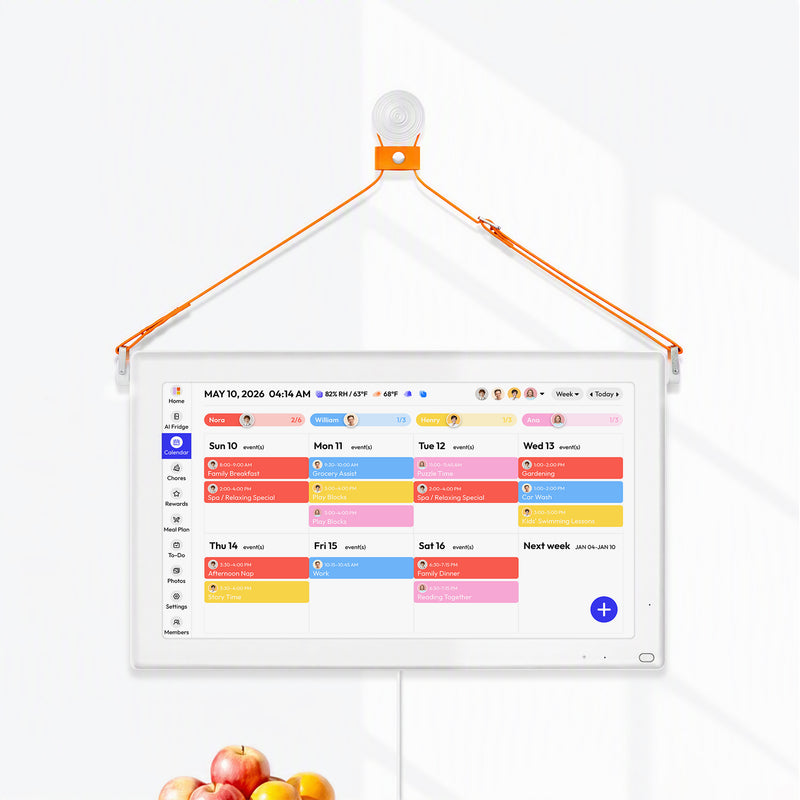
A shared family system can lower stress because it gives everyone the same view of what needs to happen and when. That is the real value of a shared family calendar: less remembering, less repeating, and fewer “I didn’t know” moments.
This routine also pairs naturally with meal prep. Planning even a few dinners ahead can reduce last-minute decision stress, which makes it easier to protect a 15-minute tidy window before the meal starts, as explained in meal prep planning.
The 15-Minute Routine
Keep the routine simple enough that it works on busy Tuesdays, not just ideal Sundays. The goal is visible progress, not perfection.
- Set a fixed time, such as 5:45 PM, and use one timer for everyone.
- Assign each person one zone: the entryway, living room, kitchen surfaces, or backpacks and shoes.
- Focus only on reset tasks: trash, dishes, laundry drops, cushions, and items returned to their homes.
- Stop at 15 minutes and move to dinner, even if the house is not perfect.

A quick calculation helps: four family members doing 15 minutes each creates 60 minutes of cleanup effort in one short block. That usually feels much lighter than one parent spending an hour cleaning after dinner while everyone else disappears.
Give Everyone a Job They Can Actually Do
Children are more likely to help when the task is clear, short, and age-appropriate. The routine should build capability, not conflict.
A preschooler can match shoes, put napkins on the table, or carry toys to a bin. An elementary-age child can clear surfaces, sort mail, or reset the family room. Older kids can unload the dishwasher, wipe counters, or check tomorrow’s schedule.

Shared planning tools can also help children practice responsibility over time. Families often do better when kids can see their role in a visible, color-coded household system, whether that is a wall display, an app, or a smart fridge calendar.
Use a Smart Fridge Calendar as the Cue
If you want the habit to stick, make it hard to miss. A digital calendar works best in a high-traffic space, especially near the kitchen, where the family naturally gathers, as noted in digital wall calendar placement.
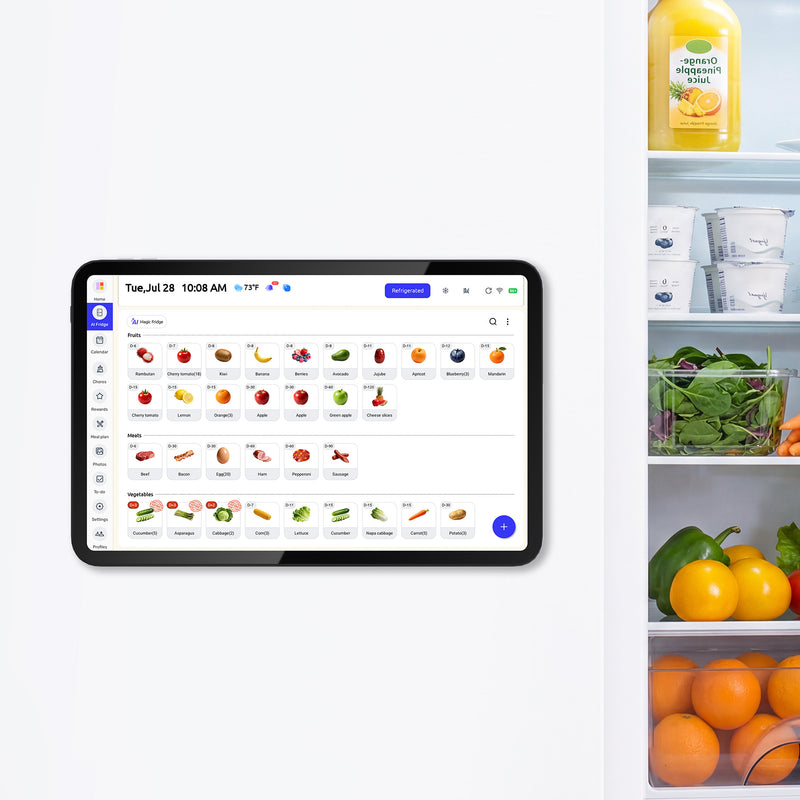
A smart fridge or kitchen display can show the same recurring “Tidy Up” block every weekday, along with dinner, activities, and pickup plans. That visible cue matters more than another app buried on a cell phone.

Keep the tech supportive, not distracting. Family digital routines are healthiest when screens are used with intention, which aligns with healthy digital habits: one shared prompt, one purpose, then back to real life together.
Keep the Win Small and Repeatable
The best pre-dinner tidy is not ambitious. It is repeatable.
If your family is new to routines, start with three nights a week. If evenings are packed, shorten it to 10 minutes. If resistance is high, begin with one shared zone instead of the whole house.
Consistency beats intensity here. A calm, predictable reset helps the home feel more organized, and just as important, it helps family members feel like they are taking care of the home together.


