




A smooth school year starts with systems, not last-minute shopping. Build routines, organize spaces, and lock in lunch safety before the first bell.
Ever hit 7:10 AM with one missing shoe, an unsigned form, and no lunch packed? That pattern is fixable with a repeatable setup, not more effort. With a few structured changes made before school starts, you can reduce morning scramble, protect food safety, and run weekdays with far less stress.
Build Your Logistics Framework First
Use the 3-system model: time, space, supplies
A practical family planning benchmark notes that households may pack close to 200 lunches each school year, and a designated near-door launch pad can cut search time by up to 40% launch pad. Treat this as an operations problem: manage time (routines), space (drop zones), and supplies (consumables).

A pre-school prep list with 18 pre-school tasks reinforces that early wins come from sequencing: schedule appointments, enroll in activities, clean freezer space, and set calendar dates before classes begin. When these are done early, week-one decisions become smaller and faster.
A mom-focused checklist updated November 24, 2025 highlights that contact teachers about a week before day one when needed. Early communication is a practical risk-control step for learning gaps, medication notes, or social concerns that can otherwise surface as urgent issues in week one.
Set Routines 2 Weeks Before School Starts
Shift sleep and wake times gradually
An 8-step back-to-school plan recommends starting at least 2 weeks early and moving bedtime/wake time by 15 minutes every few days. For school-aged kids, the same guide lists 9-12 hours of sleep for ages 6-12, giving you a clear target rather than guessing nightly.
A separate checklist emphasizes earlier bedtime and earlier wake-up practice before day one, not on day one. This gradual shift prevents the first week from becoming a daily reset battle.
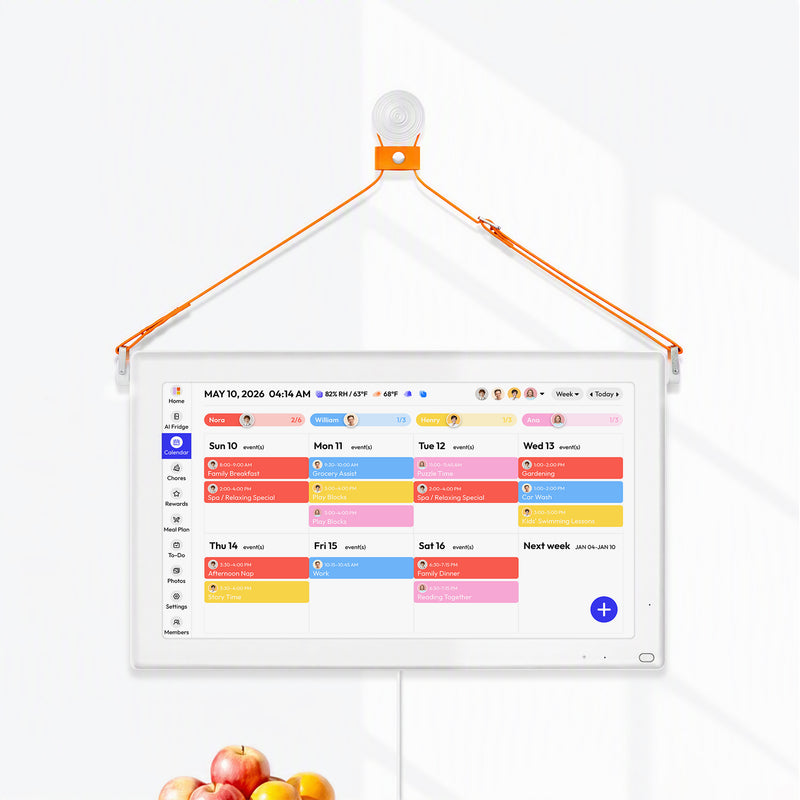
For schedule control, families get better results when they run one shared system and review it weekly: a digital calendar plus a visible home calendar, then a short Sunday-night review update weekly. Add first-week buffers by starting mornings 15-20 minutes earlier.
Shop in Modules, Not in One Big Trip
Split purchases into core, consumables, and clothing
A practical buying rule is to use first week of August markdowns for basics and buy pencils, paper, erasers, and crayons in bulk for multi-year use. This lowers both cost and emergency store runs later.
A parent checklist with 15-item school-supply list aligns with creating a fixed home setup: backpack/paper station, bag-and-shoe drop zone, and a dedicated study area. Pair that with simple quantity minimums so you can restock by threshold, not by memory.

For clothing, baseline counts from one school-age checklist include ranges like 3-5 T-shirts, 3 pants/jeans, and 7-10 socks and underwear clothing checklist baseline. Then reduce weekday decision load by pre-labeling weekday outfits and pre-packing full sets on weekends.
Make Lunch Safety a Core Checklist Item
Keep food out of the danger zone
USDA reminders for school lunches define Danger Zone (40°F to 140°F), where bacteria grow quickly, and note that younger children are at higher risk of severe illness. Build lunch prep around this temperature rule every day.
USDA back-to-school lunch guidance recommends an insulated lunchbox plus at least two cold sources, with one above and one below perishable items. Hot foods should go into a preheated insulated container so food stays at 140°F or higher until lunch.

Salt is not a safety shortcut: research shows S. aureus remains a key salted-food pathogen because of high salt tolerance, and separate lab work found high-salt stress can alter antibiotic susceptibility in E. coli. Operationally, keep using USDA’s Clean, Separate, Cook, Chill steps, discard foods left unsafe for over 2 hours, and sanitize lunchboxes daily.
Practical Next Steps
14-day implementation sprint
A reliable setup is to stage changes over at least 2 weeks early: routines first, space second, shopping third, then food-safety execution in week one. This sequence prevents expensive overbuying and reduces last-minute rework.
Use this concise checklist:
- Set bedtime/wake-time shifts in 15-minute steps for 14 days.
- Build a launch pad near the door with hooks, bins, and one paper station.
- Fill calendar dates, then run a 15-minute Sunday family review.
- Buy core supplies in bulk and set reorder minimums for consumables.
- Pre-pack weekday outfits and place shoes/backpacks in fixed spots nightly.
- Pack lunches with insulated containers, two cold sources, and daily lunchbox sanitation.
Failure points are usually predictable: late sleep resets, unclear item locations, and lunch safety shortcuts. Keep one-page standards on the fridge, contact teachers about concerns before day one, and use a short first-day ritual (photo plus note in lunchbox) to start the year with consistency.
Important Note
The planning templates and organizational systems provided here are intended as adaptable blueprints. Every family’s needs, dietary requirements, and physical capabilities are different. We recommend tailoring these schedules to your specific health needs and household dynamics. Results from productivity or meal-planning systems may vary, and consistency remains the responsibility of the individual user.
References
- USDA press release (August 5, 2025): https://www.usda.gov/about-usda/news/press-releases/2025/08/05/usda-reminds-families-pack-food-safety-back-school-lunches
- USDA blog (August 19, 2025): https://www.usda.gov/about-usda/news/blog/2025/08/19/get-lunchbox-back-school-food-safety
- mSphere study (2018): https://pmc.ncbi.nlm.nih.gov/articles/PMC5909119/
- S. aureus salt-adaptation study: https://ncbi.nlm.nih.gov/pmc/articles/PMC9140498/
- Back-to-school checklist for moms (updated November 24, 2025): https://www.baby-chick.com/back-to-school-checklist/
- Parent pre-school task checklist: https://sortwsnape.com/back-to-school-checklist-for-parents/
- Busy moms planning guide (8-step plan): https://www.leggday.com/post/busy-moms-planning-guide-for-back-to-school-2025
- FamilyRhythm page noted as unavailable at capture time: https://familyrhythm.com/blog/family-operating-system


