


The simplest fix for back-to-school chaos is to stop spreading plans across texts, papers, and memory. Put school dates, meals, chores, forms, and daily routines into one shared hub that everyone can see and check.
Does your week fall apart at the handoff points, like breakfast, pickup, homework, and bedtime? Families usually do better when they use one visible system, a short weekly reset, and a few repeatable routines instead of trying to remember everything. Here’s how to build a shared planning hub that helps the next seven days run more smoothly.
Why Back-to-School Planning Breaks Down
Back-to-school season adds pressure fast. Work meetings, school start times, practices, homework, lunch packing, and permission slips all compete for the same small windows of time. When those details live in different places, one parent carries the mental load and everyone else reacts late.

A paper wall calendar works best in low-change households, but school-season family life changes too often for a static view to hold up on its own. One child has early release, another needs cleats by 4:30 PM, and someone remembers the class snack sign-up at 8:10 PM. The problem is not that a family is disorganized. The problem is that the system is too scattered.
Routines also slip when they stay in adults’ heads. School-year routines tend to work better when they are consistent and visible, especially for mornings, after-school transitions, and bedtime. That matters because the usual breakdown is not the big event on Thursday. It is the small missed handoff on Monday that makes Thursday harder.
What a Shared Planning Hub Should Include
A planning hub is one shared home base for the information people ask for every day. A family command center is meant to hold schedules, school papers, homework, and to-do lists in one place, so fewer things get lost between the car, the kitchen counter, and a backpack.
Four parts that matter most
Start with four surfaces:
- A shared family calendar for school, work, activities, and appointments
- A meal plan for dinners, lunches, and grocery gaps
- A task area for chores, homework, and forms
- A drop zone for backpacks, keys, chargers, and papers that need signatures
That setup handles most weekday friction. A parent can glance at the calendar at 7:00 AM, a child can see whether today is library day, and a caregiver can check the after-school plan without texting three people. If you have a small home, use a narrow wall, cabinet door, pantry side, or entryway corner instead of waiting for a perfect office nook.
Keep it visible, not perfect
The best place is where decisions already happen. A shared display in the kitchen, pantry, or another high-traffic spot works because people naturally pass through it several times a day. Add labeled folders or baskets for each child, plus one spot for papers that need action today.
Children follow through better when the system matches their stage. Visual charts and labeled storage help younger kids who are not reading fluently yet, while older kids can manage color-coded events and a simple checklist. The goal is not a beautiful wall. The goal is that people can use it when they are tired.
Use Digital for Shared Timing and Visible Surfaces for Daily Action
A good family hub uses both digital and physical tools, but for different jobs. Digital is best for shared timing, reminders, and updates on the go. Visible home surfaces are best for daily action, like seeing tonight’s dinner, signing a form, or remembering that Wednesday is the late pickup day.
What digital does better
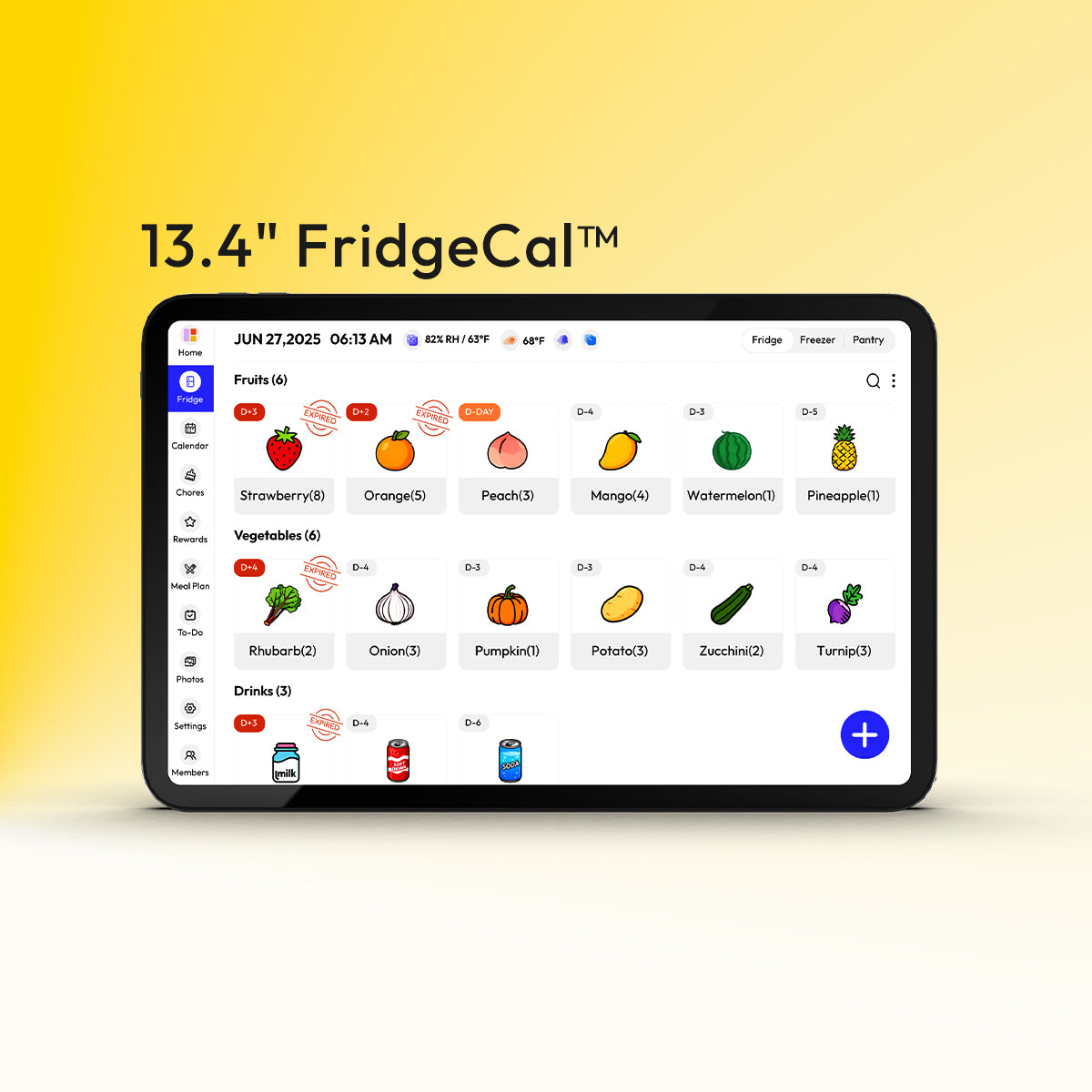
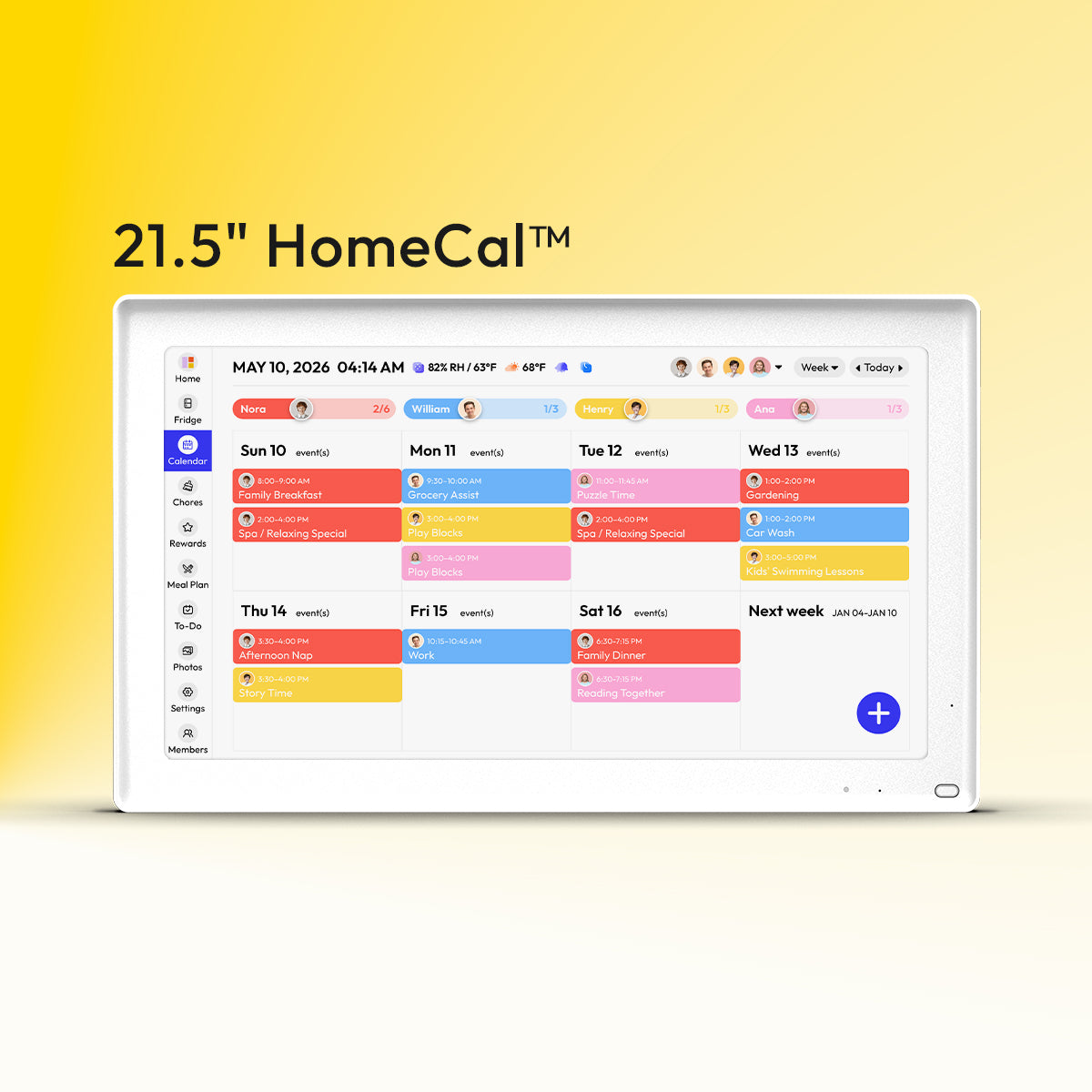
A shared digital family calendar is strong at syncing personal devices, sending reminders, and keeping schedule changes from getting stuck in one person’s phone. It also gives you one current version of the week instead of five partial versions. For back-to-school season, that matters most for early dismissals, practices, teacher meetings, and pickup changes. For families who want that timing visible at home too, a wall-mounted option like the Everblog digital calendar can keep events, tasks, and chores in one shared view.

Keep the calendar simple. Use 4 to 6 fixed colors, not a rainbow. One color can mean school, one work, one activities, one household, and one each for children only if your family really needs it. Too many colors make the screen look busy and reduce the value of the quick glance.
What visible home surfaces do better
Visible planning tools are better for transition points. Creating a visual daily schedule and practicing routines before school starts helps children know what happens next, especially in the morning and after school. A child may not open a calendar app, but they will notice a checklist by the backpack hooks.
This is also where meals and papers belong. If the dinner plan is in the same hub as the soccer schedule, you can see conflicts sooner. If a school form sits in an “action” tray instead of disappearing into a tote bag, it gets signed before bedtime instead of during morning panic.
Build a Weekly Rhythm the Household Can Actually Keep
Most family systems fail because they ask for too much daily effort. A better model is a short weekly reset and a very short nightly check. One practical setup uses a 20- to 30-minute Sunday reset and a 3-minute nightly check, which is realistic for busy households.
The Sunday reset
Use one weekly meeting to load the week into the hub. Put in school events, work conflicts, activity times, meal plans, and any forms or supply needs. Families often do better when they talk through expectations together. A short back-to-school family meeting with a simple agenda and written agreements helps children know what is changing and where they have a say.

Keep this meeting plain. Cover:
- What is fixed this week
- Who is driving or picking up
- What nights are too busy for a full dinner
- Which chores matter most
- What papers, payments, or school items need action
The nightly check
The nightly check is not another meeting. It is a 3-minute scan: tomorrow’s start time, clothes, lunches, backpacks, and any unusual handoff. Night-before preparation supports easier mornings and better sleep routines. If you skip one step, skip almost anything except this one.
This is also the right time to reset after-school expectations. If tomorrow has tutoring, no one should discover that at 4:45 PM. If tomorrow is leftovers because of practice, the meal plan should already show that. The less a family has to decide in the moment, the calmer the house usually feels.
Assign Roles So the System Does Not Depend on One Adult
A shared hub only works if it spreads the work. Children do not need to manage the whole week, but they can own repeatable pieces. Children should help plan routines because ownership makes follow-through more likely.
Give each person a small, clear job
Try roles like these:
- One adult updates the calendar
- One adult checks forms, supplies, and school messages
- One child clears and repacks their backpack nightly
- One child checks the meal board and helps set out lunch items
- One child handles a rotating simple chore like trash, sweeping, or table reset
This works better than vague instructions like “help more.” In one large-family example, weekly rotating chores helped children practice different skills, but the changeover still required a few days of reminders. That is a useful reality check: if a new role does not stick by day one, the system is not broken. It probably just needs a clearer chart and a few repeats.
Plan for uneven follow-through
Assume someone will forget. Build for that. Use labels, checkboxes, baskets, and one backup reminder instead of repeated verbal prompts. If your child needs more predictability, a short visual sequence can help: shoes, water bottle, folder, lunch, backpack by the door.
Families often make things harder by changing too much at once. Keep the hub simple for two weeks before adding extras. A working boring system beats an ambitious one that no one checks after Tuesday.
FAQ
Q: Should we use a digital calendar or a wall command center?
A: Use both, but give them different jobs. Digital handles timing, reminders, and schedule changes. A visible command center handles meals, papers, chores, and daily checklists that people need to see in shared spaces.
Q: Where should the planning hub go if we do not have much wall space?
A: Put it where people already stop, such as a kitchen side wall, pantry door, cabinet door, hallway nook, or entry area. The best spot is the one your family passes several times a day.
Q: What usually breaks first in a family planning system?
A: Too many moving parts, unclear ownership, and no weekly reset. Most families do better with one shared calendar, one paper flow spot, a short Sunday review, and a very short nightly check.
Practical Next Steps
Try this for the next seven days:
- Pick one visible location for the hub
- Add one shared calendar, one paper tray, and one meal-and-chores board
- Limit your color system to 4 to 6 categories
- Hold a 20-minute family reset on Sunday
- Run a 3-minute check each night after dinner
- Give each child one clear school-year job
- Review what people ignored, then simplify instead of adding more
A better back-to-school system is not about tracking every detail perfectly. It is about making the next right thing easy to see, easy to share, and easy to repeat.


