







Teens can learn these two home-maintenance skills quickly when you teach them inside one shared family system. Clear ownership, safety steps, and weekly follow-through matter more than repeated reminders.
If a toilet starts rising before school and a hallway bulb burns out at night, most teens guess instead of act. In one family of five, setup took about an hour and routines improved over six months (E1 internal household observation). You’ll get a simple framework, practical safety routines, and a two-week rollout that makes these skills stick.
This is basic household guidance, not a professional plumbing or electrical repair manual. Teens should perform these tasks with adult supervision. Stop immediately if anything feels unsafe or unclear, and do not continue past basic steps. Contact a parent or guardian first, then a licensed professional when escalation triggers appear.
Before You Start: Safety Checklist
- Wear waterproof gloves and eye protection for any possible sewage contact, because workers handling human waste or sewage should use PPE.
- Keep hands dry, avoid touching energized parts, and treat electrical warning signs as stop signals in electrical safety in the home.
- Use a stable step stool, not a chair.
- Confirm the correct bulb type is ready before climbing.
- Turn off the switch first; if needed, shut power at the breaker before fixture contact, and reserve advanced work for a qualified electrician.
- Confirm a parent or guardian is present and aware you are starting.
- Keep a phone nearby so you can call for help fast.
- For toilet clearing, do not use boiling water; use hot tap water only.
- Stop immediately if anything is unclear or feels unsafe.
Build the System Before You Teach the Skill
Use a 3-part framework
A teen maintenance routine works best when it solves visibility, accountability, and adoption, so everyone knows what to do, whose turn it is, and whether it is done. For toilets and lightbulbs, assign one owner, one trigger, and one completion standard.

Paper systems often drop off after about two weeks in one household rollout (E2 internal household observation), while reminders and task history make digital routines easier to sustain in a digital tracking workflow. When resets are automatic, parents stop carrying the full mental load.
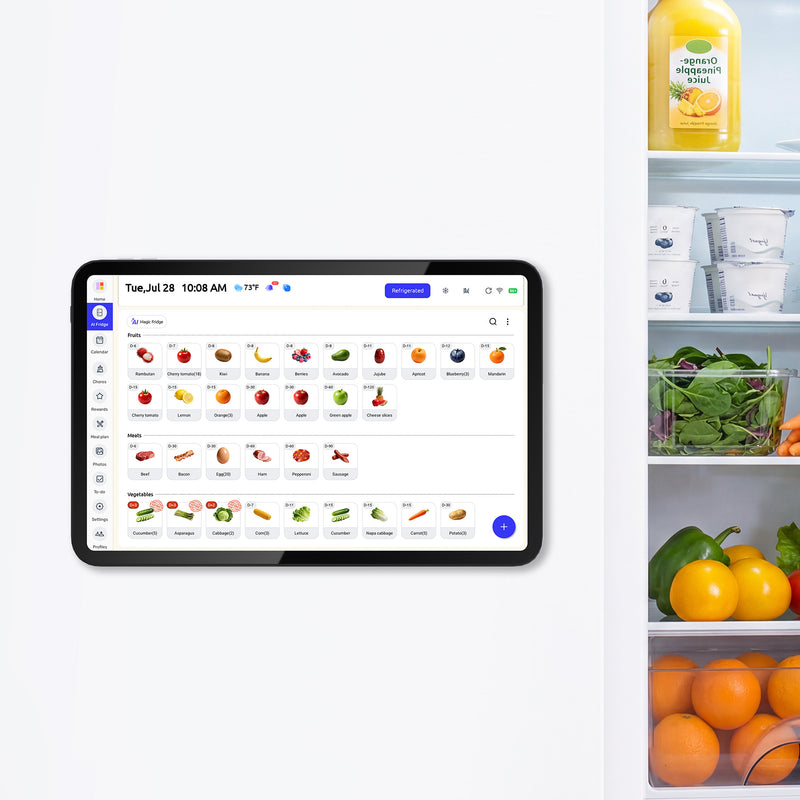
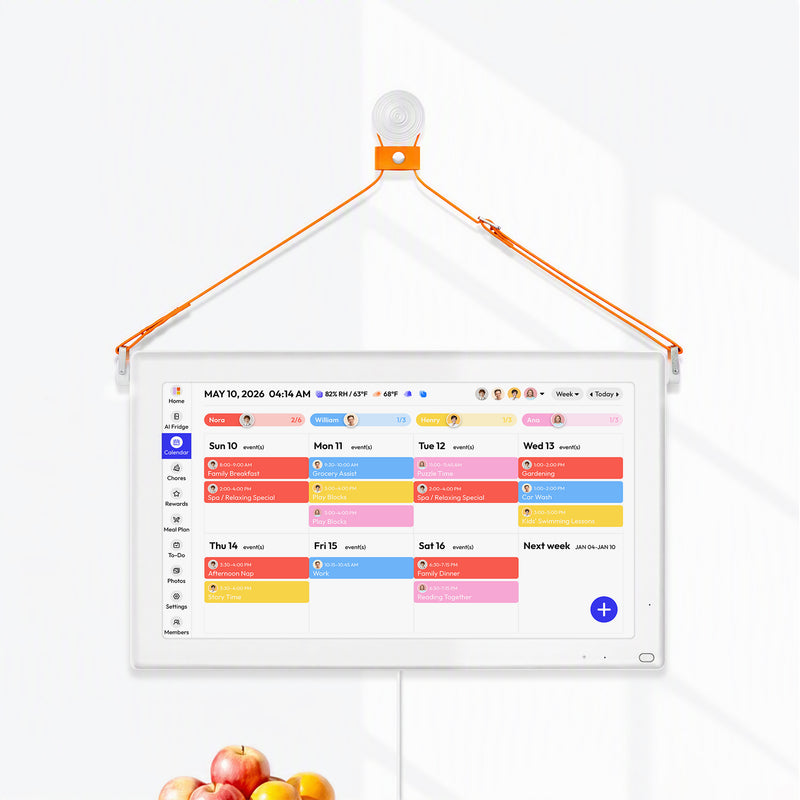
A visible home display plus phone syncing improves follow-through, and the a company showed a family of five launching in about one hour. Start with two maintenance tasks per teen and expand after consistency.
Assign Responsibility by Readiness, Not Just Age
Build an age-and-skill ladder
An age-appropriate chore chart places bulb changes in lamps and low fixtures around ages 8–9, and overhead bulbs at 12+ with supervision. That progression gives teens wins before higher-risk tasks.
Routine chores build independence, and the teen life-skill outcomes include responsibility, time management, teamwork, problem-solving, and autonomy. With average U.S. teen screen time reported at 7 hours 22 minutes daily, scheduled maintenance blocks are practical, not optional.

A nightly “find three helpful things” scan grows initiative faster than step-by-step commands, and the three-things method is a useful way to reduce invisible labor. Use it in bathrooms and hallways so teens notice issues before they become emergencies.
Starter skill matrix
Skill |
Practice stage |
Independent stage |
Done standard |
Toilet response |
Stops flushing, gets adult |
Runs full unclog sequence |
Bowl drains normally, area cleaned |
Lightbulb change |
Replaces lamp bulb |
Replaces overhead bulb with safety checks |
Correct bulb installed and tested |
Prevention |
Refills toilet paper and reports slow drain |
Adds supplies to shopping list |
Supplies stocked for 7 days |
Toilet Clogs: A Safe Escalation Plan Teens Can Memorize
If danger appears: memorize this response
Septic backup guidance says to avoid contact with sewage and escalate quickly when contamination risk is present.
- Stop immediately.
- Open ventilation if safe and leave the affected area.
- Contact a parent or guardian.
- Call local emergency services for fire, electric shock, gas odor, or ongoing sewage overflow.
Call a licensed plumber now if:
- The same clog repeats within 24-48 hours.
- More than one drain is backing up or gurgling.
- Sewage odor persists.
- You see visible pipe leaks, cracks, or damage.
- Sewage keeps entering the home after basic stop steps, and local health department or regulatory guidance is needed.
Step 1: Prevent overflow first
Treat unclogging as one of the near-adult teen responsibilities and teach it before an emergency. First rule: stop flushing. If water rises, turn the shutoff valve below the tank clockwise.
Step 2: Clear in controlled cycles
A clear task owner and completion check reduces panic because the tool and sequence are already defined. Use a flange plunger, keep the cup submerged, seal the outlet, and do 15–20 push-pull strokes per cycle. Test once; if water rises, stop refill and repeat 2–3 cycles.
Step 3: Escalate safely
A saved household checklist in your digital chore system prevents risky improvising. For soft clogs, one household option is about 1/4 cup dish soap and roughly 1 gallon of hot tap water (not boiling), wait 15–30 minutes, then retest (internal household practice).
Stop Now and Escalate
- Skip harsh chemical drain cleaners.
- Use this household threshold: if the same clog repeats within 24-48 hours, stop and escalate.
- Stop immediately for multiple drains backing up or gurgling sounds.
- Stop immediately for bad odors and sewage backup.
- Stop if water level keeps rising after 2-3 plunge cycles, if you see visible leakage, or if you are unsure how to use the shutoff valve.
- Contact a parent/guardian immediately and call a licensed plumber when backup signs are present.
Lightbulb Changes: Safety First, Then Energy Habits
Use a repeatable safety sequence
Bulb replacement is part of maintenance-ready chore progression when safety is consistent. Turn off the switch, let the bulb cool, use dry hands, stand on a stable step stool (not a chair) because step stools can collapse or tip, match bulb type and fixture compatibility, and never force a stuck bulb.
Stop and Get Help Now
Electrical home safety guidance treats warning signs as immediate escalation triggers.
- Stop touching the fixture.
- If safe, turn power off at the breaker.
- Clear people from the area.
- Contact a parent or guardian.
- Call local emergency services for smoke, fire, electric shock, or gas odor.
Call a licensed electrician for:
- Sparks, buzzing, or scorch marks.
- Recurring flicker after bulb replacement.
- A fixture that stays unusually hot.
- Any condition where all electrical work should be done by a qualified electrician.
Connect the habit to real costs
A family electric-bill conversation helps teens connect lights to real money and environmental impact. One practical method is a simple point system for lights left on, with a predictable consequence at a set threshold.
Put reminders where decisions happen
Context-based reminders inside a shared family calendar beat verbal reminders alone. Set a Sunday reminder for bulb checks and a nightly 9:00 PM “lights-out sweep” rotation.

Tie Maintenance to Your Family Calendar and Meal Planning Rhythm
Use one weekly cadence
A 5-minute morning check and evening update routine keeps chores visible without long meetings. Put home maintenance on Thursday, and keep Monday for meal planning and supply planning.
A single place for calendar, tasks, meals, and shopping lists closes the loop from “we’re out of bulbs” to an actual purchase. Teens should be able to add supplies from their cell phone so the system does not rely on memory.
Combining maintenance with a meal-plan-to-grocery workflow prevents missed supplies and last-minute stress. Recurring list items should include toilet paper, gloves, and replacement bulbs.
Sample weekly block template
Day |
Family system block |
Teen maintenance focus |
Monday |
Meal plan + grocery list |
Add bulbs, gloves, toilet paper |
Tuesday |
Quick task review |
Restock bathroom supplies |
Wednesday |
Midweek check |
Spot slow drains/flickering bulbs |
Thursday |
Home maintenance block |
Practice unclog + bulb routine |
Friday |
Reset + rewards |
Confirm completions |
Saturday |
Family tidy-up |
Deep-clean bathroom zones |
Sunday |
Next-week planning |
Reassign roles and reminders |
Practical Next Steps
A shared command center is the highest-leverage change because it reduces coordination stress across chores, schedules, and meals. One family case log reported less coordination stress after centralizing tasks, schedules, and meals (E3 internal household observation).
A short ramp-up in your digital routine is more reliable than a full reset in one day. Start small for 14 days, then increase complexity only after consistent completion.
14-day action checklist
- Choose one shared family calendar/task app and assign two maintenance tasks per teen.
- Teach the toilet overflow-stop sequence and run one supervised plunger practice.
- Teach the bulb-change safety sequence on one lamp, then one low fixture.
- Schedule Sunday 7:00 PM planning and weekday 9:00 PM lights-out sweeps.
- Add maintenance supplies to Monday meal-planning grocery flow every week.
- Review completion every Friday and keep one clear reward plus one clear consequence.
Important Note
The planning templates and organizational systems provided here are intended as adaptable blueprints. Every family’s needs, dietary requirements, and physical capabilities are different. We recommend tailoring these schedules to your specific health needs and household dynamics. Results from productivity or meal-planning systems may vary, and consistency remains the responsibility of the individual user. Evidence labels, limitations, and adaptation factors are summarized in Sources and Method Notes.
Sources and Method Notes
E1-E3 labels mark internal household observations rather than externally validated studies: E1 (family-of-five setup time and six-month routine change), E2 (paper-vs-digital adherence pattern), and E3 (lower coordination stress after centralizing calendar/tasks/meals).
External escalation signs are based on multiple drains backing up or gurgling sounds and bad odors and sewage backup.
Professional escalation language for property-side sewer backups follows guidance to contact a licensed plumber.
For external verification and scope limits, use manufacturer instructions for the exact fixture or toilet parts, check local water utility, permitting, or health contacts described in EPA septic system FAQs, and align home electrical decisions with NFPA electrical safety guidance.
Home-safe tasks |
Professional-only signs |
Stop flushing, close toilet shutoff, supervised plunging cycles, and basic bulb replacement with power off |
Repeat backups, sewage entering the home, persistent sewage odor, visible pipe damage, sparks, scorch marks, shock, recurring flicker, or overheating fixtures |
If uncertain at any point, stop and contact a licensed plumber or licensed electrician.
Limits: these observations come from a small, household-specific sample and may not generalize to every home. Adapt triggers and completion standards to home layout, fixture type, and supervision level.
References


