






The easiest way to make school-day routines smoother is to use one shared system everyone can see and keep the routine small enough to repeat on tired days. Busy families do better with visible cues, clear roles, and a short daily check-in than with more reminders from one overwhelmed adult.
If your morning starts with missing shoes, unsigned papers, and a last-minute text about pickup, the problem is usually not effort. It is that too much important information is living in too many places. A simple shared calendar plus one home command spot can make handoffs easier, cut down on missed steps, and help everyone know what happens next.
Where School Routines Usually Break
The hidden work problem
Before-school and after-school stress often comes from hidden work. One parent remembers the early band drop-off, another remembers snack duty, and nobody notices the library book until 7:42 AM.
A family command center works because it puts schedules, papers, mail, homework, and lists in one visible place instead of scattering them across counters, phones, and backpacks. That matters most at handoff points: getting out the door, coming back home, and switching from school to dinner, homework, sports, or bedtime.

Too many reminders, not enough cues
Families often try to solve routine problems by repeating instructions. That works for a day or two, then everyone tunes it out. A better fix is to move the routine onto surfaces people already pass.
A central area to manage schedules, belongings, reminders, and paperwork is more useful than a perfect planner hidden in a drawer. When backpacks, keys, forms, and the weekly plan all live near the kitchen, mudroom, or entry door, the system starts doing some of the remembering for you.
Why afternoons unravel
After school is where the day often slips. Kids arrive tired, adults are still working, and the next few hours may include homework, activities, pickup changes, and dinner. Without a shared view, families end up renegotiating the same decisions every day.
That is why routines need to cover more than the school bell. The strongest systems connect calendar events, paper flow, meal planning, and a short list of expected after-school steps.
Build One Shared System, Not Three Separate Ones
Pick a calendar everyone can actually use
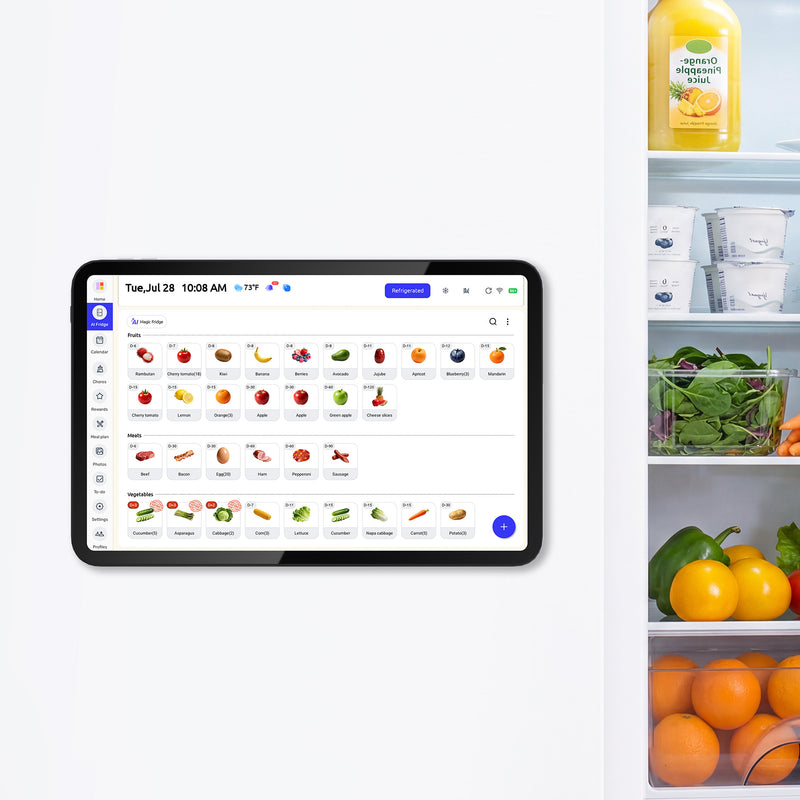
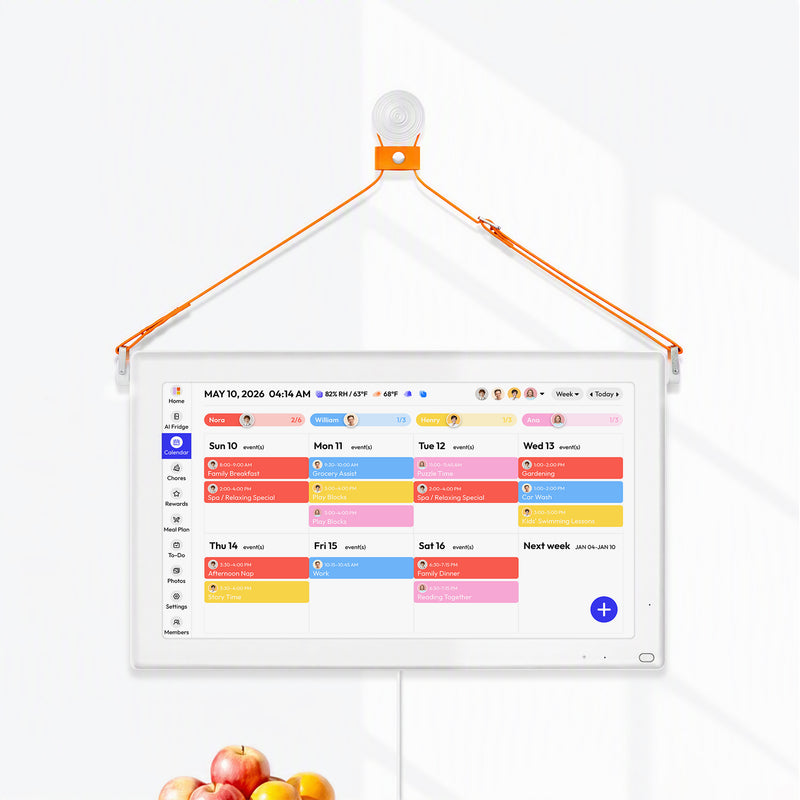
A shared family calendar app helps when it centralizes school events, sports, appointments, and pickups in one place both adults can check quickly. The best choice depends on your device mix and how much else you want the tool to do. If your family is more likely to follow a schedule they can see in one place, a wall-mounted display like the Everblog 21.5" Digital Calendar can also fit, since it is designed for wall mounting and helps families view plans, tasks, chores, and events on one screen.

For many families, the simple test is this: if you already live in a platform, use that platform's calendar first; if you need built-in lists and reminders, use a family organizer like a platform or another platform. A platform creates a family calendar inside a family group, and anyone with access can edit events. One platform is built around a shared family calendar with color-coding, reminders, and a daily snapshot. Another platform adds a shared dashboard for calendar items, to-dos, shopping lists, and meal planning.
Use color and timing, not long explanations
Once a family has more than one child in activities, color-coding stops being decorative and starts being practical. A tested parent review notes that color-coding becomes especially important when multiple kids are in activities, because adults can scan the week faster.
Keep calendar entries short and specific. “Soccer” is not enough. “Soccer, 5:30 PM, blue bag, field B, Dad pickup” is better. If the event changes what happens at home, add that too: “No time for full dinner, use taco leftovers.”
Keep paper and digital in sync
A digital calendar handles updates well, but paper still matters for school forms, flyers, and things kids physically carry. That is why the system should have one digital home and one physical home.
Use the calendar for time-based information and the command center for action-based information. If a permission slip needs to go back Thursday, the paper goes in one visible slot and the deadline goes on the shared calendar with a reminder the night before.
Set Up a Command Center That Helps at the Door
Put it where the family already stops
The best command center is not the prettiest one. It is the one placed where people already pause with full hands. Both family command center examples and setup advice point to high-traffic spots like the kitchen, mudroom, garage entry, or an unused wall near the door.
For school routines, that location matters more than size. A narrow wall can work if it holds the right things: a monthly calendar, hooks, one paper slot, and a drop zone for backpacks or mail. One example in the research used a garage-door wall with hooks, cubbies, a calendar, and places for keys and jackets. That is enough for many households.

Keep the parts simple
A useful command center usually needs four things: a visible calendar, a drop zone, a place for important papers, and easy storage. If you add too much, the system becomes another mess to manage.
Try this basic layout:
- Hooks for backpacks, jackets, or lanyards
- One tray or bin for mail and school papers
- One board or calendar for the week
- One small list area for groceries, meals, or reminders
- One charging spot if phones or tablets are part of pickup communication
Avoid the clutter trap
The most common failure is overstuffing the space. If every flyer, art project, receipt, and random note lands there, the command center stops functioning as a decision tool.
Set a rule that only current information stays visible. School papers that need action stay out. Everything else gets recycled, filed, or moved. A command center should reduce visual noise, not become a museum of unfinished tasks.
Make Morning and Afternoon Routines Short Enough to Repeat
Create a fixed before-school checklist
A family schedule works best when it spells out what happens, when it happens, who does it, and how long it takes. For mornings, that means replacing vague goals like “get ready faster” with a short repeatable list.
A strong before-school checklist might include:
- Get dressed
- Eat breakfast
- Pack water bottle and lunch
- Put homework and folder in backpack
- Check calendar and pickup plan
- Shoes on, backpack at door
Keep the list visible near the launch point. Younger kids may need pictures or a dry-erase checkbox. Older kids usually do better with fewer words and clearer ownership.
Give afternoons a reset point
After-school routines break because kids walk in carrying hunger, fatigue, paper, and new information. Give the afternoon a reset point before homework or screens.
A simple sequence works well: backpack to hook, lunchbox to kitchen, papers to tray, quick snack, check the calendar, then move to the next task. That short pattern helps the whole house know whether the afternoon is a homework day, an activity day, or a home-early day.

Expect uneven follow-through
No family follows the routine perfectly every day. That is normal. The goal is not to remove all reminders. The goal is to make reminders shorter and less personal.
When the system breaks, look for the missing cue. If shoes never make it back to the same place, the problem may be storage. If nobody checks the calendar, the problem may be timing. Fix the environment first, then decide whether the routine itself needs to change.
Use Weekly Planning to Prevent Daily Scrambling
Hold one short planning session
A weekly planning rhythm saves more stress than a daily rescue effort. Many family scheduling tools are useful because they put the whole week in one shared view, not because they are fancy.
Set aside 10 to 15 minutes once a week to review school events, work conflicts, transportation, meals, and chores. A shared calendar built for families can help both adults see school events, practices, dentist visits, and other commitments at once. If you prefer a platform, the family calendar is already shared inside the group and can be edited by those with access.
Plan meals around the real schedule
School routines get easier when dinner is part of the school plan instead of a separate problem. If Tuesday has two pickups and one late practice, that is not the night to try a complicated new recipe.
A visible system helps here too. Family organization tools such as a platform and another platform combine shared calendars with shopping lists or meal planning, which is useful when a busy afternoon affects both transportation and dinner. Posting the week’s meal plan near the calendar also gives older kids and other adults a better chance to help.
Decide who owns each handoff
Many routine failures are really ownership failures. Everyone assumes someone else packed the snack, signed the form, or checked the dismissal change.
Write down who owns which handoff. One adult may own calendar entry, another may own school-paper review, and one child may own refilling the water bottle and returning the folder to the backpack. Clear roles reduce hidden work and cut down on repeated mental load.
Choose the Right Tool for Your Family
When a free digital calendar is enough
A simple shared calendar is often enough for families who mainly need scheduling. A platform’s family calendar works well if your household already uses that platform’s accounts and needs shared events across devices.
This option makes sense when your main problem is missed events, confusing pickup plans, or one parent not seeing changes in time. It is less helpful if you also need shared chores, meal planning, or a stronger home dashboard.
When an all-in-one organizer helps more
If your family juggles school, activities, shopping, chores, and dinner planning in the same week, an all-in-one app may fit better. A real-parent test found a platform easy to set up in under 10 minutes, with color-coding, shared lists, and weekly email summaries. That platform also supports up to 12 family members and reminder options inside its calendar system.
Apps like a platform or another platform can make sense if you want scheduling plus shared lists, chores, and meal tools in one place. The trade-off is that all-in-one tools can do more, but they also ask the family to learn one more system.
When a visible wall display is worth it
A wall calendar or digital display can be useful if people do not reliably open apps. The value is not the screen itself. The value is shared visibility in a place the family passes every day.
For some homes, that still means a paper or dry-erase monthly board next to the door. For others, a digital display is worth the cost because it reduces the copy-work of rewriting school and sports schedules. Start with the least expensive version that gives you a visible shared view, then upgrade only if the habit sticks.
FAQ
Q: Should we use a paper calendar, a digital calendar, or both?
A: Use both if you deal with frequent school papers and changing schedules. Let the digital calendar handle live updates and reminders, and let the command center handle forms, drop-zone items, and the week at a glance.
Q: What if one parent uses the system and the other forgets?
A: Shrink the system before you blame the person. One shared calendar, one paper tray, and one weekly check-in is easier to maintain than a large setup with too many lists and boards.
Q: How much should kids be responsible for?
A: Give kids one or two repeatable jobs that match their age, such as placing papers in the tray, checking the backpack list, or reviewing the next day’s activity. Involving children in schedules and routines improves visibility and makes the plan easier to follow.
Practical Next Steps
Start with one shared calendar and one visible home spot, then build only what your family will keep using next week. The best school routine is not the most detailed one. It is the one that still works on a rushed Tuesday.
Action checklist
- Pick one shared calendar and add all school, activity, and pickup events for the next 7 days.
- Choose one high-traffic home spot for a command center near the kitchen, mudroom, or entry door.
- Set up four basics there: calendar, hooks, paper tray, and a short reminder or meal list.
- Write one before-school checklist and one after-school checklist, each with no more than six steps.
- Hold a 10- to 15-minute family planning check-in once a week.
- Assign one owner for each handoff: calendar updates, paper review, pickup changes, and backpack reset.
- Remove anything from the command center that is not current or useful this week.


