


Busy blended families usually need one shared planning system, not more effort or more reminders. The fastest relief often comes from making schedules, meals, chores, and handoffs visible in one place.
If your week feels like a string of pickups, duplicate texts, missing shoes, and last-minute dinner decisions, the problem is often the system, not the people in it. Nearly 60% of parents say managing family schedules is somewhat or very difficult, and many also want more help with household logistics. What follows is a practical way to make routines easier, clearer, and less stressful for adults and kids.
Start With One Shared System Everyone Can Read
Pick the format that fits your real life
Digital calendars help manage busy schedules when a household is balancing work, appointments, school, chores, and changing plans. For many blended families, that matters because one adult may be at soccer practice while another is handling pickup from a different location. A shared digital setup works best when updates need to travel fast across phones and desktops.
One calendar for school events, work schedules, practices, appointments, trips, and pickups usually reduces missed events and cuts down on “I thought you had that” moments. That does not mean every person needs to give up a personal calendar. A better setup is often separate calendars for work, school, and personal plans that can still be viewed together in one shared family view.
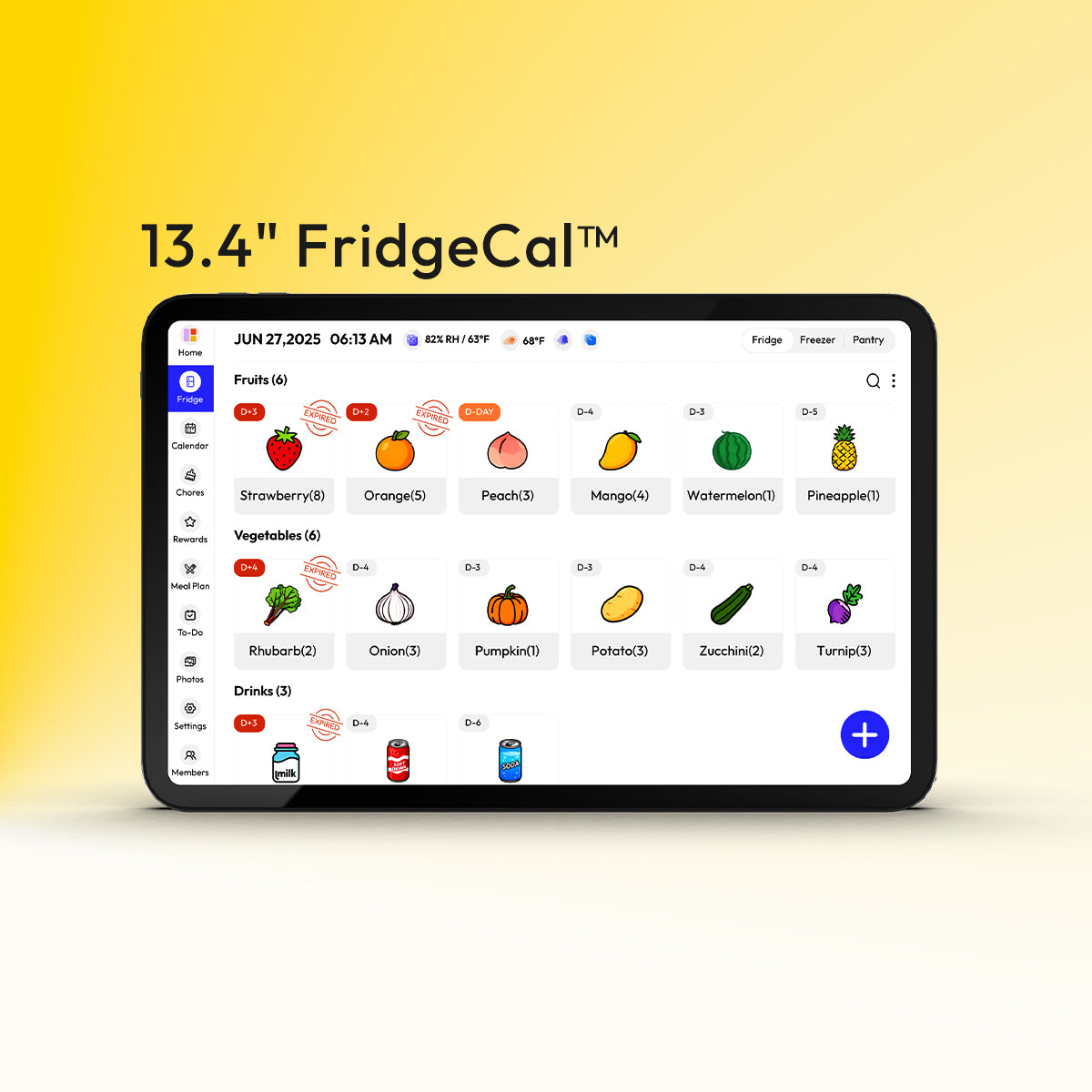
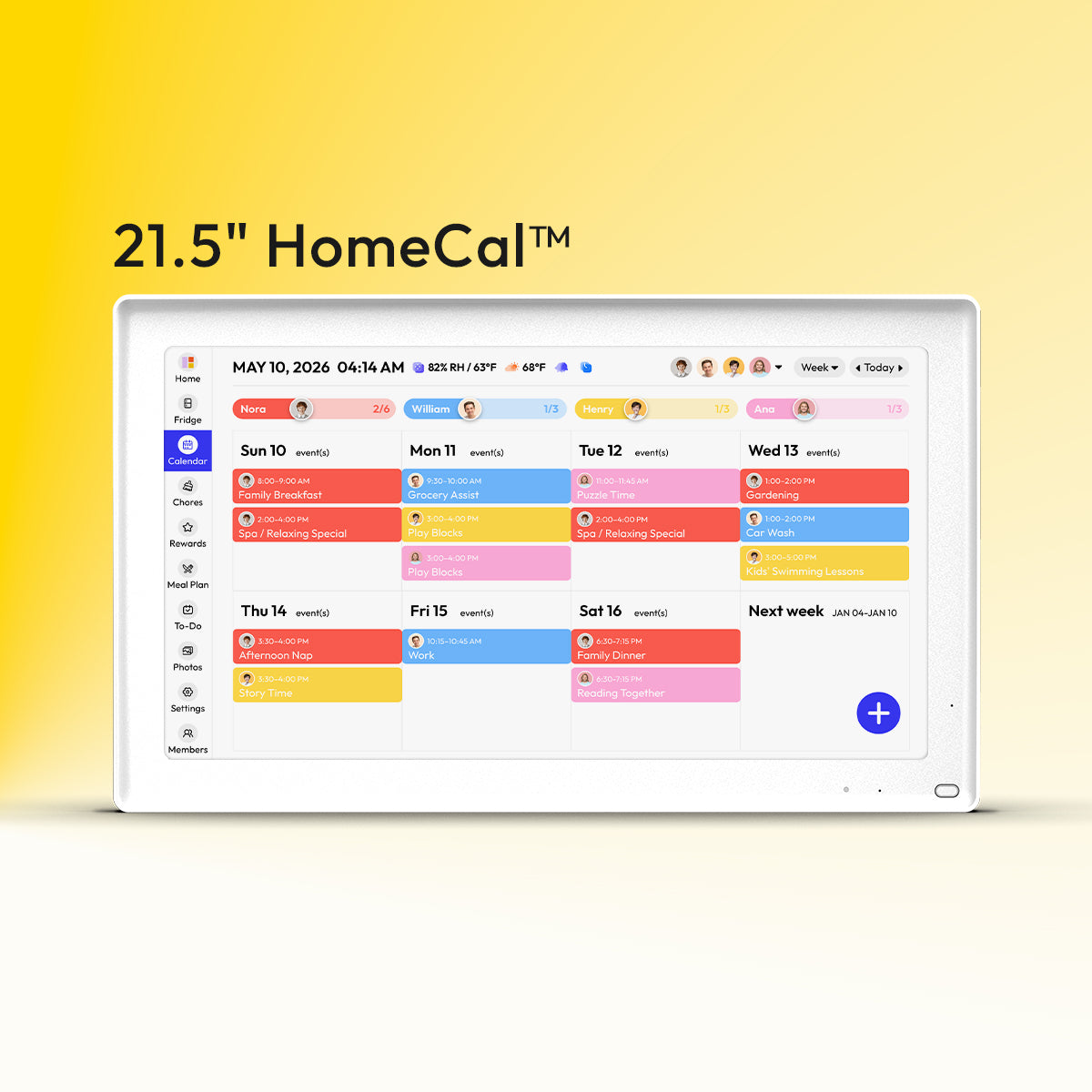
A wall calendar can act as a household command center when younger kids, grandparents, or less tech-focused adults need something visible at eye level. In practice, many busy homes do best with a hybrid: a digital calendar for real-time changes and a wall board for the weekly picture, meals, chores, and notes that should not stay hidden inside a phone. A wall-mounted digital option such as the Everblog 21.5" Digital Calendar can fit that middle ground by helping families keep plans, tasks, chores, and events visible on one screen.

What often breaks
A shared family calendar works best when it is visible and collaborative. The common failure point is not the app. It is that only one person updates it, only one person checks it, or the information is too thin to be useful. A calendar entry that says “practice” is less helpful than one that includes the address, uniform note, and who is driving.
Shared calendar apps let multiple users view and add events and help prevent double-booking. That matters even more in blended households, where plans may cross two homes, two sets of routines, or different expectations about lead time. The goal is not perfect control. The goal is a single source of truth that lowers the amount of memory everyone has to carry.
Put Non-Negotiables and Handoffs in First
Start with fixed commitments
Mapping non-negotiables first makes a blended family calendar easier to trust. Put in school hours, work shifts, medical appointments, bedtime routines, standing practices, and regular pickup or drop-off windows before you add optional plans. That gives everyone a stable frame for the week.
Recurring events save time because the same school drop-off, therapy appointment, or Tuesday practice does not need to be rebuilt every week. A 15-minute alert can also help with transition points that tend to go sideways, like leaving one home on time or remembering that a child needs a backpack, medication form, or instrument.
Add the handoff details, not just the event
A family wall calendar works better when recurring items are pre-entered and paired with reminder notes. For blended families, the handoff details are often what prevent stress: whose night it is, who handles transportation, what needs to be packed, and what time the child needs to be out the door. Visible handoffs reduce the chance that one adult becomes the default reminder system for everyone else.

Event entries can hold links, addresses, agendas, and notes so the calendar becomes more than a list of times. A useful example is a Friday entry that includes pickup at 5:30 PM, the after-school address, the overnight bag checklist, and the name of the adult on point for dinner. That kind of detail lowers friction because people do not have to ask the same questions again.
Make Mental Load Visible With Meals, Chores, and Prep
Put meals and chores on the same board
A family command center can coordinate meals, chores, and activities in one place. That is helpful because schedule stress is rarely just about the calendar. It is also about who notices that there is no milk, who remembers trash day, and who realizes at 4:45 PM that dinner ingredients are missing.
Family organization usually comes back to four recurring areas: chores, food, budgets, and schedules. If you separate those completely, one parent often ends up mentally stitching them back together. A simpler system is a weekly dinner plan, a shared shopping list, and a short chore list placed right beside the calendar so the week can be read as one household flow.
Assign ownership instead of vague reminders
Letting family members contribute to the calendar helps shift the workload from one planner to a shared routine. Teens and preteens can view and add updates. Younger children can still take part by reviewing the day’s plan, checking the dinner theme, or owning one simple recurring job such as feeding a pet or setting the table on certain nights.
Shared to-do lists and shopping lists that update automatically can reduce the “tell me what to do” pattern that wears adults down. The practical rule is to assign ownership in plain language: “Alex empties lunch boxes after school,” “Jordan checks the grocery list before Wednesday practice,” or “Pat is on dinner cleanup Tuesday and Thursday.” Clear ownership is easier to follow than a floating instruction like “someone needs to handle dinner.”
Build Routines Around Short Check-Ins, Not Constant Texting
Use a 15-minute weekly reset
A 15-minute weekly family check-in is often more useful than daily reactive texting. A simple version is 3 minutes to review last week, 5 minutes to sync schedules, 3 minutes to assign chores, 3 minutes to plan meals, and 1 minute for reminders. For busy blended families, that structure keeps the meeting short enough to actually happen.
Weekly check-ins and monthly planning meetings help because blended family routines often break at transition points, not during ordinary days. A monthly look-ahead for the next 30 to 60 days gives more warning for school events, travel, holidays, sports sign-ups, or schedule shifts between homes.
Plan the week with real time, not wishful time
Time blocking divides the full day into scheduled blocks and makes it easier to see whether the plan fits real life. For a family, that can mean blocking 6:00 PM to 7:00 PM for dinner and kitchen reset, 7:00 PM to 7:30 PM for backpack prep, and 8:00 PM for a quick glance at tomorrow. A routine becomes easier when it has a home on the calendar.
Doing the hardest task first can also help with the one part of the week everyone avoids. In some homes, that is Sunday meal planning. In others, it is confirming rides, checking school emails, or laying out sports gear. Handle the task that usually creates Monday chaos before you move on to the easier stuff.
Make the System Easier for Stressed or Neurodiverse Households
Reduce memory load with visible supports
Large writing, high contrast, broad-tip markers, and tactile aids can make a shared system easier to use for kids, adults, and grandparents. This is not about making the home look perfect. It is about lowering the amount of memory and guesswork required to move through the day.
Calendar access on multiple devices also matters when a parent is moving between work, school pickup, and home. For people who struggle with executive function, meaning the brain skills used to start tasks, remember steps, and shift attention, visibility can help more than verbal reminders. A pinned calendar app, one consistent color legend, and recurring alerts are practical supports, not signs of failure.
Keep the rules simple and repeatable
Color-coding by person or category makes a busy week easier to scan at a glance. One simple system might be blue for one household, green for the other, red for medical, and yellow for school deadlines. Another might assign each person a color and use icons for meals, chores, and rides. The exact scheme matters less than using it the same way every week.

Scheduling free time and one-on-one time alongside obligations can also reduce tension. If the calendar only shows demands, people tend to resist it. When it includes a family movie night, one parent and child coffee run, or an unscheduled hour at home, the system feels more humane and is easier to keep using.
Practical Next Steps
A blended family routine gets easier when the plan is visible, shared, and detailed enough to survive a busy Tuesday. You do not need a perfect system. You need one that makes handoffs, meals, chores, and next-day prep easier to see without depending on one person’s memory.
Action checklist
- Choose one shared setup this week: digital, wall, or hybrid.
- Enter non-negotiables first: work, school, appointments, practices, bedtime, and regular pickups.
- Add handoff details to events: driver, address, bag prep, and who is responsible.
- Put a weekly meal plan and shared shopping list beside the calendar.
- Give each family member one clear recurring responsibility.
- Hold a 15-minute check-in on the same day each week.
- Review the next 30 to 60 days once a month for bigger changes and conflicts.
FAQ
Q: Should a blended family use one calendar or separate calendars?
A: Usually both. Keep separate personal, work, or school calendars if needed, but make sure they can be viewed together in one shared family view. That gives privacy where appropriate while still protecting the household from scheduling conflicts.
Q: What if one parent is still carrying most of the planning?
A: Start by making the invisible work visible. Put meals, chores, ride duties, school prep, and reminders into the same shared system, then assign ownership for specific tasks. That often works better than asking one adult to “just delegate more.”
Q: Do kids need access to the family system?
A: Often yes, but at the right level. Teens and preteens can usually view plans and add updates. Younger children may do better with a daily review, simple icons, and one or two recurring jobs they can count on.
Disclaimer
This article is for household planning education only. It is not a substitute for mental health care, medical advice, legal advice, or crisis support. If safety, custody orders, or a diagnosed condition are involved, work with the appropriate licensed professional.
References
- a platform: Mastering your schedule
- a platform: Making the Most of Your Digital Calendar
- a company: How to Organize Your Family Calendar Like a Pro
- a company: Family Wall Calendars that Work
- a brand: How to Create a Family Calendar and Organize It Like a Pro
- a brand: planning checklist version
- a brand: claims and outcomes version
- a platform
- a brand: Family Organization


