


For most everyday bread, the counter is better than the fridge for short-term freshness, while the freezer is best when your family will not finish the loaf within a few days.
Is your sandwich bread soft on Monday but dry by Wednesday morning? A simple counter-or-freezer routine can keep toast, school lunches, and snacks predictable without adding another kitchen chore. Here is why bread goes stale, when the fridge makes sense, and how to set up a low-stress bread system your household can actually follow.
Why Bread Goes Stale
Bread staling is not just drying out. The bigger change is starch retrogradation, which means the starches that softened during baking slowly reorganize and firm up after the loaf cools. Bread staling continues even when moisture loss is limited, which is why a wrapped loaf can still become firm and dull.

That science matters in a busy family kitchen because it changes the storage decision. If the goal is soft slices for tomorrow’s lunches, you want to slow firming without trapping so much moisture that mold becomes the next problem. If the loaf is artisan sourdough for weekend toast, you may care more about keeping the crust pleasant and the crumb chewy.
Fridge vs. Counter vs. Freezer
The refrigerator feels like the safe choice because it slows mold. For texture, though, it is usually the wrong default. Cold temperatures above freezing can speed starch recrystallization, which is why refrigerating bread often makes it taste stale faster than leaving it properly wrapped at room temperature.
The counter works best when the loaf will be eaten soon. A cool, dry pantry, cupboard, bread box, or shaded counter helps protect bread from heat, sunlight, and excess humidity. For many households, that means keeping one active loaf accessible and freezing the backup loaf before it becomes emergency toast.

The freezer is the calmest solution for families with uneven bread use. Freezing bread slows staling dramatically and prevents mold growth while frozen, making it especially useful for households where breakfast habits change by the day.
Storage spot |
Best for |
Main advantage |
Main tradeoff |
Bread eaten within a few days |
Better texture than the fridge |
Mold risk in warm, humid kitchens |
|
Refrigerator |
Special cases where mold risk matters more than texture |
Slower mold growth |
Faster staling and drier flavor |
Freezer |
Extra loaves, sliced bread, occasional bread eaters |
Best long-term quality |
Needs wrapping and thawing routine |
When the Counter Is the Best Choice
Choose the counter when your family will finish the bread quickly. For sandwich bread used every school morning, the simplest routine is to keep the loaf closed in its original bag or in a bread box away from the stove, dishwasher, sunny windows, and steamy coffee station.
For crusty bakery loaves, the storage style changes slightly. A bread box balances airflow and moisture retention, which helps the loaf avoid both rock-hard drying and soggy crust. If you slice into a boule at dinner, place it cut-side down on a cutting board or tuck it into a paper bag or reusable bread wrap overnight.
A practical household routine might look like this: the active sandwich loaf stays in a closed bag in the pantry, the sourdough sits cut-side down in a bread box, and any loaf that will not be eaten by the next family breakfast gets sliced and frozen. That keeps the system visible enough for kids and partners to follow without asking where everything went.
When the Fridge Makes Sense
The fridge is not the villain; it is just a tool with a tradeoff. If your kitchen is hot and humid, or if bread routinely molds before your family can finish it, refrigeration may be acceptable when food waste is the bigger concern. Bread storage depends on how quickly it will be eaten, the type of bread, and the kitchen environment.
If you do refrigerate bread, wrap it tightly. Plastic wrap, a sealed bag, or an airtight container can reduce moisture loss, though it will not fully stop staling. The better plan is often to refrigerate only when necessary and refresh slices in the toaster or oven before serving.
Prepared foods are different from plain bread. A sandwich with meat, egg, or another perishable filling belongs in the refrigerator for food safety, even though the bread may lose softness.
In a family routine, it helps to separate bread storage from packed lunch storage so nobody leaves turkey sandwiches on the counter because they heard the fridge is bad for bread.
The Freezer Routine That Saves Weekday Mornings
For most households, the freezer is the best compromise between freshness and flexibility. Slice the loaf first, then wrap portions tightly so each breakfast or lunch can be pulled out without thawing the whole thing. Frozen slices can go straight into the toaster, while a whole loaf can be reheated in the oven when you want bread for dinner.
For a family of four, think in portions rather than loaves. If you use eight slices for school lunches in one morning, freeze bread in eight-slice packets. If one person eats toast and everyone else varies, freeze two-slice packets. This tiny setup choice prevents the familiar problem of thawing too much, forgetting it, and starting the stale cycle again.
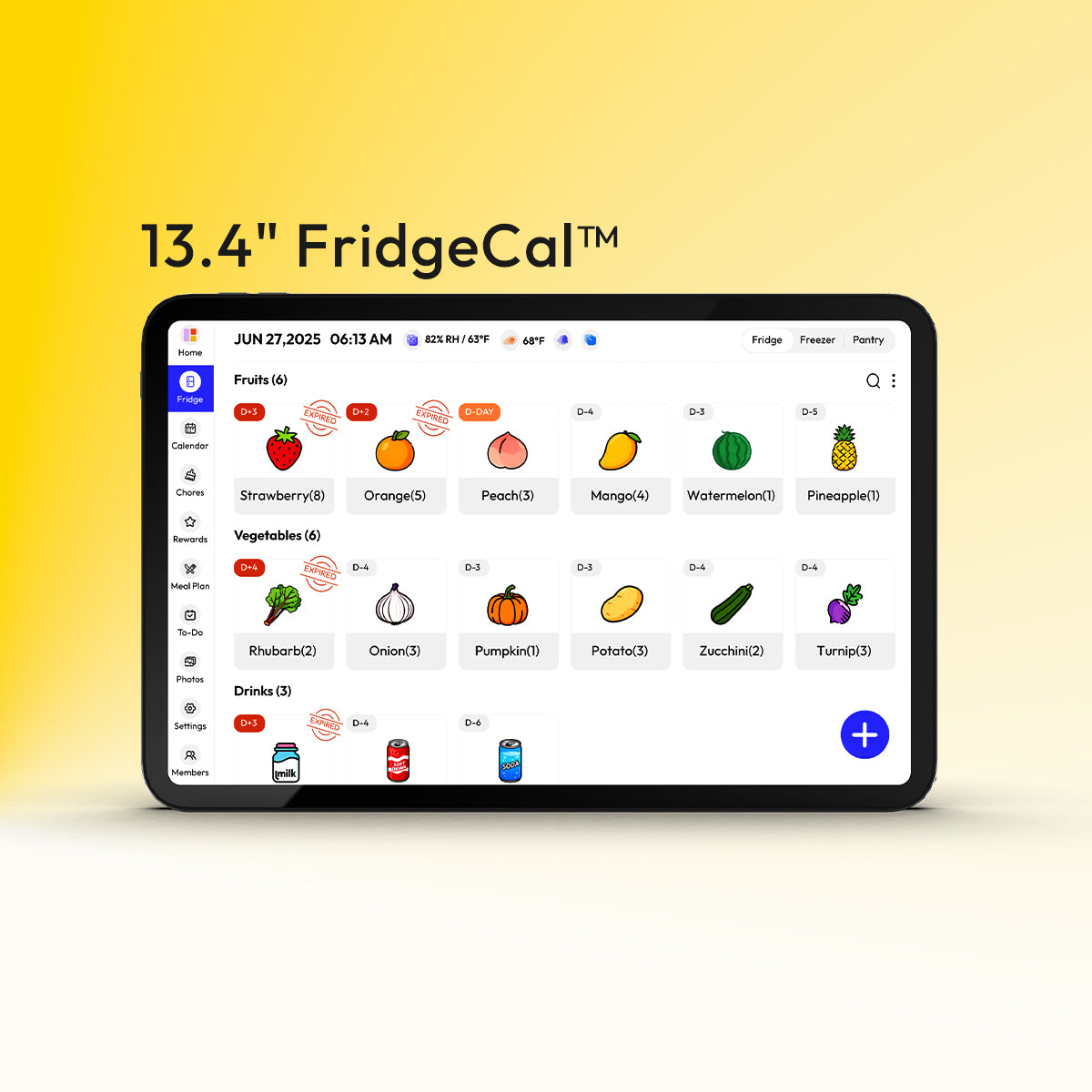
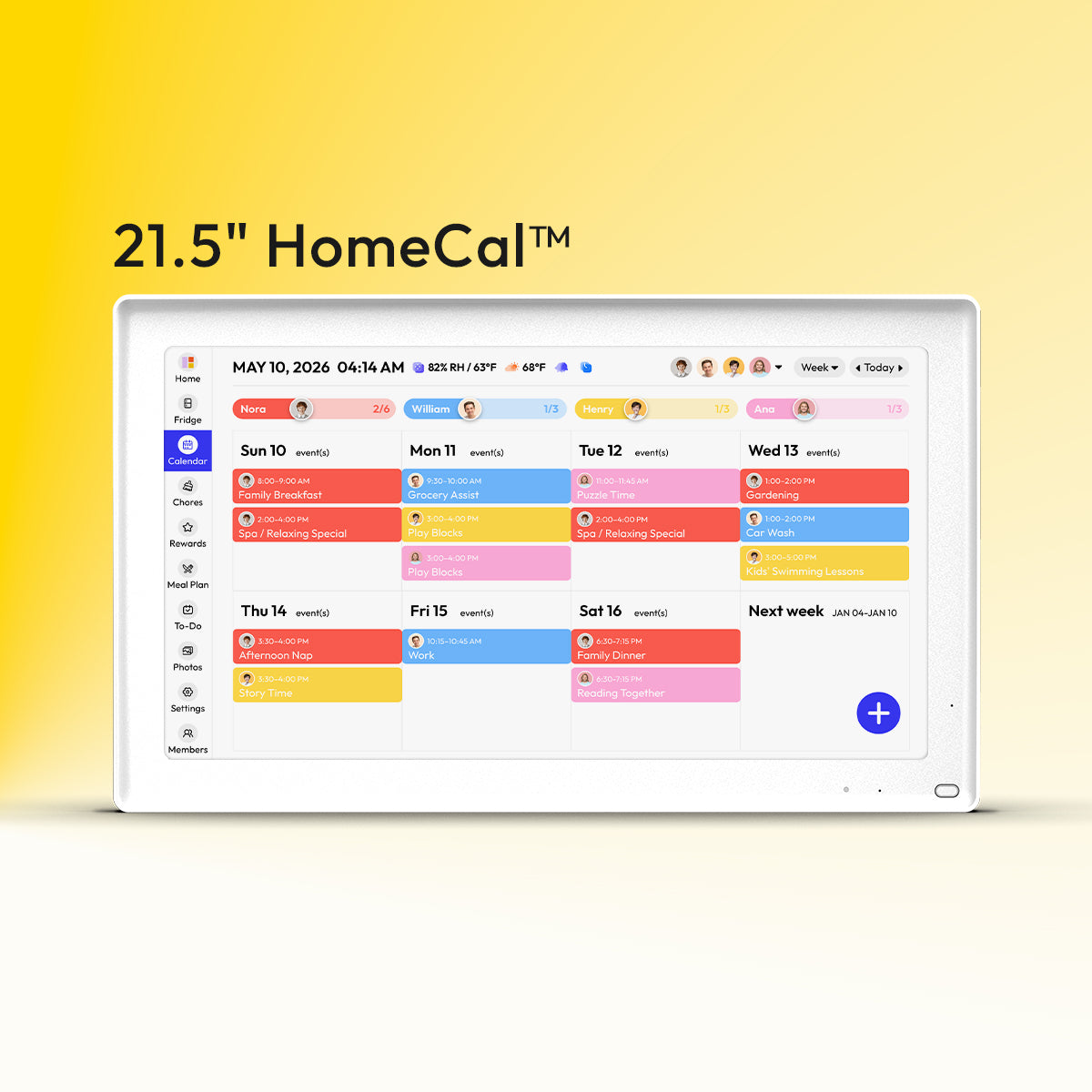
A shared kitchen calendar can make this even easier. Digital refrigerator calendars are useful because family schedules and grocery reminders stay visible in the place everyone already passes. Add a recurring “freeze half the loaf” reminder on grocery day, and bread waste becomes a system problem instead of one more thing someone has to remember.
Best Storage by Bread Type
Soft sandwich bread usually does well in its original packaging on the counter if your home goes through it quickly. Store-bought loaves often contain ingredients that help them last longer, so the original bag is not automatically a problem.
Homemade and bakery breads need more care because they often have fewer preservatives. Fresh breads can stale or mold faster than packaged supermarket loaves, so a bread box, reusable wrap, or freezer plan usually pays off.
Sourdough often keeps a bit better than basic yeasted bread because fermentation changes the loaf’s acidity and structure. Still, it should not live in the refrigerator as the normal plan. Keep it at room temperature for near-term eating, then freeze slices once you can tell the household will not finish it soon.
Pros and Cons in Plain Language
Counter storage gives you the best everyday eating experience. The bread keeps a more natural texture, it is easy for kids to grab, and it does not need thawing. The downside is that warm kitchens and sealed damp bags can invite mold.
Fridge storage reduces mold pressure but usually sacrifices softness. It can be useful in a humid apartment kitchen or during a week when nobody is home for breakfast, but it should be a deliberate choice, not the automatic destination for every loaf.
Freezer storage is the most reliable option for reducing waste. It asks for a few minutes of slicing and wrapping up front, then gives you flexible portions later. For many families, that small front-end habit is easier than repeatedly dealing with stale bread at 7:15 AM.
A Simple Family Bread Rule
Keep only the bread you will eat in the next few days at room temperature. Freeze the rest while it is still fresh. Use the refrigerator only when mold risk, filled sandwiches, or food safety matters more than texture.
That one rule keeps the kitchen calmer: fewer surprise stale slices, fewer wasted loaves, and one less morning decision sitting between your family and getting out the door.


