


One shared planning hub works better than separate texts, sticky notes, and memory. The simplest version combines one live grocery list, one visible meal plan, and one clear handoff for who is shopping and when.
Ever had one adult grab milk on the way home while another already bought it, and then nobody remembered the tortillas for dinner? Some family planning tools say a full week of meals can be set in about five minutes once the basics are saved, but the bigger win is that everyone sees the same plan. A good shared hub gives you fewer duplicate purchases, fewer missed items, and less quiet mental load by next week.
Why Grocery Shopping Breaks Down So Fast
Separate lists create separate jobs
A shared grocery system fails the moment people are not actually using the same live list. In one platform community thread, adults in the same home still ended up with separate shopping lists, which is exactly how duplicates and missed items happen.

The second problem is hidden work. One person notices the cereal is low. Another remembers the class snack sign-up. A third is trying to plan dinner around soccer practice. A family command center helps because it gives those small pieces of information one visible place to land.
Timing matters just as much as the list itself. If one adult builds the list after another person has already left for the store, the system is late. Your hub has to match real family timing, not ideal timing.
What a Shared Planning Hub Should Include
Four parts are enough for most homes
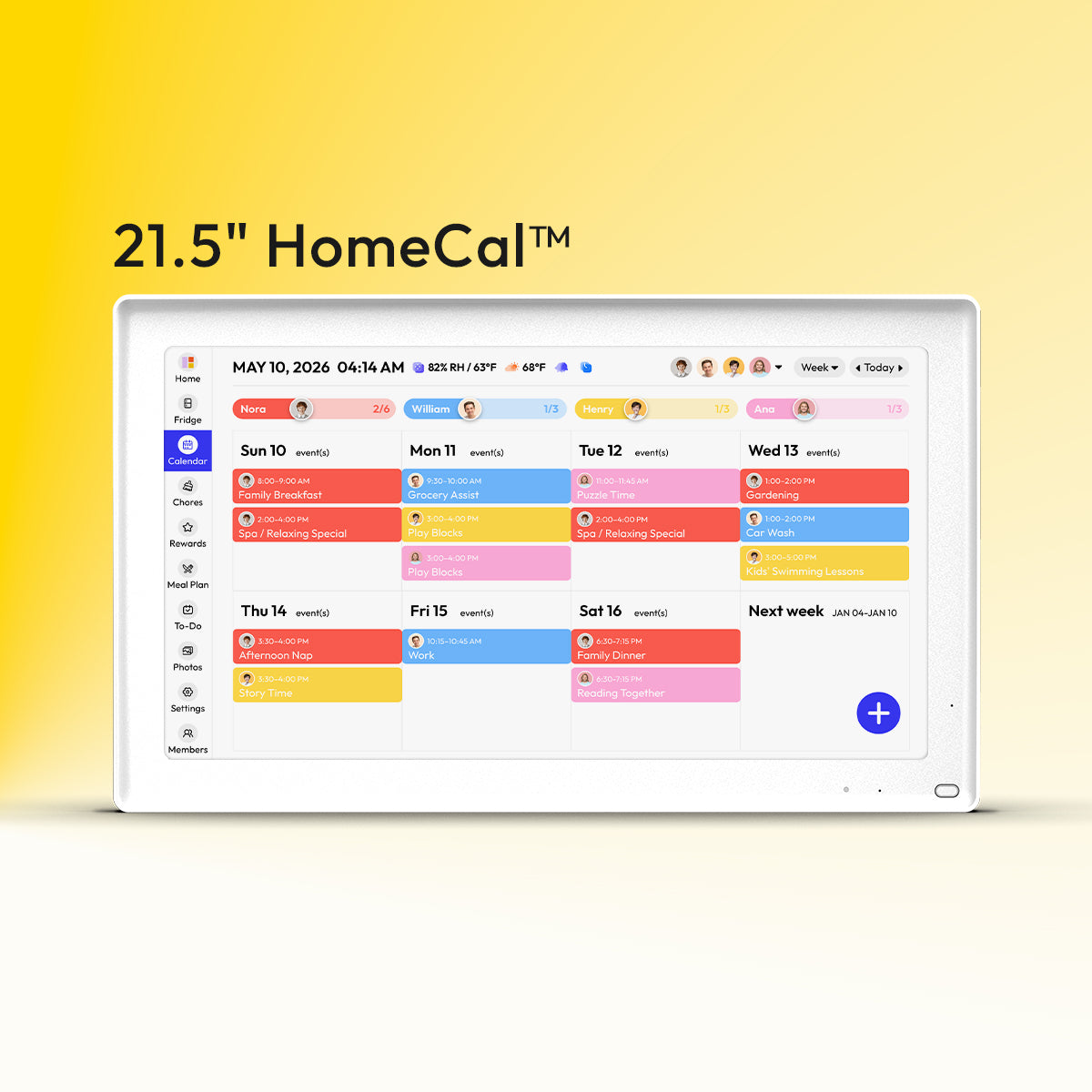
A useful hub needs four parts: a weekly meal view, a live grocery list, a shared calendar, and a short place for notes. A family organization platform combines shared schedules, grocery lists, meal planning, and to-dos, which is a good model even if you use a different app or a paper setup.
Keep the meal plan simple. Most families do not need a perfect 30-day menu. They need to know what dinner looks like for the next four or five nights, what ingredients are missing, and whether anyone will be home late.
Use one list for this week’s shopping and a second list for staples. A grocery list app supports multiple lists, which is helpful when you want to separate This Week, a warehouse store, or Household Supplies. That keeps the urgent list short enough to use in the store.

Digital, Wall, or Hybrid: Which Setup Works Best?
Choose the surface that fits real behavior
A digital list works best when adults shop at different times, split stores, or add items from work, school pickup, or the parking lot. A shared-list platform syncs instantly and auto-groups items by category, which makes real-time shopping handoffs much easier.
A wall hub works best when people forget to open apps. A command center near the family’s usual entry or exit path turns the system into a daily cue. People see it while dropping keys, checking the school schedule, or heading out for errands.
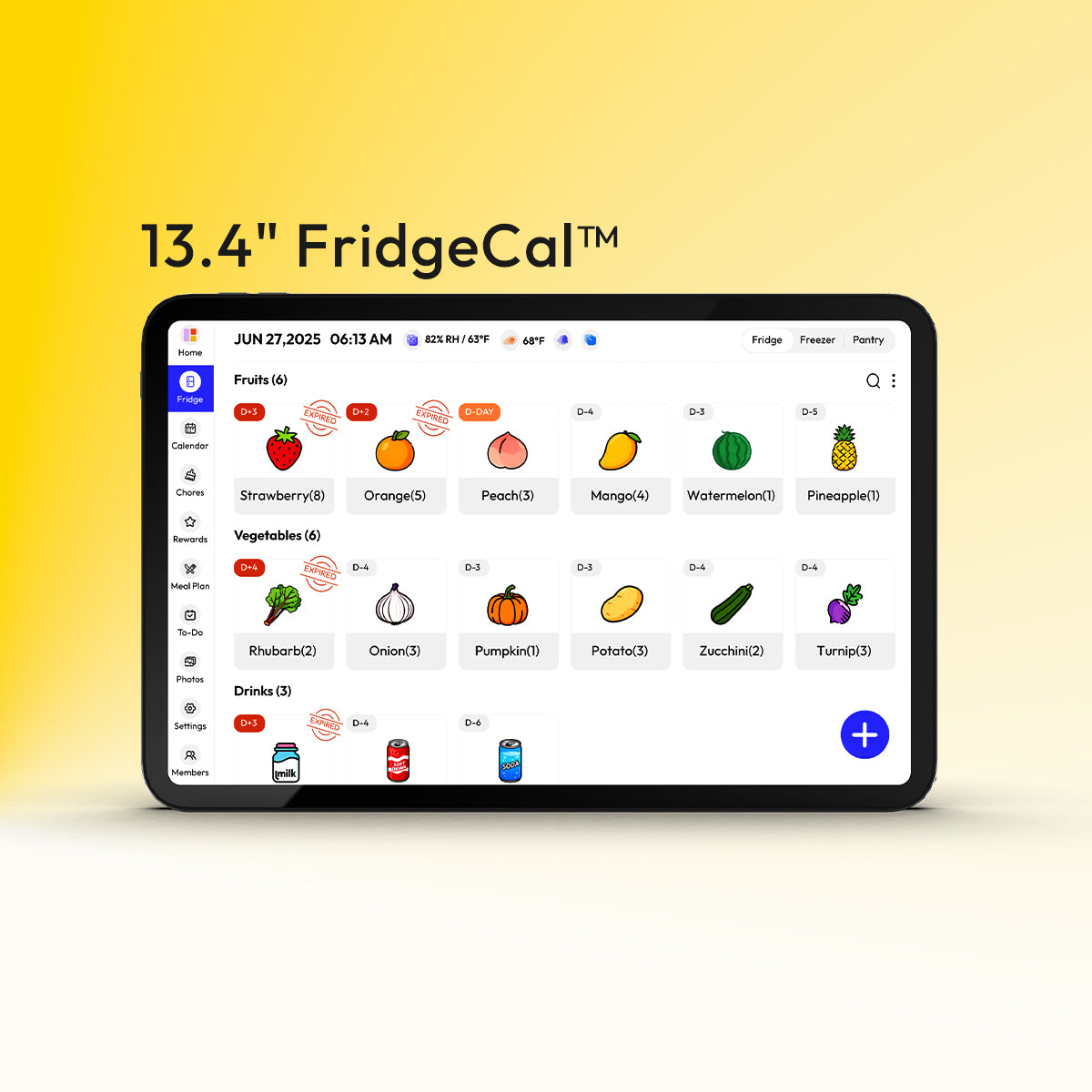
For many households, the best answer is hybrid. The wall hub is the reminder surface. The phone app is the live list. A teen can write “deodorant” on the kitchen board after school, and an adult can move it into the shared list before the next store run. If you prefer that visible surface on the fridge, a fridge-door display like the Everblog fridge calendar is designed for kitchen meal-planning workflows and includes a built-in fridge manager for freshness tracking.

How to Set Up a Shared Grocery Hub in About 20 Minutes
Start with one week, not a full life overhaul
A shared shopping app with multiple list support or a family calendar app with grocery features is enough for week one. You do not need pantry scanning, budgets, and recipe import on day one. You need one place every adult can edit tonight.
Use this starter checklist:
- Pick one setup owner, but make every adult an editor by 8:00 PM.
- Create three lists: This Week, Staples, and Store-Specific.
- Add five categories: Produce, Dairy, Pantry, Frozen, and Household.
- Plan the next four dinners and add only the missing ingredients.
- Put one capture surface in the kitchen, mudroom, or main exit path.
- Decide one checkoff rule: the shopper marks items off during the trip, not after getting home.
Recipe-based planning helps when the real problem is forgotten ingredients, not lack of ideas. A meal planning platform’s setup lets families save favorite meals, repeat them, and build a grocery list from the plan. That is useful for households that cycle through the same 10 to 15 dinners.
If follow-through is uneven, keep the capture step loose. Let people add “sandwich stuff” or “taco night” if that is all they have time for. One adult can clean up categories before shopping. The system should catch missing handoffs, not require perfect entries.
The Weekly Rhythm That Keeps the System Working
A short reset beats constant catching up
A weekly meal plan can get much faster once recipes are saved, with one tool estimating about five minutes for a full week. A simple rhythm works better than constant updates: Friday at 7:30 PM, check the calendar, pick four dinners, look at the pantry, and assign the main shop.
Roles help more than reminders. Shared calendars and auto-updating lists make it easier to split the work into small parts: one adult sketches meals, one does a three-minute pantry check, and the person already near the store handles pickup. That reduces the common “I thought you were doing it” gap.
What usually breaks is overbuilding. Too many categories, too many apps, and too much cleanup make people stop using the system. If you want pantry tracking later, a pantry management platform includes shared pantry inventory and expiry alerts, but only add that layer if someone will keep it current.
Make the Hub Visible Enough to Survive a Busy Week
Put the system where family traffic already is
A good command center is not about pretty supplies first. It is about placement. Household command center ideas usually work best in high-traffic areas like a kitchen, mudroom, garage entry, or laundry area because people naturally pass through those spaces every day.
Visibility also lowers repeated questions. One family command center example frames the whole point as giving everyone a central place for the information they need at hand. That matters when grocery planning overlaps with permission slips, bills, lunch notes, and sports schedules.
If your home is tight on space, keep it small. A clipboard, magnetic notepad, and weekly calendar can do the job. If your adults are good with phones but kids are not, use the wall for capture and the app for execution.
FAQ
Q: Do we need a smart display or a special device?
A: No. A paper command center plus one shared phone app is often easier to maintain. The important part is one visible capture point and one live list, not the hardware.
Q: What if adults shop at different stores during the week?
A: Split the list by trip or store. Keep This Week for urgent items, then add separate store-specific lists for warehouse runs, pharmacy items, or household supplies.
Q: What if one person never checks the app?
A: Make the wall hub the default capture surface and assign one adult to transfer items into the live list once a day. That is still better than relying on memory or group texts.
Practical Next Steps
Your goal is not to build a perfect household system. It is to create one shared place where meals, grocery needs, and shopping timing meet before the week gets away from you.
For the next seven days, pick one live list, one visible spot in the house, one 10-minute planning time, and one owner for the main shopping trip. If that setup prevents one duplicate milk run and one forgotten dinner ingredient, it is already working.


