


Homemade baby food purees are usually safest when frozen in single portions, used within about 1 to 3 months for quality, thawed in the refrigerator overnight, reheated to 165°F when warmed, and discarded if touched by a used spoon.
Is there a tray of sweet potato cubes in your freezer, a hungry baby in the high chair, and a quiet worry about whether yesterday’s thawed puree is still okay? A simple label-and-portion routine can turn baby food prep into a 10-second fridge check instead of a stressful guessing game. This timeline covers freezing, thawing, reheating, and discarding purees safely.
Why Baby Food Purees Need a Clear Safety Timeline
Babies are not just tiny adults at the table. Their immune systems are still developing, and the FDA notes that infants and young children are more vulnerable to foodborne illness than healthy adults. That is why baby food storage needs tighter rules than leftovers for grown-ups.

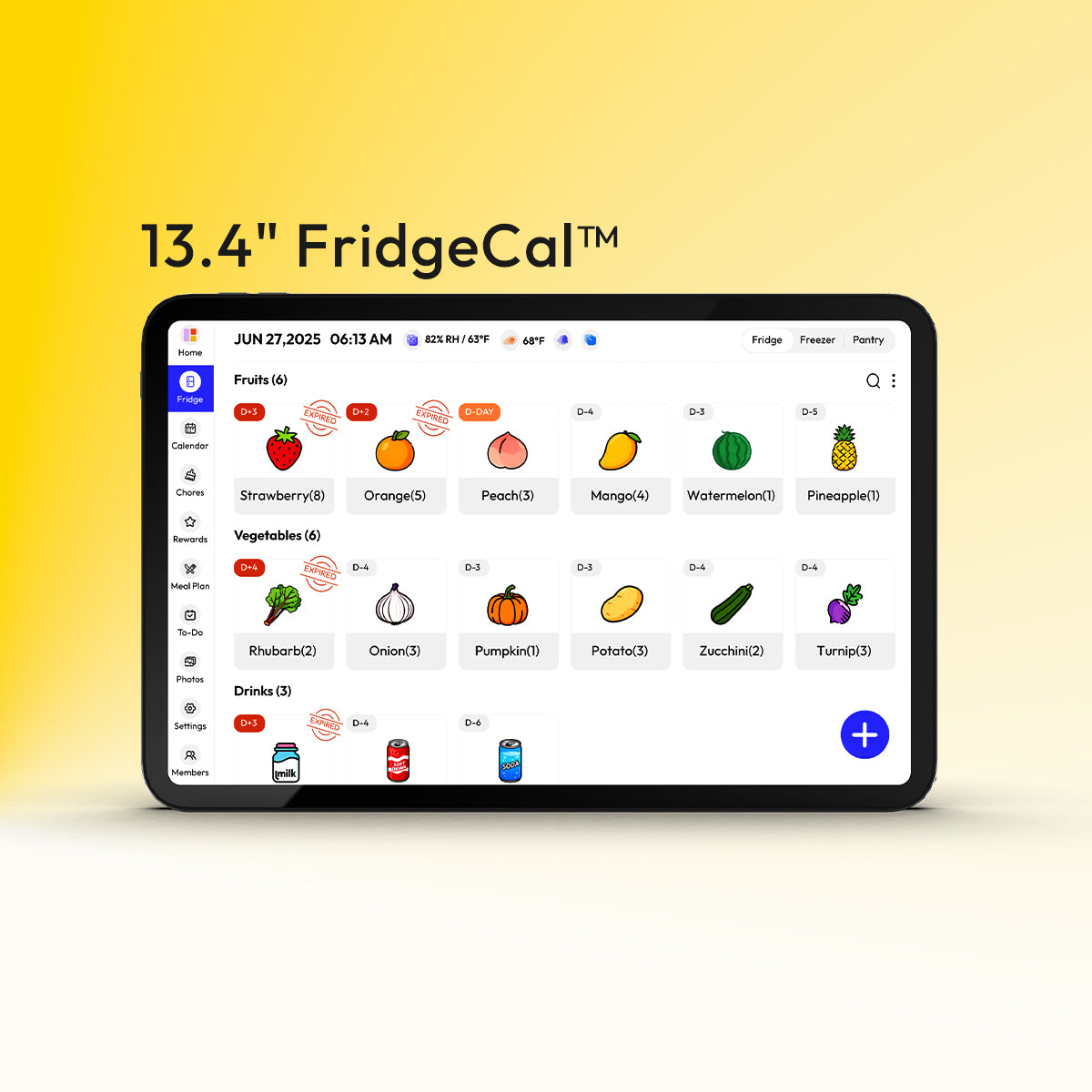
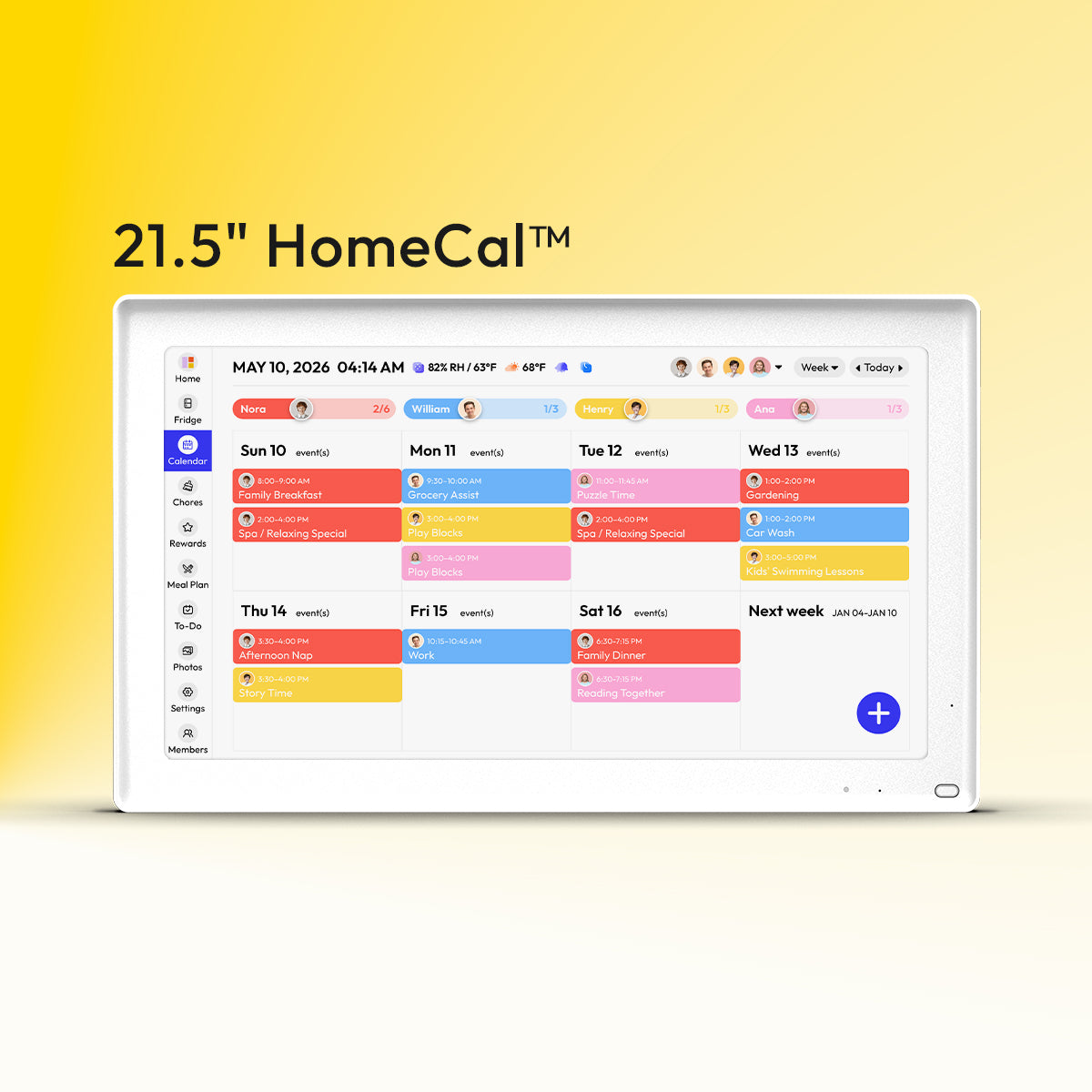
A puree safety timeline is simply a plan for how long food can sit in the refrigerator, how long it keeps its best quality in the freezer, how to thaw it, and when it should be discarded. In a busy household, this timeline works best when it is visible. A fridge calendar, shared family app, or simple freezer label can prevent the classic “Was this pear puree from Monday or last week?” moment.
The biggest safety idea is gentle but firm: once a baby’s saliva enters the food, the clock stops. The FDA advises against saving unfinished food from a serving dish because bacteria from a baby’s mouth can contaminate it, and refrigeration may not fully stop that growth. In practice, spoon a small amount into a clean bowl, feed from that bowl, and keep the untouched container separate.
The Baby Food Freezing Timeline
For homemade purees, the most family-friendly approach is to freeze anything you will not use within 1 to 2 days. The University of Illinois Extension recommends freezing homemade baby food in single-serve portions and using frozen cooked fruits, vegetables, grains, beans, meats, poultry, fish, and eggs within about 1 month for best quality. Other consumer baby-food storage recommendations may use longer quality windows, but for a simple household system, 1 month is the easiest conservative rule to remember.
Food situation |
Practical timeline |
Best household rule |
Freshly made homemade puree in fridge |
1 to 2 days |
Freeze by the next day if plans change |
Cooked meat, poultry, fish, or egg puree in fridge |
About 1 day |
Use or freeze the same day |
Frozen homemade puree |
About 1 month for best quality |
Label, date, and rotate weekly |
Thawed homemade puree in fridge |
Up to 2 days if untouched |
Use sooner for meat-based purees |
Food touched by baby’s spoon |
Do not save |
Discard after the meal |
Perishable baby food left out |
Discard after 2 hours |
Set a cell phone or fridge timer |
The University of Illinois storage guidance treats freezer time mainly as a quality marker, not a magic safety deadline. That matters because a forgotten bag at 5 weeks is not automatically dangerous if it stayed frozen solid, but taste, texture, and nutrients may decline. For family harmony, mark a “use first” bin and move older cubes forward every Sunday night.
Best Containers and Portions for Freezing
Single portions are the quiet hero of baby food storage. A 1-oz cube is often enough for early feeding, and two cubes make a quick 2-oz meal when appetite grows. This keeps waste low and lets caregivers mix foods without thawing a full batch, such as one cube of peas with one cube of pear.

The FoodSafety.gov baby food storage chart supports short, clear storage timelines for baby foods, which is exactly why labels matter. Write the food name and freeze date before the container disappears into the freezer. If your household uses a fridge calendar, add a recurring “baby puree check” every week and a batch expiration reminder 1 month after prep.
Ice cube trays, silicone trays, small freezer-safe glass containers, BPA-free plastic containers, and reusable pouches can all work. Trays make portioning easy, freeze quickly, and allow flexible meal mixing. They do take freezer space, and cubes should be transferred into airtight bags or containers once solid. Pouches are convenient for travel, but they can make it harder to inspect texture and temperature unless you empty the food into a bowl before serving.
How to Freeze Purees Safely
Start with clean hands, clean tools, and clean surfaces. The FDA handwashing guidance recommends scrubbing hands, wrists, fingernails, and between fingers for at least 20 seconds before handling food. In real life, that means washing after diaper changes, touching pets, handling raw meat, or picking up toys from the floor before returning to baby food prep.
After cooking and blending, cool the puree promptly before freezing. Do not leave a warm bowl on the counter all afternoon while the day gets away from you. Portion the puree into clean containers, cover tightly, label clearly, and freeze once cooled. For smoother household flow, freeze trays flat overnight, then transfer cubes into a dated freezer bag the next morning.
Keep frozen baby food toward the back of the freezer rather than the door. The door warms more often as family members grab ice, snacks, or dinner ingredients. A back-shelf “baby food zone” reduces temperature swings and makes it easier for grandparents, babysitters, or another parent to find the right food without rummaging.
Thawing Baby Food Purees: Safest to Fastest
The safest everyday thawing method is the refrigerator. Michigan State University Extension lists the refrigerator, cold water, and microwave as safe defrosting options, and notes that baby food reheated as solid food should reach 165°F. Refrigerator thawing is the most predictable because the food stays cold while it softens.

Move tomorrow morning’s cubes from the freezer to the refrigerator before bed. Many homemade puree cubes thaw in about 10 to 12 hours, which fits naturally into an evening reset routine. Put the container in a small covered dish or sealed bowl so it does not pick up fridge odors or leak onto other foods.
Cold-water thawing is faster, but it needs attention. The Michigan State food safety advice recommends safe defrosting practices and careful reheating, including stirring microwaved food to avoid hot and cold spots. For cold-water thawing at home, keep the puree sealed so water cannot enter the food, use cool running water rather than leaving it forgotten in a bowl, and serve or refrigerate promptly once thawed.
Microwave thawing is the fastest option, but it is also the easiest way to create hot spots. If you use it, transfer the puree to a microwave-safe dish, use short intervals, stir thoroughly, let it rest briefly, and test the temperature with a clean spoon. Do not microwave breast milk or formula, and be especially cautious when purees contain thick starches such as rice, potatoes, or oatmeal because they can heat unevenly.
Reheating and Serving Without Hot Spots
Some thawed fruit purees can be served cool or at room temperature if your baby accepts them and they have been handled safely. When you warm baby food, aim for even heat, not speed. The Michigan State recommendation is for reheated solid baby foods to reach an internal temperature of 165°F.
A small saucepan over low heat gives the most control. Stir often, check the temperature, then let the food cool until lukewarm before serving. If using a microwave, heat in short bursts and stir more than seems necessary. Hot spots can burn a baby’s mouth even when the bowl feels comfortable on the outside.
Serve from a clean bowl, not the storage container. For example, if you thawed 3 oz of carrot puree but expect your baby to eat 1 oz, move only 1 oz into the feeding bowl. If the baby wants more, use a clean spoon to add another portion. This small habit protects the rest of the container from saliva contamination.

When to Toss Thawed Baby Food
Throwing away baby food can feel wasteful, especially when you spent part of Sunday steaming, blending, portioning, and labeling. Still, discarding questionable food is one of the simplest ways to protect your household from a sick-baby week.
Toss puree if it has been left out for more than 2 hours, smells sour, looks moldy, was stored in an unsealed container, has no clear date, or was touched by a used spoon. The FDA’s 2-hour rule for perishable baby food is an easy boundary to build into your routine.
Avoid refreezing thawed puree. The texture often suffers, and repeated thawing adds handling risk. A better system is to freeze smaller portions from the beginning. If your baby commonly eats only half a cube, use smaller tray wells or spread puree in a thin layer and break it into small pieces once frozen.
Pros and Cons of Freezing Baby Food
Freezing baby food can make family meals calmer. It saves prep time, reduces last-minute pressure, and helps caregivers offer variety even on busy evenings. A freezer with labeled cubes of squash, apple, peas, lentils, and chicken can turn feeding into a simple choice instead of a full cooking session.
The tradeoff is that freezing requires organization. Food can get freezer burn if poorly sealed, labels can smudge, and old cubes can hide behind adult leftovers. Texture may also change, especially with watery fruits and vegetables. None of this makes freezing a bad choice; it means the system needs labels, small portions, airtight storage, and a regular rotation habit.
Johns Hopkins Medicine reminds parents that babies starting solids often begin with thin, single-ingredient purees and gradually progress as skills develop. The transition to solid foods is not just about storage; it is also about watching readiness, pacing meals, and introducing foods thoughtfully. Freezing works best when you avoid making huge batches of one texture your baby may outgrow quickly.
A Simple Fridge Calendar Routine
Set up a weekly puree rhythm that the whole household can follow. On prep day, cook and blend one or two foods, freeze them in small portions, and add the batch name and date to your fridge calendar. On weeknights, move the next day’s portions from freezer to fridge after dinner cleanup.
Use plain labels such as “Peas, May 5, 2026” or “Chicken apple, May 5, 2026.” Add a “use first” container in the freezer and keep older bags there. If another caregiver feeds the baby, the label tells them what to use, what to avoid, and when to toss it without needing a long conversation during an already busy hour.
A calm system is not about perfection. It is about making the safest choice the easiest choice, especially when everyone is tired.
FAQ
Can I thaw baby food on the counter?
No. Counter thawing allows the outside of the food to warm while the center may still be frozen, giving bacteria more opportunity to grow. Use the refrigerator for routine thawing, or use a sealed container with cold running water when you need food sooner.
How long can thawed baby food stay in the fridge?
Untouched thawed homemade puree is generally best used within 1 to 2 days. Meat, poultry, fish, and egg purees deserve the shorter end of that window.
Can I serve thawed puree cold?
Yes, if it was thawed safely and your baby accepts the texture and temperature. If warming it, heat evenly, stir well, and test with a clean spoon before serving.
What if my baby ate directly from a pouch?
Discard the leftovers. Once saliva enters the pouch or jar, the remaining food should not go back into the fridge for later.
A freezer full of baby food should feel like support, not another thing to worry about. Freeze in small portions, label every batch, thaw in the refrigerator when possible, reheat carefully, and let the discard rules protect the peace of your kitchen.


