



You can freeze mayonnaise, but it usually is not worth it. Freezing often breaks its creamy texture, so thawed mayo is best used only in cooked dishes where texture matters less.
Did a jar of mayo get shoved to the coldest part of the fridge, or did a casserole with mayo end up in the freezer during a busy week? A simple reblend can sometimes make separated mayo usable again for cooking, but it rarely restores that smooth sandwich texture. Here is how to decide whether to save it, use it differently, or replace it without turning dinner into another household stress point.
The Short Answer: Freezing Mayo Is Possible, Not Ideal
Mayonnaise can technically go into the freezer, but freezing is a poor fit for its texture. The main issue is quality, not always safety. After thawing, mayo may look oily, watery, curdled, or grainy, especially if it was homemade or used heavily in a salad-style dish.

For family meal planning, the better rule is simple: freeze casseroles or cooked dishes that contain a small amount of mayo if the recipe is known to freeze well, but avoid freezing plain mayo, chicken salad, tuna salad, egg salad, potato salad, or sandwich spreads where creaminess matters. Freezing mayonnaise usually damages the creamy texture, even when the thawed product is still edible.
A practical example helps: if you made a baked chicken casserole with 2 tablespoons of mayo mixed into cheese, soup, or breadcrumbs, freezing may be fine because the mayo is only one background ingredient. If you made a 3-cup chicken salad where mayo is the main binder, freezing will likely leave you with a watery, separated lunch that no one wants packed for school or work.
Why Mayonnaise Separates After Freezing
Mayo Is an Emulsion
Mayonnaise is an emulsion, which means it holds together ingredients that do not naturally stay mixed. In everyday terms, oil wants to separate from watery ingredients like vinegar or lemon juice. Egg yolk helps keep those tiny oil droplets suspended so the sauce looks thick, smooth, and creamy.
That balance is fragile. Mayonnaise texture depends on emulsification, with egg yolk or mustard helping oil and water-based ingredients stay blended. When that structure is disturbed by temperature swings, rough handling, or freezing, the sauce can break, leaving visible oil and liquid.
Freezing Changes the Water, Not the Oil
The reason freezing is so hard on mayo is that the water-based part freezes and expands while the oil does not freeze the same way in a home freezer. As ice crystals form, they push and pull at the emulsion. After thawing, the ingredients may no longer be evenly suspended, so oil rises, watery liquid collects, and the once-smooth spread looks split.
Slow freezing can make this worse because larger ice crystals have more time to form. The water-based part can expand and break the emulsion, which is why opened mayo belongs in the refrigerator rather than the freezer. This also explains why a jar left at the very back of a cold fridge may sometimes look odd, even if it never fully froze.
Is Frozen and Thawed Mayonnaise Safe to Eat?
Thawed mayo is not automatically unsafe just because it separated. The safety question depends on how it was stored, whether it was contaminated, and what else was mixed into it. Commercial mayonnaise is usually more stable than homemade mayo because it is made with controlled acidity, pasteurized ingredients, and stabilizers, but once mayo is opened, clean handling matters.
Food preservation is about slowing spoilage while protecting safety, texture, color, and flavor. Safe preservation methods matter because harmful microorganisms are not always visible, smellable, or obvious. That is why a separated jar should be judged by both storage history and spoilage signs, not just appearance.
If the mayo thawed in the refrigerator and still smells normal, has no mold, and was not left out during a party or picnic, it may be usable in cooked dishes. If it smells unusually sour, has discoloration, shows mold, or has been repeatedly warmed and chilled, toss it. The cost of a new jar is usually lower than the cost of a ruined meal or a sick day.
What to Do if Mayonnaise Accidentally Freezes
Thaw It Slowly in the Refrigerator
If mayo freezes by accident, move it to the refrigerator and let it thaw overnight. Do not thaw it on the counter while everyone is making sandwiches or unloading groceries around it. Refrigerator thawing keeps the temperature steadier and reduces the chance that added ingredients, utensil contamination, or mixed-in foods become a safety problem.

Once thawed, stir it and check the texture. If it has only slightly loosened, it may work in a dressing, baked dish, or marinade. If it has a puddle of oil and watery liquid, it needs blending or replacement.
Try Reblending Once
A separated mayo can sometimes be rescued with mechanical blending. Use an immersion blender, countertop blender, or food processor and blend until the mixture begins to come together. If it stays broken, a teaspoon or two of water may help the emulsion move, though the final texture will usually be thinner.
This is a one-time rescue, not a storage strategy. If the mayo separates again after blending, replace it. For a calm weeknight kitchen, the best use for rescued mayo is not a turkey sandwich or deviled eggs. Stir it into a casserole topping, baked chicken coating, pasta bake, or salad dressing where a thinner texture is less noticeable.
Best Uses for Thawed Mayo
Thawed mayo should be used where texture is forgiving. A baked artichoke dip, breadcrumb topping, savory muffin batter, or creamy marinade can hide slight thinning. A sandwich, egg salad, or potato salad will not be as forgiving because the mayo is front and center.
Situation |
Best Choice |
Plain jar froze solid |
Thaw in the refrigerator, blend once, then use in cooked food if it smells and looks otherwise normal |
Chicken salad froze |
Replace it for the best texture, especially if serving cold |
Casserole contains a little mayo |
Usually acceptable if the dish was frozen and thawed safely |
Homemade mayo froze |
More likely to split; replace it unless you can re-emulsify it immediately |
Mayo smells off or is discolored |
Throw it away |
Homemade Mayo Versus Store-Bought Mayo
Homemade mayo is more sensitive because it usually has fewer stabilizers and depends heavily on your technique. Store-bought mayo often holds up better in normal refrigeration, but even commercial jars are not designed for freezing.
If you make mayo at home, stability starts before storage. Oil should be added slowly, ingredients should not be ice-cold, and mustard can help support the emulsion. A classic home method uses egg, oil, lemon juice or vinegar, and sometimes mustard, with oil streamed in gradually until the mixture thickens. Evidence-based food preservation also matters at home because informal recipes may not be tested for safety, especially when storage time or acidity changes.
For family organization, homemade mayo is best made in small amounts you can use within a short window. Put the date on the jar or add it to your fridge calendar so it does not become a mystery condiment by next weekend.
How to Store Mayonnaise Instead of Freezing It
Unopened commercial mayo belongs in a cool, dry pantry away from heat and light. Once opened, it should be capped tightly and refrigerated. The refrigerator door is convenient but warmer; the back of the fridge can be too cold in some households. The front or middle shelf is often the practical sweet spot because it stays visible and is less likely to freeze.
Opened mayonnaise generally keeps best when refrigerated and used by the printed date. Opened mayonnaise may be technically shelf-stable in some commercial cases if uncontaminated, but refrigeration protects flavor and freshness better. In a real family kitchen, where knives touch bread, kids help with lunch, and jars come out during rushed meals, refrigeration is the calmer default.
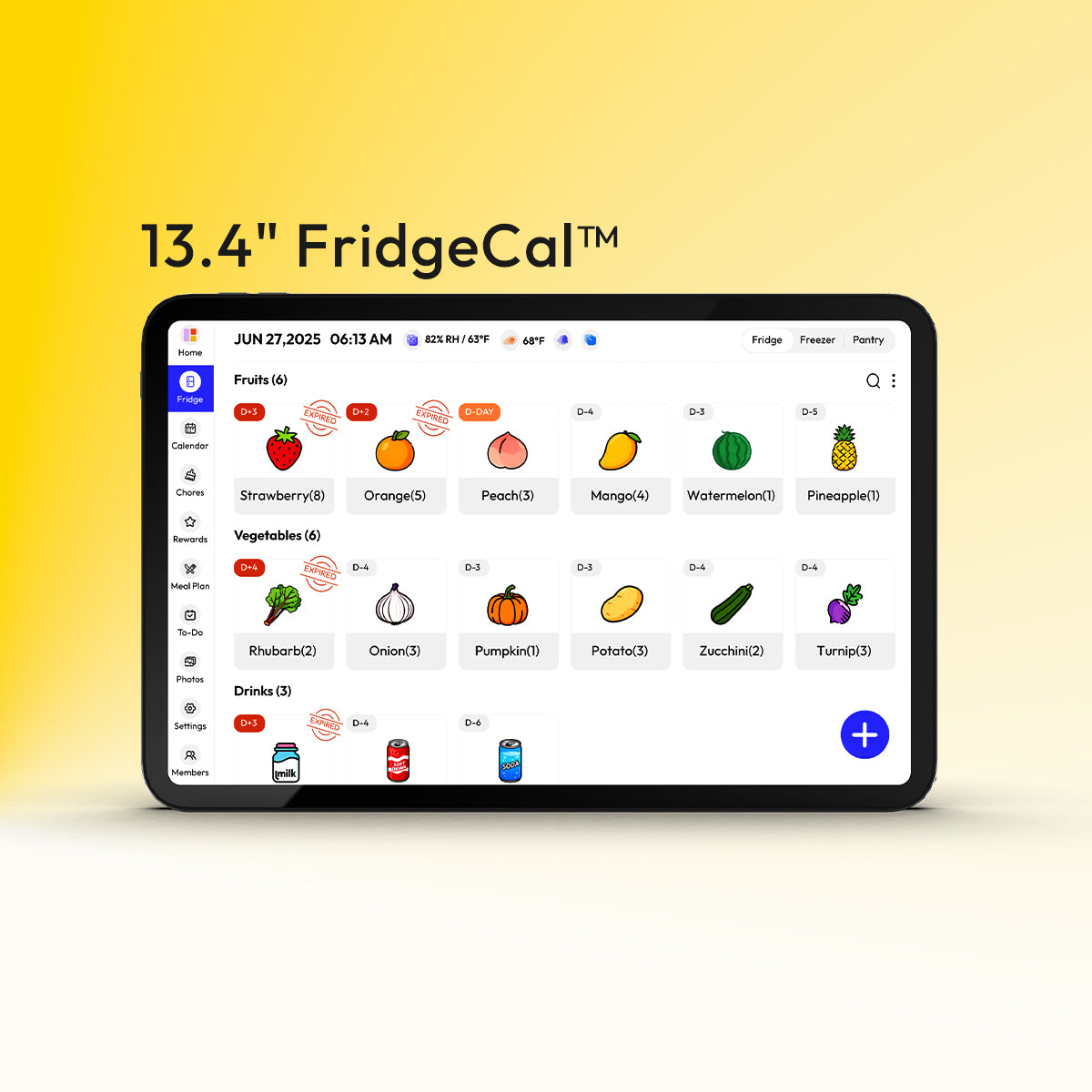
A smart fridge calendar or shared family reminder can help here. Add “use open mayo” to the week you plan sandwiches, tuna melts, burger night, or slaw. That small habit prevents the familiar cycle of buying a new jar while an older one hides behind pickles and leftovers.
Can You Freeze Foods Made With Mayonnaise?
It depends on how much mayo is in the food and whether the dish will be eaten cold or cooked after thawing. Mayo-heavy cold salads usually thaw poorly because the separated dressing coats the ingredients unevenly. Potatoes may weep, chicken can taste watery, and chopped eggs can feel rubbery or damp.

Cooked dishes are more forgiving. A casserole with a small amount of mayo mixed into a sauce may freeze acceptably because heat, starch, cheese, or breadcrumbs can help mask texture changes. Still, freeze in meal-sized portions so you only thaw what the family will actually eat.
Food preservation can reduce waste and stretch seasonal or bulk purchases, but not every food benefits equally from freezing. Food preservation works best when the method fits the food, and mayo is a good example of a food where “can freeze” and “should freeze” are not the same answer.
FAQ
Can I Freeze a Sealed Jar of Mayonnaise?
You can, but it is not recommended. The jar may survive the freezer, but the mayo inside will likely separate after thawing. Store sealed jars in a cool pantry instead.
Can I Use Thawed Mayo on Sandwiches?
Usually no. Even if it is safe, thawed mayo often turns thin, oily, or watery. Save rescued mayo for cooked dishes or replace it for sandwiches.
Can I Freeze Tuna Salad or Chicken Salad With Mayo?
It is better not to. The mayo can separate, and the salad may thaw watery. For smoother meal prep, freeze plain cooked chicken or tuna portions separately, then add fresh mayo after thawing.
Why Does Store-Bought Mayo Last Longer Than Homemade Mayo?
Commercial mayo is made under controlled conditions and often includes pasteurized ingredients, acidity controls, and stabilizers. Homemade mayo can be wonderful, but it is usually less stable and should be made in smaller batches.
A Calm Kitchen Rule to Remember
Treat mayonnaise as a refrigerator staple, not a freezer staple. If it freezes by accident, thaw it cold, blend it once, and use it only where texture does not carry the meal. When in doubt, replace it and move dinner forward without the extra worry.


