


Sunday Veggie Prep 101: Chop Once, Cook Fast All Week
One focused Sunday prep session can turn weeknight cooking into quick assembly, while reducing food waste and last-minute stress.
At 6:30 PM on a busy Tuesday, chopping onions, washing greens, and deciding what to cook can feel harder than the cooking itself. A simple Sunday system fixes that bottleneck before the week starts. You will leave with a repeatable 45-minute workflow, clear safety guardrails, and a use-first plan that helps your vegetables get eaten.
Why Chopping Everything on Sunday Cuts Weeknight Decision Fatigue
Weeknight friction usually comes from too many small decisions in a row: what to wash, what to chop, what goes first in the pan, and what is still safe to eat. Sunday prep works because it changes the game from “decide nightly” to “decide once, execute five times.”

Food safety is easier when your routine is stable, and the clean-separate-cook-chill framework gives you four fixed rules that remove guesswork. In practice, that means fewer midweek resets and less “I forgot to prep anything” takeout.
Use this decision template on Sunday:
Choose 3–4 vegetables you will actually use in five dinners.
Assign each veggie to a role: snack, stir-fry, sheet pan, or salad.
Pre-commit to an order: delicate first (Mon–Tue), hardy later (Wed–Fri).
Portion into meal-sized containers so dinner starts with grab-and-cook.
The 45-Minute Prep Flow: Wash, Dry, Chop, and Portion Safely
Produce prep is safest and fastest when each step is batched, and washing under running water without soap is the right default for fruits and vegetables.
Use this 45-minute flow:
0:00–0:05 setup: clear counter space, set one produce board, one knife, containers, and labels.
0:05–0:10 hygiene: wash hands for 20 seconds, then rinse tools and surfaces.
0:10–0:20 wash and dry: rinse all produce, scrub firm items like cucumbers, and dry thoroughly with clean towels.
0:20–0:35 chop by cooking speed: quick-cook pieces for sautéing, larger chunks for roasting.
0:35–0:42 portion: divide into meal-sized airtight containers (example: “2 cups stir-fry mix”).
0:42–0:45 reset: wipe surfaces, wash tools, and refrigerate immediately.
A common failure point is mixing raw-protein prep with veggie prep, and separate tools and boards prevent cross-contamination when dinner prep gets busy.

Storage Rules That Protect Freshness: 40°F Fridge, 2-Hour Cooling, and Airtight Containers
Refrigerator control is non-negotiable, and 40°F or below is the baseline that protects both quality and safety. Use a fridge thermometer once a week so you are not guessing.
Time control matters just as much, and the 2-hour rule for perishable food (1 hour if above 90°F) should drive your Sunday cool-down routine. Spread hot cooked vegetables in shallow containers so they cool fast, then seal and refrigerate.
Storage life needs a hard stop, and most cooked leftovers stay in the safe zone for 3 to 4 days. Label containers with prep day and “use by” day to avoid silent over-storage.

Airtight wrapping reduces moisture loss and odor transfer, and covered containers for leftovers are a simple way to keep texture and flavor usable through the week.
Use-First Strategy: Delicate Veggies Early, Hardy Veggies Later
A use-first plan beats “first in, forgotten in back,” and short refrigerator windows for many prepped foods make sequencing essential if you want less waste.
Try this weekly map:
Monday: leafy greens, herbs, sliced cucumbers.
Tuesday: mushrooms, zucchini, chopped peppers.
Wednesday: broccoli and cauliflower.
Thursday: carrots and cabbage.
Friday: roasted root vegetables or frozen backup.
Ethylene-sensitive produce breaks down faster around certain fruits, so keep vegetables separate from fruit bins when possible and watch texture daily. If a container looks wet or smells off, toss it and move to your backup plan (frozen vegetables or pantry sides).

Optional Kitchen Helper: Everblog 13.4" FridgeCal for Freshness Reminders and Shopping Lists
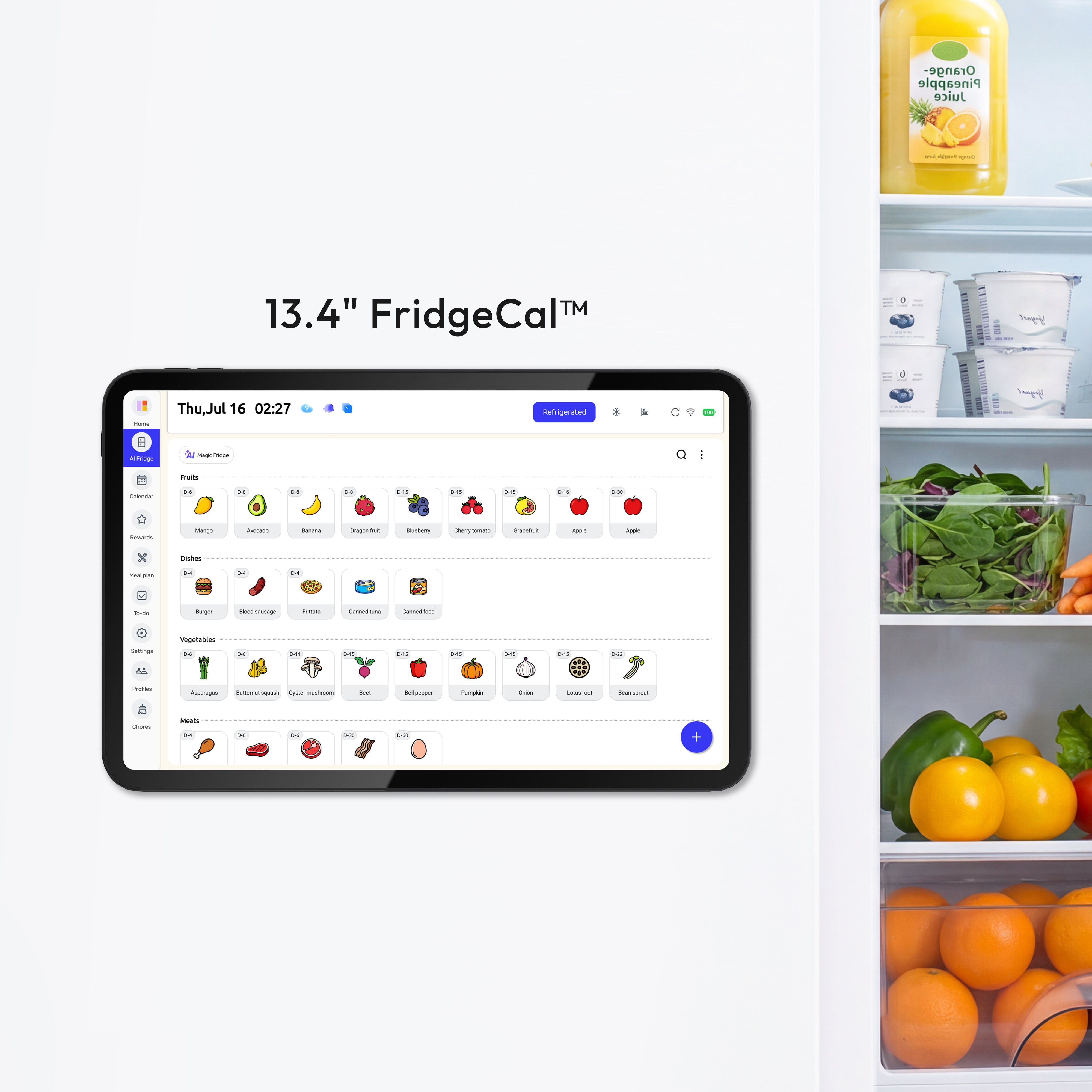
If your biggest issue is forgetting what is in the fridge, a tool like the a company can support this workflow with fridge-door freshness reminders, meal planning notes, and quick shopping list capture. It is most useful for households that want one visible place to track expiration timing and next grocery needs in the kitchen.
Practical Next Steps
A short written system is easier to follow than memory, and Food-Safe Meal Prep Tips can be turned into a one-page Sunday checklist on your fridge.
Start this week with a realistic rollout:
Sunday, 4:00 PM: run one 45-minute prep block with only 3 vegetables.
Monday night: cook one 15-minute dinner using only prepped produce.
Wednesday night: do a 5-minute fridge check and move Thursday/Friday items forward.
Friday night: discard anything past your label date and note what was unused.
Next Sunday: keep what worked, swap one veggie that got wasted, and repeat.
The goal is not perfect prep. The goal is a repeatable system that makes weeknight cooking feel lighter, safer, and faster.
Important Note
The planning templates and organizational systems provided here are intended as adaptable blueprints. Every family’s needs, dietary requirements, and physical capabilities are different. We recommend tailoring these schedules to your specific health needs and household dynamics. Results from productivity or meal-planning systems may vary, and consistency remains the responsibility of the individual user.


