






A carpool schedule works when it is simple, visible, and settled before the first ride. In practice, a shared carpool schedule that every parent can check in seconds prevents most of the confusion, resentment, and last-minute scrambling that usually sink a carpool.
Start Smaller Than You Want To
The most workable carpools are not the biggest ones. A group of 3 or 4 families is usually enough to lighten the load without creating a full-time logistics job.
Choose families by proximity and matching schedules first, and friendship second. The best fit is often the family nearby with the exact same Tuesday and Thursday practice time, not the family you love but can never coordinate with.
A quick reality check helps. If 4 families all need rides to 8 Tuesday practices, each family drives 2 Tuesdays instead of all 8. That is a real reduction in stress, gas, and calendar clutter.
Write the Rotation Before the Season Starts
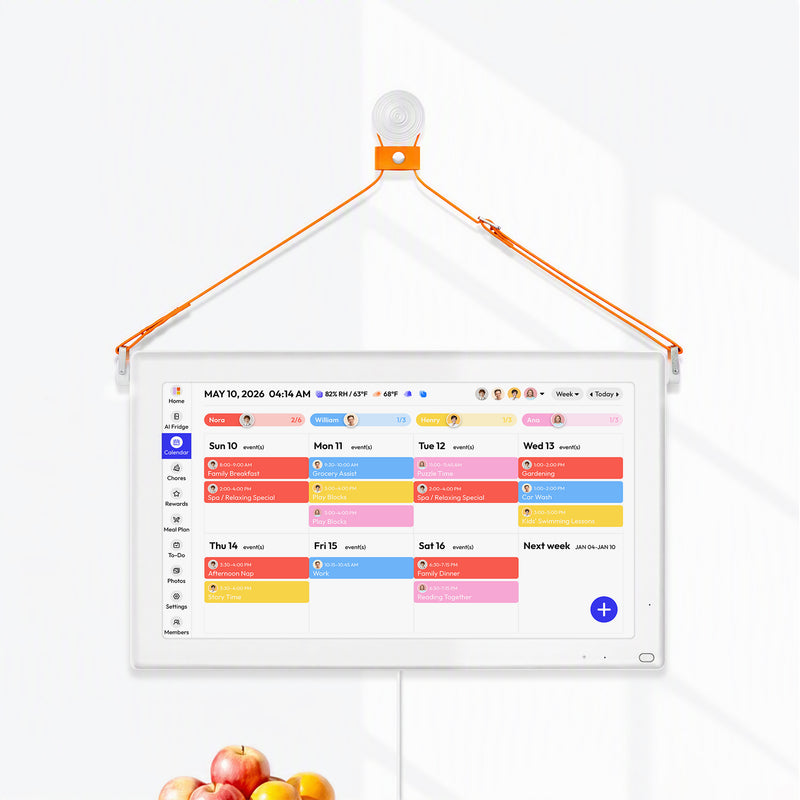
Do not run a carpool from a text thread. Put the full plan in a shared family calendar or similar tool before the season begins, then make sure every parent and older child knows where to check it.
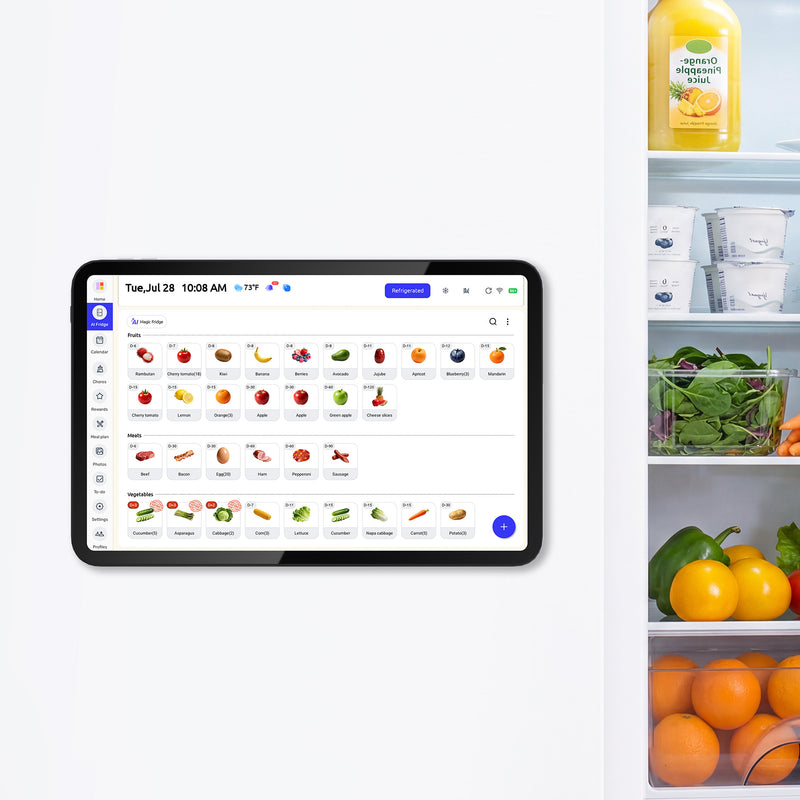
For recurring activities, use recurring schedule settings with an end date so no one is rebuilding the same plan every week. A kitchen display, digital calendar, or printed sheet by the door also works well because the schedule stays visible during busy mornings.

Keep the rotation boring on purpose. Alternate by day, by week, or by specific event, and stick to one method long enough for it to become automatic.
Set the Rules While Everyone Is Calm
The easiest carpools feel relaxed because the decisions were already made. A short written agreement removes guesswork and protects relationships.
Cover the basics in writing: define exactly how long the driver waits before leaving, set the minimum notice for swaps or changes, agree in advance on approved drivers so there are no surprise substitutes, and confirm safety expectations such as seat belts, car seats, backpack placement, and whether kids can eat in the car.

This is also where safety needs to be specific, not assumed. Proper child restraints can cut a child’s risk of injury or death dramatically, so seat assignments and buckling expectations should be part of the schedule, not an afterthought.
Plan for the Day Something Goes Wrong
A good carpool is not one with no disruptions. It is one that already knows what happens when a child is sick, a meeting runs late, or a car will not start.
Name one backup driver or one backup process before the first week. Then keep a shared contact sheet or group chat for fast updates, and make sure swaps stay visible to the whole group instead of getting buried in side texts.

Finally, do a 5-minute check-in every week or two. If one parent is carrying more afternoons, a new sibling now needs a booster seat, or practice moved to 5:30 PM, fix it early. A working carpool is a family system: the clearer it is, the calmer everyone feels.


