



A warm family kitchen works best when the cozy parts and the planning parts share the same logic: keep daily life visible, easy to reach, and easy to reset. The goal is not more stuff on the wall. It is one clear zone for schedules, meals, and chores that fits the way your family already moves through the room.
Does your kitchen table keep turning into a pile of school papers, snack wrappers, and last-minute reminders? Families get better results when the kitchen becomes the one place everyone can check quickly for meals, chores, and what happens next, and the setup is even easier to keep up when the tools are visible and simple. You will leave with a layout that feels lived-in, not cluttered, plus a practical command-center setup you can actually maintain.
Start With the Wall Everyone Already Sees
A family command center works best in a high-traffic location where people already pass, pause, and look around, which is why the kitchen often beats a home office or back hallway. Pick the wall or cabinet side that catches your normal sightlines from the sink, fridge, and main entry into the room. If you have to walk around a corner to check it, the system will slowly stop being part of daily life.

Traffic flow matters as much as visibility. Avoid the wall behind bar stools, next to a swinging pantry door, or above the spot where backpacks get dropped, because people will block the view or bump into the setup during busy hours. The best family hub is close enough for a fast glance but not in the direct splash zone of the sink, cooktop grease, or the countertop where dinner prep gets messy.
Wall height makes a difference too. Hang the main calendar, screen, or whiteboard around adult eye level, but low enough that older kids can read it without help. If you want the kitchen to feel warm instead of bossy, keep the planning zone contained to one vertical band rather than spreading notes across the whole room.
What belongs in the first command zone
A useful starter setup usually includes a shared calendar, a spot for incoming paper, a short meal note, and one place for keys or small grab-and-go items. Those are the same core features many successful command centers share: a visible calendar, a drop zone, paper storage, simple storage, and a high-traffic placement.
If your wall space is tight, use a narrow format. A slim magnetic board, one clipboard for school papers, and two hooks can do more than a large bulletin board that turns into clutter. Warmth comes from restraint here: one real hub is better than five mini piles around the room.
Build Warmth Around Use, Not Around Decor
A kitchen system lasts longer when it matches real routines instead of trying to look perfect all day. That means the cozy feeling should come from visible use, easy access, and less frantic searching, not from filling counters with decorative extras. A bowl for fruit, a lamp glow near the breakfast nook, or a small framed family photo can soften the space, but only after the daily tools have a home.

Routine-based zones help the room feel lived in because they support what your family actually does. A breakfast zone near the toaster, mugs, cereal, and lunch-packing supplies lets kids or teens move through the morning without crossing the whole kitchen. A cleanup zone near the sink with dish tools, towels, and a clear trash path makes evening reset faster and less chaotic.
The warmest kitchens are also honest about kitchen mess. Busy-family kitchen systems work better when breakfast items stay together, leftovers have one dedicated area, and clear labeled containers show what needs to be used soon. That reduces the visual noise of half-finished tasks and turns “lived-in” into “active but under control.”
Keep clutter from taking over the cozy look
Use closed storage for ugly but necessary items, and open visibility for things people truly need to see. Schedules, today’s paper, and the grocery list belong in plain sight. Five extra water bottles, duplicate lunch containers, and random cords do not.
A simple rule helps: if an item creates decisions every day, keep it visible; if it creates decisions only once in a while, store it out of the way. That is why drawer dividers, labeled bins, and one dedicated food-storage cabinet tend to outperform catch-all drawers and stacked piles that hide what is underneath.
Blend Digital and Visible Planning in One Spot
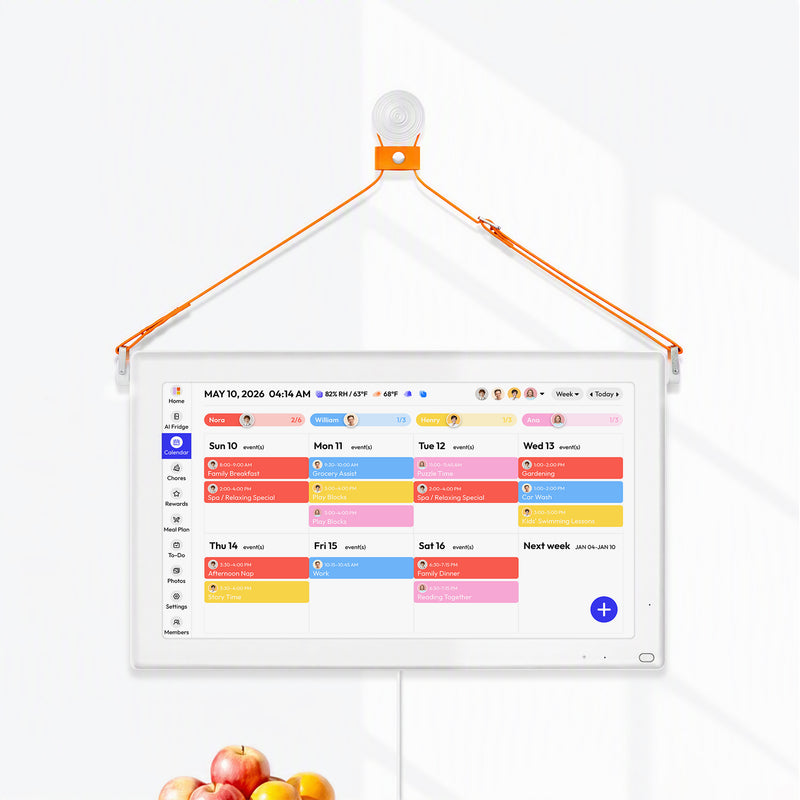
A shared digital family calendar is strongest when it handles the changing details, while the kitchen hub handles the fast glance. In plain terms, phones and synced calendars are better for updates, reminders, and schedule changes on the go. The kitchen wall or screen is better for “What is happening today?” at 7:10 AM when nobody wants to unlock three devices.

This is where families often overdo the tech. You do not need every planning feature on display. A good kitchen setup usually shows only the next few days, dinner notes, and chore highlights, while the full digital system keeps the deeper calendar, school events, shared lists, and recurring routines in the background.
Reliable digital systems matter because digital tools work best when the workflow is clear and trustworthy. At home, that means one calendar owns the truth, and the kitchen display mirrors it. If one parent uses a phone app, another uses email, and the wall calendar says something different, the hub becomes decoration instead of a command center.
Where to place a kitchen screen
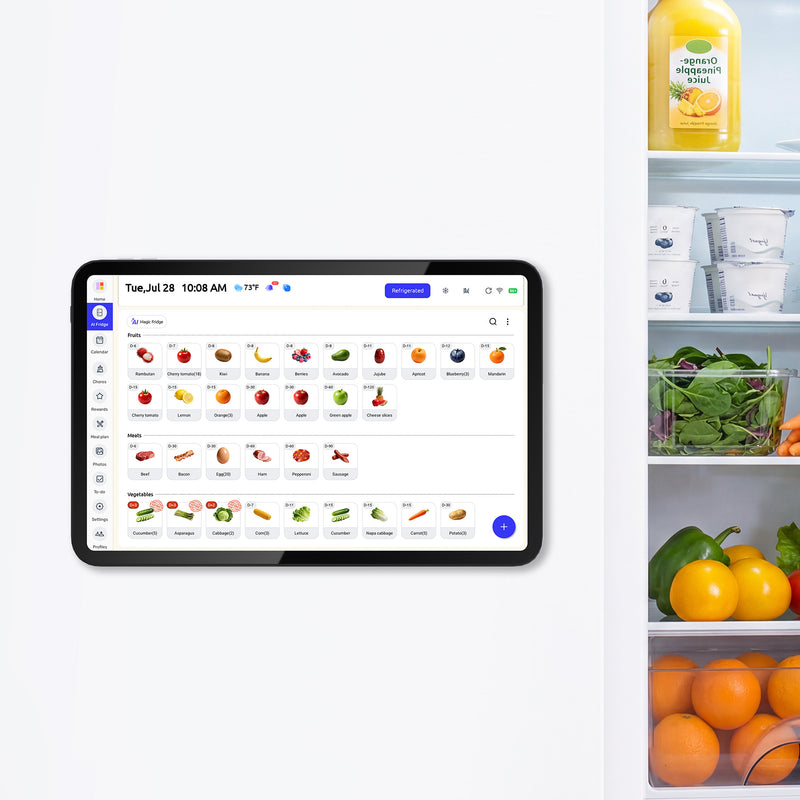
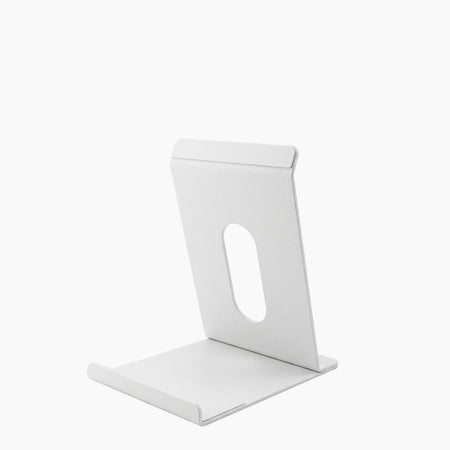
If you use a digital display, whether that is a tablet or a wall-mounted option like the Everblog 21.5" Digital Calendar, mount it where glare will not wash it out in the morning or late afternoon. A large touch display designed for wall mounting can help families view plans, tasks, chores, and events on one screen, but it still needs to sit where people can actually read it. Watch the room at breakfast and again near dinner to see where sunlight hits. A screen directly across from a bright window usually looks sleek in photos and terrible in real life.
Nearby outlets matter more than most families expect. Put the display close to power so cords do not trail across the backsplash or dangle near prep zones. If the only outlet is low or off to the side, consider a non-screen setup on that wall and keep the digital tool on phones or a nearby countertop stand instead.
Make Meal and Chore Planning Easy to Glance At
A visible weekly meal plan and grocery list cut down on repeated questions and last-minute decisions. The key is to keep them near the place where food choices already happen: the fridge, pantry entry, or the short wall between the fridge and the main prep space. That placement turns meal planning into a glanceable cue instead of one more app people forget to open.

For larger households or busy weeks, assign responsibility ahead of time. One practical family system uses a shared document before gatherings to assign cooks, kitchen cleanup duty, and house cleanup duty so people know when they are “on” and when they are off. That same logic works at home during normal weeks: one person handles Tuesday dinner, another checks lunches, another owns kitchen reset.
Chore systems also work better when they describe ownership, not just one-time tasks. A “Kitchen Manager” role gives one child or adult responsibility for noticing the kitchen through the day and making sure it is reset by bedtime. That kind of role reduces the familiar problem where everybody thinks somebody else will wipe the table, empty the dishwasher, or put away the snack mess.
Two chore styles that work in real kitchens
If your family does better with routine, use fixed roles like Dish Crew, Kitchen Manager, or Lunch Prep for a few weeks at a time. That keeps expectations stable, which is especially helpful for kids who handle repetition better than surprise.
If your week changes a lot, use a points system instead. One example assigns simple tasks 1 point, medium tasks 2 points, and harder tasks 3 points, so kids can choose what fits the moment and still meet a daily goal. In a kitchen, that might mean wiping a spill, clearing the table, helping with meal prep, or tidying the family room after snacks.
Design for Kids, Renters, and Imperfect Rooms
A centralized master calendar in the kitchen works better when everyday items are stored in easy-reach places and the system stays simple enough for everyone to follow. For kids, that means lower safe-access drawers for snacks, cups, and lunch items, plus picture labels or plain labels they can actually read. If children can act independently without asking where everything goes, the room feels calmer and more welcoming.
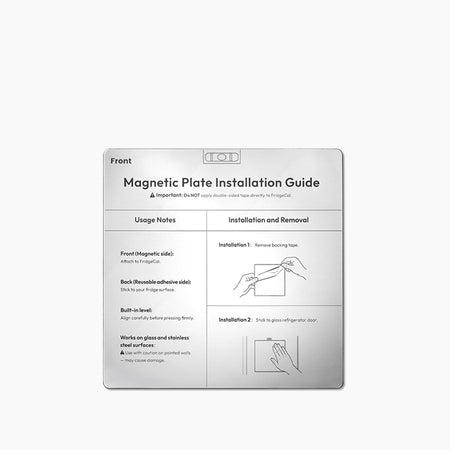
Renters do not need a built-in wall system to make this work. A magnetic fridge panel, removable hooks, one paper inbox, and a small dry-erase board can create the same effect without drilling into tile. The win is not the hardware. The win is that every family member knows where to look, where to drop things, and what happens next.
Imperfect rooms need honest compromises. If your only open wall is near a messy landing zone, use lidded bins below the planning area so the clutter stays contained. If your kitchen is narrow, keep the command center shallow and vertical. If your best sightline is on the side of a pantry cabinet, use that surface rather than forcing a picture-perfect wall that nobody sees.
A simple layout formula
Put the planning zone where an adult can see it while standing in the main work area. Put the drop zone where mail or school papers naturally enter the room. Put kid-access items low, cleanup tools near the sink, and less-used gear out of the way.
That layout respects sightlines, traffic flow, wall height, nearby outlets, and kitchen mess without turning the kitchen into an office. It also keeps the warm parts of the room, like a family table or favorite shelf, from carrying the burden of every paper and reminder.
Action Checklist
- Choose one high-traffic wall, cabinet side, or fridge face for the family hub.
- Test sightlines from the sink, fridge, and main kitchen entry before you mount anything.
- Keep the setup at readable wall height and out of grease, splash, and backpack traffic.
- Use one shared digital calendar as the source of truth, then mirror only the key items in the kitchen.
- Add a weekly meal plan, one paper inbox, and one chore area before adding any extra features.
- Group breakfast, lunch-packing, and cleanup supplies by routine so people can work without asking.
- Review the setup after two weeks and remove anything nobody uses.
FAQ
Q: Should I use a digital screen or a paper calendar in the kitchen?
A: Use the version your family will check fastest. A digital screen is useful when you already keep a synced family calendar and want shared visibility. A paper board is often better in rentals, smaller kitchens, or homes with glare problems and awkward outlet placement.
Q: How do I keep a family hub from making the kitchen look cluttered?
A: Limit the visible zone to daily decisions only: schedule, meals, chores, and incoming paper. Store supplies, extra forms, and backup materials nearby but out of sight. One contained command area looks lived-in; scattered reminders around the room look messy.
Q: What if my kids ignore the system?
A: Lower the friction first. Put their snacks, cups, lunch tools, and chore cues where they can reach them, and use short labels or pictures. Then keep the routine steady for a few weeks so they learn where to look without being reminded every time.
Practical Next Steps
A warm kitchen family hub is really a placement project, not a decorating project. Put the planning zone where people already look, keep the tools easy to read and easy to reset, and let digital calendars handle the details while the kitchen handles the quick daily glance.
If you only change one thing this week, set up one visible planning spot with a shared calendar, meal note, and paper drop zone. That single move usually does more for missed tasks, repeated questions, and everyday kitchen stress than a full organizing overhaul.


