


A good family camping meal plan uses make-ahead breakfasts, low-cook lunches, one-pan dinners, and backup snacks so everyone eats well without turning the campsite into a second kitchen.
Are you picturing hungry kids circling the picnic table while one adult digs through a cooler for something dinner-ish? With a simple plan, you can reduce campsite cooking, keep meals kid-friendly, and avoid relying on hot dogs for every dinner. Here is a calm, practical way to plan outdoor meals that feel nourishing, flexible, and doable.
Why Plan Camping Meals Before You Pack?
Camping meal planning means deciding what your family will eat before the trip, then matching each meal to your cooler space, cooking gear, travel schedule, and children’s real appetites. It is not about making every meal fancy. It is about removing the 5:30 PM decision scramble when everyone is tired, dirty, and ready to eat.

Outdoor educators recommend building a menu around trip length, group needs, cooking time, and food storage, which lines up with what many family campers learn the hard way: the best meal is the one your family can actually cook at camp without stress camping menu. For a family weekend, that often means one reheatable dinner, one foil-packet or skillet meal, one no-cook lunch, and a few familiar snacks.
The biggest advantage is emotional, not culinary. A planned menu makes the whole trip feel steadier. Kids know what is coming, adults stop negotiating every meal from scratch, and everyone gets more time for hikes, card games, lake time, and early bedtime routines.
The Better-Than-Hot-Dogs Framework
Hot dogs have their place. They are fast, cheap, and nostalgic. The problem is relying on them as the whole plan. A stronger family camping meal plan uses four meal types: make-ahead meals, no-cook meals, foil-packet meals, and one-pot or one-skillet meals.
Make-ahead camping meals are foods prepared fully or partly at home, then packed, reheated, assembled, or cooked quickly outdoors. Freezer camping meals are often made before travel, frozen, and then reheated or finished at camp, which is especially helpful because frozen meals also help keep a cooler cold longer freezer camping meals. Chili, taco meat, breakfast burritos, shredded chicken, muffins, and pasta salad all fit this category.
No-cook meals are simple lunches or breakfasts that do not require a fire or stove. Think tortilla wraps, hard-boiled eggs, hummus and vegetables, cheese and crackers, trail mix, apples, oranges, and peanut butter sandwiches. These are especially useful on arrival day, driving days, and hike-heavy afternoons.
Foil-packet meals are pre-portioned meals wrapped in foil and cooked over coals, on a grill grate, or near the fire. Camp recipes cooked inside foil reduce dishes and cleanup foil-packet meals. Sausage with potatoes and peppers, chicken with onions and bell peppers, or shrimp with corn and zucchini can all become low-mess dinners.

One-pot or one-skillet meals cook everything in a single pan or pot. These are the campsite comfort foods: chili mac, tortellini soup, breakfast hash, sloppy joes, curry, or grilled cheese with tomato soup. The benefit is warmth and satisfaction; the tradeoff is cleanup, so these meals work best when you have water access and a simple dish system.
Meal Type |
Best For |
Example |
Main Tradeoff |
Make-ahead |
Arrival night and tired evenings |
Frozen chili or taco meat |
Needs cooler space |
No-cook |
Lunches, hikes, travel days |
Wraps, fruit, snack boxes |
Less cozy in cold weather |
Foil packet |
Custom kid portions |
Sausage, potatoes, vegetables |
Cook time varies by ingredients |
One-skillet |
Filling family dinners |
Breakfast hash or chili mac |
Requires washing cookware |
A Simple 3-Day Family Camping Meal Plan
For a Friday-to-Sunday trip, plan around the natural rhythm of family energy. Arrival night should be the easiest dinner. Saturday can handle one fun camp-cooking meal. Sunday should use leftovers and shelf-stable food so packing up stays calm.
Friday dinner can be frozen chili, reheated in a pot, with cornbread muffins made at home. If your family prefers tacos, pack pre-cooked taco meat, tortillas, shredded cheese, salsa, and a bag of chopped lettuce to use early in the trip. Label freezer bags with cooking instructions so the person cooking can follow the plan even if someone else packed the cooler.
Saturday breakfast can be foil-wrapped breakfast burritos or English muffin sandwiches. Practical family camping breakfasts that work with minimal equipment include breakfast sandwiches, burritos, pancakes, French toast, overnight oats, and cast-iron hash camping breakfasts. For a family of four, pack one burrito per person plus two extras if you have active kids or a morning hike planned.
Saturday lunch should be no-cook. Tortilla wraps travel better than soft sandwich bread because they do not crush as easily, and they can become turkey wraps, peanut butter banana wraps, hummus veggie wraps, or tuna wraps. Add apples or oranges rather than delicate berries if the cooler will be crowded.
Saturday dinner is the right moment for foil packets or a skillet meal. Prepping food at home leaves more camping time for playing, resting, or hiking rather than chopping and cleaning prepping food at home. At home, slice bell peppers, onions, potatoes, and sausage, then pack them in separate containers. At camp, each person can build a packet with the vegetables they actually like, which makes dinner feel more cooperative and less like a negotiation.

Sunday breakfast can be oatmeal cups, muffins, fruit, or leftover breakfast burritos. Sunday lunch can be snack-board style: cheese, crackers, summer sausage, carrots, hummus, oranges, trail mix, and any remaining wraps. This keeps cleanup light when the tent is coming down and the car is being repacked.
How to Pack the Cooler Without Losing Your Mind
Cooler organization is where a good plan becomes a smooth trip. Pack food by meal order, with the first meals easiest to reach and later frozen meals lower in the cooler. Separate coolers for food and drinks can help because drink coolers get opened more often, which can warm food faster separate coolers.
A practical example helps. If you are camping Friday through Sunday, put Sunday’s frozen chili or meat at the bottom, Saturday’s dinner components above that, and Friday’s dinner near the top. Keep Saturday lunch items together in one container so you are not hunting for cheese, wraps, and fruit while kids are asking to swim.
Meal planning should account for outdoor conditions, food safety, and prep needs because camp kitchens rarely have the counter space or refrigeration you are used to at home outdoor conditions. Raw meat should stay sealed and separate from ready-to-eat foods. Fresh produce and salad kits should be eaten early. Shelf-stable backups like oatmeal, trail mix, dried fruit, tuna packets, and protein bars can sit outside the cooler and rescue a delayed meal.
Let Kids Help Without Creating Chaos
Family camping food works better when children have real jobs. That does not mean handing a young child a knife or putting them close to open flame. It means giving them safe, useful ownership.
Kids are more likely to eat foods they helped prepare, but camp cooking still needs clear fire safety rules, distance from flames, and boundaries around hot cookware foods they helped prepare. Younger kids can choose foil-packet vegetables, shake pancake batter in a squeeze bottle, assemble trail mix, or place napkins and plates on the table. Older kids can build wraps, help label meal bags, stir oatmeal, or manage the snack bin.
A visual fire boundary is worth setting before cooking starts. Use the existing fire ring or create a clear “no running inside this circle” rule. Calm rules protect the meal and the mood.
Using a Family Calendar for Camping Meal Planning
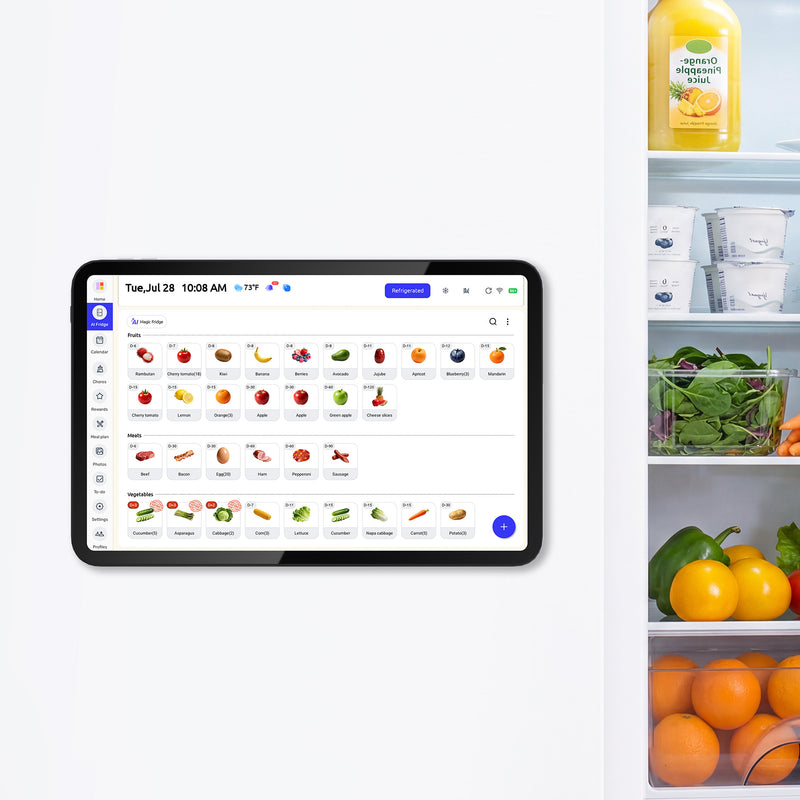
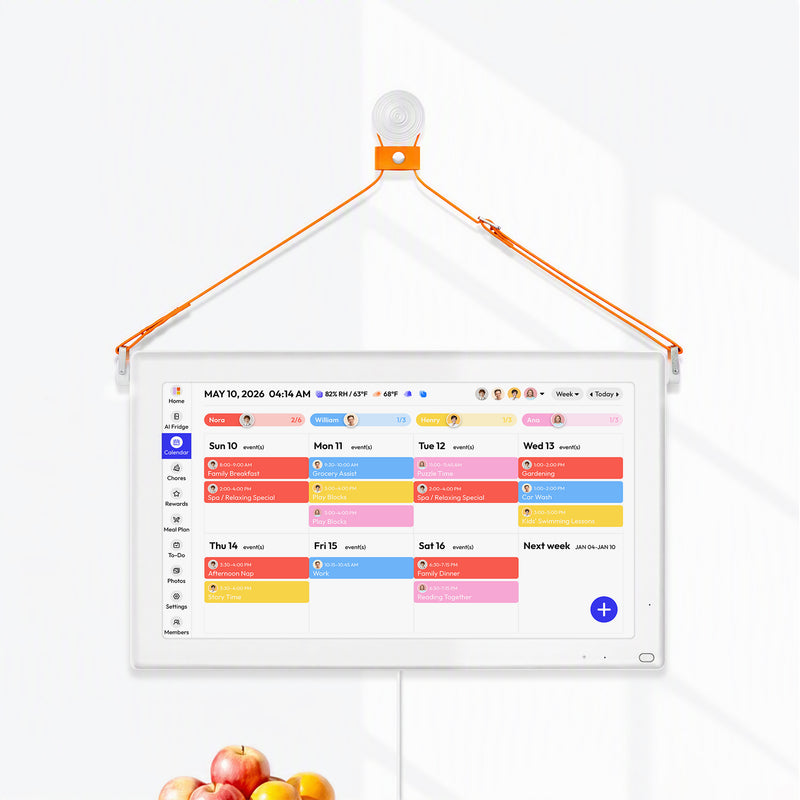
A family camping meal plan is easier when it lives somewhere visible before the trip. A smart kitchen calendar or shared digital calendar can hold the menu, grocery list, prep reminders, and packing schedule in one place. Digital calendars can help households manage shared schedules and planning tasks, which fits camping prep because the work usually spreads across several days digital calendars.
For example, schedule “make chili” on Wednesday evening, “freeze burritos” on Thursday morning, and “pack cooler” on Friday before school pickup. Some family calendar tools include dinner planning, tasks, lists, and remote updates through an app, so a parent at the store can update groceries while another parent checks the kitchen display dinner planning. The point is not the device itself; it is having one trusted place where the family can see the plan.

Pros and Cons of Going Beyond Hot Dogs
The benefits are clear: better variety, more satisfying meals, fewer emergency store runs, and less pressure on the campsite cook. Make-ahead meals can turn the hardest dinner of the trip into a 15-minute reheat. No-cook lunches protect your midday energy. Foil packets let picky eaters customize without requiring separate meals.
The tradeoffs are also real. You need prep time at home, enough cooler space, and a little discipline when packing. Some foods do not freeze or travel well. Leafy salads, delicate berries, and raw onions can be frustrating on longer trips. Egg-based freezer meals may change texture after thawing, so refrigerated breakfast sandwiches or freshly cooked eggs can be better for short trips.
The balanced answer is to mix convenience with care. Use one nostalgic hot dog night if your family loves it, then add chili, burritos, wraps, foil packets, oatmeal, and hearty snacks around it.
Short FAQ
How much food should I pack for family camping?
Pack the planned meals plus extra snacks, especially if your trip includes hiking, swimming, biking, or long setup time. Families often underestimate how hungry kids get outdoors, so add shelf-stable backups that can come home if unused.
What is the easiest first-night camping dinner?
A frozen, fully cooked meal is usually easiest. Chili, taco meat, pulled pork, soup, or baked pasta can go straight from cooler to pot with minimal prep.
What meals should be eaten first?
Eat fresh produce, salad kits, and refrigerated dairy-based foods early. Save frozen meals for later in the trip, and keep nonperishable foods as backups for delays, weather changes, or the ride home.
A peaceful camping meal plan does not need to be perfect. It just needs to match your real family, your real cooler, and the amount of energy everyone will have after a day outside. When meals are simple, visible, and shared, food becomes part of the memory instead of the stress.


