


The simplest way to make family planning part of the home is to give it one shared home base. Put the calendar, meal plan, chores, and school paperwork where people already pass by, so the system gets seen instead of forgotten.
If your mornings feel like a chain of repeated questions, your planning tools are probably scattered across too many places. The setups that hold up best in real homes live in a shared spot people cross several times a day, not in a private office or buried in one person’s phone. You can build a hub that fits a rental, a busy kitchen, or a narrow hallway without turning your wall into clutter.
Why One Hub Works Better Than Scattered Reminders
One place beats five partial systems
A family command center works because it puts calendars, menus, bills, grocery lists, chore charts, and important papers in one shared spot instead of spreading them across apps, counters, and text threads. That matters in a busy house, where the real problem is usually not lack of tools. It is that nobody knows which tool has the current answer.

A shared planning hub is especially useful in a small house because it can streamline routines, support time management, and improve family communication. In plain terms, it cuts down on the daily handoff problems: missed practices, duplicate grocery runs, unsigned forms, and the late 5:30 PM realization that nobody planned dinner.
Visibility matters more than perfection
A planning system only works if people can check it quickly. That is why a visible wall, fridge front, or mudroom zone often beats a well-organized app that only one adult opens. When the plan is easy to see, it becomes part of traffic flow instead of one more thing to remember.
This is also where mental load drops. One parent no longer has to carry the family’s timing in their head, repeat every reminder out loud, and chase updates across paper scraps. Many kids, and many adults who get overloaded by verbal reminders, do better when today’s plan is visible at a glance.
Put the Hub Where People Already Pass It
Start with sightlines and traffic flow
A central but practical location usually works best: a back hallway, garage entry, mudroom, kitchen edge, laundry area, or the front of the refrigerator. The right test is simple. Can people see it during normal movement, without stopping in the middle of a doorway or walking into a room they do not already use?
Sightlines matter more than having a big blank wall. A narrow strip between the kitchen and dining area can work better than a large wall in a spare room because more people actually pass it. If your household gathers in the kitchen every morning, place the weekly view there. If shoes, backpacks, and permission slips all collect near the garage door, that entry path may be the stronger location.

Check wall height, glare, outlets, and kitchen mess
Once you pick the zone, check the physical details before you mount anything. A practical starting point is to place the main calendar so its center lands about 57 to 60 inches from the floor for adult reading, then put kid-facing chore strips or hooks lower, around 42 to 48 inches. That keeps the big picture readable while letting children reach what belongs to them.
Glare can ruin a good screen location, so avoid a wall that faces a bright window or catches strong afternoon sun. If you want a digital display, choose a spot with a nearby outlet within about 3 to 6 feet so cords do not cut across a walkway. In kitchens, leave some distance from the sink, stove, or coffee spill zone. If grease, steam, and splashes are common, shift the hub a few feet to the side and keep only the most wipeable pieces near the mess.
Renters and awkward rooms can still do this
A command center does not have to live in one perfect built-in spot. Renters can use the refrigerator, removable hooks, lightweight clipboards, magnetic pockets, or a slim board mounted with damage-free strips. If your walls are limited, use a two-part setup: one visible weekly board where everyone sees it, plus a nearby paper zone inside a cabinet or on the side of a pantry.
That split approach helps when you want the schedule visible but not every bill, receipt, and school form on display. It also works well in homes where the kitchen is busy but messy. Keep the glanceable layer out in the open, and keep the paper-heavy layer one step away.
Decide What Goes on the Wall and What Stays in the App
Use digital for changing information
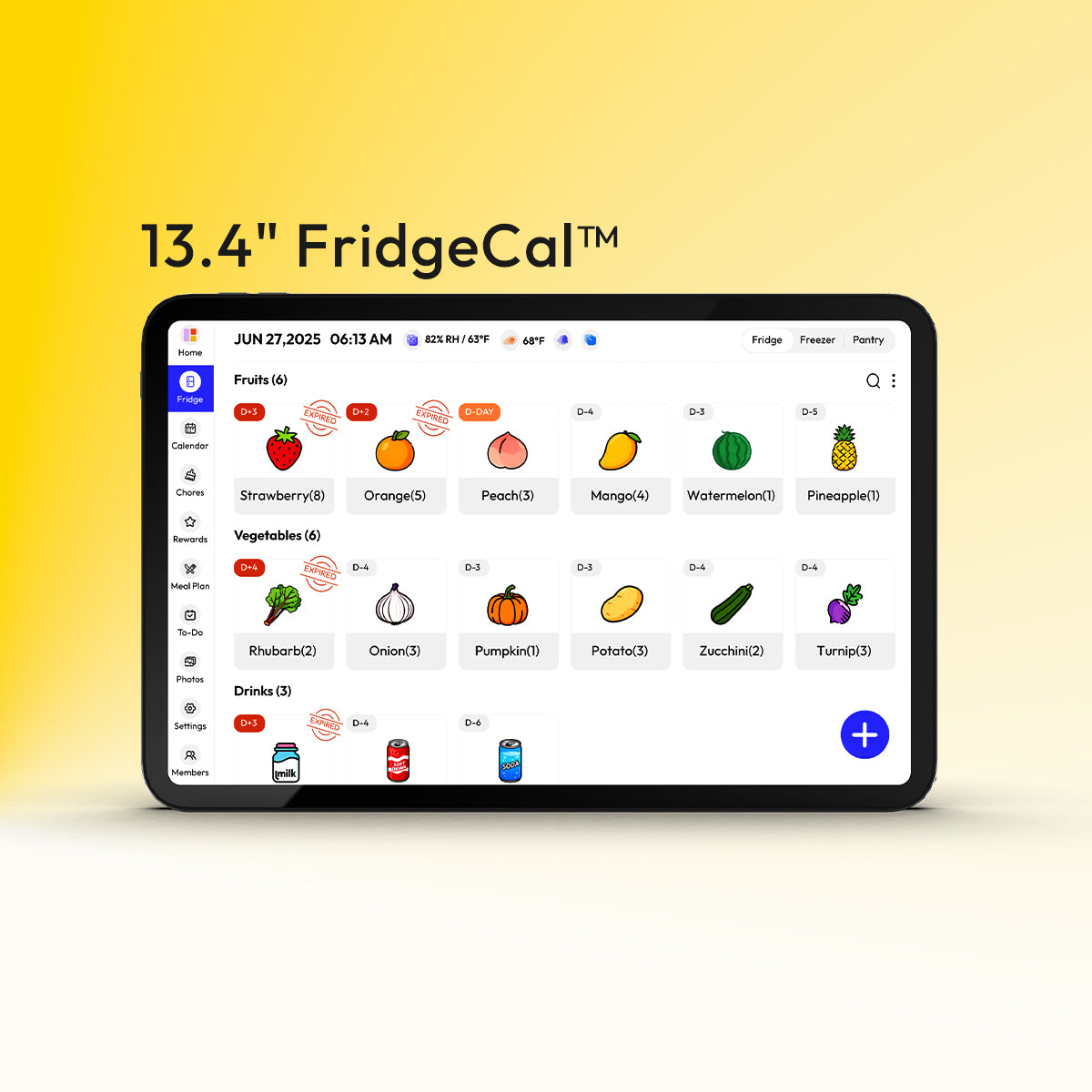
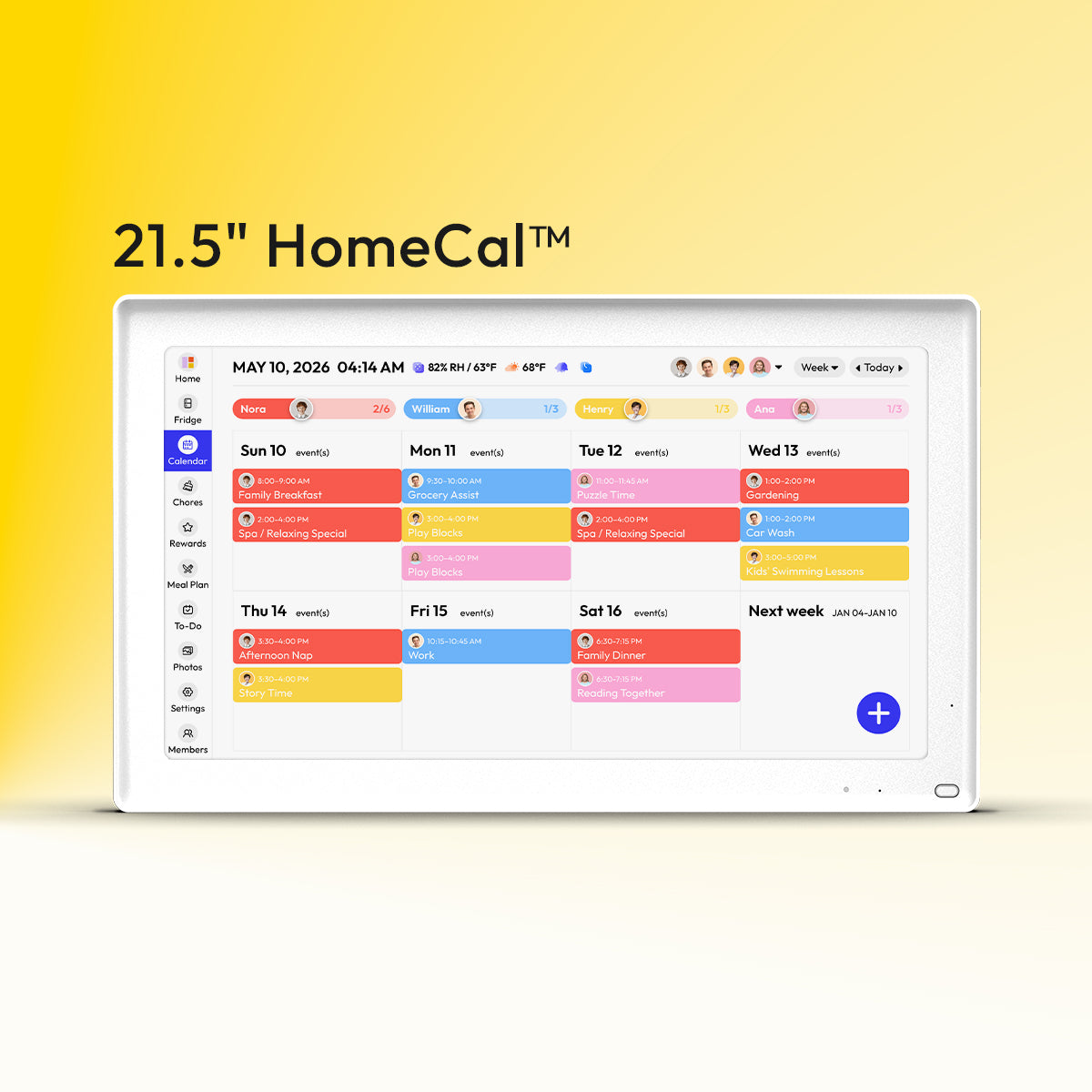
A shared family dashboard is strongest when it handles the parts of home life that change fast: appointments, practices, grocery items, to-dos, dinner planning, and phone-based updates from multiple adults. Digital tools help when schedules shift midday, one parent is away from home, or you need the same calendar on a wall, a laptop, and a cell phone.
That does not mean you need a dedicated screen right away. For many families, the app is the live system and the wall is the display layer. If you do want a wall-mounted option for changing schedules, the Everblog digital calendar is one example of a large touch display designed for wall mounting that helps families view plans, tasks, chores, and events on one screen, while paper can still stay nearby for forms and short-term reminders.

Use paper for papers, signatures, and short-term reminders
A family command center can include one or two separate areas because not everything belongs in the same format. Paper still wins for forms to sign, mail to sort, coupons, art you need to keep for a day or two, and the “do not forget this tomorrow” note that needs to stare back at you from the wall.
A simple rule helps: if the item needs to be carried, signed, filed, or physically handed to someone, give it a pocket, bin, or clip. If the item changes often or needs to notify several people, keep it digital. That avoids the worst hybrid mistake, which is entering the same information in three places and trusting none of them.
A hybrid setup fits most homes
A family calendar comparison shows how wide the range is now, from free shared calendars to wall-mounted devices that start around $169.99 and run well past $500. For most households, that makes hybrid the safest choice: use a phone-friendly shared calendar for live updates, then pair it with a physical weekly board, hooks, and one paper inbox.
Setup |
Best for |
Watch out for |
Paper-first |
Renters, young kids, tight budgets, simple weekly routines |
Manual updates can fall behind |
Digital-first |
Complex schedules, split households, frequent changes |
Screen cost, glare, outlet needs, and lower visibility if tucked away |
Hybrid |
Most families with school, meals, chores, and paperwork at once |
Duplicate entry if roles are not clear |
Build Routines That People Will Actually Use
Repeat chores by the week, not by the minute
A weekly chore rotation works well because repetition cuts down on arguing and forgetfulness. One example uses three children and three main chores, with each child keeping one chore for the full week and rotating the next week. The routine also sets aside about 10 minutes before school and 10 minutes after dinner, which is short enough to repeat without a full family meeting.

That same logic helps the whole hub. Do not rewrite the system every day. Set the meal board once for the week, rotate routine chores weekly, and reserve the daily updates for things that really change. When the hub stays mostly stable, people trust it more.
Make the daily check take less than a minute
A planning hub gets used when the family scan is fast. Aim for a 30- to 60-second morning glance and a short after-dinner reset. If someone has to decode three colors, six sticky notes, and a stack of forms just to learn whether soccer starts at 5:00 PM, the system is already too crowded.
Try a simple visual order from top to bottom: calendar first, today’s meal second, chores third, papers last. That keeps the most time-sensitive items in the best sightline. It also helps kids know where to look before they ask.
Give each person one clear job
A shared center works better with assigned maintenance tasks. One adult might own calendar syncing, another might restock the paper inbox, and each child can be responsible for checking their bin or hook before school. Shared visibility is helpful, but shared upkeep is what keeps the hub alive after the first week.
This matters even more in imperfect seasons. If one parent is carrying a new baby, caring for an older relative, or covering extra work hours, the system should still run because the wall tells the story and the jobs are already divided.
Plan for Busy Seasons, Not Perfect Weeks
Build for paper pileups and backpack drops
A centralized home space should cover schedules, schoolwork, housekeeping expectations, and family communication, not just the calendar. In practice, that means giving clutter a landing spot before it spreads. One bin per child, one hook per bag, one mail slot, and one “needs signature” clip will solve more real problems than adding another app.
This is where kitchen mess matters again. If lunchboxes, sports bottles, and grocery bags already crowd the counter, do not make the counter your planning system. Use the wall above it, the fridge front, or the hallway just outside the kitchen so information stays visible without getting buried under life.
Use outside support when life gets heavy
A shared sign-up system can extend your planning hub when your family needs help with meals, rides, visits, errands, or housework. A platform reports more than 280,000 pages created and more than 6 million meals scheduled, which shows how useful one visible coordination point can be when a household is dealing with a new baby, illness, surgery, or another major transition.
That does not replace your home hub. It plugs into it. The wall tells your family what is happening at home, and the outside sign-up page tells helpers where the open needs are. Together, they cut down on back-and-forth texts and missed handoffs.
FAQ
Q: Should the family hub go in the kitchen even if the kitchen is messy?
A: Usually near the kitchen is better than deep inside it. If the kitchen has good traffic flow but lots of mess, place the hub on the edge of that zone, such as the hallway wall, pantry side, or fridge front, so it stays visible without getting splashed or buried.
Q: Do we need a wall-mounted digital calendar to make this work?
A: No. A dedicated screen can be helpful for families with many schedule changes, but a shared phone calendar plus a physical weekly board is enough for most homes. Start with the routine, not the hardware.
Q: What if my kids ignore the hub?
A: Lower the child-facing parts, keep the layout simple, and connect the hub to real routines. Hooks, bins, and a weekly chore strip they can reach work better than a board full of adult information they cannot act on.
Practical Next Steps
A good shared planning hub is not about making your home look more organized. It is about making the right information easier to see at the exact moment your family needs it. If the wall helps people leave on time, remember dinner, and stop asking the same questions, it is doing its job.
- Pick one high-traffic spot your family already passes at least twice a day.
- Test the sightlines, glare, outlet access, and distance from kitchen mess before mounting anything.
- Put only four core elements in the first version: weekly calendar, meal plan, chore list, and one paper inbox.
- Decide what stays digital and what stays physical so information lives in one trusted place.
- Set one weekly reset time, such as Sunday night, and one daily check time, such as breakfast or after dinner.
- Give each family member one maintenance job so the system does not depend on one person.
- Run the setup for two weeks, then remove anything nobody is using and add only what solved a real problem.


