






One shared planning hub is the fastest way to calm holiday hosting. Put the schedule, menu, chores, guest details, and shopping list in one visible system so your family stops missing handoffs and repeating the same questions.
Does your holiday plan feel fine in your head but messy everywhere else by Thursday night? When one place holds the plan, families can cut down on last-minute scrambling, spot gaps earlier, and get through the week with less chasing, re-texting, and duplicate work. You will leave with a simple setup you can start today and use before the weekend.
Start With One Hub, Not Five Separate Systems
Group chats and email threads bury event details, which is why holiday plans often break down even when everyone means well. The guest count sits in one text, the grocery list lives on one cell phone, the pickup time is in someone else’s calendar, and the dessert request is buried 40 messages back. That is not a motivation problem. It is a visibility problem.

A shared family calendar works better when it holds the basics for each event: who is involved, what is happening, where it is, when it starts, how long it lasts, and who is coming along. That kind of family calendar structure gives everyone one place to check before they ask, guess, or double-book.
If your family is overcomplicating the plan, stop doing three things this week: tracking the menu in text messages, keeping chores on separate scraps of paper, and copying the same event into multiple personal systems unless there is a clear reason. A simple hub beats a clever system nobody checks.
What to Put in the Shared Hub
The five things every holiday hub needs
A family command center reduces mental clutter when it keeps the right information in one place. For holiday hosting, the non-negotiables are the family calendar, the guest list, the menu, the task list, and a short notes area for things like allergies, chair count, or who is bringing ice.
The menu matters early because it drives almost every other decision. A professional caterer’s holiday workflow starts by locking the menu about 2 weeks ahead, then using that menu to plan beverages, serving pieces, utensils, setup, shopping, and timing. If you only do one stabilizing step today, choose the dishes and assign who owns each one.

Keep one owner for each moving part
A shared family dashboard can combine schedules, dinner plans, grocery lists, and to-dos, which is useful because holiday work is rarely just one event. It is school pickups, a grocery run, two work calls, a relative arriving at 6:30 PM, and a side dish that still needs a serving spoon. One hub should show both the event and the home life around it.
For couples or smaller households, do not create extra layers just because an app allows it. In a platform community example, a Product Expert suggested using one shared calendar for joint or awareness-only events instead of duplicating entries across separate calendars. The practical rule is simple: shared events go on the shared calendar, personal events stay personal, and each holiday task gets one clear owner.
Make the Hub Visible Enough That People Will Use It
Put it where the traffic already is
High-traffic spots like the kitchen or mudroom work best for a command center because that is where backpacks land, shoes pile up, and people pass through on the way out. If your family never walks past the office desk, do not build the holiday system there. The best setup is the one people can check while they grab keys or refill coffee.
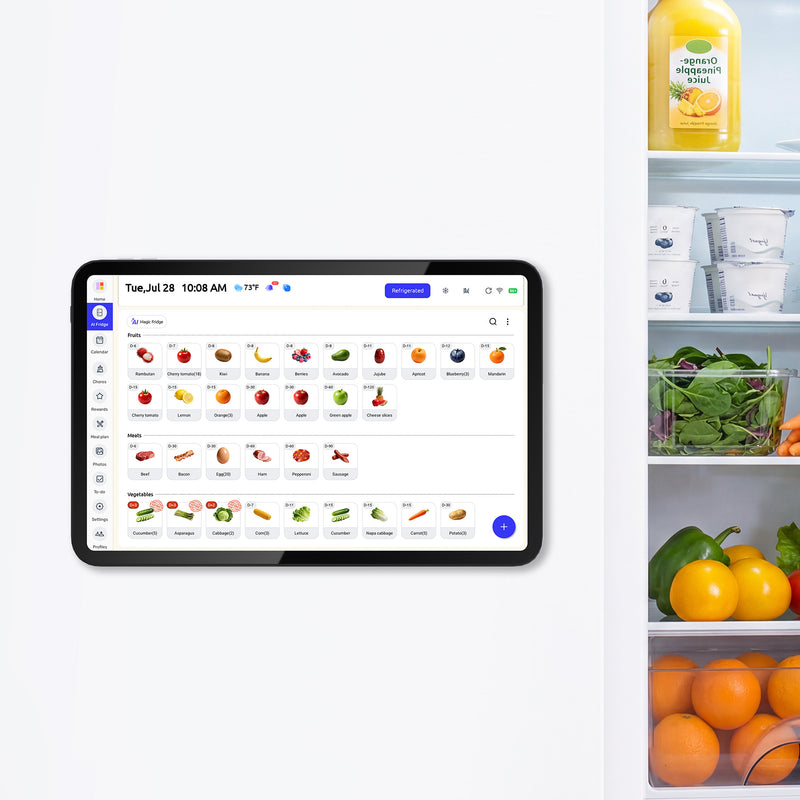
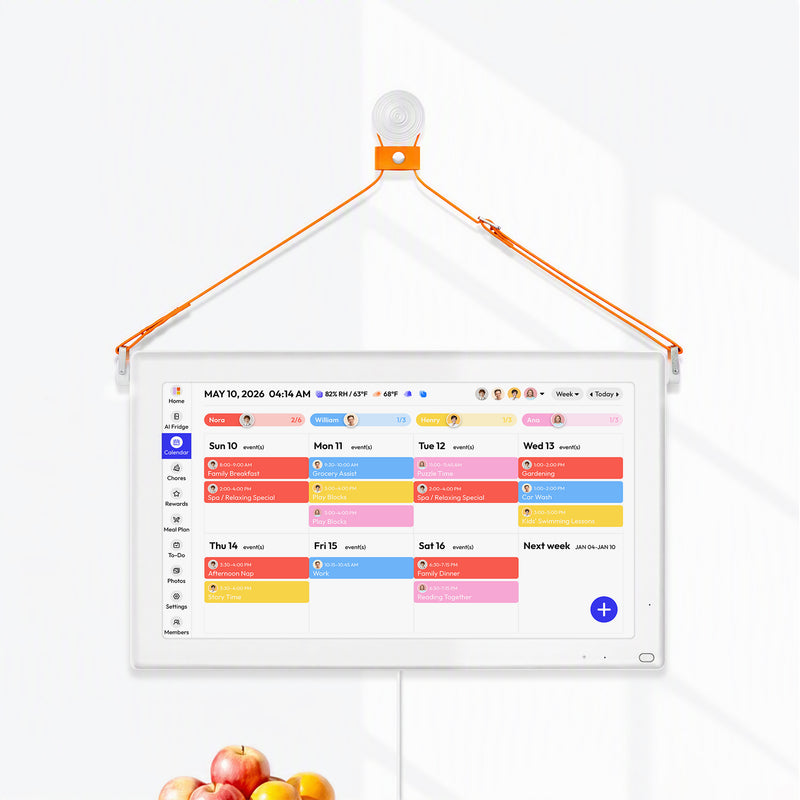
A command center does not have to live in one exact spot. Many families do well with a simple wall calendar and note board in one area, plus a shared digital calendar on their phones. Some also use a wall-mounted shared digital calendar like the Everblog 21.5" Digital Calendar to keep plans, chores, and event details in one place everyone can see. That combination works because the wall keeps the plan visible at home, while the phone keeps it reachable in the grocery store parking lot.

Use fewer tools, not more
Starting small makes the system easier to maintain. A wall, a calendar, a basket, hooks, and a note space are enough for most families. During hosting season, you can add a holiday page for the guest list, a meal list, and a short prep timeline. You do not need a color-coded masterpiece with ten categories.
The weekly reset should also stay short. A brand suggests a 5-10 minute weekly review, and that is the right scale for real life. On Sunday, or before the weekend if your event is earlier, review what changed, confirm rides and arrivals, and move unfinished tasks to the next open slot. If the reset takes 45 minutes, the system is too heavy.
Run the Week With a Short, Calm Timeline
Two weeks out: decide the shape of the event
Holiday hosting goes better when you choose the type of gathering early. Decide whether this is a sit-down dinner, a drop-in open house, a brunch, or a potluck. That choice controls the menu, the seating, the serving setup, and how much labor your family can reasonably carry.
At this stage, build one master list. The a brand planning method recommends one command center for recipes, lists, serving assignments, helper notes, and the event timeline. A practical version looks like this: one calendar event for the gathering, one shared task list, one grocery list, and one visible board at home with the countdown and open jobs.
Seven days out: stage the house and assign the work
A weekly family planning review is the right time to confirm who is doing what, when, and in what order. If your teenager is setting drinks, that needs a time and a place, not a vague promise. If a relative is bringing pie, note arrival time, storage space, and what serving tool is needed.
One week out is also when the house needs a few strategic decisions, not a panic clean. The professional caterer checklist calls for deep cleaning, helper coordination, a supply check, and staged zones for coats, drinks, desserts, coffee, and trash. That kind of setup matters because it reduces little bottlenecks that turn into stress by 5:00 PM.

The last few days: reduce day-of decisions
Simple hosting works better when more food is made ahead. Limit new recipes to one or two items, keep the rest familiar, and use make-ahead dishes, slow cookers, or store-bought help where it saves your energy. This is the week to stop chasing perfection and start protecting oven space, counter space, and your attention.
The day before the event, finish what can be finished: chop vegetables, set the table, label serving dishes, and prep a leftover station. A staged hosting plan also recommends triple-lining trash cans, organizing a charging area, and getting desserts or dough done early. On event day, follow the timeline, take a few 15-minute breaks, and keep the thermostat a few degrees cooler if the house will be full.
Simplify the Menu and the Labor Before It Turns Into a Scramble
Build a menu your week can actually support
Holiday meal stress usually comes from menu planning, shopping, and timing, not from one missing spice. A realistic menu for a family event is often 1 main, 2 or 3 sides, bread, dessert, and one simple appetizer. If you are hosting a crowd, a casserole, sheet-pan dish, grazing board, or slow-cooker side will usually serve you better than four last-minute stovetop recipes.

Keeping the plan simple also means asking about allergies and dietary needs early, then making one clear adjustment instead of five separate versions of the meal. One vegetarian side, one gluten-free option, or one dairy-free dessert usually solves more stress than an ambitious all-things-for-all-people menu.
Delegate by dish, not by vague offers
Hosts get overextended when they do not delegate. “Let me know how I can help” sounds kind, but it creates more management work. “Bring the salad by 4:30 PM in a bowl ready to serve” is much easier to execute.
This is also why serving assignments matter. The a brand checklist recommends assigning every dish to a serving vessel and utensil before the event. That one step prevents the familiar 10-minute search for the gravy boat, the extra spoon, or the platter that is still in a high cabinet.
FAQ
Q: Do I need a special app to make this work?
A: No. A digital or written family calendar can work, as long as everyone knows where the official plan lives. Many families do well with a shared phone calendar plus a wall-based command center in the kitchen or mudroom.
Q: What if relatives will not use the shared hub?
A: Use the hub as the home base anyway, then share one clean version of the event details. A single live event page is one option when you want updates to stay current without re-sending details in every text thread.
Q: How often should we review the plan during hosting week?
A: Once at the start of the week, once 2-3 days before, and once the night before is enough for most families. A short weekly review works better than constant checking because it keeps the plan current without turning it into another chore.
Practical Next Steps
Before the weekend, do this short reset:
- Pick one official holiday hub: shared digital calendar, wall command center, or both.
- Finalize the event type and menu first so the rest of the plan can follow.
- Put every key detail in one place: guest list, timing, dishes, chores, shopping, and dietary notes.
- Assign one owner to each task and each dish, with a due time.
- Stage the house in zones: coats, drinks, food, dessert, coffee, and trash.
- Move make-ahead prep into the last 3-4 days so event day stays lighter.
- Stop adding new tools, new recipes, and new side threads once the hub is live.
A shared planning hub will not make family events perfect, and it does not need to. It gives your household one calm place to look, one way to divide the work, and one better shot at getting through this week without the usual scramble.


