


Use the counter for citrus you’ll use within a day or two. For a week or longer, the fridge usually keeps lemons and limes juicier, especially when they are sealed instead of left loose.
Have you ever reached for a lemon at dinner time only to find it dry, hard, or already starting to go bad? A simple change in where and how you store citrus can stretch whole lemons and limes from “use tonight” fruit into “still good next week” fruit. Here’s when to use the counter, when to use the fridge, and how to avoid storage habits that waste money and flavor.
The simple rule most families can follow
An airtight container in the refrigerator is the most reliable home method for keeping whole lemons and limes usable for up to about a month. In practical terms, that makes the fridge the better default if you buy citrus by the bag, shop once a week, or keep lemons around for cooking, dressings, and lunchbox water.

Countertop storage still has a place. If you bought two lemons for tonight’s salmon or three limes for taco night tomorrow, leaving them out where you can see them makes them easier to remember and use. For a busy household, that visibility matters almost as much as shelf life, because fruit that gets forgotten in a drawer is not really stored well at all.
How soon you’ll use them |
Best place |
What this looks like at home |
Within 1–2 days |
Countertop |
A small bowl or plate in a cool spot |
Within 3–10 days |
Fridge |
A sealed bag or airtight container |
Bought in bulk for 2–4 weeks |
Fridge |
Keep most chilled, leave a few out |
Already cut or juiced |
Fridge |
Cover promptly and use soon |
That table is the calmest rule of thumb: keep the next few where the family will see them, and protect the rest in the fridge.
Why the fridge usually wins
Whole lemons and limes lose quality more slowly when they are protected from dry kitchen air, and home kitchen testing found that refrigerated citrus in a sealed container held up better than fruit left exposed. If your kitchen runs warm, gets afternoon sun, or sits near the stove, the difference becomes even more noticeable over a week.
In everyday family kitchens, this is easy to see. A lemon left rolling around on the counter may still look fine for a while, but the peel often toughens and the fruit gradually loses moisture. A sealed bag or container slows that drying. If you buy a 2 lb bag at the grocery store and only use two pieces of citrus a week, countertop storage almost guarantees that the last few will be less juicy than the first few.

Another reason the fridge helps is that citrus should be kept away from apples and bananas, which release ethylene as they ripen. Ethylene-producing fruits can speed deterioration nearby, so if your fruit bowl is shared with bananas, your lemons and limes are not getting ideal treatment.
The useful nuance: colder is not automatically perfect
Commercial postharvest references place the ideal storage range for both lemons and limes at about 50–59°F, which is warmer than a standard home refrigerator. That does not mean your counter is better. It means home storage is a compromise: the fridge is colder than ideal commercial handling, but it is still often the better choice because it protects fruit from the faster drying and aging that happen in a typical kitchen.
That gap helps explain why family advice can sound contradictory. Produce specialists are talking about tightly managed commercial conditions, while home cooks are deciding between a warm counter and a basic refrigerator. In real life, if you will use the fruit soon, the counter works. If you need it to last, the fridge is still the safer bet.
When the countertop makes more sense
Citrus are non-climacteric fruit, which means they do not keep ripening after harvest. Leaving lemons or limes on the counter will not make them sweeter or improve them the way it might with some other fruit. Counter storage is about convenience, not ripening.
That is why the best countertop use is short-term. If you keep a lemon by the cutting board because someone in the family uses it every morning in water, that is a smart system. If you leave eight limes in a decorative bowl for two weeks, that is usually wishful thinking.
A good middle path for family kitchens is simple: put two or three pieces of citrus out where everyone can see them, and refrigerate the rest. That keeps dinner ingredients visible without sacrificing the whole bag to the room.

Storage mistakes that cost you juice
The water-storage trick is not the answer. In a side-by-side kitchen test, citrus stored submerged in water showed browning after about three weeks, and the fruit was described as slimier than the comparison fruit stored dry in the fridge. The same report also raised food-safety concerns, because standing water around whole produce can give surface contamination a better place to spread.
For most homes, the lower-risk approach is much simpler: keep whole lemons and limes dry, sealed, and refrigerated when they need to last. You do not need a special hack, a jar full of water, or extra prep work. You just need less air exposure and a cooler environment.
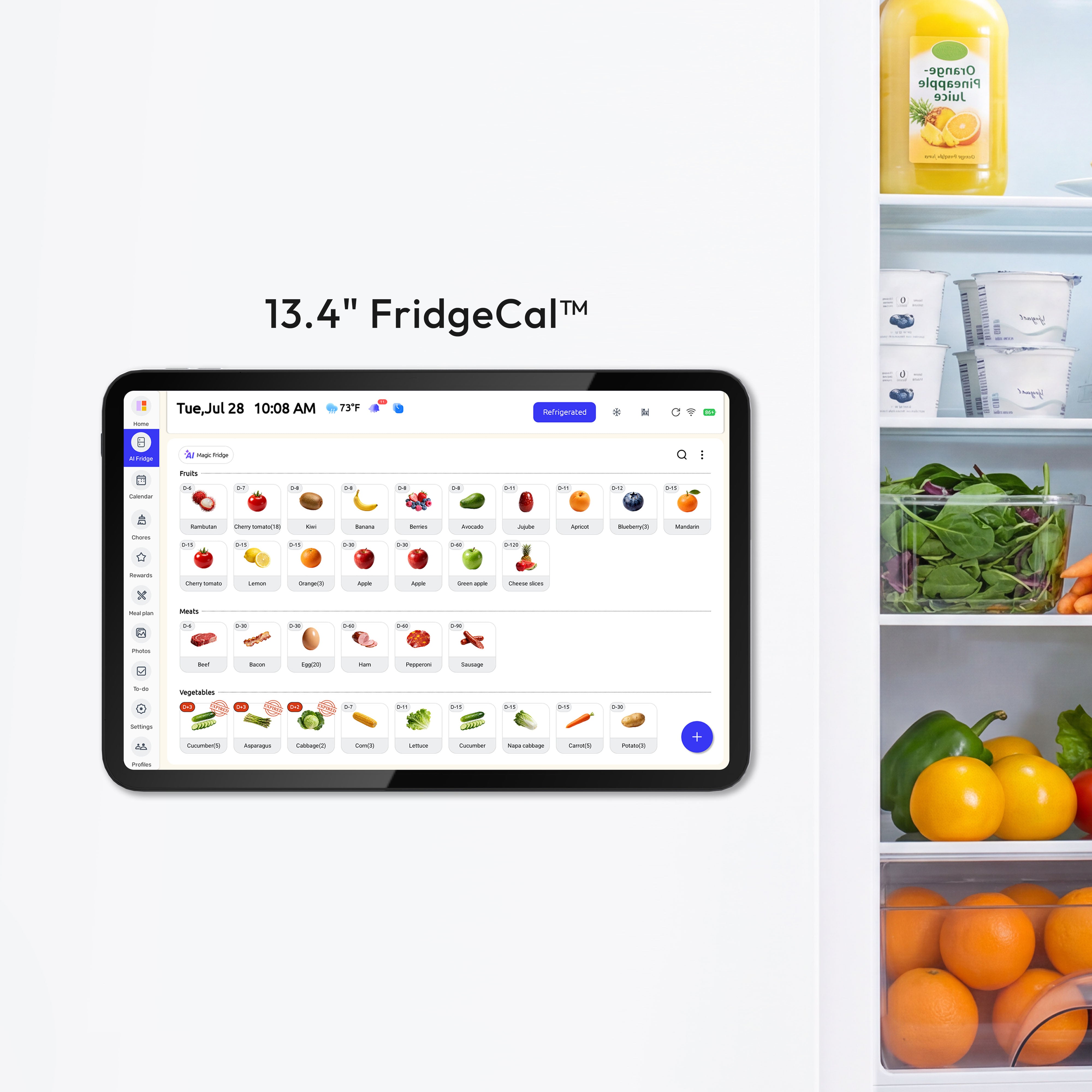
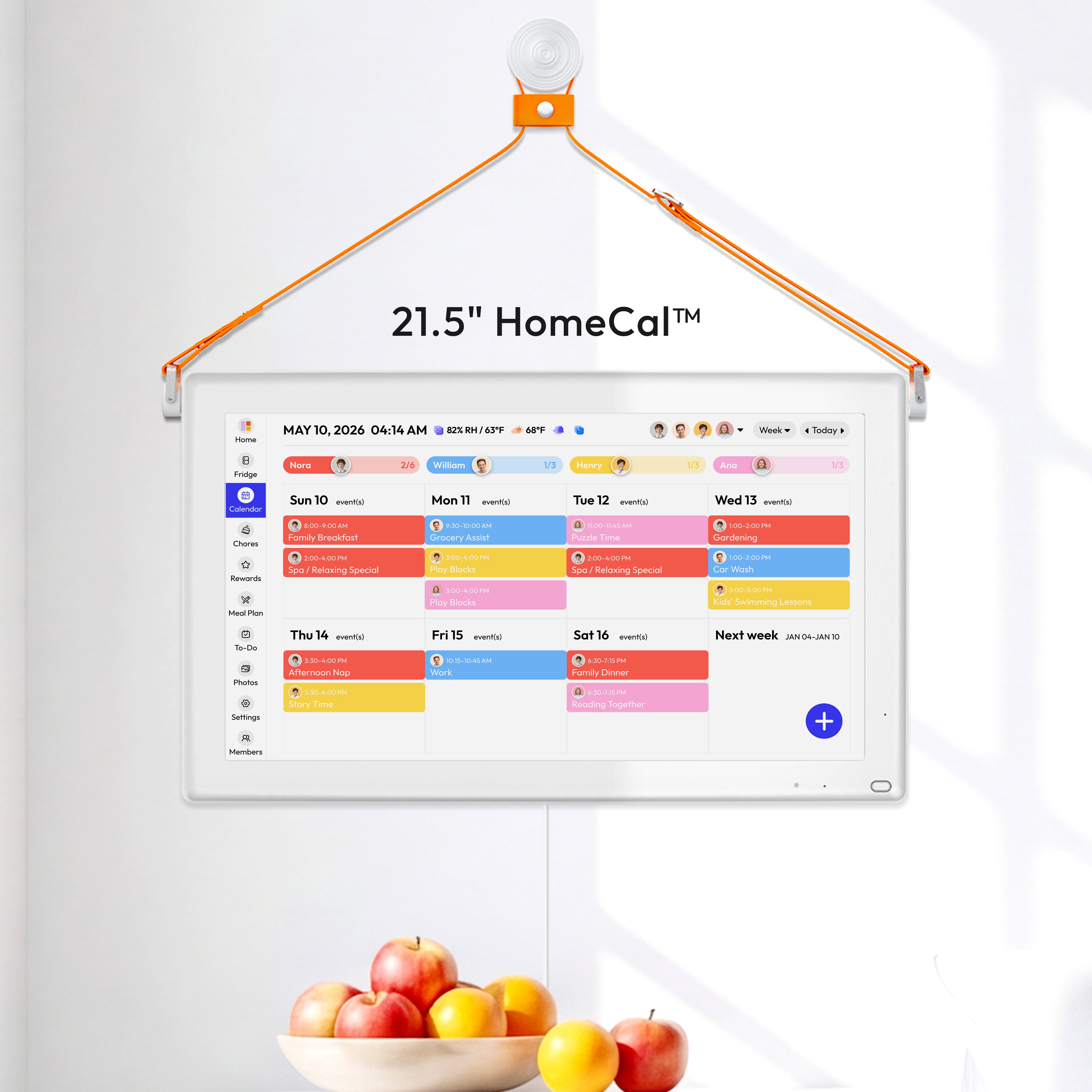
Another common mistake is storing citrus and then forgetting it exists. This is where a visible family system helps. If your home already uses a fridge calendar, meal board, or weekly reset routine, adding “use older lemons first” to that Sunday check-in is the kind of tiny habit that saves produce without adding stress.
A practical family routine that works
The easiest routine is “counter for now, fridge for later.” After grocery day, set aside the lemons or limes you expect to use in the next couple of meals. Put the rest into a zip-top bag or airtight container in the refrigerator. If you are planning tacos on Tuesday, salmon on Thursday, and a pitcher of lemonade on Saturday, that small split keeps the kitchen functional and reduces waste.

If the refrigerated fruit feels extra firm when you are ready to use it, let it sit briefly on the counter before cutting so it is easier to handle and squeeze. The main goal is not perfection; it is having citrus that still tastes fresh when you actually need it.
This approach also fits how families really cook. You are not preserving lemons for a laboratory. You are trying to get through school lunches, weeknight dinners, and grocery cycles without discovering a dried-out lime the moment guests arrive.
If the fruit is already cut or juiced
Once citrus is cut, refrigeration becomes much more important. Research on lemon juice storage found less quality change at refrigeration temperature than at room temperature, which matches what most home cooks notice with leftover juice: the counter makes it fade faster.
If you have half a lemon left after roasting chicken or a small container of lime juice from taco night, cover it and chill it promptly. If you know you will not use it soon, plan a marinade, dressing, or lemonade instead of leaving it to sit and hoping for the best.
A steady kitchen usually comes from small choices done consistently. Keep only the next few lemons or limes on the counter, let the fridge protect the rest, and use your family’s shared routine to bring the oldest fruit forward before it gets wasted.


