
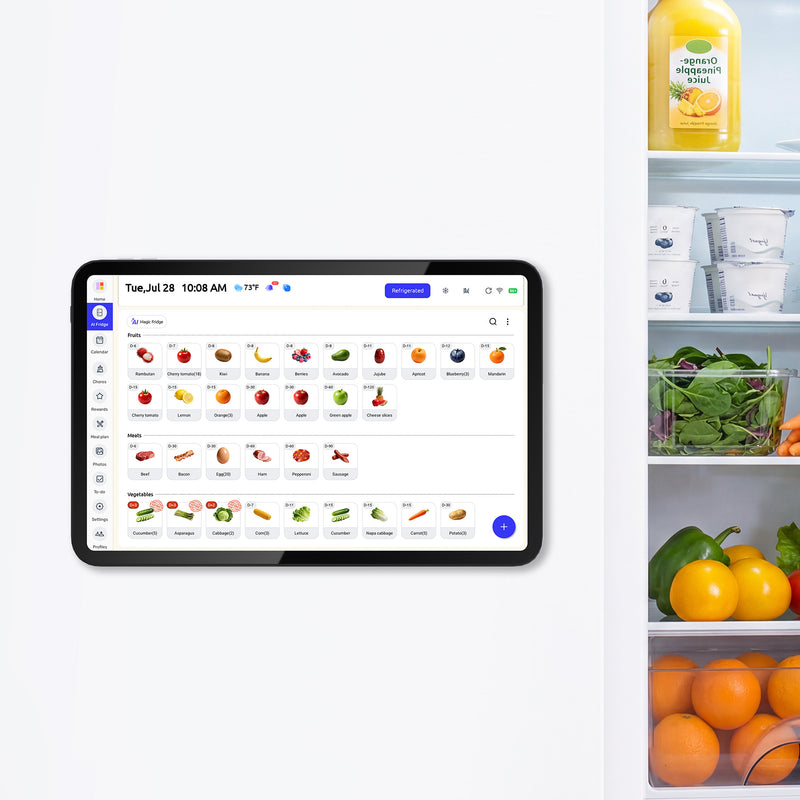


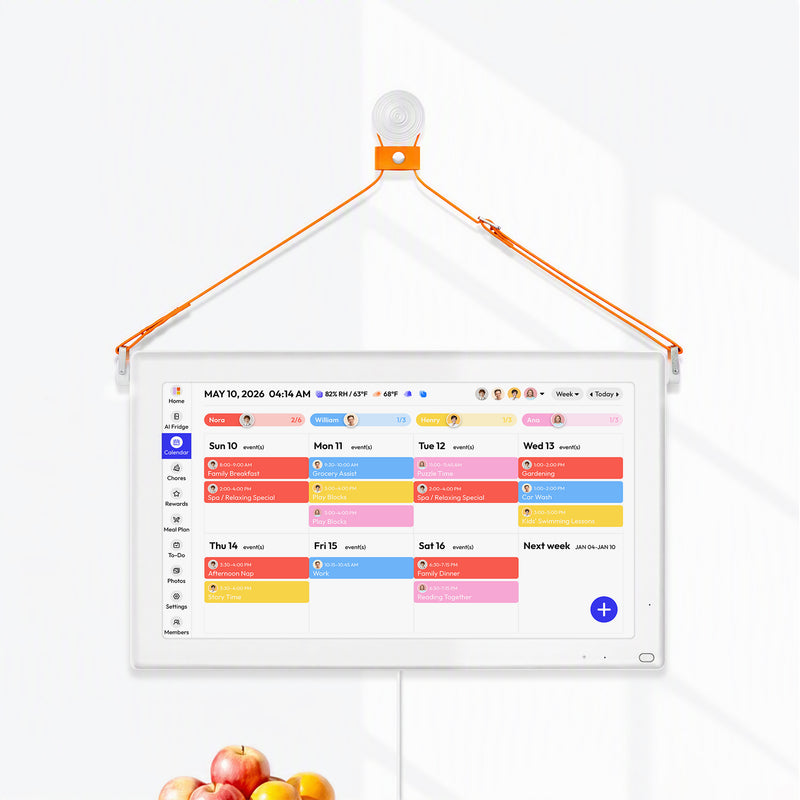



Paper chore charts usually fail because they depend on perfect parent follow-through and vague expectations. Digital tracking is stickier because it makes ownership, reminders, and progress visible without turning a parent into the family’s full-time reminder system.
Does your wall chart look organized on Monday and irrelevant by Thursday? That pattern is common in busy homes where school schedules, meal prep, after-school activities, and household chores all compete for attention. A simpler setup often works better: one daily task and one weekly task for the first two weeks, then a digital routine that keeps everyone on the same page.
Paper Charts Usually Break at the Weakest Point in the System
The real problem is not usually motivation
Many families assume a paper chart fails because a child “doesn’t care” (experience), but most parenting charts fail when they ask for skills a child does not yet have. Getting ready for school, clearing breakfast dishes, and packing a lunchbox are not single choices. They are stacked behaviors that require time awareness, attention shifting, memory, and frustration tolerance.

That matters in a home organization system. If a chart says “Be responsible before school,” it is too vague to support action. A stronger target is concrete and visible inside the family routine: put shoes on after breakfast, place the water bottle in the backpack, or move the cereal bowl to the sink before leaving for school.
(Research) In a nationally representative U.S. sample of 2,205 children and youth, responsibility for daily tasks shifted gradually from parent to child over many years rather than all at once shift of responsibility for daily tasks. (Pediatric guidance) The American Academy of Pediatrics notes that children usually start with simple household help in the preschool years and add more responsibility across the school years and adolescence age-appropriate chores and responsibilities. Those findings support structured, visible routines, but they do not mean every family needs an app; a paper system can still work when the task is concrete and the follow-through is consistent.
Paper also makes parents carry the admin load
A second failure point is that paper charts often depend on adults to notice, remind, confirm, and reset everything manually (experience). Families without a visible task system often default to verbal reminders, which creates the “Chief Nag” pattern: parents track every undone task, while children wait to be prompted.
That burden is even heavier in households already managing family calendars, grocery planning, and dinner prep. A paper chart on the fridge may be visible, but it does not notify anyone, update itself, or show whether “empty lunchbox,” “feed the dog,” and “set the table for taco night” were actually completed on time.
Sticky Systems Make Tasks Specific, Visible, and Easy to Repeat
Specific beats decorative
A strong chore system is specific, consistent, and fair. “Fair” does not mean every sibling gets the same job. It means chores match age, capacity, and schedule. In practice, that is why a simple one-page family setup often works better than an elaborate paper token economy that needs constant maintenance.
Digital tools improve this because they let families assign clear ownership and deadlines. Digital chore systems keep timestamps, history, reminders, and approval workflows, so the system remembers what happened even when parents are busy making dinner, checking the family calendar, or getting everyone out the door.

Visibility reduces conflict before it starts
A sticky system makes expectations obvious at the point of action. a company. That removes guesswork from recurring home tasks like unloading the dishwasher, wiping the counter after snack time, or helping with meal prep on a weeknight.
The same principle applies at the family-command-center level. a company. When dinner plans, after-school pickups, and evening reset tasks are all visible together, chores feel like part of the household flow rather than a separate punishment system.
Digital Tracking Is Stickier Because It Replaces Nagging With Process
Automation handles the follow-up
Digital tracking works better not because screens are magical, but because automation does the repetitive work. Task apps can assign owners, add deadlines, send reminders, and show pending or overdue items without verbal follow-up. That shifts the role of the parent from monitor to manager of the system.
This is a meaningful difference in family life. If “Clean your room by Saturday 5:00 PM” appears automatically on a child’s device or home hub, the parent no longer has to remember every intermediate prompt. The system carries the reminder, and the child sees the same expectation each time.
A short check-in is easier to repeat than a full reset
One concern about digital chore tracking is screen time, but many chore apps are used for only 1 to 2 minutes at a time. In a smart home setup, that often means a quick morning check-in on a shared tablet or calendar screen in the kitchen, not extended device use.
That small interaction is what makes the routine stickier. A parent does not need to redraw boxes, replace stickers, or remember whether yesterday’s dinner cleanup was done. The system already has the record, which lowers friction and makes it more likely the routine survives busy weeks.
Check privacy before you choose a tool
If an app is directed to children under 13 or has actual knowledge it is collecting a child’s personal information, the COPPA Rule requires notice and verifiable parental consent. In practice, that means parents should ask five questions before they put chores, schedules, or rewards into an app:
- Where is the data stored, and is it kept only on the device or synced to a cloud account?
- Does the setup require a child-specific account, or can a parent manage the routine from a shared family login?
- What sharing settings are on by default, and who can see task history, photos, or notes?
- Are third-party integrations, ads, or analytics turned on?
- How can a parent export or delete records if the family stops using the service?
A quick app selection and privacy check makes those questions easier to verify verifiable parental consent:
- Is the app clearly directed to children under 13, or is it built for parent-managed household use?
- Does the privacy policy explain what a parent can review, correct, delete, or control?
- Does the setup say when verifiable parental consent is required before collecting, using, or disclosing a child’s personal information?
- Does the product limit collection to the minimum needed for reminders and task tracking, rather than extra location, photo, or contact data?
- Does the policy clearly disclose third-party sharing, analytics, or ads?
If any item is unclear, use a shared family calendar, a parent-managed account, or offline/home-hub-only tracking until the service explains its practices policy statement.
A lower-privacy setup is a shared family device with reminder-only use, a local home hub, or a family calendar that tracks tasks without uploading child-specific notes about behavior, school, or location.
Match the System to the Child’s Actual Skill Level
Use age-appropriate ownership
The most reliable chore plans start with realistic task design. Ages 2 to 3 do best with tiny “help” chores that take under 2 minutes, usually with an adult nearby. Ages 4 to 7 can often handle clearly defined jobs like setting the table, feeding pets, or putting a lunchbox away. Ages 8 to 12 can often take ownership of dishwasher duty, vacuuming, folding laundry, or simple meal-prep support. Teens can often manage full household contributions, including bathroom cleaning, cooking meals, and complete laundry cycles.

Pediatric guidance notes that age-appropriate chores and responsibilities are an important part of a child’s development, starting with simple help in the preschool years and expanding through the school years and adolescence. In a nationally representative U.S. sample of 2,205 children and youth, responsibility for daily tasks shifted gradually from parent to child rather than all at once shift of responsibility for daily tasks. That gradual handoff is consistent with broader developmental work showing that executive function continues to strengthen throughout childhood and adolescence, so children often need external structure before they can manage a routine alone. Some studies have also explored whether household chores and executive functions move together, but those findings are not enough to say chores themselves improve executive function.
A simple two-week starter grid looks like this:
- Ages 3 to 5: try one visible help task such as putting toys in a bin or carrying a cup to the sink; over 14 days, track how many daily attempts were completed and how many prompts were needed.
- Ages 6 to 9: try one routine task such as setting the table or putting the lunchbox away after school; over the same two weeks, track whether the task is finished inside the expected Morning, Anytime, or Evening block and whether reminders drop from week one to week two.
- Ages 10 and up: try one ownership task such as unloading the dishwasher, folding laundry, or handling one part of dinner prep; during the first two weeks, log completion of the assigned daily and weekly jobs and whether the child can finish with the system’s scheduled reminder instead of repeated parent follow-up.
A quick age-band setup keeps that handoff concrete:
- Preschool: choose one daily help task such as toys in the bin or napkins on the table simple household tasks. Define done as “all toys in the bin” or “all napkins on the table.” Over the first 2 weeks, move from co-doing in week one to a brief visual check in week two. Reminder example: one cue right after breakfast.
- School-age: choose one daily task such as lunchbox emptied, pet feeding, or table setting help out at home. Define done as the lunchbox emptied, the bowl filled, or the table fully set. Over the first 2 weeks, move from same-room checking to one after-school or dinner-time review. Reminder example: one alert at after-school arrival.
- Teen: choose one daily or near-daily ownership task such as dishwasher unload, one laundry step, or kitchen cleanup household chores for teens. Define done as the rack emptied, the load started, or the counters cleared. Over the first 2 weeks, move from deadline checks to one weekly review of whether the task was done without repeated follow-up. Reminder example: one alert 30 minutes before the agreed deadline.
Digital systems make that progression easier to manage. Age guidance for chore apps typically shifts from visual cues for ages 4 to 7, to streaks and points for ages 8 to 12, to accountability tools for teens. That lets families adapt the same overall framework instead of reinventing the chart every year.
Break chores into routine zones
A practical family workflow is to group tasks into Morning, Anytime, and Evening. Starting with 3 to 5 core tasks per child in those time blocks keeps the system manageable and aligns chores with real household traffic patterns.
This is especially useful for homes that also run meal planning through a shared calendar. Morning might include making the bed and putting breakfast dishes in the sink. Anytime might include emptying the dishwasher or sorting school papers. Evening might include packing tomorrow’s lunch items, wiping the table after dinner, and resetting the kitchen before bed.

A Better Setup Starts Small and Lives in One Home Hub
The first two weeks should be intentionally light
The most sustainable rollout is not a full family overhaul on day one. A smaller start of one daily task and one weekly task per child for the first fortnight gives the routine time to become automatic. After that, parents can add more without overwhelming the system.
A practical first-pass template keeps the same small routine in place long enough for the family to see what is actually repeatable small accomplishments lead to bigger ones:
- Days 1 to 7: assign one daily task and one weekly task per child, and keep the daily task in the same Morning, Anytime, or Evening block each day.
- Days 8 to 14: keep the same jobs, review what was completed, and resist adding more tasks until the original ones are stable.
- Reminder cadence: let the system deliver the planned reminder, then note whether extra parent prompting was needed.
- Acceptance criteria: a task counts as done only when the result is visible and complete, such as dish in sink, lunchbox emptied, or backpack by the door.
Digital setup does not need to be complicated. Many families can get a chore app running in about 10 to 15 minutes. In practical terms, that means creating a profile for each family member, assigning a few recurring tasks, and deciding which chores need approval versus simple self-checkoff.
Visible routines and short reminders help children know what to expect, so the best tool is usually the one your household will check in the same place every day routines and responsibilities.
- Paper chart: best for a preschooler or a one-room routine; main limitation is no automatic reminder or completion history; recommended when a child needs one visible cue at the point of action.
- Shared family calendar: best for households already coordinating pickups, meals, and chores in one place; main limitation is weaker ownership unless each task has one named person; recommended for time-based chores tied to arrival, dinner, or bedtime.
- Task app: best for school-age children and teens who can respond to recurring reminders; main limitation is notification fatigue and the need for a privacy review; recommended when chores need deadlines, logs, or occasional approval.
Sample notification setup: one reminder 10 minutes before the task block and one evening summary if it is missed. Simple reward example: after 14 days of completing the same daily task, the child chooses Saturday breakfast or the cleanup playlist.
Use a hybrid command-center model
For many households, the most durable format is a hybrid system. A visible home hub with digital daily check-ins plus a printed weekly overview combines the strengths of both methods. The wall view keeps the week visible, while digital tracking handles reminders, ownership, and completion history.
If your family already uses a smart calendar, this becomes even cleaner. a company. That allows chores, appointments, and meal-related prep tasks to sit inside one operating system for the home.
Practical Next Steps
A better chore system is less about stronger discipline and more about better design. When tasks are small, visible, age-appropriate, and connected to the family’s actual schedule, children need fewer reminders and parents spend less energy policing routine behavior.
Because planning, working memory, and attention control continue developing through childhood, vague chores work better when they are rewritten as observable actions a parent and child can both recognize.
In short, research supports gradual responsibility shifts shift of responsibility for daily tasks, pediatric guidance supports age-appropriate chores and visible routines routines and responsibilities, and the paper-versus-digital choice here is a practical systems recommendation families should test and adjust.
- Change “be responsible before school” to “put folder in backpack and put shoes on.”
- Change “help after dinner” to “carry plate to sink and wipe your place at the table.”
- Change “clean your room” to “put dirty clothes in hamper and books on shelf.”
If the system fails, adjust the setup before assuming the child is refusing to cooperate.
- If the task is too hard, cut it down to one visible step and practice it with an adult nearby.
- If parents are doing too much of the follow-up, move the reminder into the app or home hub and keep the verbal check-in brief.
- If digital reminders are ignored, change the timing, move the device to the point of action, or pair the reminder with an existing routine such as breakfast or after-school arrival.
Use this checklist to build a stickier system over the next two weeks:
- Pick one family hub: a shared tablet, digital calendar display, or app everyone can access.
- Give each child 1 daily task and 1 weekly task for the first 14 days.
- Write chores as concrete actions, such as “put cup in sink” or “clear dinner plate,” not vague goals.
- Group tasks into Morning, Anytime, and Evening so they fit the home’s flow.
- Assign clear ownership for recurring jobs like dishwasher duty, trash, or lunchbox cleanup.
- Turn on reminders for deadlines so the system, not the parent, handles follow-up.
- Review the setup after two weeks and add only 1 or 2 new tasks per child if completion is consistent.
Important Note
The planning templates and organizational systems provided here are intended as adaptable blueprints. Every family’s needs, dietary requirements, and physical capabilities are different. We recommend tailoring these schedules to your specific health needs and household dynamics. Results from productivity or meal-planning systems may vary, and consistency remains the responsibility of the individual user.
References
- Kiwi Families: chore chart by age
- MyChoreBoard: printable vs. digital chore charts
- Kin Unplugged: why parenting charts do not work
- Skylight: managing chores and family tasks
- Nori: family task management
- Apolosign: digital family calendar routine planning
- Donetick: home chores tracker app listing
- Digital family organizer product page


