


When soccer and baseball overlap, the winning strategy is simple: time-block your week first, then run meals through a repeatable safety-and-prep system.
You know the pattern: one kid needs to be at soccer by 5:30 PM, another has baseball warmups at 6:00 PM, and dinner becomes whatever can be grabbed in traffic. Families who handle this season well usually are not “more organized by nature”; they use a system. The framework below gives you that system in plain steps you can start this week.
Map School, Practice, and Commute Blocks Before You Plan Meals
Start with a weekly map every Sunday night and treat it like a coach’s lineup card. Put fixed blocks first (school, work, practice start times), then commute blocks (door-to-door travel, parking, field walk), then meal windows.

A practical way to map one overlap evening:
Time |
Child 1 |
Child 2 |
Parent Task |
Meal Lane |
4:30 PM |
Leave for soccer |
Snack + change |
Load cooler + water |
Pack-and-go |
5:30 PM |
Soccer practice |
Drive to baseball |
Field handoff |
No-cook dinner |
6:00 PM |
Practice |
Baseball warmup |
Quick sideline meal |
Eat in shifts |
7:45 PM |
Pickup |
Pickup |
Home reset |
Leftover lunch prep |
Use three meal lanes so you are not making a new decision every night:
- Lane A: Home by 6:30 PM, cook fresh in 25–30 minutes.
- Lane B: Home 7:00–8:00 PM, reheat pre-cooked dinner plus produce.
- Lane C: Home after 8:00 PM, insulated hot meal or cold meal box, then light cleanup only.
This shift alone reduces decision fatigue because your meal choice is tied to return time, not mood.
Pack Safe, Fast Fuel for Two-Sport Evenings (40°F/140°F and the 2-Hour Rule)
For practice-night food, the 40°F/140°F temperature rule should be non-negotiable: cold foods stay at 40°F or below, hot foods stay at 140°F or above.
USDA FSIS also emphasizes that bacteria grow fastest between 40°F and 140°F, so use the 2-hour rule for perishables, or 1 hour when outdoor temperatures are above 90°F.
Build one standard “two-sport fuel kit” and reuse it:

- 1 insulated cold bag with 2 frozen packs.
- 1 insulated hot container for soup, chili, or pasta.
- 2 labeled water bottles per child.
- 1 shelf-stable backup snack set (nuts, crackers, fruit cups).
- 1 hand-cleaning pouch (wipes, sanitizer, napkins, trash bag).
Packing workflow matters as much as food choice. University of Florida IFAS highlights separate coolers and a thermometer to avoid cross-contamination and verify temperatures during transport.
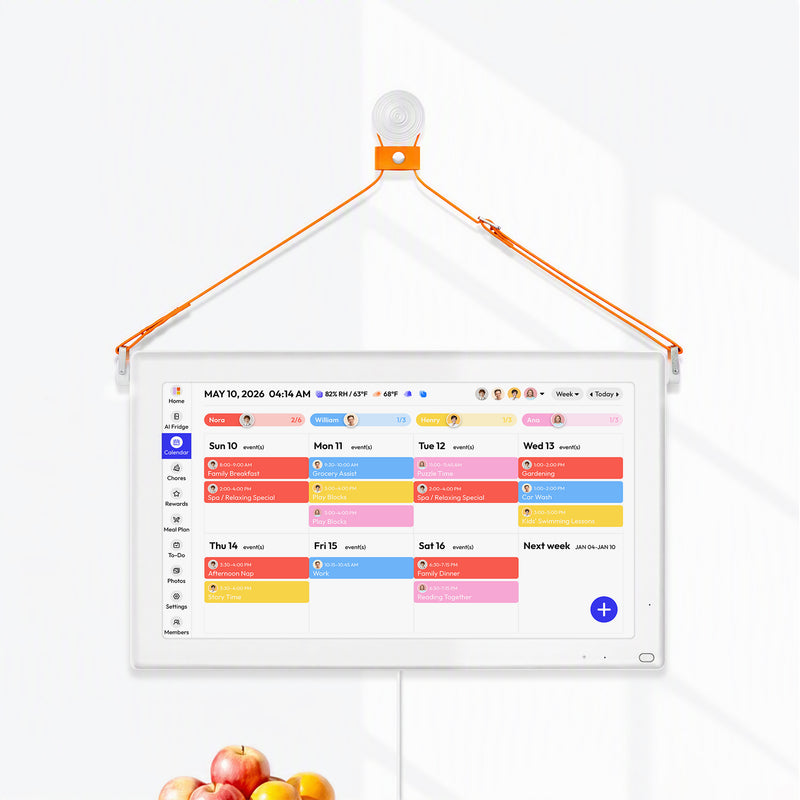
Set a Fridge-Door Workflow for Freshness, Expiration, and Grocery Refill (Everblog 13.4" FridgeCal Calendar)
A sustainable weeknight system needs a visible control point in the kitchen. University of Idaho Extension recommends first-in, first-out rotation, which works especially well when practices push dinner later.
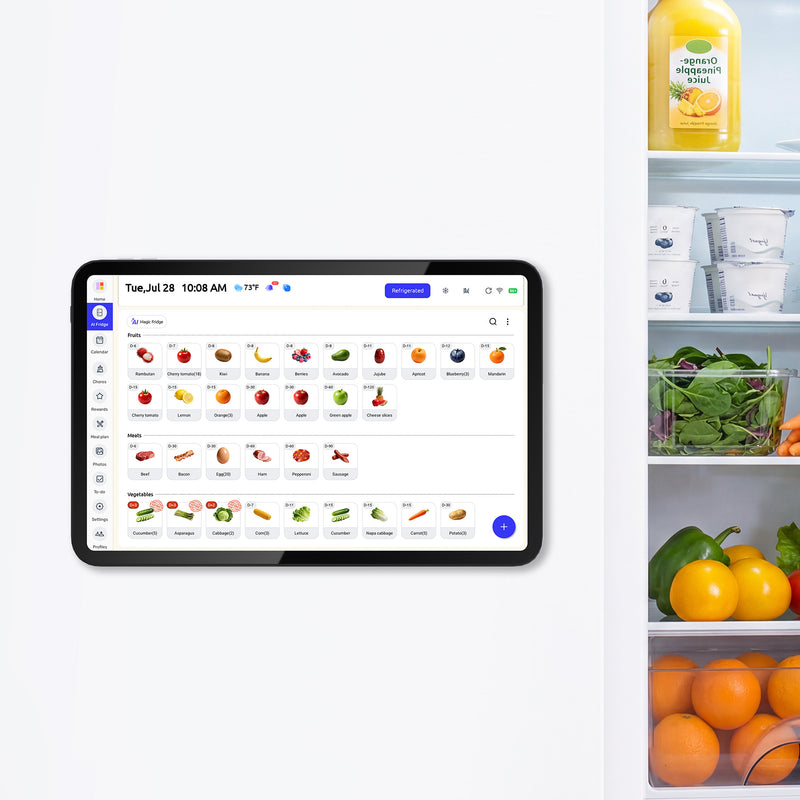
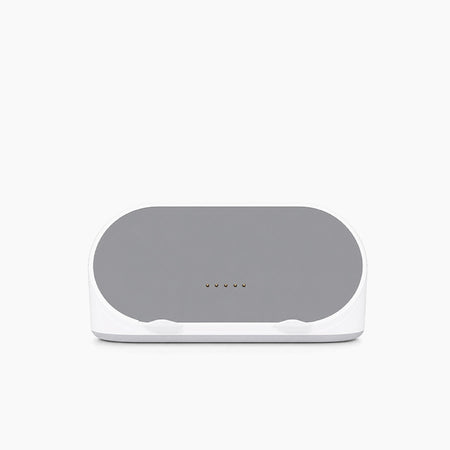
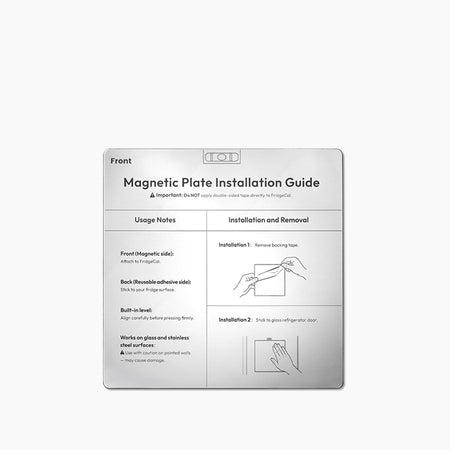
A fridge-door display can make that routine easier to follow; the a company is one example designed for fridge placement, with freshness tracking, expiration reminders, meal planning, and shopping list support.
Run a 3-minute nightly fridge-door reset:

- Move “Eat First” items to eye level.
- Add tomorrow’s dinner lane (A, B, or C).
- Mark low-stock items immediately (milk, eggs, fruit, sandwich bread).
- Assign one person to morning lunch prep and one to evening cooler prep.
- Set one grocery refill window (for example, Wednesday at 8:30 PM).
This keeps food decisions and schedule decisions in one place, which lowers mental load during overlap weeks.
Create a Leftover and Next-Day Lunch System to Cut Weeknight Stress
Late practice nights fail when leftovers are unmanaged. OSU Extension reminds families that danger-zone time is cumulative, so food that sits out in phases still counts toward the same risk window.
A practical “cook once, use twice” flow:

- Plate dinner in smaller portions right away to cool faster.
- Move leftovers into shallow containers within your safe time window.
- Label container name + date + intended use (for example, “Taco chicken, 3/4/2026, lunches”).
- Build next-day lunches the same night while containers are already out.
- Put lunch bags in one grab zone by the fridge to avoid morning searching.
To avoid cross-contact during rushed evenings, FoodSafety.gov reinforces using separate utensils and boards for raw and ready-to-eat foods plus handwashing basics under its game-day food safety tips.
Practical Next Steps
Use this 10-day rollout so the system sticks:
- Day 1: Build your weekly time-block map and define your Lane A/B/C dinner rules.
- Day 2: Assemble one permanent two-sport fuel kit and place it by the door.
- Day 3: Set your fridge-door workflow and assign family roles.
- Day 4: Run one full overlap-night test and note where delays happened.
- Day 5: Adjust commute buffers by 10–15 minutes where needed.
- Day 6: Batch-cook one protein and one grain for Lane B/C nights.
- Day 7: Add expiration/date labels to all open leftovers.
- Day 8: Build one standard grocery refill list from actual shortages.
- Day 9: Run a second overlap-night test with the updated plan.
- Day 10: Keep what worked, cut what did not, and lock in next week’s schedule.
Common failure points to watch:
- Packing too much perishable food “just in case.”
- Forgetting labels on leftovers.
- Opening one cooler constantly for both drinks and food.
- Planning meals before commute reality is mapped.
- Depending on one parent’s memory instead of a visible shared system.
Important Note
The planning templates and organizational systems provided here are intended as adaptable blueprints. Every family’s needs, dietary requirements, and physical capabilities are different. We recommend tailoring these schedules to your specific health needs and household dynamics. Results from productivity or meal-planning systems may vary, and consistency remains the responsibility of the individual user.


