



PECS has evolved from mostly hand-prepared card systems to hybrid workflows that combine low-tech exchange teaching with digital organization and faster material prep.
Have you ever watched a child get frustrated at snack time because the right picture card was missing right when they needed it? That moment is exactly where digital workflows can help, especially now that teams can work from organized libraries with 140 food and drink visuals and quickly rebuild sets for real routines. You will get a practical way to decide what to digitize, what to keep hands-on, and how to make PECS easier to sustain at home and school.

PECS Changed Format, Not Purpose
What stayed the same
Early success still depends on intentional setup, and Phase 2 training keeps the core sequence clear: start with easy exchanges, then teach the learner to find the picture, find a partner, and communicate across distance and settings.
What became digital
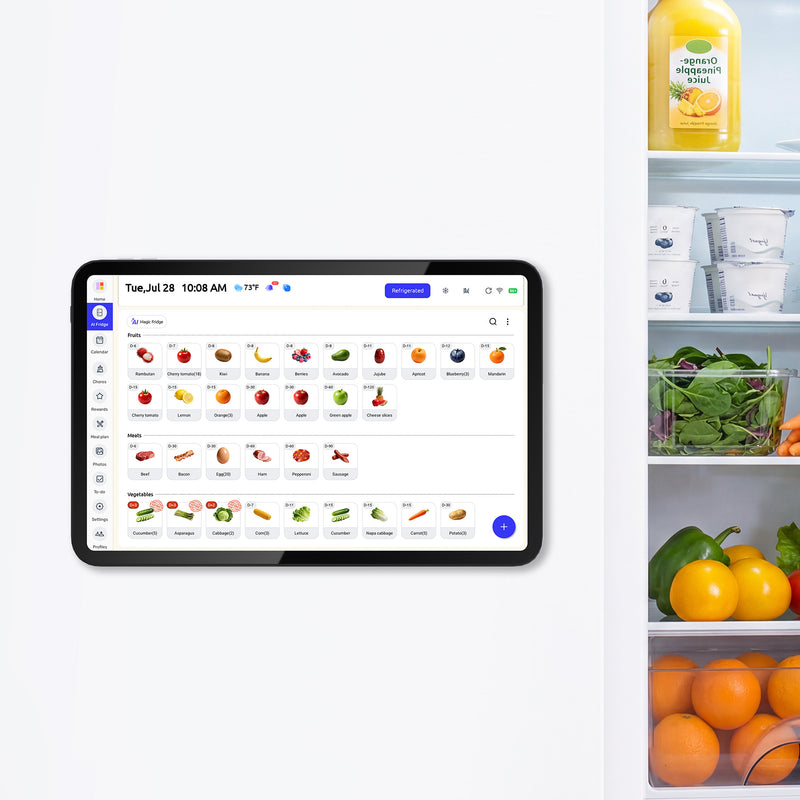
Daily prep has shifted because digital PECS card workflows now let adults browse by category, drag images into a tray, save and reload custom sets, and print on demand for meals, snack choice-making, or cooking tasks.

Choosing Pictures in a Digital World
Photos vs symbols: what evidence shows
One strong data point is the 2011 PECS iconicity dissertation, where four preschoolers (ages 22 to 36 months) showed minimal differences between high-iconicity digital photos and lower-iconicity symbols in Phase 3 discrimination learning.
A practical decision rule
Replicated reporting of Phase 3 picture discrimination supports a reassuring takeaway: if your child can reliably discriminate and exchange, the exact image type is usually less important than consistency, access, and frequent communication opportunities.
Scaling PECS Across Real Life
Generalization is the turning point
Real progress shows up when Phase 2 goals are practiced beyond a table, including moving across a room, finding the binder, and requesting at least 10 different items across places like home, yard, and park.

Better organization lowers emotional load
Caregiver stress often drops when printable food and drink libraries are organized by routine and category, because saved trays and quick reprints reduce the “we lost the card again” scramble that can derail communication moments.
Start simple and build
Many teams do well with 2 to 3 starter binder pages, durable dividers, and clear category labels, then add pages only after the learner is using current pages independently and frequently.
Digital Stewardship Matters as Much as Digital Tools
Treat PECS materials like a living collection
Long-term stability improves when teams apply collection development principles such as organization, regular weeding, policy decisions, and planned purchasing instead of adding random cards over time.

Use an archive rhythm that is easy to maintain
A lightweight lifelogging framework translates well to PECS operations: capture what was used, structure it in a consistent format, and store it so the next adult can continue without redoing everything.
Keep records useful, not perfect
If documentation feels overwhelming, a simple weekly note can be enough: most-used pictures, missed opportunities, and one adjustment for next week.
Practical Next Steps
- Pick one routine this week (for example, lunch or bath time) and rebuild only that card set first.
- Use one image style consistently for 2 to 3 weeks before changing formats.
- Set a small generalization target, like one exchange from a few feet away with a different partner.
- Review your binder monthly and remove cards that are no longer functional.
- Keep a short team log so parents, teachers, and therapists can make the same next-step decisions.
Important Note
The insights and strategies shared here are intended for support and educational purposes only. They do not constitute professional medical advice, clinical diagnosis, or psychological treatment. Neurodiversity and complex family dynamics require personalized care; if you or a family member are experiencing significant challenges, please consult with a licensed healthcare professional or a certified counselor to receive support tailored to your specific situation.
References
- https://parenttraining.chip.uconn.edu/index.php/pecs-phase-2-expanding-the-use-of-pictures/
- https://fwd.iws.edu/en/printable-food-pecs.html
- https://scholarworks.wmich.edu/dissertations/421/
- https://fisherpub.sjf.edu/cgi/viewcontent.cgi?article=1066&context=education_ETD_masters#:~:text=The%20Picture%20Exchange%20Communication%20System%20(PECS)%20is%20a%20system%20designed,are%20trained%20to%20initiate%20communication.
- https://www.academia.edu/116183745/Fundamentals_of_Collection_Development_and_Management
- https://www.academia.edu/122665933/Digital_Chronofiles_of_Life_Experience


