







A rough afternoon does not have to define the rest of the day. The fastest reset is usually a small interruption, a calmer body, and one clear next step so the household can exhale.
Pause the Spiral
When stress starts stacking up, the goal is not to solve everything at once. It is to stop the negative loop before it starts steering your tone, your choices, and your family’s mood.
A simple reset works because it breaks the brain’s “this whole day is ruined” story. As reset advice from a social psychologist suggests, a bad stretch is still just a stretch, not a verdict.
Try this quick sequence:
- Stop reacting for 60 seconds.
- Name what you feel: overwhelmed, irritated, drained.
- Ask what would help most right now.
- Choose one small action, not five.
- Treat the next hour as a fresh start.
Reset the Body First
If the afternoon feels chaotic, the body usually needs attention before the calendar does. A few minutes of breathing, walking, or stretching can lower the pressure enough to think clearly again.
That is why a short walk, even around the block, often helps more than forcing productivity. Intentional breathing can also shift you out of fight-or-flight and into a steadier state.

For many parents, the reset also needs a real-world change of scene. Step outside, drink water, or move into another room before answering texts, helping with homework, or sorting out dinner.
If the family mood is frayed, make the reset visible. A calm 10-minute pause can be the difference between a tense evening and a workable one.
Put the House on One Page
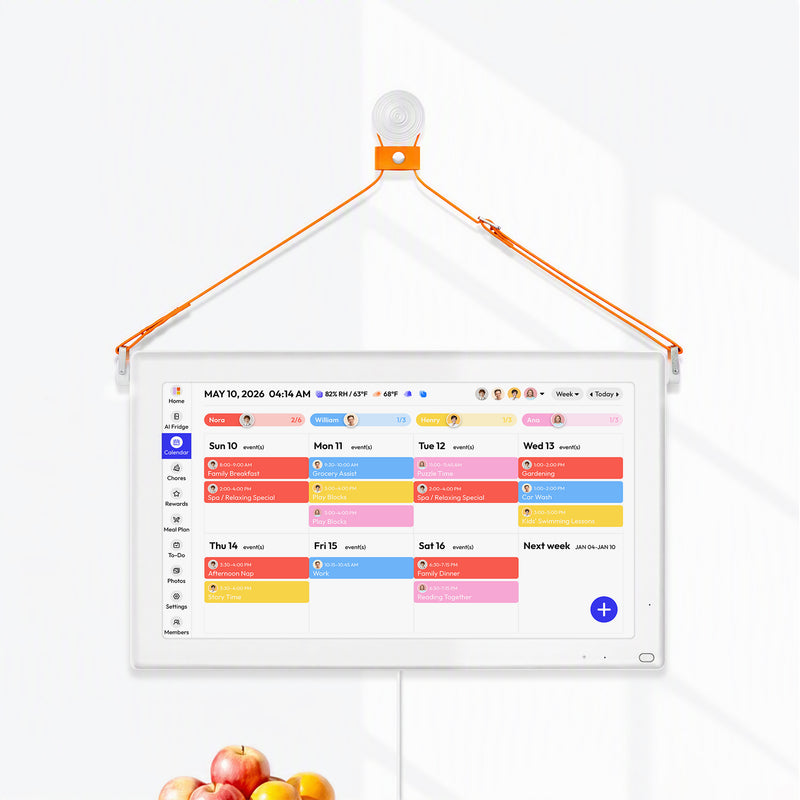
A chaotic afternoon often gets worse when every person is carrying the schedule in their head. A shared family calendar gives the household one place to look, which reduces repeat questions and last-minute surprises.
That is the logic behind a shared family calendar and why many households do better with a digital wall calendar in a central spot. When the plan is visible, the brain does less juggling.

Use the reset moment to update only the essentials: pickup time, who is cooking, what cannot be dropped today, what can wait until tomorrow, and the one thing that would make tonight easier.
A household calendar works best when it becomes a quick-glance command center, not another chore. Keep it simple, color-coded, and visible where people already pass through.
Finish Small, Not Perfect
Once the air clears, do one task that creates a sense of control. Fold a load of laundry, wipe the counter, prep snacks, or set out tomorrow’s clothes.
Small wins matter because they turn the day from reactive to directed. They also help kids see that a bad mood does not get the final word.

A kinder evening usually starts with smaller expectations. Dinner can be simple, cleanup can be partial, and bedtime can be earlier if needed.
The point is not to salvage every plan. It is to protect the family’s energy, restore a little order, and give everyone a cleaner landing after a rough afternoon.


