







A rotating chore system usually reduces sibling fighting better than fixed assignments because it makes fairness visible and shares unpopular work. Fixed chores work best when siblings have very different ages or schedules.
If your evenings keep ending with “Why do I always do dishes?”, the problem is often the system, not the kids. Families that move from random chore handouts to clear rotation schedules typically see less arguing within a couple of weeks because expectations are explicit and workload is easier to compare. You’ll get a practical framework to choose rotating, fixed, or hybrid chores and set it up with less conflict.
What Actually Triggers Chore Fights
Fairness breaks first
A structured, recurring task system lowers conflict by improving fairness, clarity, consistency, and accountability. When chores are assigned on the fly, siblings compare effort and start tracking who “always” gets the worst jobs.

Reminder overload becomes its own conflict
The invisible labor problem shows up when one adult carries all the planning and reminders while kids do partial tasks. That creates two fights at once: sibling-vs-sibling over fairness and parent-vs-child over follow-through.
Ambiguity invites arguments
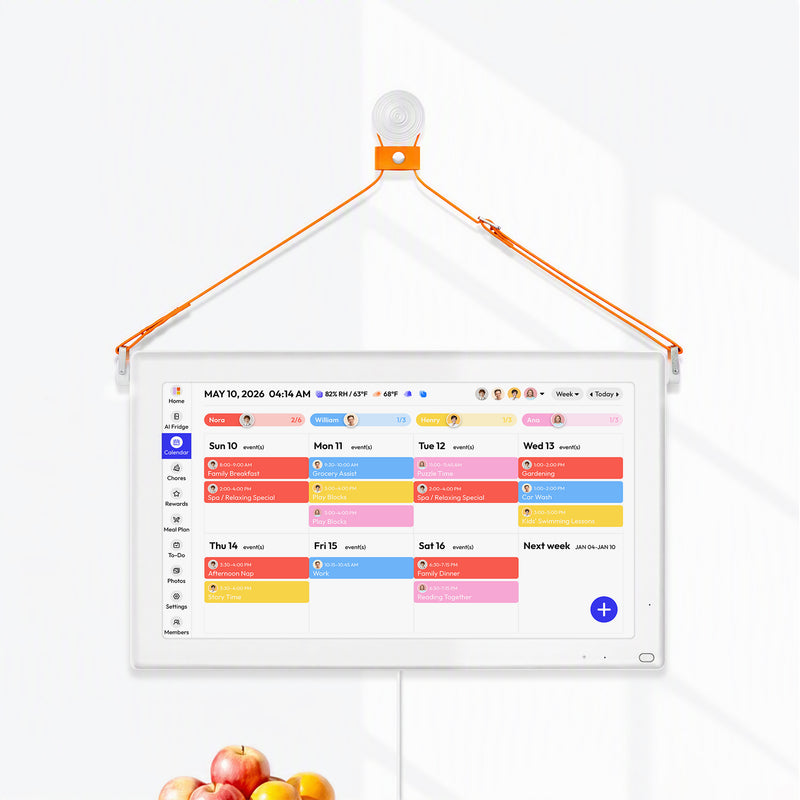
A visual chore chart with names, tasks, days, and completion tracking removes “I didn’t know” disputes. Written expectations beat verbal reminders because everyone sees the same rules.
Rotating vs. Fixed: Decide by Constraint, Not Preference
The rotation methods designed to reduce family arguments work because they distribute burden across time instead of attaching “bad chores” to one child. Pick your system based on age gaps, schedule differences, and task complexity.
Quick comparison
Decision factor |
Rotating chores |
|
Fairness perception |
Strong (shared burden) |
Medium (can feel uneven) |
Predictability |
Medium |
Strong |
Skill matching |
Medium |
Strong |
Argument risk over “worst chores” |
Lower |
Higher unless balanced |
Parent reminder load |
Lower once routine sticks |
Medium to high if vague |
A skill-level and schedule matching approach is the right tiebreaker: choose rotation when siblings can do similar tasks, and choose fixed roles when ability gaps are large and stable.
A 21-Day Setup Plan for Rotating Chores
Week 1: Map the work
Start by listing all household tasks by frequency: daily, weekly, and monthly/occasional. This makes hidden work visible and helps you balance effort, not just task count.

Week 2: Assign and publish
Next, match chores to skill level, schedule, and preferences, then publish assignments on a whiteboard or shared app. Add one clear consequence rule for misses (for example, a task swap or one extra task next week) so accountability is predictable.
Week 3: Train initiative
A “three things to help in this room” routine helps kids practice noticing work instead of waiting for commands. In one example with brothers ages 12 and 15, confusion lasted only a couple of nights before they began identifying and finishing tasks independently.

If You Keep Fixed Chores, Make Them Fight-Resistant
Balance difficulty, not just categories
Age-appropriate chore assignment is the core safeguard for fixed systems. Pair one easier task with one harder task so no child is permanently stuck with the most frustrating jobs.
Define “done” in writing
Clear expectations and consequences prevent daily renegotiation. Write completion standards (for example, “trash out + new liner in”) and check once at a set time.
Reduce dependence on reminders
The micromanagement pattern is the main failure mode of fixed systems. Add a short nightly “notice-and-do” block so siblings build ownership and the parent reminder load drops.
Why a Hybrid System Usually Works Best
Rotating high-effort chores while keeping a few fixed specialties is often the most stable setup. Example: fixed daily roles for pet feeding and recycling, plus weekly rotation for bathrooms, mopping, and trash.

A documented SOP with primary and backup roles is a reliability principle used in high-stakes operations, and the same logic helps at home. Define who does what, who covers if someone is out, and when the schedule is reviewed.
The open-ended three-task prompt adds flexibility when routines break (late practice, exams, guests) without abandoning structure. This protects fairness and keeps sibling conflict from spiking during busy weeks.
Practical Next Steps
For most households with similarly aged siblings, start with rotation for shared chores and keep only true specialty tasks fixed. Track progress for 30 days using two metrics: fairness complaints and parent reminders.
- List every chore and label it daily, weekly, or monthly.
- Estimate effort and pair easy tasks with harder tasks.
- Assign roles by age, ability, and schedule constraints.
- Publish the schedule in one visible place.
- Rotate high-friction chores weekly.
- Review after two weeks, then again at month-end.
Important Note
The planning templates and organizational systems provided here are intended as adaptable blueprints. Every family’s needs, dietary requirements, and physical capabilities are different. We recommend tailoring these schedules to your specific health needs and household dynamics. Results from productivity or meal-planning systems may vary, and consistency remains the responsibility of the individual user.
References


