







The easiest way to make shared custody handoffs easier is to make the schedule visible, specific, and boring. Busy families usually do better with one shared calendar, one home base for papers and gear, and a repeatable handoff routine that does not depend on memory.
Does handoff day feel like a rush of backpacks, snack requests, missed texts, and one child suddenly asking where the soccer cleats are? Families usually get more relief when they stop managing transitions by memory and make the plan visible instead. You will find a practical way to time exchanges, activities, meals, and chores so both homes can run with less friction.
Start With a Schedule Everyone Can Actually See
A detailed co-parenting calendar helps children feel more stable and helps adults plan across two homes with fewer misunderstandings. The useful version is not just “Mom’s week” or “Dad’s weekend.” It includes exact pickup times, exchange locations, school release times, short days, holidays, practices, games, dentist visits, and travel days for at least the next year.
A shared digital calendar is often easier than a paper system because updates, reminders, and color-coding show up on both parents’ devices right away. That matters on ordinary Tuesdays as much as on holiday weeks. A late practice, an early dismissal, or a doctor visit is easier to absorb when both adults are looking at the same timeline.
A kid-friendly printed calendar still has a place, especially for younger children who need to see upcoming exchanges without opening an app. In many homes, the strongest setup is both: one digital source of truth for adults, plus one simple fridge or wall view for children.

What to put on the calendar first
A shared family calendar works best when the parenting schedule is the skeleton and everything else gets added around it. Put in exchange times first, then school, then recurring activities, then appointments, then birthdays, holidays, and vacations.
A good co-parenting plan also needs backup care arrangements for sick days, school closures, and schedule disruptions. That single detail prevents a lot of last-minute conflict because the answer is already visible before someone is stuck at work at 7:15 AM.
Make Handoffs Predictable, Short, and Low-Drama
A clear plan for pickup and drop-off matters because children, especially younger ones, often do better with routine than with surprise. Same day, same time, same place is not rigid for the sake of it. It reduces the number of moving parts on a transition day.
A smooth transition between two households usually depends on small supports: packing checklists, duplicate comfort items, a brief goodbye routine, and a calm arrival routine at the next home. The point is not perfection. The point is that the child does not have to carry the full mental load of remembering homework, medication, uniforms, chargers, and favorite items.

A warning before handoffs can also help. A simple “We leave in 20 minutes” or “After dinner you go to Dad’s” gives children time to shift gears. That matters even more for kids who struggle with transitions or for families where one or both adults have trouble holding many steps in mind at once.
What often breaks on transition days
A high-conflict transition pattern tends to affect children more than the custody label itself. Research reviewed by a government department found that shared custody outcomes depended heavily on parental cooperation, and some children did worse when they felt caught between parents.
A brief, cordial handoff is usually easier on everyone than trying to solve old arguments in the parking lot. If something needs discussion, put it in the calendar notes, a text, or a co-parenting app later. Handoff time is for the child’s transition, not adult processing.
Time Activities Around the Exchange, Not Against It
A shared custody routine with activities works better when both parents agree before signup on transportation, cost sharing, and how the activity affects parenting time. This is where busy families often get stuck. The problem is usually not the soccer class or dance rehearsal itself. It is the hidden chain behind it: who packs the uniform, who leaves work early, who handles dinner, and what happens when practice ends at 6:45 PM on exchange night.
A stable activity routine can be useful for children because sports and extracurriculars can provide consistency during family change. But consistency does not mean saying yes to every option. It may help to keep an existing activity and skip adding a second one until the custody rhythm feels manageable.
A reasonable number of transitions also matters. Some custody patterns, such as a 2-2-3 rotation, create more frequent switches between homes. That works for some families, but it can also mean more chances for late arrivals, forgotten gear, and worn-out kids. If the hours before exchanges are regularly full of clinginess, missed routine tasks, or tense language, that is useful data.
Build timing buffers on purpose
A child-focused activity schedule should include transportation decisions before the season starts. For example, if practice starts at 5:30 PM on handoff day and the homes are 45 minutes apart, the real question is whether that timing is fair and sustainable, not whether either parent “cares enough.”
A co-parenting sports plan is often smoother when you add a 15- to 30-minute buffer around pickup, traffic, and equipment checks. That buffer is not wasted time. It is what protects dinner, homework, and the child’s mood when the day runs long.
Use a Command Center to Reduce Texting and Mental Load
A family command center is just a visible place for schedules, reminders, papers, and grab-and-go items. In shared custody homes, it can do a lot of quiet work. One wall, shelf, or side of the refrigerator can hold the weekly calendar, school forms, practice times, medication reminders, meal notes, and a basket for items that must travel between homes.
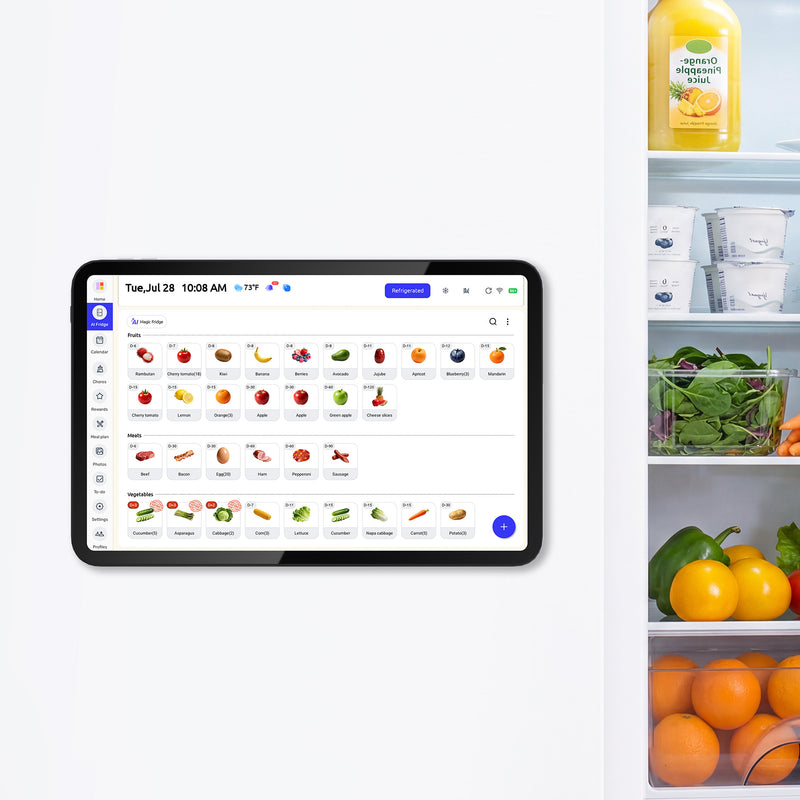
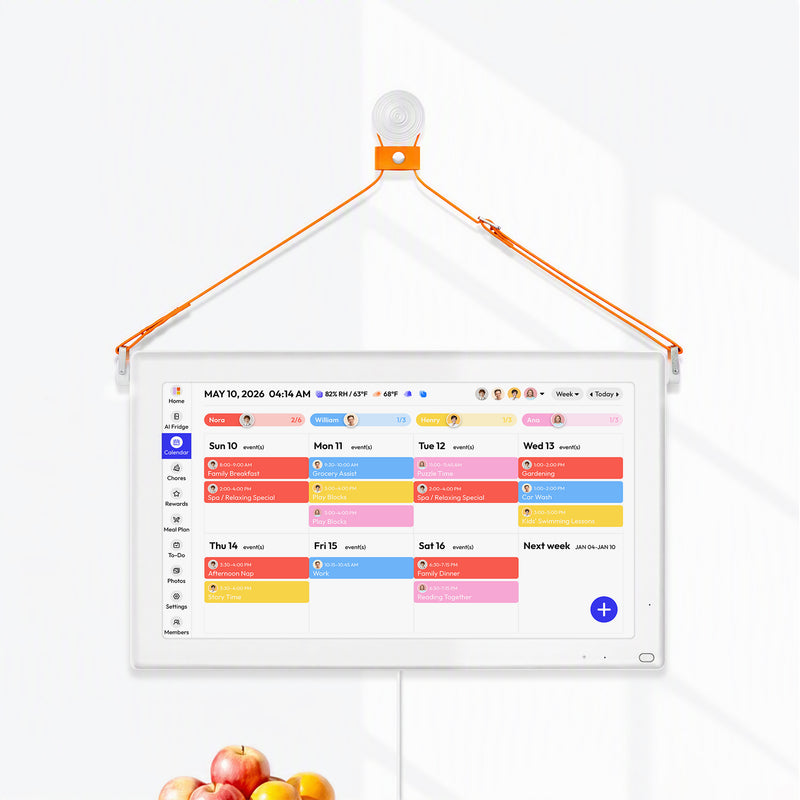
A centralized home space can be especially helpful when verbal reminders keep failing. Some families use a digital wall calendar. Others use a wall-mounted screen such as the Everblog digital calendar to keep plans, tasks, chores, and events visible in one place. Others use a dry-erase board, printed calendar, and labeled bins. The format matters less than whether people actually see it and use it.
A high-traffic location is what makes the system stick. Near the kitchen, mudroom, garage entry, or drop zone usually works better than a pretty setup in a room no one passes through. If a child needs to grab shin guards, a library book, or allergy medication on the way out, the system should live where the leaving happens.

What to make visible
A visible family planning system should show more than custody days alone. Include after-school plans, meal notes, chore expectations, return-to-school items, and which parent handles pickup. This is where a lot of “I told you already” conflict can be replaced by “It’s on the wall.”
A shared digital setup often works best with simple rules: one color for each parent, one color for school, one for activities, and alerts for pickups and drop-offs. If executive function is a challenge in either home, meaning the planning and follow-through skills that help people switch tasks and remember steps, visible cues often help more than repeated reminders.
Coordinate Meals, Chores, and Packing Before the Rush Starts
A more detailed parenting plan reduces misunderstandings when it covers routine areas that sound small but create daily friction: bedtimes, homework, screen time, transportation, and extracurricular decisions. Meal timing belongs on that list too. On handoff days, “What’s for dinner?” can become a bigger stressor than the exchange itself.
A shared home schedule is easier when packing lists are standard and repeatable. One family might use a laminated checklist near the door: medication, school folder, sports uniform, water bottle, charger, favorite stuffed animal. Another might keep duplicate toiletries and basic clothes in both homes so only the truly important items have to move.
A whole-family calendar can also hold a simple meal-and-chore rhythm. Example: exchange nights are slow-cooker nights, frozen pizza nights, or leftover nights. The child empties the backpack and puts shoes in one basket. The receiving parent checks the calendar, the folder, and tomorrow’s gear before bedtime. These are small habits, but they cut down on frantic texting later.
A simple checklist for busy families
- Put exchange times, locations, school events, and activities into one shared calendar.
- Add a 15- to 30-minute buffer before pickups, practices, and games.
- Use one packing checklist for both homes, especially for medication, homework, uniforms, and chargers.
- Keep a visible command center near the main exit with the calendar, papers, and grab-and-go items.
- Choose easier meals on transition days and decide them ahead of time.
- Review tomorrow’s plan with the child in under 3 minutes before bed.
- Move conflict discussions out of handoff time and into a calmer, documented channel.
FAQ
Q: Should both homes have exactly the same rules and routines?
A: A reasonable level of consistency across homes usually helps with bedtimes, homework, and basic expectations, but identical households are not required. What often matters more is that children know what to expect in each place and that health and safety needs stay clear.
Q: What if one parent is great with calendars and the other is not?
A: A shared calendar with real-time updates and reminders can reduce the amount of memory and back-and-forth the system demands. Keep the setup simple, use exact times, and add a printed or wall version for quick visual checks.
Q: How do we know if the current handoff timing is not working for our child?
A: A watch-the-transition approach is useful. Look for patterns in the hours before and after exchanges, such as clinginess, trouble with routine tasks, frequent forgotten items, or repeated lateness. If the same problems keep showing up, the timing or number of transitions may need adjustment.
Practical Next Steps
A co-parenting system that puts children first does not need to be fancy. It needs to be visible, consistent, and easy to follow on tired days. Start with one shared calendar, one handoff checklist, and one command center near the door.
A written schedule with exact dates and times is often the fastest way to lower friction because it turns assumptions into something both homes can see. When meals, chores, school items, and activity timing are planned around the exchange instead of squeezed in afterward, handoff days usually feel less personal, less chaotic, and more manageable.
Disclaimer
This article is for household planning education only. It is not a substitute for mental health care, medical advice, legal advice, or crisis support. If safety, custody orders, or a diagnosed condition are involved, work with the appropriate licensed professional.
References
- A company: 7 Steps for Successfully Co-Parenting
- A government agency: The Effects of Custody Arrangements
- A parenting organization: Co-parenting
- A platform: Creating a Co-Parenting Calendar
- A company: Navigating Youth Sports When Co-Parenting
- A platform: Digital Wall Calendars and Co-Parenting
- A counseling practice: Strategies for Effective Co-Parenting
- A law firm: Coordinating Custody Schedules with Shared Calendars
- A platform: Wall Calendars and Day Planners
- A company: Co-Parenting in Two Households
- A law firm: How to Handle the Handoff Between Parents
- A law firm: Co-Parenting and Kids’ Extracurricular Activities


