






A safe shared family calendar should work like an operations dashboard, not just a list of appointments.
If you have ever gotten a last-minute text like “Is this bottle still good?” while you are away, you already know the stress of missing context. Families that put routines, feeding windows, and emergency contacts into one shared system reduce confusion and prevent preventable mistakes. You will leave with a practical framework, a reusable template, and a one-week rollout plan.
Decide Access Before You Share
Treat babysitting as a safety role
Babysitting carries real safety responsibility, and children’s health is being entrusted to another adult during each shift safety responsibility.
Start your calendar design with role tiers: Editors (parents/guardians) and Viewers (babysitters/grandparents). Viewers should see what they need to run the day safely, but not edit core household logistics.

Define the minimum safe data set
Each caregiver-facing event should include parent location, phone numbers, emergency contacts, allergies, medications, and special care notes child-specific needs.
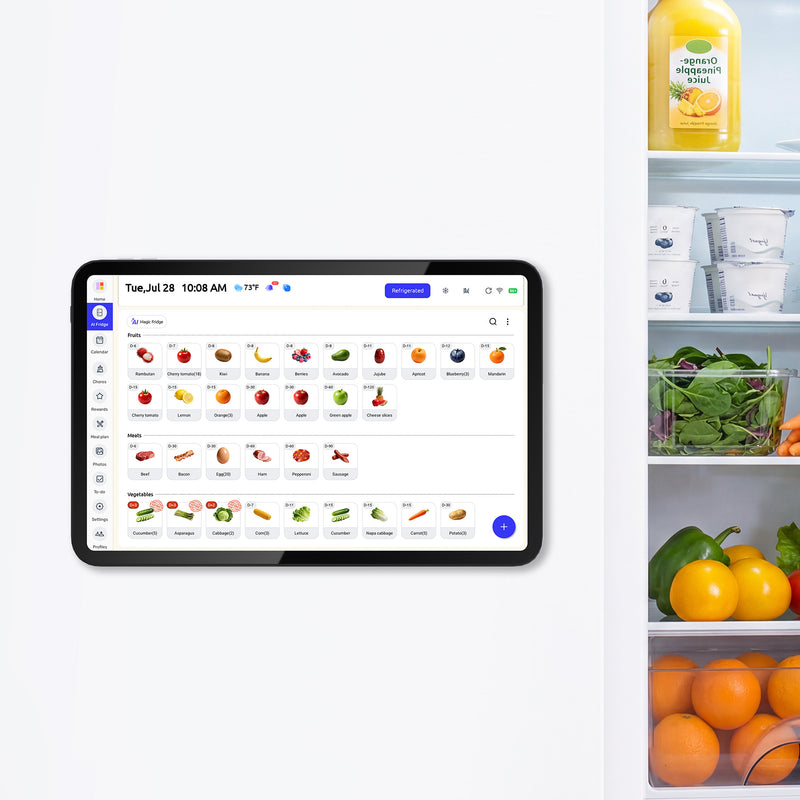
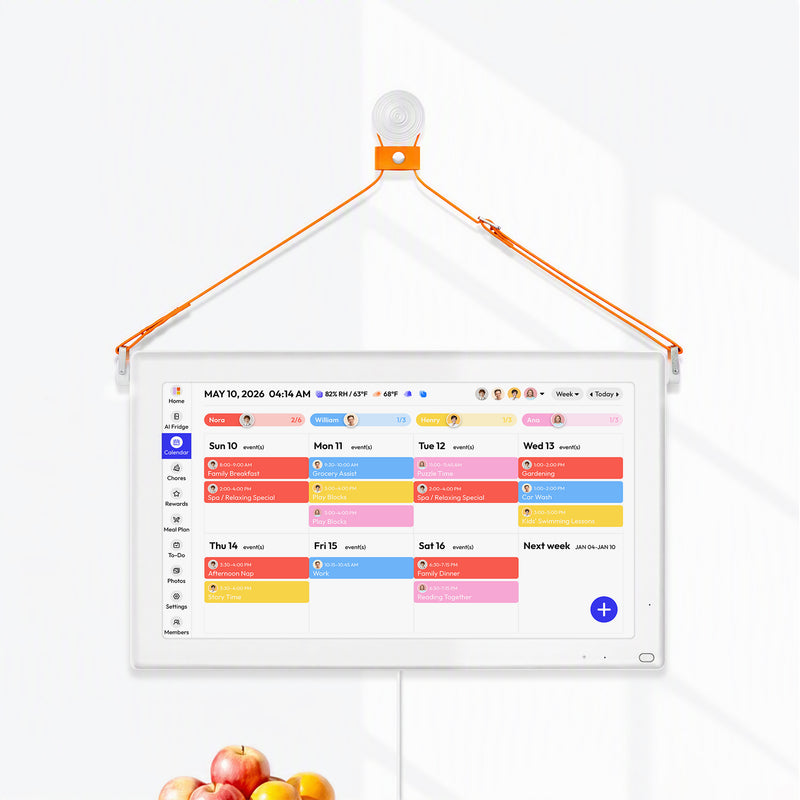
For continuity when phones die or apps fail, keep a visible backup in the home, such as a wall or fridge calendar a company.
Build a Reusable Babysitter Briefing Template
Use one event format every time
Formula safety depends on exact prep and timing, so each feeding event should state water source, mixing order (water first, then powder), prep time, and discard time preparation and storage rules.
A practical event title format is: Child - Shift - Feeding + Meds + Sleep + Pickup.
Add storage windows directly in event notes
Baby food storage has short windows, so caregivers need durations in the calendar note, not in memory baby food storage times.
Example note lines: “Strained fruits/vegetables: 2–3 days refrigerated; meats/eggs: 1 day refrigerated; homemade purees: 1–2 days refrigerated.”

Include milk-handling rules as defaults
Human milk handling is safer when every container is labeled and dated, then used within clear limits food safety job aid.
Put this in recurring notes: “No microwave warming, no refreezing thawed milk, discard bottle leftovers after feeding window.”
Standardize Feeding and Storage Rules
Pick the right formula pathway for infant risk level
Powdered infant formula is not sterile, and higher-risk infants (especially under 2 months, preterm, immunocompromised, or low birth weight under about 5.5 lb) need stricter handling powdered formula guidance.
If powdered formula is used, risk is reduced by mixing with water at least 158°F and storing prepared formula at 41°F or below.
Time limits prevent most avoidable errors
Prepared formula should be used within 2 hours of making and within 1 hour after feeding starts, with leftovers discarded CDC timing limits.
If a bottle is not used within 2 hours, refrigerate immediately and use within 24 hours.
Put milk storage by location in the calendar
Freshly expressed milk keeps up to 4 hours at room temperature (77°F or cooler), up to 4 days in the refrigerator (40°F), and is best used within 6 months frozen human milk storage chart.
For handoff clarity, add a “milk location” field in each shift note: counter, fridge shelf, or freezer bin.

Add Safety Triggers to the Calendar
Use recurring hygiene checkpoints
Home food hygiene is one of the most reliable ways to reduce foodborne illness risk proper food handling.
Set recurring reminders for handwashing, clean prep zones, and raw-versus-ready-to-eat separation before meal prep.
Make hazard prevention explicit
Handwashing should last at least 20 seconds, and younger children should be supervised closely while eating to reduce choking risk babysitter food safety steps.
Also include fixed home rules in shift notes: lock doors/windows, do not open to strangers, and keep cleaners/sharps out of reach.
Keep disinfection simple and consistent
Lab evidence shows salt-activated alcohol formulations can improve surface biocidal effects versus alcohol alone salt-activated disinfectant study.
In a family setting, the key operational point is consistency: use one approved product correctly and on a predictable schedule for high-touch surfaces.
Run a 7-Day Onboarding for Grandparents and Sitters
Week-one rollout framework
Only assign care to known or referred sitters, and confirm return times, contacts, and safe transportation before the first shift job-acceptance steps.
Use a simple sequence: Day 1 home walkthrough, Day 2 supervised feeding, Day 3 independent short block, Day 4 emergency drill, Day 5 full routine run, Day 6 review, Day 7 adjustments.

Keep digital and physical views aligned
A wall calendar helps grandparents and occasional caregivers see the same rhythm as your digital system a company.
This dual-view setup reduces missed pickups, duplicate commitments, and “I didn’t see the update” failures.
Practical Next Steps
Use this checklist to implement your briefing system this week:
- Create one caregiver-facing calendar with view-only access for non-parent caregivers.
- Add a reusable event template: contacts, allergies, meds, feeding plan, sleep plan, pickup details.
- Paste formula and milk time limits into recurring notes (2-hour prep window, 1-hour feed-start window, 24-hour refrigerated formula max).
- Add baby food storage rules to meal events (2–3 days produce puree; 1 day meats/eggs refrigerated).
- Schedule daily safety reminders: 20-second handwashing, eating supervision, lock-and-check routine.
- Run a 7-day onboarding and revise the template after real caregiver feedback.
Important Note
The planning templates and organizational systems provided here are intended as adaptable blueprints. Every family’s needs, dietary requirements, and physical capabilities are different. We recommend tailoring these schedules to your specific health needs and household dynamics. Results from productivity or meal-planning systems may vary, and consistency remains the responsibility of the individual user.
References
- NDSU babysitter food safety and safety responsibilities
- FoodSafety.gov baby food storage chart
- WHO powdered infant formula guidance
- CDC formula preparation and storage
- WIC Works infant feeding food safety job aid
- EFSA proper food handling
- CDC human milk storage chart
- ACS Nano disinfectant study (PubMed record)
- Everblog 13.4-inch fridge calendar
- Everblog 21.5-inch wall calendar


