
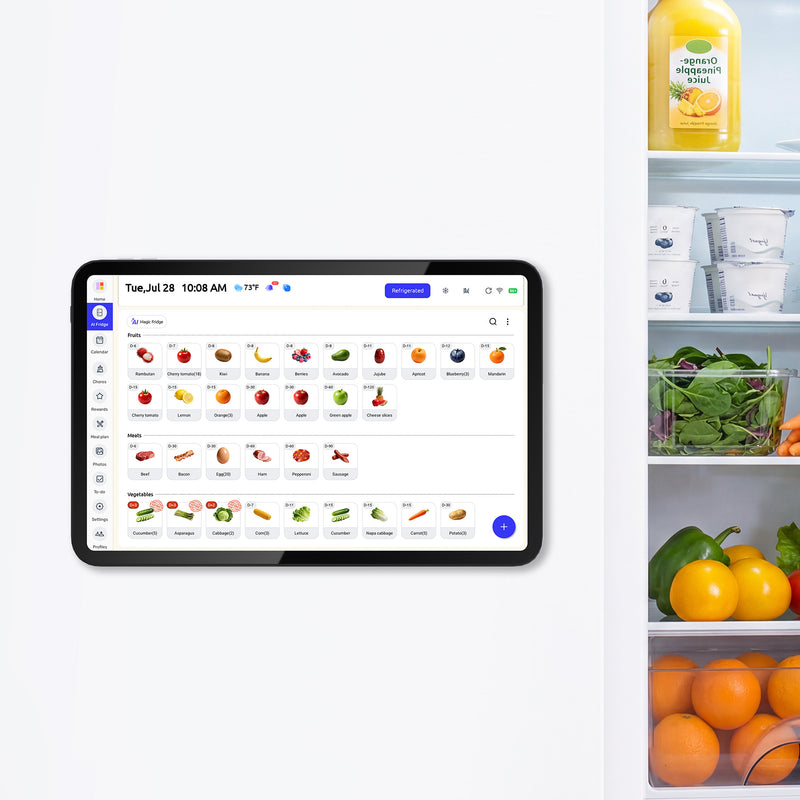


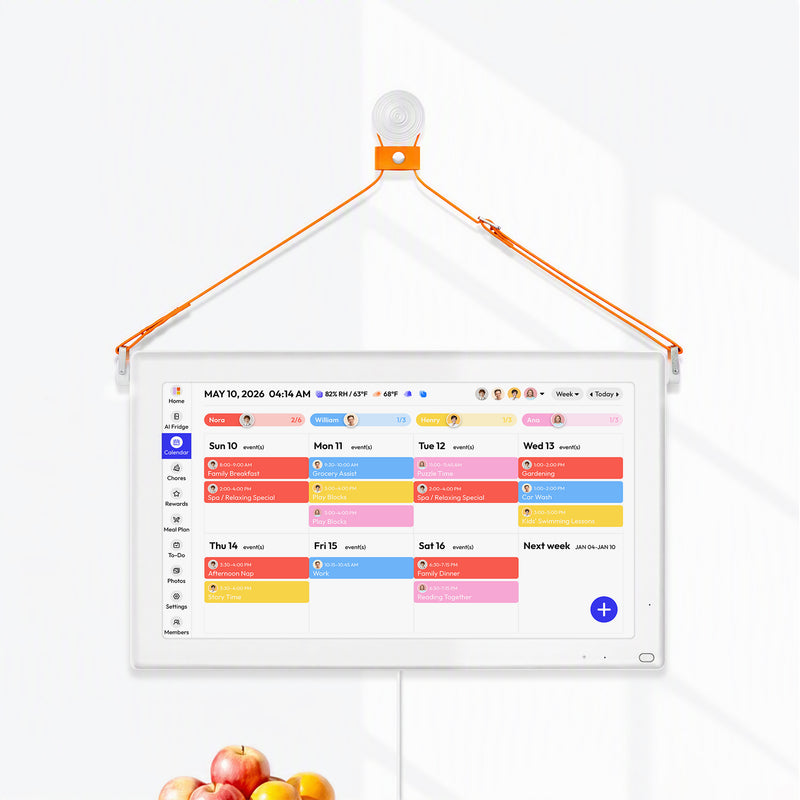



A reliable sign-out system works when it is faster than arguing and easier than guessing. In practice, that means item-level tracking, simple labels, and a return path that takes seconds.
You know the moment: someone is late, a favorite hoodie is missing, and three people swear they “just saw it.” Families can fix this without turning home into a warehouse. A lightweight QR process has already shown measurable behavior change in real households, and you can adapt the same mechanics in one weekend. By the end, you’ll have a clear framework, setup plan, and daily routine that keeps shared clothes moving back to the right person.
Decide What You’re Tracking First
Track individual garments, not vague categories
A QR closet system tested over 2 years with 47 families showed that behavior sticks when each item has a clear identity instead of a generic bin label. If “hoodies” is one bucket, nobody owns the return step. If “gray Nike hoodie, Alex, Shelf B2” is the unit, ownership is obvious.

A database redesign from set-level to individual-part tracking reinforces the same principle: systems fail when they only track containers, not components. For clothes, your “component” is the garment, while closet section and laundry basket are just locations.
Define a minimum data schema
A shared household inventory model with real-time collaborative updates maps cleanly to family clothing: owner, home location, current holder, last scan date, and care notes. Keep fields short and mandatory, or the system will drift.
Build a Sign-Out Flow That Takes Under 10 Seconds
Use a realistic setup timeline
The published setup steps total 200 minutes, which is 3 hours 20 minutes, so plan one focused weekend block instead of a rushed weeknight. A practical sequence is: train, print tags, create item pages, assign tags, then inventory by room.
Keep checkout and check-in frictionless
A scan time under 2 seconds is fast enough for school mornings, but only if you remove app logins and long forms. One tap should show owner, where it belongs, and who has it now.

A family food-storage protocol that requires a date and two identifiers on every label is a useful template for clothes. For garments, require three fields on every tag event: date, item owner, and home zone (for example, “Sam / Closet C / 3/17/2026”).
Make Labels and Storage Rules Prevent Mix-Ups
Standardize labels like a shared facility
A shared-space safety rule set that emphasizes sealed items and consistent labeling works because it reduces ambiguity before problems start. For clothing, “sealed” translates to “tag is attached and readable,” and unlabeled items do not enter shared circulation.
Size loads around real hoodie weight
A hoodie weight range of 10–22 oz means a single hoodie can run from about 0.6 lb to 1.4 lb depending on material and build. That variability matters when kids share laundry space, because “one full hamper” can mean very different wash and dry outcomes.
A one-hamper-per-child rule with 8–12 lb wash loads keeps sorting simple and protects schedules. As a quick planning check, 8 lb is roughly 8 standard hoodies or a mixed load of hoodies, tees, and sweats.
Cut Put-Away Time by Designing for Return
Route clothes to one destination per child
A large-family redesign that removed cross-child sorting reported fold-and-place directly to each child’s shelf, with weekly savings of about 60–90 minutes. The key operational rule was “one child = one hamper = one load.”

Match physical layout to behavior
A shelving system with dedicated hamper bays and 18–20 in columns reduced decision points during put-away. When each child has one hamper bay and 3–4 upper shelves, return paths stay predictable.
A pilot result with only two detached tags across participating families highlights a common failure point: label durability. Use laminated QR labels plus fabric-safe attachment so replacement takes under a minute instead of breaking trust in the system.
Handle Hygiene and Fabric Care Without Overengineering
Use evidence carefully
An in vitro study on NaCl-coated reusable mask fabrics found significantly reduced SARS-CoV-2 replication versus noncoated material. That supports lower fomite risk in controlled lab conditions, but it is not a substitute for regular laundering and illness-specific household rules.
A screening paper on natural salts and pathogenic organisms reports antimicrobial effects for potassium carbonate and magnesium sulfate in test settings. Treat this as directional evidence, not a reason to skip wash cycles, detergent, drying, and item isolation when someone is sick.
Keep your hygiene baseline simple
A shared-storage policy designed to prevent food-borne illness and mix-ups shows why clear process beats ad hoc judgment. For clothes, that means fixed wash frequency, no shared hoodies during active illness, and a “wash before return” rule for high-contact items.
Practical Next Steps
A family case reporting 72% fewer morning arguments and 40% fewer duplicate purchases demonstrates that small workflow changes can produce fast household wins. Aim for a 14-day pilot, then tune based on what your family actually skips or forgets.

A centralized shared inventory approach with instant sync across devices works best when you track outcomes, not just compliance. Monitor three metrics weekly: average hoodie retrieval time, number of “who has it?” disputes, and duplicate clothing purchases.
- Pick 20 high-conflict items (hoodies, jackets, team sweatshirts) for phase one.
- Create QR tags and item pages with owner, home zone, and care notes.
- Set one checkout rule: scan when taking; one return rule: scan when putting back.
- Reconfigure laundry to one hamper per child and wash at about 3/4 full.
- Run a 14-day pilot and record disputes, retrieval time, and missing-item count.
- At day 15, remove fields or steps that no one consistently uses.
Important Note
The planning templates and organizational systems provided here are intended as adaptable blueprints. Every family’s needs, dietary requirements, and physical capabilities are different. We recommend tailoring these schedules to your specific health needs and household dynamics. Results from productivity or meal-planning systems may vary, and consistency remains the responsibility of the individual user.
References
- How Much Does a Hoodie Weigh on Average Exactly?
- Family Lounge Food and Beverage Storage Guidelines
- NaCl-Coated Reusable Fabric and SARS-CoV-2 Inactivation Study
- Antimicrobial Effects of Natural Salts on Pathogenic Organisms
- QR-Code Closet System for Families
- Large Family Laundry and Clothing Storage System
- Database Architecture for BrickTracker 1.4
- Vorby Shared Household Inventory


