


The easiest way to manage summer camp and travel is to put every date, handoff, and packing deadline in one shared calendar and back it up with one visible home hub. When the whole family uses the same schedule and the same checklist, missed pickups and last-minute scrambling usually drop fast.
If camp pickup lives in one text thread, the packing list is on the counter, and the travel plan is in one parent’s head, the week often breaks by the middle of the week. Families usually get steadier results when dates, papers, meals, and handoffs all live in one place that everyone can check in under a minute. What follows is a practical setup you can build this week without redesigning your whole house.
Start With One Shared Calendar
Put every fixed time in one place
A shared digital family calendar works best when it holds the full chain of summer logistics, not just camp dates. Add drop-off time, pickup time, travel windows, swim-test day, medication forms due, carpool names, and the reminder to pack lunch or refill a water bottle.
Use color and reminders to reduce hidden work
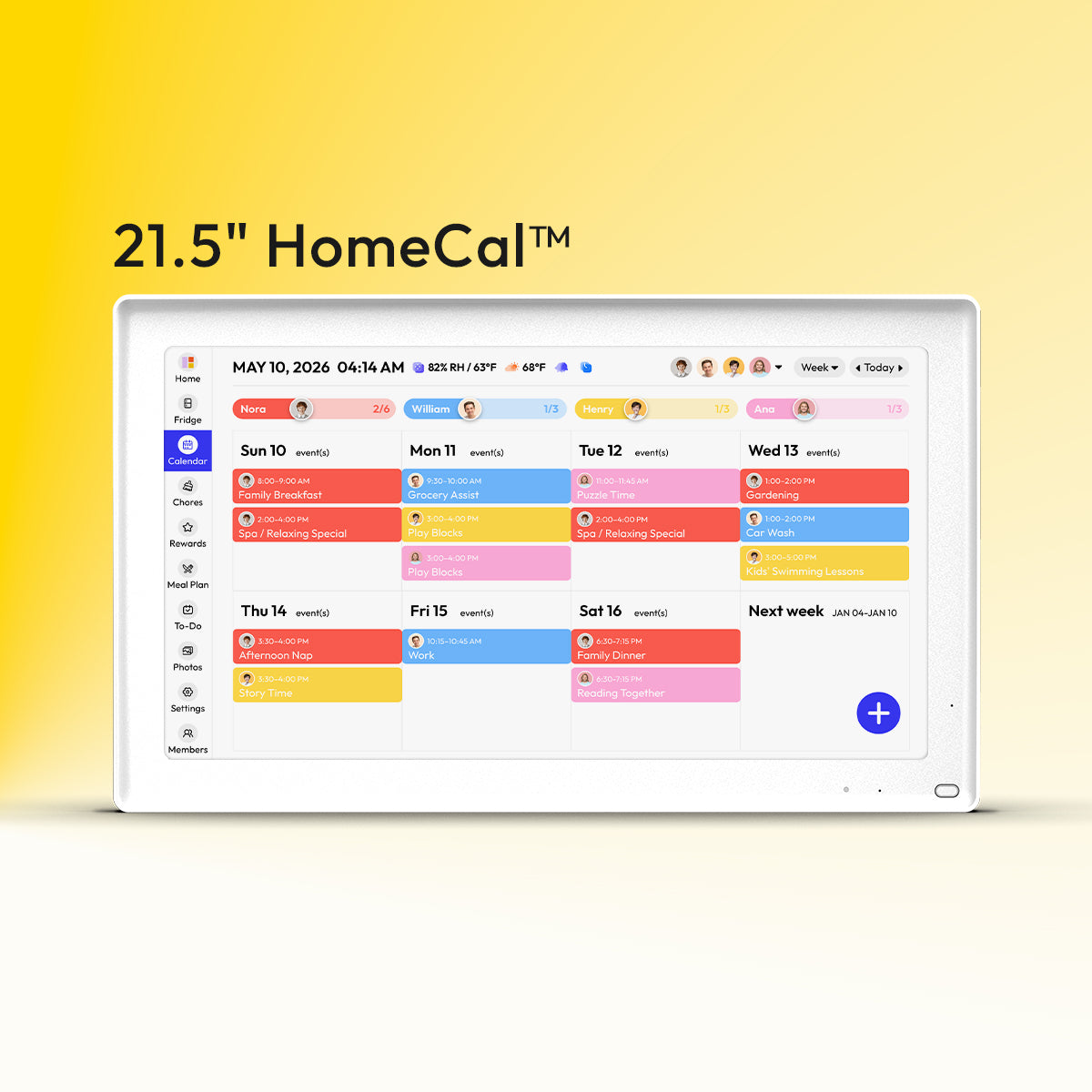
A color-coded calendar helps busy families see the full week at once or filter by one person, which matters when siblings, caregivers, and work schedules are all moving at the same time. Give each family member one color, then use reminder alerts for the adult who owns that task, so “camp starts Monday” does not become five separate mental notes.
Choose the tool your family will actually check
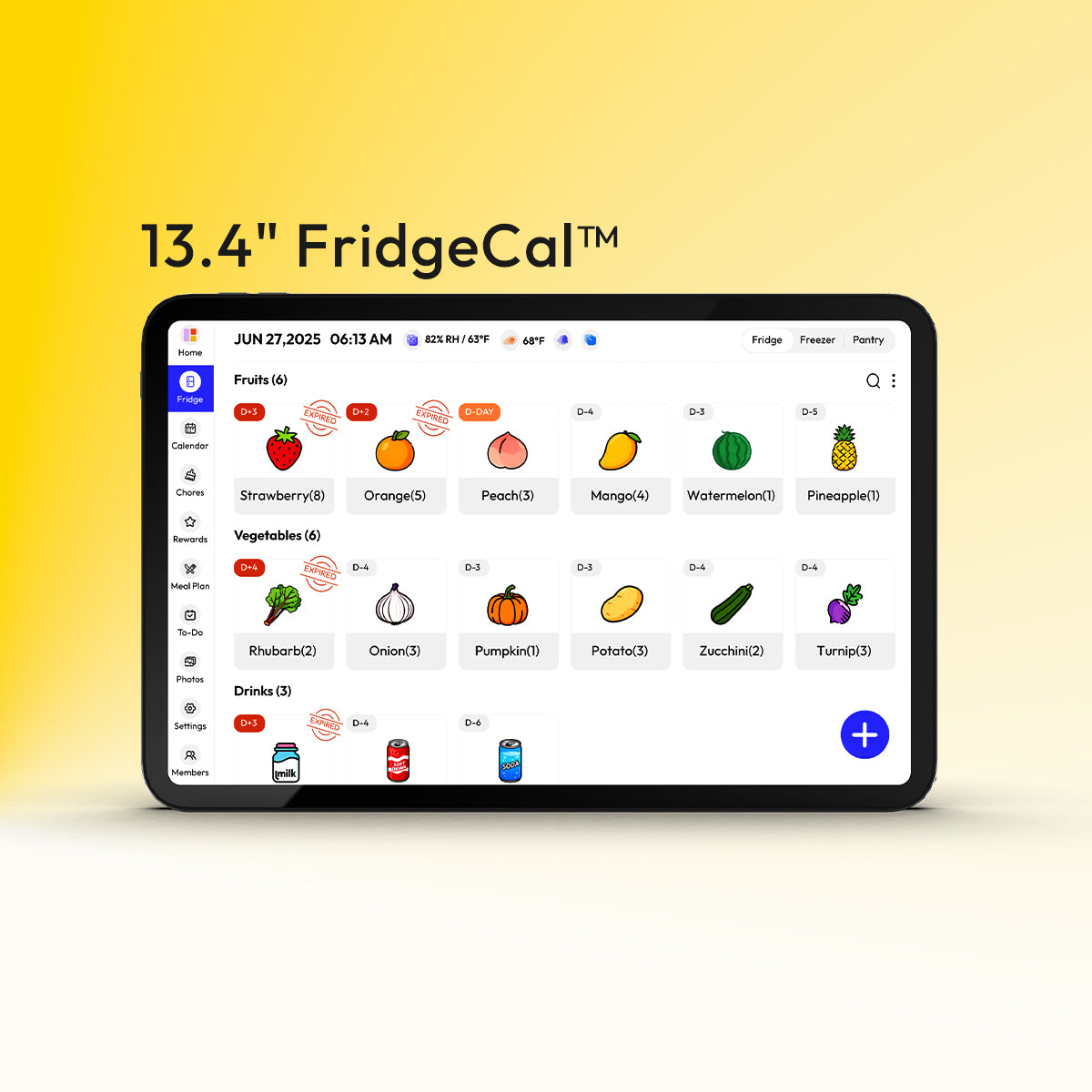
A comparison of digital family calendar options shows a useful trade-off: app-first tools are cheaper and easier to start, while wall displays are more visible but cost much more. If your family already checks phones all day, start with an app; if handoffs keep getting missed because nobody opens the app, add a visible home screen later instead of buying hardware first. For families who need the schedule in plain view at home, a wall-mounted option like the Everblog 21.5" Digital Calendar can fit that role by helping everyone see plans, tasks, chores, and events on one screen.

Build a Small Command Center Near the Real Exit
Put the system where people already pass through
A family command center in a high-traffic area is more useful than a prettier setup tucked away in a spare room. The best spot is often the kitchen edge, mudroom, garage entry, or hallway near the door your family actually uses at 7:15 AM.
Keep only the pieces that support this week
A functional command center does not need to be large or decorative, but it does need to be easy to check and easy to maintain. For camp and travel season, the essentials are simple: one weekly calendar view, one paper bin for forms that still matter, hooks for bags and hats, pens, a charger, and one basket for items that must leave the house next.

Make paper visible, but not permanent
An in-and-out paper system becomes more important in summer, not less, because camp forms, packing notes, receipts, and permission slips pile up fast. One organizer who set up a school-year command center described handling 27 forms for one child; camp weeks create the same kind of paperwork pressure, so sort papers by action needed and clear the area once a week in 5 to 10 minutes.
Turn Packing Into a Routine Instead of a Rush
Start with fit, weather, and labels
A camp packing process built over several weeks catches problems earlier than a one-night packing sprint. Have kids try on shorts, swimsuits, socks, and sneakers ahead of time, then label what will travel, because the real failure point is often not forgetting a shirt but discovering the rain boots no longer fit at 9:00 PM.
Plan fixed items first, then extras
A one-week camp planning rhythm offers a good model for families: lock the fixed pieces first, then build around them. One teacher starts by printing color-coded weekly schedules, filling in the theme and week, and placing fixed items like Wednesday story-writing, rehearsal blocks, Friday T-shirts, costume pieces, art packing, Sunday packing, and Monday morning setup before layering in the rest.
Use a simple family timeline
A packing routine works better when each step has a day. Try this: on Wednesday, confirm camp notes and weather; on Friday, wash and label what is missing; on Sunday at 6:00 PM, pack the bag and place it by the door; on Monday morning, only add cold food, medications, and the water bottle. That timing keeps the visible system doing the remembering instead of one tired adult.

Connect Camp Plans to Meals, Chores, and Sibling Routines
Plan food from the week, not from the fridge
A menu-first planning approach makes travel and camp weeks easier because it cuts down on fragile food, wasted cooler space, and last-minute store runs. The same logic works at home: write down two simple breakfasts, two lunch defaults, and three easy dinners for the week before camp starts, then shop only for those.
Prep for the hardest days, not the ideal days
A practical travel meal routine includes freezing bacon, chicken, or steak ahead of time so those items work as ice packs and thaw as needed. For a camp week, the home version is even simpler: freeze one dinner, keep one backup pantry meal, and assign one adult to own dinner on pickup-heavy days so the family is not deciding meals at 5:45 PM in the parking lot.
Shrink chores during high-logistics weeks
A command center that also holds meal plans and grocery lists helps because summer logistics often fail when families try to keep the full school-year chore load. Camp week is a good time to move to minimum effective chores: laundry, dishes, trash, pet care, and bag reset. Everything else can wait a few days if that trade keeps mornings calm.
Make Handoffs Explicit When More Than One Adult Is Involved
Put the agreement in writing before the week starts
A summer camp parenting plan matters most when custody, payment, and pickup responsibility are split across households. If a formal plan already covers camp choice, payment, or summer scheduling, follow it exactly; if it does not, write down the agreement anyway so there is one shared version of who is paying, who is driving, and what happens if camp runs late.
Build one event that answers the whole handoff
A shared family calendar with reminders is the right place to store the full pickup plan, not just the time. Each event should include the camp address, pickup adult, backup adult, authorization notes, what the child needs to bring home, and whether dinner is handled at home, in the car, or by the other caregiver.

Keep the command center synced with the digital plan
A centralized home planning space works best when it mirrors the top priorities from the digital calendar instead of competing with it. If grandparents help on Thursday, or one parent is traveling, post only the current week’s handoffs on the wall so kids and adults can both see what changes without digging through old papers.
FAQ
Q: Do we need both a digital calendar and a wall setup?
A: Not always. A shared digital calendar is enough for some families, especially when everyone reliably checks a phone. Add a wall setup when the problem is visibility at home, repeated missed handoffs, or younger kids who need to see what happens next.
Q: What should go in the camp event itself?
A: Put the time, location, driver, pickup backup, special gear, medication notes, and one reminder for the person responsible. A family command center checklist is most useful when it supports near-term action, so the calendar event should answer the questions people ask in the moment.
Q: How far ahead should we pack?
A: Start earlier than feels necessary for clothes and labels, then do the actual bag near departure. A camp packing routine recommends trying on clothing over time, which is a smart way to catch fit and weather issues before the final weekend.
Practical Next Steps
A simpler summer system usually comes from fewer surfaces and clearer timing, not from more tools. If your family can see one calendar, one command center, and one short weekly checklist, camp and travel planning becomes much easier to hand off.
This week’s action checklist
- Pick one shared calendar and enter every camp date, pickup, travel window, and packing deadline.
- Assign one color to each family member and one reminder owner for every important event.
- Set up a small command center by the door your family actually uses.
- Create one paper bin, one bag-drop zone, and one basket for items that must leave next.
- Choose a Sunday 15-minute planning time for the coming week.
- Write a three-dinner plan and one backup meal before the week begins.
- Pack in stages: try-on and label first, then do the final bag the night before.
The goal is not a perfect summer. It is a week where everyone knows where to look, what happens next, and who owns the next step.


