






A family routine reset works better when schedules, meals, chores, and loose papers all land in one shared place. One visible planning hub makes the next seven days easier to run.
If your January reset keeps turning into more reminders, more sticky notes, and more “I thought you had that,” the problem usually is not effort. It is that the plan is scattered, so handoffs keep getting missed. What helps is a simple shared hub that shows who is doing what, what is for dinner, and what is happening next.
Why One Shared Hub Works Better Than Another Fresh Start
A reset falls apart fast when school events, dinner plans, and chore reminders live in different places. A family can have good intentions and still miss pickup changes, forget to thaw dinner, or assume someone else saw the dentist appointment. One shared planning hub fixes that by giving everyone one place to check before asking, texting, or guessing.
A visible home system works best when it lives where people already pass through, and effective command centers are usually placed where the family will actually use them. For many homes, that means the kitchen, the wall by the garage door, or a small zone near backpacks and keys. A tucked-away office wall may look neat, but it will not help much at 7:10 AM.

Hidden planning work is often the real source of tension, and uneven chore division often includes the organizing, reminding, and planning work. That is why one parent can feel exhausted even if the trash gets taken out and the lawn gets mowed. A shared hub makes the invisible work visible, which is the first step toward making it fairer.
What to Put in the Hub
Start With the Four Essentials
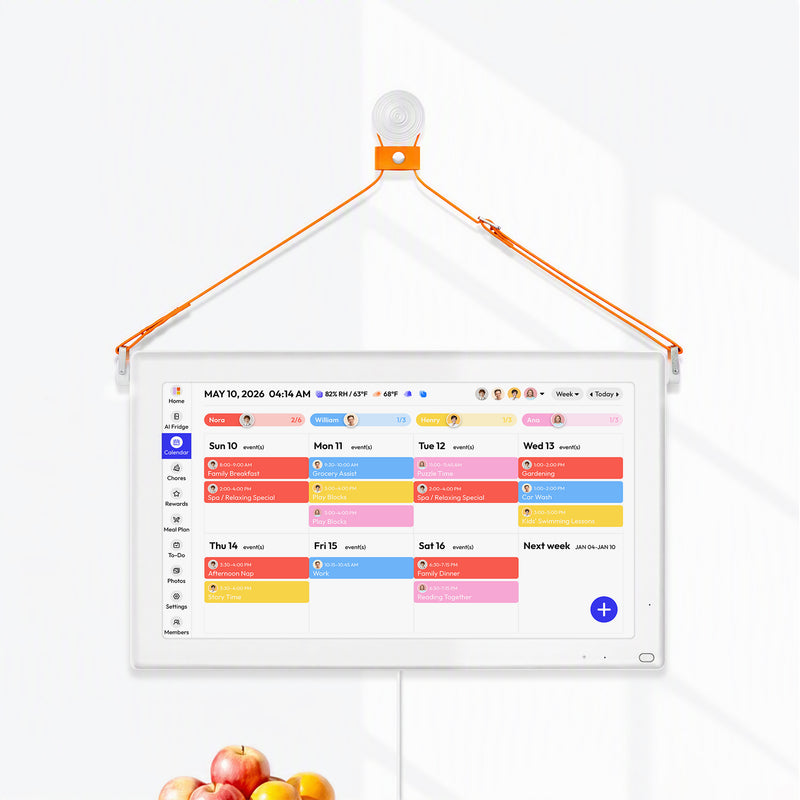
A shared hub works best when one shared calendar becomes the household source of truth. Put school events, sports, appointments, work travel, and ride needs there first. If an event affects another person, it belongs on the shared calendar, not only on one adult’s cell phone.
Meal planning belongs in the same system because family planning apps and hubs work better when schedules, grocery lists, dinner planning, and to-dos sit together. A weekly meal row with five to seven dinners is enough. Next to it, keep a live shopping list so whoever stops at the store can see what is needed without texting the group.
Paper still matters in real homes, and family command centers often include calendars, menus, bills, grocery lists, and chore charts in one shared area. Add a small drop zone for school forms, mail that needs action, and anything that has to leave the house tomorrow. If papers float around the counter, the hub is incomplete.

A Simple Starter Setup
Keep your first version small:
- One shared weekly calendar
- One meal plan for the next 7 days
- One running shopping list
- One chore or responsibility board
- One inbox for papers that need action
That is enough for most families to feel a change within a week. You can add hooks, cubbies, charging spots, or a bulletin board later if those solve a real problem.
Pick the Right Surface: Wall, App, or Both
Placement matters as much as the tool, and a command center that moved from a side door to a high-traffic wall became much more useful. If your family already gathers in the kitchen, put the visible part there. If wall space is tight, a fridge setup or a narrow strip near the entry can still work.
For the digital side, shared family calendar apps help by putting school, sports, appointments, chores, and lists in one place. A simple household may do fine with a calendar platform or another calendar platform. A family that wants meals, chores, and lists in the same app may prefer something closer to a family planning platform. The right choice is the one that every adult will actually open and update.

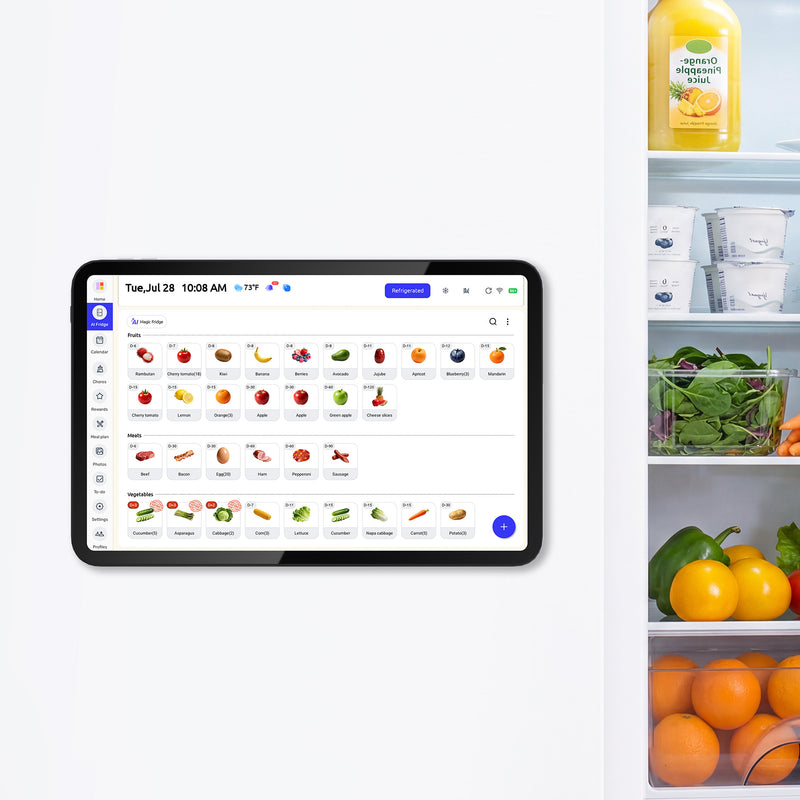
Wall displays can help, but they are a real purchase, and digital family calendar options range from free apps to wall screens starting around $169.99 and $299.99. That can be worth it if your family ignores phone notifications but notices a screen during breakfast. One example is the Everblog digital calendar, a wall-mounted display designed to help families view plans, tasks, chores, and events on one screen. If budget is tight, start with a paper or dry-erase wall hub and a free shared calendar before buying hardware.
Give Jobs Clear Owners, Not Shared Good Intentions
Routine resets stick better when ownership is specific, and couples tend to make more progress when concrete responsibilities are assigned instead of loosely discussed. “Help more with dinner” is too vague. “Own dinner dishes and unload the dishwasher every night” is clear enough to track. The same logic works for backpacks, laundry, pet care, and the paper inbox.
Kids usually do better with named roles than with a long list of one-off chores, and daily manager jobs can stay posted and reused for months. A kitchen manager checks counters and the sink before bed. A laundry person moves one load and returns baskets. A floor helper handles a quick sweep after dinner. The job is easier to remember when it is tied to an area and a repeat time.

Rotation helps, but not every day, and weekly chore rotation gives families time to learn a task before switching. That matters for younger kids and for adults who are already overloaded. If ADHD or uneven follow-through is part of your household, keep the roles even more concrete: one owner, one finish line, one visible place to check it off.
Run a 20-Minute Weekly Reset
A weekly reset works best when meals and clean-up jobs are assigned in advance instead of decided in the moment. Pick one repeat time, such as Sunday at 4:00 PM or Friday at 8:30 PM. Stand at the hub, not on the couch. The point is to update the plan where the whole household will see it later.
A Reset You Can Finish in 20 Minutes
Use this checklist:
- Put all appointments, games, school events, and work conflicts on the shared calendar.
- Choose five to seven dinners and add ingredients to the shopping list.
- Assign this week’s jobs by owner, not by vague category.
- Clear the paper inbox and pull out anything due in the next seven days.
- Check rides, early pickups, and who covers the tight spots.
- Remove old notes so the hub only shows current information.
What usually breaks is not laziness. It is overbuilding, daily reshuffling, or expecting one adult to carry the whole system. Working parents tend to do better with realistic routines, delegation, meal planning, and lower home standards when needed. If the reset takes 45 minutes, it is probably too complicated.
FAQ
Q: Do we need a digital wall calendar to make this work?
A: No. A dry-erase board, paper planner, or fridge setup can work well if it is visible and updated. Add a wall screen only if your family is more likely to notice it than a paper hub.
Q: What if one parent uses a phone brand and the other uses another phone brand?
A: Choose a shared calendar and list system that works on both. Cross-platform tools are usually easier than trying to force one household onto one phone brand.
Q: What if kids ignore the hub?
A: Put the hub where they already stop, keep their jobs simple, and review it at the same time each day. Younger kids often respond better to one named job and one clear check point than to a long chart.
Practical Next Steps
A better reset does not require a whole new life system. It requires one shared place, one weekly check-in, and clearer ownership than most families use now.
For the next seven days, build the smallest hub that can hold your calendar, meal plan, shopping list, chores, and papers. If everyone knows where to look and who owns each job, the reset stops being a speech and starts becoming a routine.


