
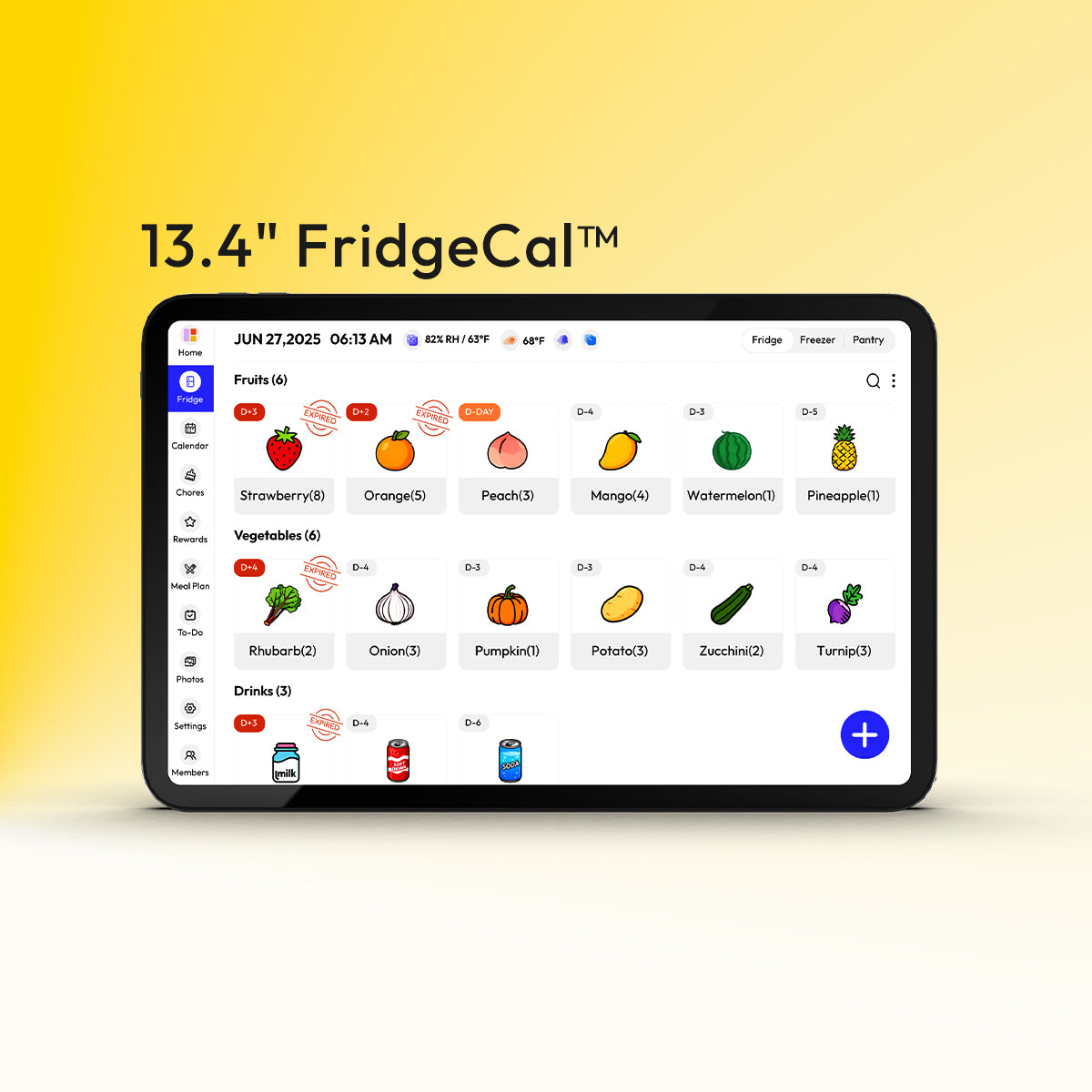
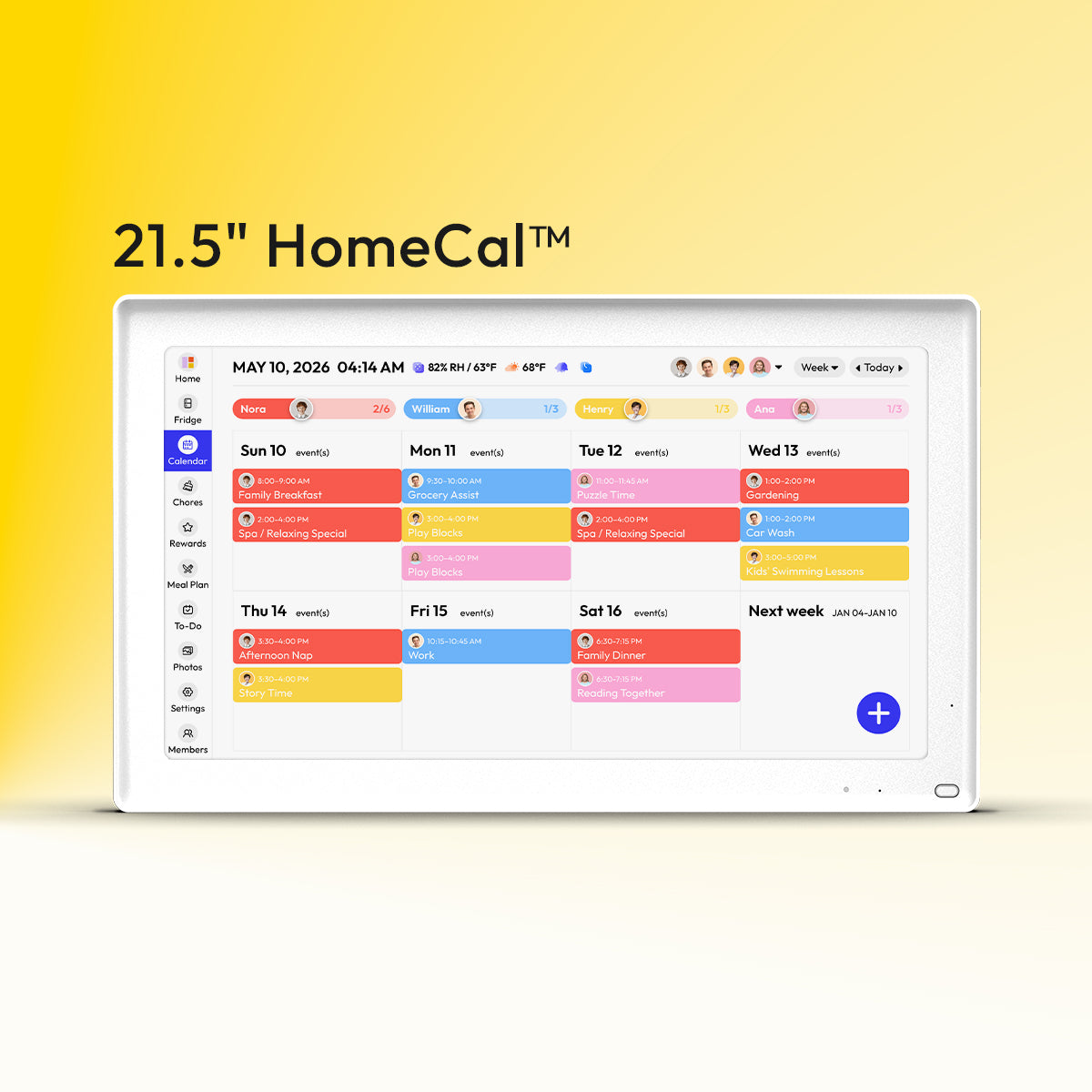


A shared planning hub gives every caregiver one place to see the week, claim tasks, and leave handoff notes. It works best when it combines a calendar, task list, meal plan, and simple check-in rhythm instead of relying on one parent to remember everything.
Ever had a grandparent ask about pickup while the nanny has the soccer bag, the other parent has the pediatrician reminder, and dinner is still a mystery? The practical win is simple: fewer missed handoffs because the plan is visible before the day starts. Here is how to set up a shared household planning hub that works for parents, grandparents, sitters, relatives, and older kids without turning family life into another admin job.
Why Parent-Only Coordination Breaks Down
Most families do not struggle because nobody cares. They struggle because the plan lives in too many places.
One caregiver has the school calendar. Another has a text thread about dinner. Someone wrote “bring library books” on a sticky note. A grandparent knows about the early dismissal but not the car seat switch. None of these pieces is wrong, but together they create hidden work.

Caregiver research points to the same basic problem at a larger scale: family caregivers are often central to keeping loved ones supported at home, but barriers include poor communication, limited information, and weak navigation across systems poor communication. In a household, that often shows up as missed pickups, repeated questions, forgotten forms, and one parent acting as the family switchboard.
The Real Bottleneck Is Usually Visibility
When more than two adults help, memory is not a strong enough system. A parent may remember that Grandma handles Tuesday pickup, but Grandma also needs to know whether there is tutoring, whether snack is packed, and whether the child needs to wear a specific shirt for school photos.
A shared planning hub fixes the visibility problem. It does not make everyone equally organized. It gives everyone the same surface to check before acting.
For a busy family, that surface might be:
- A shared digital calendar for time-specific events
- A task list for chores, errands, forms, and supplies
- A meal plan for the next few dinners
- A handoff note area for “what changed today”
- A visible screen, whiteboard, or printed weekly view near the kitchen or entryway
What Usually Breaks
The first version of a household planning system often gets too ambitious. Someone adds every chore, every preference, every school detail, and every reminder. Within a week, people stop checking it because it feels like homework.
The better starting point is the next seven days. Add the events, meals, pickups, and must-do tasks that would cause trouble if missed. Leave the rest out until the habit is steady.
What a Shared Planning Hub Needs to Include
A useful caregiver coordination hub should answer four questions quickly: where is everyone, what needs doing, who owns it, and what changed?
A digital family command center is often described as one shared place for schedules, tasks, meal plans, notes, reminders, contacts, and household information central hub. That is the right idea, but the setup should stay lean. A family does not need a perfect dashboard. It needs a place where the next handoff is obvious.

1. A Shared Calendar for Time
The calendar should hold anything that depends on time or location:
- School start and dismissal changes
- Sports, lessons, therapy, tutoring, and club meetings
- Doctor, dentist, and specialist appointments
- Work travel or late meetings that affect coverage
- Grandparent, nanny, sitter, or relative care shifts
- Trash night, bill dates, and recurring household deadlines
Use color coding only if it helps people scan. For example, each child can have a color, while adult work conflicts stay gray. If every category gets its own color, the calendar becomes harder to read.
A good rule: if someone might ask, “Where am I supposed to be?” it belongs on the calendar.
2. A Task List for Ownership
Tasks are different from events. “Pick up prescription” is not just a reminder. It needs an owner.
The task list should show:
- Task name
- Owner
- Due date or day
- Status
- Notes if needed
For example:
Task |
Owner |
Due |
Note |
Pack swim bag |
Jordan |
Monday AM |
Towel, goggles, dry clothes |
Buy groceries |
Grandpa Ray |
Tuesday |
Use shared list |
Sign field trip form |
Mom |
Wednesday |
Return in blue folder |
Start crockpot dinner |
Nanny |
Thursday 3:00 PM |
Chicken is in freezer |
The owner matters because “we need to” is where follow-through often disappears. “Grandpa Ray will buy groceries Tuesday” is clearer and kinder than making everyone guess.
3. A Meal Plan for Fewer Evening Surprises
Meal coordination is one of the easiest places to reduce daily friction. You do not need a perfect nutrition plan. You need enough of a plan that the adult on duty is not standing in the kitchen at 5:45 PM wondering what is possible.
A simple meal area can include:
- Dinner plan for each weeknight
- Who starts or serves it
- Grocery list tied to those meals
- Notes like “leftovers for Wednesday” or “Avery has pasta before practice”
- Backup meal, such as frozen soup, eggs and toast, or sandwiches
Shared grocery lists are especially helpful because multiple caregivers can update them in real time, and many family planning tools now include meal planning and grocery list features meal planning. The habit is more important than the app. If someone uses the last milk, it goes on the list before the carton hits the recycling bin.
4. A Handoff Space for What Changed
A handoff note is not a diary. It is a short message that helps the next caregiver act well.
Useful handoff notes sound like this:
- “Mia came home tired and skipped snack. Offer food before homework.”
- “Soccer cleats are still wet. Backup sneakers are by the door.”
- “Grandma gave Ben his library book. It is in the front backpack pocket.”
- “No homework tonight, but spelling test moved to Friday.”
- “Dinner is cooked. Reheat at 6:15 PM.”
Keep this section short. If people have to scroll through long updates, they stop reading. A daily note with three bullets is usually enough.
Choose the Right Surface: Digital, Physical, or Both
The best planning hub is the one people will actually check. For many families, that means using both a digital calendar and a visible home surface.
A family command center can be a designated area for a shared calendar, to-do lists, homework, important information, and household records designated home area. It can be on a kitchen wall, inside a cabinet door, near the garage entry, on a narrow hallway wall, or on a small counter. The location should match where handoffs already happen.

Digital Works Best for Moving Parts
Use digital tools when people are in different places. Parents at work, grandparents at home, a sitter arriving at 3:00 PM, and a teen checking practice time from a cell phone all need access from wherever they are.
Digital is strongest for:
- Shared calendars
- Recurring reminders
- Real-time grocery lists
- Schedule changes
- Caregiver sign-ups
- Notes that need to travel
For elder care or complex care, a shared care calendar can help family and friends sign up for specific caregiving tasks and share activities, information, and announcements care team calendar. The same idea works in everyday family life: do not make one person privately assign everything if helpers can claim clear tasks themselves.
Physical Works Best for Daily Scanning
A wall calendar, whiteboard, corkboard, clipboard row, or printed weekly sheet helps people see the plan without opening an app. This matters for grandparents who prefer paper, kids who do not have phones, and adults who are already tired of screens.
Physical command centers work well for:
- Today’s pickup plan
- Lunch and backpack reminders
- Chore cards
- School papers
- Keys, bags, and reusable water bottles
- A weekly dinner plan
For households that want the shared surface to stay digital but visible, the Everblog 21.5" Digital Calendar is one example of a large touch display designed for wall mounting, so events, tasks, chores, and household plans can sit on one screen.
Hooks, bins, baskets, clipboards, file folders, and labeled holders are common command center tools because they turn “remember this” into “put it here” core tools. The goal is not decoration. It is fewer loose papers and fewer last-minute searches.
A Practical Hybrid Setup
For many households, the simplest setup looks like this:
Need |
Best Surface |
Example |
Appointments and care shifts |
Shared digital calendar |
“Grandma pickup, Tuesday 2:45 PM” |
Today’s handoff |
Kitchen whiteboard or shared note |
“No homework; bring cleats tomorrow” |
Groceries |
Shared digital list |
“Add bananas, wipes, pasta sauce” |
School forms |
Physical inbox |
“Sign and return by Friday” |
Weekly meals |
Printed or digital meal board |
“Monday tacos, Tuesday leftovers” |
Chores |
Shared task list or visible cards |
“Avery: unload dishwasher” |
This setup works because it does not force every kind of information into one format. Time-sensitive items live in the calendar. Physical objects live near the door. Daily notes stay short and visible.
Set Roles So Helpers Know What They Own
A planning hub is only useful if people know what they are responsible for. The point is not to control everyone. The point is to remove guessing.
In kinship and extended-family caregiving, many relatives step into major support roles when parents are unavailable or stretched thin. Programs for grandparents and relative caregivers recognize that these caregivers often need clear services, training, and navigation support relative caregivers. At home, the same principle applies in a smaller way: people follow through better when the role is clear and the next step is visible.
Name the Role, Not Just the Person
Instead of saying “Can you help more this week?” use a clear role.
Examples:
- Pickup lead: handles school pickup on assigned days
- Meal starter: starts dinner or reheats the planned meal
- Backpack checker: checks folders, forms, and lunch containers
- Appointment driver: handles transport and waiting room time
- Evening reset lead: clears counters, starts dishwasher, sets up tomorrow
- Supply watcher: adds household basics to the grocery list
A role can be temporary. A grandparent might be pickup lead only on Tuesdays. A teen might be evening reset lead only on nights without practice.
Give Each Role a Simple Checklist
People should not have to ask the same questions every week. A role checklist helps without turning family care into a workplace manual.
For example, a pickup lead checklist might be:

- Check calendar by 12:00 PM
- Confirm pickup time and location
- Bring car seat, snack, and water bottle if needed
- Send one handoff note after arriving home
- Put school papers in the family inbox
This is especially helpful when a caregiver is new, occasional, or tired. It also keeps one parent from repeating instructions over and over.
Be Honest About Uneven Follow-Through
Some people will check the hub every morning. Some will only check when reminded. Some kids will forget half the time. Build for that.
Keep the system simple by using defaults:
- One place for school papers
- One place for daily handoff notes
- One grocery list
- One weekly planning time
- One backup dinner plan
- One rule for urgent changes: call or text, then update the hub
If the system depends on everyone becoming highly organized, it will fail. If it depends on one or two easy habits repeated daily, it has a chance.
Build a Weekly Rhythm That Takes 20 Minutes
A shared planning hub needs a rhythm, not constant maintenance. The best rhythm is short enough that people will actually do it.
Choose one weekly planning time. Sunday evening after dinner often works. Friday afternoon can work if weekends are complicated. The exact time matters less than making it repeatable.
The 20-Minute Weekly Reset
Use this simple agenda:
- Check the calendar for the next seven days.
- Confirm pickups, drop-offs, and caregiver shifts.
- Pick three to five dinners, not seven perfect meals.
- Add groceries needed for those meals.
- Assign must-do tasks, forms, and errands.
- Write the top handoff notes for Monday.
That is enough. Do not solve the whole semester. Do not redesign chores. Get the next week visible.
Caregiving burden grows when hours, complexity, and uncertainty stack up. Research on family caregivers notes higher risk when care exceeds 21 hours per week or involves cognitive decline, behavioral changes, depression, or terminal illness higher risk. A weekly reset cannot remove every demand, but it can reduce avoidable confusion.
The 5-Minute Daily Check
A daily check keeps the plan current. This can happen at breakfast, after school, or after the kids are in bed.
Ask:
- What changed today?
- Who needs to know?
- What must happen tomorrow morning?
- Is anything missing from bags, meals, or transportation?
- Does the caregiver for tomorrow have enough information?
Keep the update short. If it takes 25 minutes every night, the system is too heavy.
What Usually Breaks in Week Two
Week one often goes well because the setup is new. Week two is where reality shows up.
Common problems:
- People forget to check the calendar.
- Tasks get added without owners.
- The meal plan is too ambitious.
- The whiteboard gets cluttered.
- One parent keeps doing all updates alone.
- Urgent changes stay in text messages and never reach the hub.
The fix is usually subtraction. Remove low-value reminders. Keep only the items that affect handoffs, meals, transportation, money, safety, or school deadlines.
Onboard Grandparents, Sitters, Relatives, and Older Kids
A shared hub should make helping easier. If onboarding takes an hour and a password reset, people may avoid it.
Start with what each caregiver actually needs. A grandparent who does Tuesday pickup may not need every bill reminder. A sitter may need the daily schedule, dinner notes, emergency contacts, and bedtime routine. A teen may need chores, practice times, and family dinner expectations.
Use Access Levels Carefully
Not everyone needs the same view.
Consider these levels:
Caregiver |
Needs Access To |
May Not Need |
Co-parent |
Full calendar, tasks, meals, contacts |
Nothing excluded unless agreed |
Grandparent |
Pickup schedule, meal notes, emergency contacts |
Bills, private adult appointments |
Nanny or sitter |
Child schedule, routines, meal notes, handoffs |
Financial tasks, private family notes |
Older child |
Personal schedule, chores, meal plan |
Adult logistics |
Neighbor helper |
One task or event |
Full family calendar |
This is not about secrecy for its own sake. It is about reducing clutter and respecting privacy.
Do a 10-Minute Walkthrough
Show each caregiver:
- Where to check today’s plan
- How to mark a task done
- Where to leave a handoff note
- How to add groceries or supplies
- What to do for urgent changes
- Where emergency contacts are stored
Then watch them do one action. For example, ask a grandparent to add “bananas” to the grocery list or mark “pickup complete.” This catches confusion early.
Keep Backup Paths
Digital tools fail. Batteries die. Someone forgets a login. A strong household system has a backup.
Good backups include:
- Printed emergency contacts near the command center
- A paper weekly schedule on the fridge
- A physical school-paper inbox
- A labeled key hook
- A simple rule: urgent schedule changes require a direct call or text
The hub is the shared source of truth, but urgent care still needs human confirmation.
Action Checklist: Set Up the Next Seven Days
Use this checklist to build a practical caregiver coordination hub without overhauling your whole household.
- Pick one shared calendar for all time-based events.
- Add the next seven days of school, work, appointments, activities, and caregiver shifts.
- Create one task list with owners and due dates.
- Choose three to five dinners and connect them to a shared grocery list.
- Set up one visible home surface near the kitchen, entryway, or family drop zone.
- Add a daily handoff space with no more than three to five bullets.
- Schedule a 20-minute weekly reset and invite every regular caregiver who needs input.
Do not wait for the perfect app, screen, or wall setup. A shared calendar, a short task list, and a visible handoff note can improve this week.
FAQ
Q: What if one caregiver refuses to use the app?
A: Give that person the smallest useful role. For example, a grandparent who dislikes apps can check a printed weekly schedule on the fridge and write handoff notes on a kitchen whiteboard. One adult can transfer those notes into the digital hub during the daily check. The goal is shared visibility, not forcing every person into the same tool.
Q: Should everything go into the shared planning hub?
A: No. Put in the items that affect coordination: schedules, pickups, meals, chores, school forms, supplies, emergency contacts, and handoff notes. Leave out information that does not help another caregiver act. Too much detail makes the hub noisy and easier to ignore.
Q: How do we handle last-minute changes?
A: Use a two-step rule. First, contact the affected caregiver directly by call or text. Then update the shared hub so the change is visible to everyone else. For example, if soccer practice is canceled at 2:30 PM, text the pickup lead right away, then update the calendar and handoff note.
Practical Next Steps
A better caregiver coordination system does not start with a perfect family command center. It starts with one shared place where the next seven days are visible and each task has an owner.
Begin with the highest-friction handoffs: pickups, meals, school papers, appointments, and daily changes. Put those into a shared calendar, a simple task list, and a visible home surface. Once that rhythm works, add more detail slowly.
The real test is not whether the hub looks organized. The test is whether a caregiver can walk into the house, check one place, and know what needs to happen next.


