


When one adult is helping an older parent, a sibling is running errands, and someone else is covering school pickup, the problem is usually not care itself. It is scattered coordination. A simple shared system makes the work visible so people can stop guessing and start helping.
Are you juggling texts, sticky notes, and half-remembered requests just to keep the week from slipping? That is where missed handoffs start. The good news is that a few plain systems can cut down the back-and-forth and make the next seven days easier to manage.
Why Coordination Falls Apart
Most family care problems are not caused by laziness. They happen because time-sensitive tasks, recurring chores, meal planning, and one-off requests live in different places. A doctor visit might be in one person’s phone, a grocery run in another person’s head, and a medication refill in a text thread nobody checks twice.

Long-distance and nearby caregivers alike often end up handling bills, insurance, medication, care management, and appointment logistics, which is why a caregiving organization describes long-distance caregiving as a mix of practical support and information coordination. That is the real issue for busy families: if the information is split up, the work gets heavier for everyone.
The hidden work that gets missed
The hardest part is not the visible task. It is the planning around it. Someone has to remember which day the prescription runs out, who is bringing dinner, whether the older adult needs a ride, and whether a school event changed time.
That hidden work is where family systems either help or fail. If one person keeps rewriting the plan in their head, burnout shows up fast. If the plan is visible, the family can share the load without repeated explanation.
Build One Family System, Not Four Separate Ones
A good caregiver setup does not need to be fancy. It needs to be shared, visible, and easy to check in under a minute. The best starting point is one digital calendar, one visible home surface, and one short task list that everyone can understand.
A caregiving organization’s care team calendar is a useful model here because it treats help as a shared calendar of real tasks, not vague goodwill. People can sign up for specific jobs instead of saying, “Let me know if you need anything,” which is kind but not very usable.

Use the digital calendar for time-based commitments
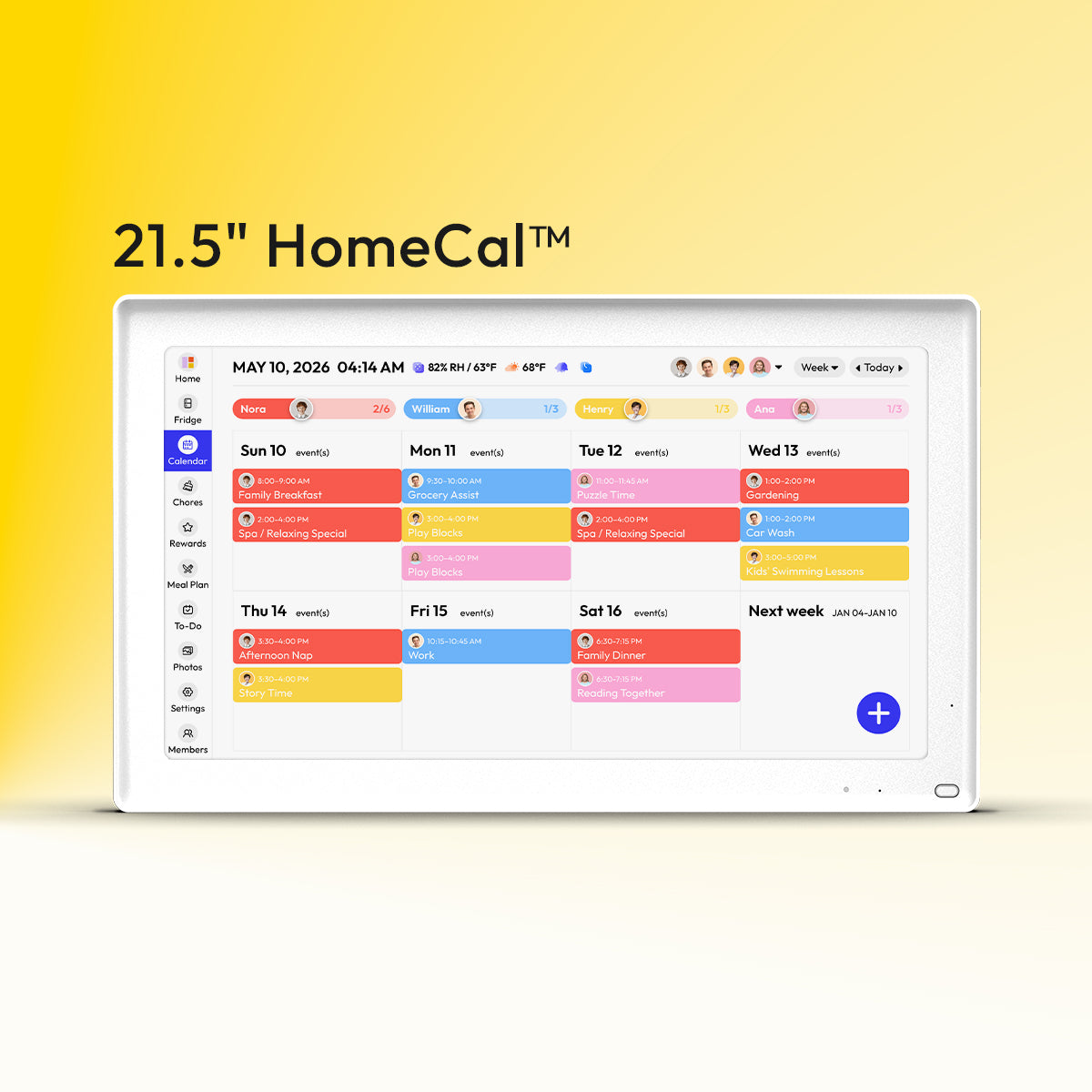
The digital calendar should hold anything that happens at a specific time. That includes appointments, school pickup, therapy visits, home care visits, medication timing, and family meetings.
Keep the entries simple. Use the event title to say what happens, who is involved, and where it starts. “Mom dentist 2:30 PM, aunt drives” is better than “appointment.” Clarity matters more than polish.
Use a visible home surface for the week’s reality
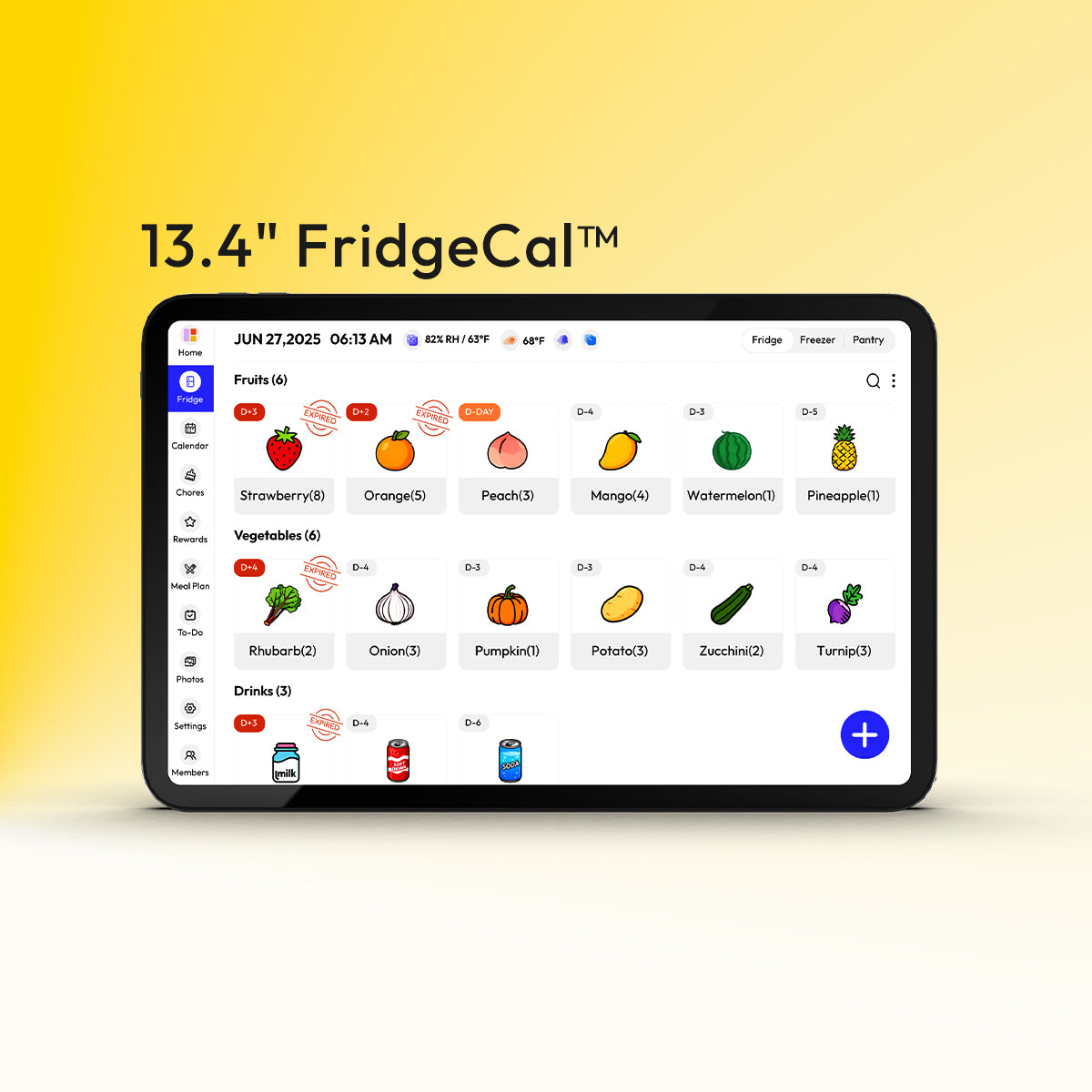
A fridge whiteboard, wall calendar, or command center works well for the week’s live picture. An optional wall-mounted digital calendar like the Everblog 21.5" Digital Calendar can serve the same purpose for families who want shared events, chores, and weekly plans visible in one place.
A visible surface is especially useful for kids, grandparents, babysitters, and anyone who will not check an app three times a day. It lowers friction. That is usually what keeps a system alive.
Use a task board for work that is not tied to a clock
Chores, refills, grocery runs, laundry, meal prep, and paperwork do not always belong on the calendar. They belong on a simple task board or shared list with a name next to each item.
The point is not to track every detail. The point is to make ownership clear. When a job has a person, a due date, and a place to see it, it stops disappearing into “someone should probably handle that.”
Decide What Belongs Where
The fastest way to simplify coordination is to stop putting every kind of information in the same place. Time-bound items go in the calendar. Repeatable work goes on the board. Fast changes go in messages.
Best place |
Put it there when... |
Example |
Digital calendar |
It happens at a specific time |
Tuesday 3:00 PM pediatric visit |
Visible home board |
It needs to be seen at home every day |
“Take trash out,” “Pack lunch,” “Pick up meds” |
Shared task list |
Someone needs ownership and a deadline |
“Order replacement inhaler by Friday” |
Text thread |
It is a same-day change or quick update |
“Running 15 minutes late” |
This split keeps the system from getting cluttered. It also makes it easier for different caregivers to use the same information without hunting for it in three places.
Keep messages short and purposeful
Text is good for alerts, not for storing the plan. If a message contains an important decision, move that decision into the calendar or task list right away.
A simple rule helps: if the message will matter tomorrow, it needs to live somewhere more permanent today. Otherwise someone will have to reconstruct the plan later.
Make Roles Clear Before the Week Starts
Family coordination goes smoother when people know what role they are playing. That is one reason a caregiver support organization recommends giving everyone a fair chance to speak, building an equitable task list, and writing the agreement down in a way the family can actually use.
Start with the real workload. List the tasks the loved one needs, then estimate the time, effort, and cost of each one before assigning it. A 20-minute grocery stop is very different from a two-hour doctor visit plus pharmacy pickup plus check-in call.

Assign by role, not by guilt
A role map is easier to maintain than a vague promise to “help more.” Try these labels:
- Appointment manager
- Driver
- Grocery shopper
- Meal planner
- Bill payer
- Backup contact
- Weekend visitor
People can take more than one role, but the role itself should be visible. That way no one is silently assuming someone else handled it.
Write down the handoff
A handoff note should be short enough to read in under a minute. Include the date, what changed, what still needs doing, and who has the next step.
For example: “Tuesday: Dad saw the cardiologist. New medication starts tonight. Pharmacy pickup needed by 5:00 PM. Sara will check insurance. Mike will pick up meds.” That is the kind of note that prevents duplicate work.
Keep Meals and Chores Visible Enough to Survive Busy Weeks
Meals are one of the first places family systems break. Everyone is hungry at different times, someone forgets to buy ingredients, and dinner becomes a nightly negotiation. Chores break in a similar way when they are assigned vaguely or expected to be remembered.
The fix is a weekly rhythm, not a perfect plan. Put groceries, meal ideas, and recurring chores on the same simple schedule every week so people know where to look.
Build a predictable weekly rhythm
A family rhythm might look like this:
- Sunday: meal plan and grocery order
- Monday: prep breakfast items and check school bags
- Wednesday: quick pantry and fridge review
- Friday: refill prescriptions, household supplies, and pet needs
- Saturday: laundry, trash, and next-week prep
This kind of rhythm works because it reduces decision fatigue. People do not have to reinvent the system every week. They just follow the pattern.
Make chores obvious, not abstract
“Help more around the house” is too broad to be useful. “Unload dishwasher after dinner” or “take out trash on Thursday night” is specific enough to act on.
A visible home system works best when each job has three things: the task, the person, and the day. If one of those pieces is missing, the chore usually drifts.
Make It Easy for Distant Helpers and Occasional Caregivers
Not every caregiver is in the house every day. Some people help from another city. Others show up once a week, or only when a parent is recovering from surgery. Those people can still carry real weight if the system is built for them.
Long-distance caregivers can help with finances, appointments, research, transportation planning, and respite, and they can stay connected through shared contact lists, shared calendars, texting, video calls, and email. The organization also notes that short visits work better when they are planned in advance with clear priorities, which is useful for adult children flying in for a weekend.

Give remote helpers concrete jobs
Remote help works best when it is specific. A person who lives out of state can manage insurance calls, compare assisted living options, or coordinate a future move. A local grandparent can handle pickup twice a month. A sibling can check the calendar every Sunday and fill open slots.
The more concrete the assignment, the less follow-up the main caregiver has to do. That matters because follow-up is often the part that wears people down.
Use a care team view when the job is shared
When several people are involved, a care team calendar can show who is doing what and where the gaps are. That matters even more when dementia or memory issues are part of the picture, because the schedule can change quickly and the caregiver workload can get heavy fast.
A shared view makes help easier to accept. It also makes it less likely that one person becomes the default for everything.
FAQ
Q: What should go in the family calendar versus the home command center?
A: Put time-specific events in the calendar, like appointments, pickups, and visits. Put daily reminders, chores, groceries, and meal plans on the command center so people can see them without opening a phone.
Q: How do I keep other caregivers from ignoring the system?
A: Make the system easier to use than texting around it. Keep entries short, assign clear owners, and use the same places every week. If people have to search for information, they will drift back to old habits.
Q: What is the best first step if our family has never used a shared system?
A: Start with one week only. Add appointments to one shared calendar, list chores on one visible board, and assign three or four recurring jobs. Do not try to fix every process at once.
Practical Next Steps
A simple setup is enough to make the next seven days easier. You do not need a full overhaul. You need one shared place for time, one visible place for weekly tasks, and one agreed way to hand work off.
Use this checklist to get started:
- Create one shared digital calendar for appointments, pickups, and time-sensitive care tasks.
- Add one visible home surface for meals, chores, and weekly reminders.
- List the recurring care jobs and assign a named owner for each one.
- Decide what belongs in text messages and what must be moved into the calendar or task board.
- Hold a 10-minute family check-in each week to confirm the next seven days.
- Write down backup contacts and one clear handoff note for any task that often gets missed.
The goal is not a perfect household. It is a system that makes help easier to give and easier to receive. When the plan is visible, busy families spend less time chasing details and more time actually taking care of one another.


