




Budget cuts like chuck roast, pork shoulder, chicken thighs, brisket, and beans can become rich, tender family dinners with low heat, enough moisture, and a plan for leftovers.
Is the dinner hour turning into a scramble between homework, sports practice, and one more “what’s for dinner?” text? A slow cooker meal plan can turn 20 to 30 minutes of morning prep into a warm, ready-to-serve meal at night, especially when you use tougher cuts built for long cooking. Here’s how to choose the right budget meat, build flavor without extra stress, and organize a week of meals your household can repeat.
Why Budget Cuts Belong in the Slow Cooker
Cheap meat is not automatically lesser meat. It often comes from hardworking parts of the animal, which means more connective tissue, more collagen, and more need for time. With low temperatures, slow cooking gradually softens tough fibers and turns cuts like chuck roast, brisket, skirt steak, short ribs, and oxtail into tender, deeply flavored meals.

That matters for family life because slow cooking rewards planning, not hovering. Once the ingredients are in, the cooker does the steady work while you handle pickups, work, errands, or the evening reset. The tradeoff is time: slow cookers are not ideal when you need dinner in 30 minutes, and delicate vegetables or lean meats can suffer if they cook all day without protection from liquid, fat, or careful timing.
A helpful way to think about this is simple: cuts that are cheaper because of toughness usually need low-and-slow cooking. Cuts that are cheaper because they are lean and thin, such as some steaks, may still work, but they need a shorter cooking window or careful slicing.
The Best Cheap Cuts for High-Flavor Meals
Chuck roast is a dependable family workhorse. It comes from the shoulder, carries enough fat and connective tissue to stay juicy, and becomes fork-tender after a long cook. It is ideal for pot roast, shredded beef tacos, beef ragu, and stew.
Pork shoulder is another budget-friendly staple. It turns tender and juicy over long cooking, making it useful for pulled pork sandwiches, rice bowls, baked potatoes, tacos, or soup. For households that like one main protein used several ways, pork shoulder gives you a lot of flexibility.
Chicken thighs are often more forgiving than chicken breasts because they have more fat and flavor. Budget slow cooker roundups regularly point to chicken thighs as a lower-cost, flavorful choice for weeknight meals. They work well in curry, salsa chicken, honey mustard chicken, chicken and rice, and tortilla soup.

Brisket, stew meat, top round, and skirt steak can all work, but they need the right recipe. Brisket is best when you want shreddable beef for sandwiches or tacos. Stew meat needs moisture and time. Top round can become tender in a slow cooker even though it may be less tender on the grill. Skirt steak is flavorful but lean, so it benefits from sauces and slicing across the grain.
Ground beef is convenient, but it is not always a true dump-and-go protein. For better texture and less grease, browning ground beef first is often worth the extra pan. If you skip browning, use the leanest option your budget allows and choose recipes where the sauce can absorb the meat’s texture, such as chili or taco rice.
A Five-Dinner Budget Slow Cooker Meal Plan
The calmest meal plan is not the one with the most recipes. It is the one that reduces decisions, repeats ingredients intelligently, and leaves room for real life. A practical slow cooker planning structure includes weekly menus, grocery lists, leftovers, and freezer-friendly meals, which is exactly what families need when the week gets crowded.
Here is a practical five-dinner plan built around budget cuts and repeatable prep.
Night |
Main Meal |
Budget Cut or Protein |
Family-Organization Tip |
Monday |
Chuck roast with potatoes and carrots |
Chuck roast |
Shred extra beef before storing so it is ready for tacos |
Tuesday |
Salsa chicken rice bowls |
Chicken thighs |
Set out toppings buffet-style so everyone customizes dinner |
Wednesday |
Pork shoulder sandwiches |
Pork shoulder |
Save half the pork for baked potatoes or soup |
Thursday |
Beef and bean chili |
Ground beef or stew meat with beans |
Freeze one container before serving to protect leftovers |
Friday |
Slow cooker beef and broccoli |
Flank, skirt, or top sirloin |
Add broccoli near the end so it stays crisp-tender |
A simple calculation helps the plan feel less abstract. If a $15.00 chuck roast gives your family dinner on Monday and enough shredded beef for Tuesday lunch or a freezer taco night, that one purchase can cover two eating moments. Pairing meat with potatoes, rice, beans, pasta, or vegetables stretches the protein without making the meal feel thin.
How to Build Big Flavor Without Spending More
Flavor in a slow cooker comes from layering, not from buying expensive ingredients. Salt, garlic, onion, tomato paste, broth, vinegar, soy sauce, salsa, dried herbs, and a small amount of bacon or sausage can change the whole dish. A classic beef bourguignon-style meal uses bacon, garlic, tomato paste, wine or broth, mushrooms, carrots, and herbs to make chuck beef taste special without relying on a premium cut.

Browning meat is the main decision point. It adds color, crust, and deeper flavor, especially for beef stew, pot roast, bourguignon-style beef, and pork shoulder. The downside is obvious: it takes time and dirties a skillet. On school mornings, you can skip browning for salsa chicken, soups, chili, or very saucy meals. For a Sunday prep session, browning is worth it when the recipe is beef-forward.
Acid is another low-cost flavor tool. A splash of vinegar, a squeeze of lime, tomato paste, salsa, or a spoonful of mustard can brighten a rich slow cooker meal. Add fresh herbs, lemon, or delicate greens near the end rather than at the beginning, because long cooking can dull their flavor and texture.
Safety and Texture Rules That Protect Dinner
Slow cooker cooking feels forgiving, but a few rules matter. Meat should be thawed before it goes into the slow cooker, and the lid should stay on as much as possible because lifting it releases heat and can extend cooking time. For food safety, chicken should reach 165°F, beef roasts should reach at least 145°F, and reheated leftovers should reach 165°F.
Leftovers need the same calm system as the main meal. Pack them within two hours, label the container with the meal name and date, and refrigerate or freeze based on when you will use them. Slow cooker beef bourguignon leftovers can be refrigerated for up to 4 days or frozen for up to 3 months, which is a useful pattern for many stew-like meals when stored airtight.
Texture is where many slow cooker meals succeed or fail. Add sturdy vegetables like potatoes, carrots, onions, and parsnips at the beginning. Add broccoli, peas, spinach, kale, and fresh herbs near the end. In slow cooker beef and broccoli, adding broccoli during the final 30 minutes helps avoid watery, mushy vegetables.
Pros and Cons of a Budget Slow Cooker Meal Plan
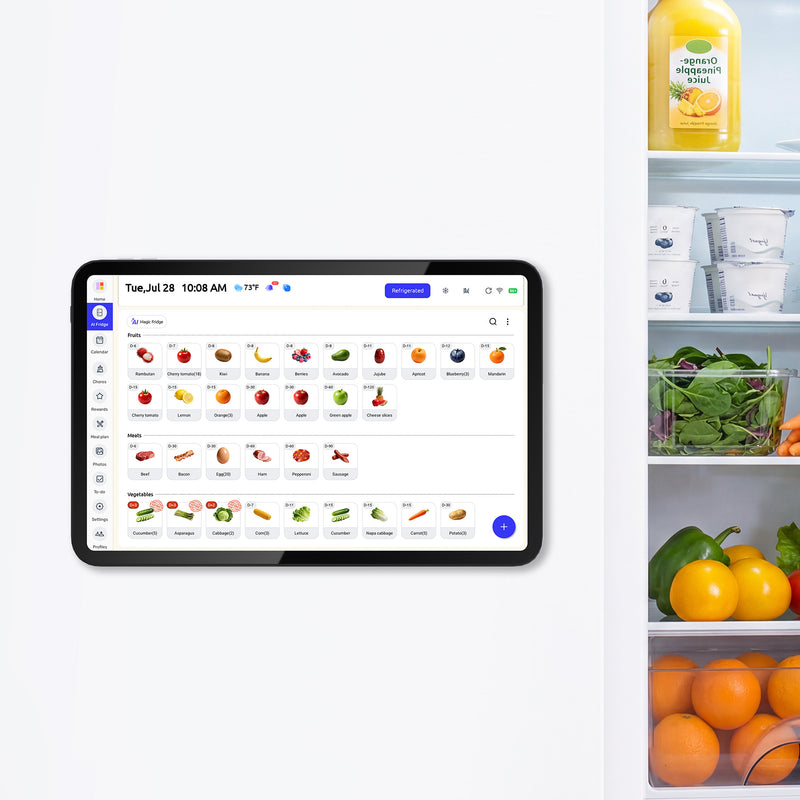
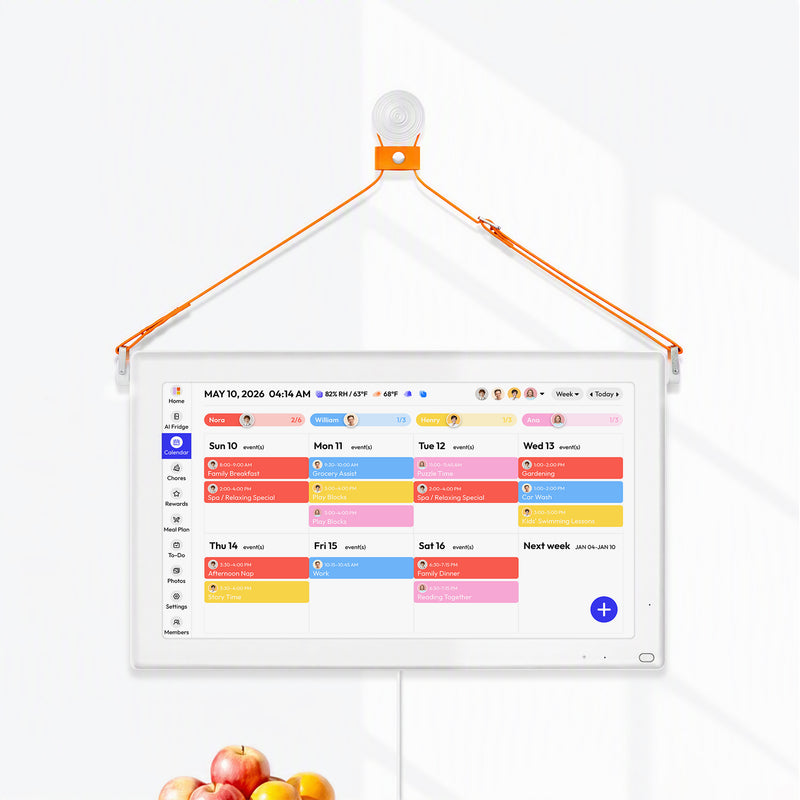
The biggest advantage is lower decision fatigue. When the plan is already on the fridge calendar or family command center, dinner stops being a daily negotiation. Slow cooker meals also help reduce takeout spending, support batch cooking, and make leftovers feel intentional instead of accidental.
The second advantage is tenderness. Tough cuts that might be frustrating on the grill become soft and satisfying after hours in broth, sauce, or cooking juices. This is why pot roast recipes remain so popular; one slow cooker pot roast has more than 7,000 five-star reviews, showing how strongly home cooks respond to low-effort tenderness.

The drawbacks are timing and sameness. Too many slow cooker meals in a row can start to feel soft, saucy, and similar. Balance the week with crunchy sides, fresh salads, toasted rolls, pickled onions, raw slaw, or roasted vegetables. A slow cooker handles the main dish beautifully, but the table still benefits from contrast.
A Simple Prep Rhythm for Busy Families
The easiest rhythm is to prep twice: once before the week starts and once midweek. On Sunday, trim meat, chop sturdy vegetables, mix sauces, and label freezer bags if you like dump-and-go meals. Prepared “dump bags” are raw ingredients assembled ahead and frozen or refrigerated until they are ready for the slow cooker, which can be especially helpful when mornings are rushed.
On Wednesday night, reset the plan. Move one freezer meal to the refrigerator to thaw, check whether leftovers need to become lunch, and add any missing staples to the grocery list. If you use a smart fridge calendar or family organization board, assign dinner ownership clearly: one person starts the slow cooker, one person sets out toppings or sides, and one person packs leftovers.
This is not about making dinner perfect. It is about making dinner predictable enough that everyone can come to the table with a little less tension.
FAQ
Can I put frozen meat straight into the slow cooker?
It is better to thaw meat first. Slow cookers warm gradually, and thawed meat reaches safe cooking temperatures more reliably. Move freezer meals to the refrigerator the night before so the morning routine stays simple.
How much liquid should I add?
Use enough liquid to keep the meat moist and support the sauce, but do not drown the dish unless you are making soup or stew. Meat and vegetables release liquid as they cook, so a roast may need only broth, sauce, or tomatoes around the base rather than being fully submerged.
What is the cheapest way to make slow cooker meat stretch?
Pair meat with beans, rice, potatoes, pasta, lentils, or vegetables. A pound of meat can feel like a full family dinner when it becomes chili, taco rice, stew, soup, or a baked potato topping.
A budget slow cooker meal plan works because it respects both the grocery bill and the family calendar. Choose tougher cuts, give them time, build flavor with pantry staples, and plan leftovers before they happen. Dinner becomes less of a nightly emergency and more of a steady household rhythm.


