


Sock matching turns laundry into a calm, toddler-sized learning game that builds matching, language, fine motor skills, and early responsibility.
Is your toddler eager to “help” with laundry, only to get lost in a mountain of clean clothes after 30 seconds? A sock game can be set up in about three minutes, kept to a manageable handful of pairs, and used right away to make helping feel successful. Here is how to turn one ordinary basket into a peaceful first chore your child can practice.
Why Sock Matching Works So Well for Toddlers
Toddlers learn best when an activity is real, hands-on, and short enough to finish before frustration takes over. Socks are ideal because they are soft, safe, familiar, and easy to compare by color, pattern, size, and texture. A child does not need to understand “laundry systems” to notice that two blue socks look alike.

A sock matching game is a simple practical-life activity where a child finds two socks that belong together. For a toddler, the goal is not perfect folding or speed. The goal is comparison: “same,” “different,” “big,” “small,” “striped,” “fuzzy,” “Dad’s,” or “mine.” Early childhood resources describe sock sorting as a way to practice sorting, counting, sensory exploration, and language through an everyday household routine.
In real family life, this matters because laundry is one of the first chores children naturally want to join. They see it every week, they can touch the materials, and the task has a visible finish. When a toddler places a matched pair in a small basket, they get a quiet experience of contribution: “I helped our family.”
The Developmental Benefits Hidden in One Sock Pile
Sock matching looks simple, but it asks a toddler to coordinate several useful skills at once. They scan for visual details, remember what they are looking for, use both hands to pick up and compare socks, and decide where a finished pair belongs. An early learning description of a sock-matching game connects the activity with color and pattern recognition, sorting, memory, concentration, fine motor development, problem-solving, and independence.
For a 2-year-old, this might look like finding two red socks from a group of four. For a 3-year-old, it might mean matching stripes, dots, and animal prints. For a preschooler, it can become a short race against a timer or a “family delivery” game where each pair goes into the right person’s basket.
The strongest benefit is not that your child will suddenly manage laundry alone. It is that they begin to see household work as something shared, predictable, and emotionally safe. That is a small but meaningful foundation for smoother mornings, calmer evenings, and less resentment around chores later.

How to Set Up the Sock Matching Game
Start smaller than you think. A full clean-laundry basket creates too much visual noise for most toddlers. One toddler activity uses eight matching pairs and painter’s tape to create a simple matching area, with a clear destination for completed pairs. That is a helpful upper limit for many young children, not a starting requirement.
For a first attempt, choose three or four pairs with obvious differences. A white pair, a black pair, a striped pair, and a bright-colored pair are easier than six pairs of nearly identical ankle socks. Place the socks on the floor or table with enough space between them so the child can see each one clearly. Then model one match slowly: “This sock has green stripes. I’m looking for the other green-stripe sock.”

After that, let your child try. If they grab the wrong one, avoid turning it into a quiz. Try, “That one is blue. This one has green stripes. Let’s look again.” The tone matters. Calm correction keeps the activity connected instead of tense.
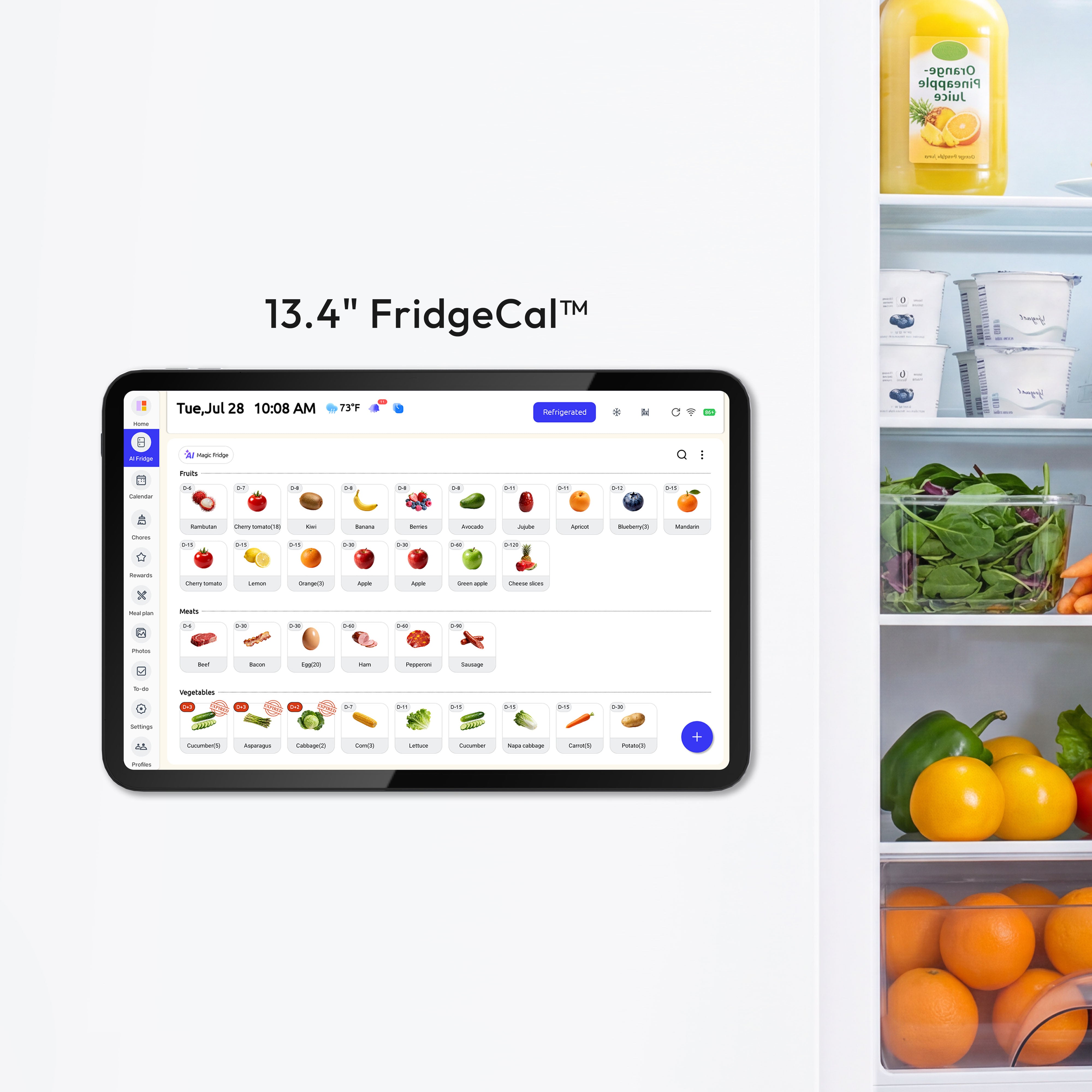
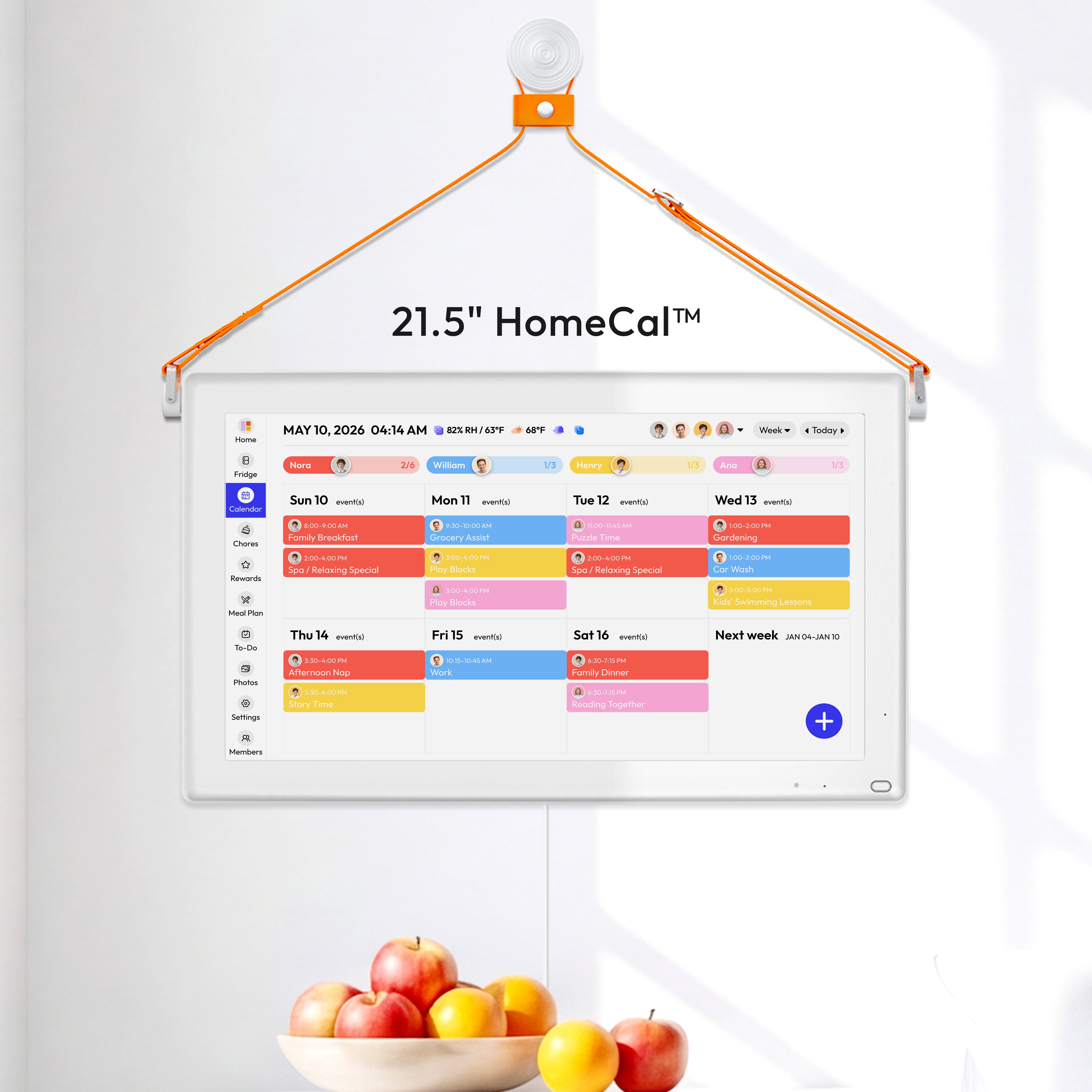
A practical family rhythm is to make sock matching the final five minutes of folding time. You fold towels or shirts nearby while your toddler handles a tiny “job basket.” If you use a smart digital fridge calendar or shared family display, add a simple recurring cue like “Laundry helper time” after dinner on two predictable days. The goal is not a packed schedule; it is a visible routine that reduces decision fatigue.
Age-by-Age Adjustments
A baby or young toddler can explore socks without matching them. Caregiver resources suggest that children as young as 6 months can use varied socks for sensory exploration, with adults naming textures and colors. For this age, the “game” is touching, squeezing, pulling apart, and hearing words like soft, stretchy, fuzzy, and tiny.
Around age 2, matching can begin with strong visual contrasts. Use only two or three pairs and celebrate noticing. You can ask, “Which one looks like this?” rather than “Can you match all of these?” The difference is subtle, but it lowers pressure.
By ages 3 to 5, many children can sort by color, pattern, or size with light support. They may enjoy counting pairs, matching family members’ socks, or racing gently against a five-minute timer. A child-height line, clothespins, and small cloth items add another practical-life layer by supporting fine-motor development through squeezing, wringing, and hanging.
Child’s Stage |
Best Sock Task |
Parent Role |
Baby to 24 months |
Touch, squeeze, and explore sock textures |
Name colors, textures, and owners |
Around 2 years |
Match two to four obvious pairs |
Model one pair, then prompt gently |
Ages 3 to 5 |
Sort by color, pattern, size, or family member |
Add counting, delivery baskets, or a short timer |
Preschool and up |
Pair, fold, and put away simple socks |
Teach the cuff fold only when finger strength is ready |
Pros and Cons of Using Laundry as a Learning Game
The biggest advantage is that the activity uses something already in your home. You do not need a workbook, a subscription, or a special toy. Sock matching also connects learning to a real family need, which helps children understand why the skill matters.
Another advantage is flexibility. On a busy weekday, the game can be three pairs on the kitchen floor. On a slow Saturday, it can become a pretend laundromat with a basket, clothespins, and a child-height clothesline. Educational resources also show how laundry-themed activities can support life skills practice, including task analysis and visual prompts for children who benefit from structured support, but real socks are often enough for home use.
The main drawback is that laundry piles can overwhelm toddlers quickly. Too many socks, too many similar colors, or an adult rushing the task can turn the game into conflict. Another common challenge is the cuff fold. Many young children can identify a pair before they can physically fold one sock over both cuffs. That is normal. Matching and securing are separate skills.
Making It Fit Your Family Laundry System
Sock matching works best when it sits inside a simple laundry routine. Some families prefer daily laundry because smaller loads prevent pileups. Others prefer weekly laundry because one focused block is easier to protect. A family laundry system built around a sorting home base can reduce clutter by giving dirty clothes, hangers, clean laundry, and sorted loads a predictable place to go.
For toddlers, the easiest system is a small basket that belongs to them. During folding time, place only their socks or a few mixed family socks inside it. If your family sorts laundry by person, matching becomes easier because each child’s socks stay together. If your family washes everything together, keep the toddler task limited to the most obvious pairs.

A digital fridge calendar can help because laundry is rarely just about clothes. It competes with dinner, baths, homework, sports, and bedtime. A visible kitchen calendar works well for reminders like “Start towels after breakfast” or “Kids put away baskets after dinner.” The best household systems do not rely on one parent remembering every tiny step.
When to Teach Folding, Rolling, or Putting Away
Do not rush the cuff fold. Pairing socks has two parts: finding the match and securing the pair. The first is a visual thinking skill. The second takes finger strength and bilateral coordination. If your toddler can match but cannot fold, let them stack the two socks together or place matched pairs into cups, baskets, or labeled drawers.
When they seem ready, demonstrate slowly. Lay one sock on top of the other, hold both cuffs, and fold the top cuff over once. If that causes frustration, switch to “sock sandwiches,” where the child simply stacks pairs flat. The household still gets help, and the child still practices order.
Putting away can come before perfect folding. A toddler can carry a small basket to a low drawer and drop in socks. That may not look picture-perfect, but it builds ownership. For young children, participation matters more than drawer aesthetics.
A Calm Script for Laundry Time
Keep your words short and warm. Try, “Find the sock that looks like this one.” Then, “Yes, both have blue stripes.” Then, “Put the pair in your basket.” This sequence gives the child a clear beginning, middle, and end.
If they lose interest, stop before the mood turns. A two-minute successful chore is better than a 10-minute power struggle. You can say, “You matched two pairs today. We’ll do more next laundry day.” That kind of ending protects the routine.
Frequently Asked Questions
How many socks should I start with?
Start with two or three pairs if your child is new to matching. Move up to six or eight pairs only when they can finish without getting overwhelmed.
Should I use real socks or printable sock cards?
Real socks are best for toddlers because they add texture, movement, and a genuine household connection. Printable cards can be useful for quiet play, travel, or older preschoolers who enjoy table activities.
What if my toddler mismatches socks on purpose?
That is often exploration, not defiance. Name what they did and bring it back gently: “That is a silly pair. This one has dots, and this one has stripes. Let’s find the dot sock.”
Is this really a chore?
For a toddler, it is a learning game with a helpful outcome. Over time, it becomes part of shared household responsibility.
A sock matching game will not solve all the laundry, and it does not need to. It gives your toddler a real way to join the rhythm of the home, one small pair at a time, while you build a calmer routine the whole family can see and share.


