






A large household can stay ahead of 7+ weekly loads by using a fixed 5-6 day rotation, pre-sorted hampers, and a same-day fold-and-return rule.
Do clean clothes keep ending up in baskets while new dirty piles grow in bedrooms and bathrooms? In high-volume homes, a one-load-per-day rhythm plus weekly sheet and towel anchors can prevent weekend overload and keep turnaround predictable. You’ll leave with a practical schedule template, category rules, and a rollout plan you can start this week.
Design Your Weekly Laundry Operating Model
Choose a Weekly Cadence
A daily-plus-weekly cleaning rhythm that includes one laundry load per day is usually more sustainable than a weekend marathon when your home runs 7+ loads per week. Treat this as capacity planning: assign fixed days for either people or categories, then reserve one catch-up slot so delayed loads do not spill into next week.
A seven-step laundry workflow gets easier when the week is pre-decided instead of re-decided every night. For an 8-person home running about 9 loads, a practical baseline is shown below.
Day |
Primary focus |
Typical loads |
Monday |
Parents + uniforms/workwear |
1-2 |
Tuesday |
Older kids |
1-2 |
Wednesday |
Younger kids |
1-2 |
Thursday |
Towels + cleaning cloths |
1-2 |
Friday |
Bedding |
1-2 |
Saturday |
Delicates/heavy items |
1 |
Sunday |
Catch-up or skip if clear |
0-1 |

Build a Sorting System That Removes Decision Fatigue
Design Hampers and Bins
Because laundering is a pathogen-control process, pre-sorting is both a time saver and a hygiene control. Keep dirty laundry in room-level hampers until wash day, and avoid one giant mixed pile that needs to be handled multiple times.
Sorting by color, fabric, soil level, and size at the hamper stage removes most day-of-wash decisions. A practical setup is one hamper per person plus three shared bins labeled Delicates, Everyday, and Heavy, with mesh bags for socks, underwear, baby items, and other small pieces that are easy to lose.

Set Hygiene Rules by Load Type
Use Temperature, Chemistry, and Mechanics Together
The strongest single lever for microbial reduction is wash temperature, and higher temperatures generally improve inactivation versus cold cycles. When you wash cold to protect fabric, offset that by using the right detergent dose and bleach-safe boosters where appropriate.
A weekly split for sheets and towels keeps high-contact textiles from slipping past their hygiene window, especially in larger families. The key is to define category rules once, then run them repeatedly.
Load type |
Baseline frequency |
Default approach |
Non-negotiable rule |
Everyday clothes |
4-5 days/week |
Cool to warm, normal soil |
Full but not overloaded drum |
Towels |
Every 3-4 days |
Warm/hot, higher soil setting |
Do not let damp towels sit |
Sheets |
1 day/week |
Warm/hot, full rinse |
Keep one backup sheet set |
Delicates |
1-2 loads/week |
Cool, gentle, mesh bags |
Separate from heavy fabrics |
Cleaning cloths/rags |
Every 1-2 days |
Hot cycle, separate load |
Never combine with clothing |
Run a Throughput Loop That Closes Every Load
Close Each Load the Same Day
A prompt dry-and-fold workflow is what prevents clean piles from turning into wrinkles, clutter, and rewash cycles. Use a fixed loop: wash in the morning, transfer before dinner, fold that evening, and return items before the next day starts.

Treat laundry as part of a daily home-maintenance routine so responsibilities are shared instead of concentrated on one person. Age-based roles are reliable: young kids put clothes in hampers, school-age kids sort and match socks, and older kids load, measure detergent, and fold simple items.
Prevent Common Failure Points With a 14-Day Rollout
Fix Bottlenecks Early
When soiled textiles can carry high contamination levels, small process failures compound quickly in big households. The most common breakdowns are overloaded machines, wet loads left overnight, mixed hampers, and no catch-up day.

A simple machine-care cadence helps keep throughput stable: weekly washer maintenance and a deeper monthly clean. Roll out in two phases: Days 1-3 set up hampers/bins, Days 4-7 run the first full rotation, Week 2 track missed loads and adjust one variable at a time (day assignment, bin labels, or fold deadline).
Practical Next Steps
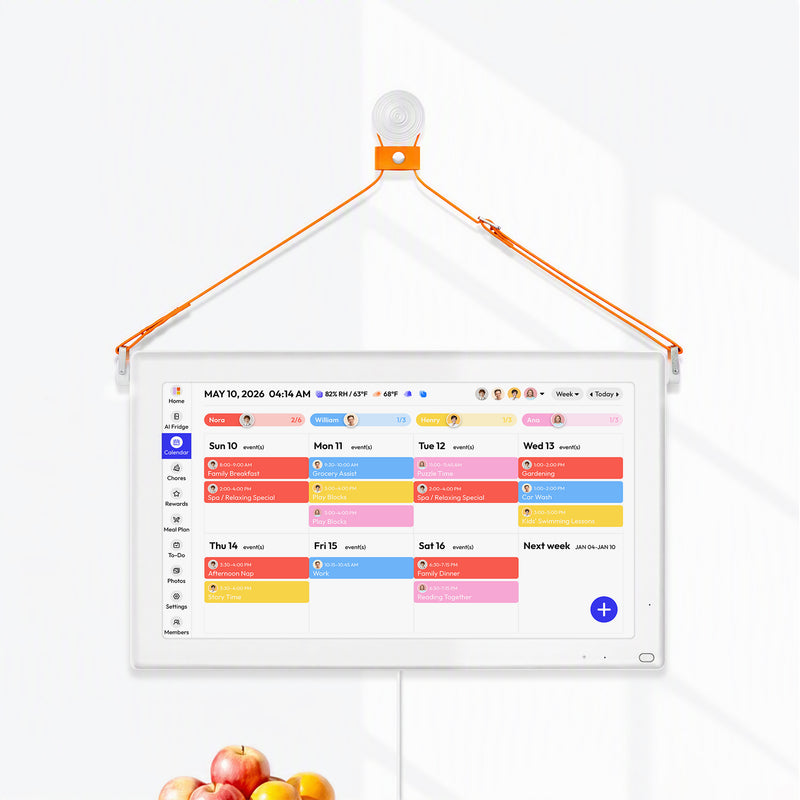
A spread-across-the-week task plan works best when rules are visible and simple enough to repeat during busy weeks.
- Count your real weekly volume for 2 weeks and set a target cadence (5-6 days or fixed category days).
- Install your hamper layout: one per person plus Delicates, Everyday, and Heavy.
- Post your weekly schedule in the laundry room and kitchen.
- Define category rules once (frequency, temperature range, who handles each step).
- Enforce the same-day closure rule: no clean laundry sleeps in baskets.
- Review every Sunday for 10 minutes and adjust only one bottleneck each week.
Important Note
The planning templates and organizational systems provided here are intended as adaptable blueprints. Every family’s needs, dietary requirements, and physical capabilities are different. We recommend tailoring these schedules to your specific health needs and household dynamics. Results from productivity or meal-planning systems may vary, and consistency remains the responsibility of the individual user.
References


