




Cucumbers turn mushy when cold damage, condensation, and ethylene speed up breakdown. A few storage changes keep them crisper longer and make them easier to use before they spoil.
Have you ever opened the fridge to make a quick salad or pack lunches, only to find last week’s cucumber slick on the outside and watery in the middle? Simple storage changes have stretched cucumber life from roughly a week to well over two weeks in home testing, and the same fixes also make busy family fridges easier to manage. Here is why cucumbers soften, where they belong, and the easiest routine for keeping them crisp.
Why Cucumbers Turn Mushy
Too Cold for Too Long
The biggest reason cucumbers go soft is chilling injury at typical refrigerator temperatures. Cucumbers hold a lot of water, which is why they feel so refreshing, but that same structure makes them vulnerable when they sit for days in the 37°F to 40°F range common in many refrigerators. The damage shows up as soft spots, sunken areas, sliminess, and a weak, watery bite. That is why a cucumber can look mostly normal at first and still feel mushy once you cut into it.

Too Much Moisture, Not Enough Airflow
Excess surface moisture and condensation speed sliminess. In busy family kitchens, this often starts when produce is rinsed and put away damp, or when a cucumber moves from the fridge to the counter and back again and starts to sweat. Water sitting on the skin encourages faster breakdown, especially if the cucumber is sealed in a way that traps droplets against it. Keeping it dry is not a fussy extra step. It is one of the main things that protects texture.
Cucumbers are also especially sensitive to nearby ethylene gas. Produce such as apples, avocados, melons, and tomatoes releases ethylene as it ripens. When cucumbers share a drawer or bin with those foods, softening and decay can speed up. In crowded refrigerators, this is a common hidden problem because sandwich tomatoes, snack fruit, and cucumbers often end up stored together for convenience.
Where Cucumbers Should Actually Go
Shelf, Drawer, or Door?
The coldest spots in most refrigerators sit near the back and around vents. That makes the icy back wall the worst place for cucumbers, especially in a packed fridge where items get shoved behind leftovers and drink containers. In crowded family fridges, the same pattern shows up again and again: produce that disappears into the coldest, least visible corner is the produce that comes back out watery, bruised, or forgotten.

There is a useful nuance here, because one storage comparison found the longest shelf life, while other guidance points to the warmest part of the fridge, often near the front. Those recommendations are not as contradictory as they sound. One approach aims for maximum lifespan under controlled conditions, while the warmer-placement advice is meant to reduce cold injury in home refrigerators that run unevenly or get very cold near vents. In practice, the safest middle ground is the front of an upper or middle shelf, away from the back wall, away from vents, and away from the door’s constant temperature swings.
Storage setup |
Why it helps |
Watch out for |
Unwrapped on a shelf or in the door |
Easy to grab for quick meals |
Loses moisture fast and usually softens sooner |
Helps absorb condensation and reduce slime |
If the towel stays damp, it needs replacing |
|
Wrapped in a paper towel inside a zip-top bag, kept away from cold spots |
Balances moisture control with protection from dehydration |
An overstuffed fridge can still cause sweating and bruising |
How to Keep Whole Cucumbers Crisp Longer
A Practical Home Method
Wrapping a dry cucumber in a paper towel and placing it in a zip-top bag is a practical home method. The towel absorbs moisture that would otherwise sit on the skin, while the bag helps prevent dehydration. If your refrigerator tends to run cold, keep the bag toward the front and avoid sealing the cucumber into a damp pocket at the back. If your household opens the fridge constantly for drinks, yogurt, and lunch items, stability matters even more. A cucumber that stays in one protected spot usually fares better than one that gets moved around all day.
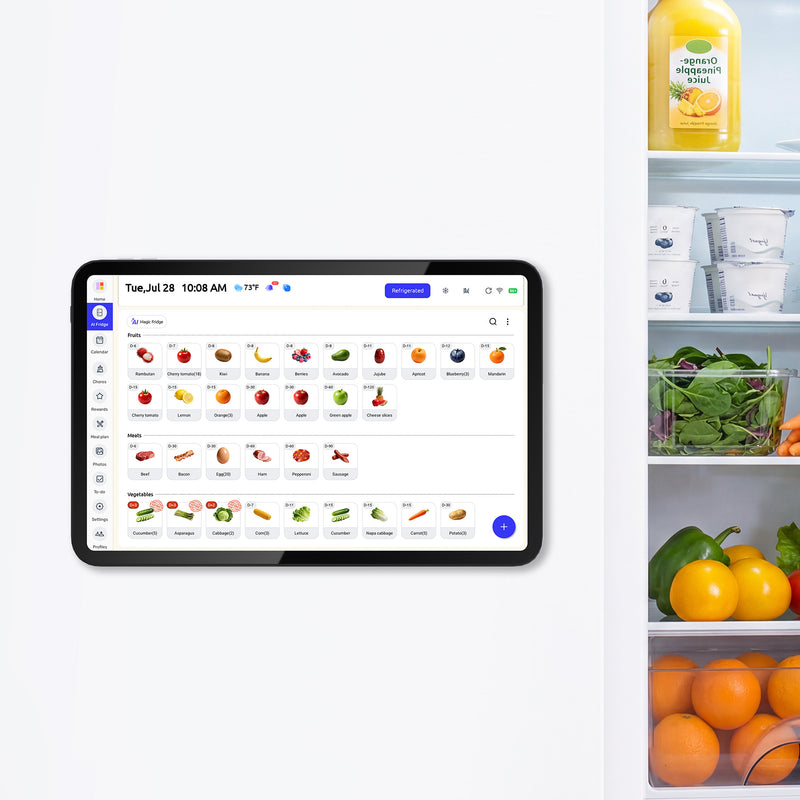
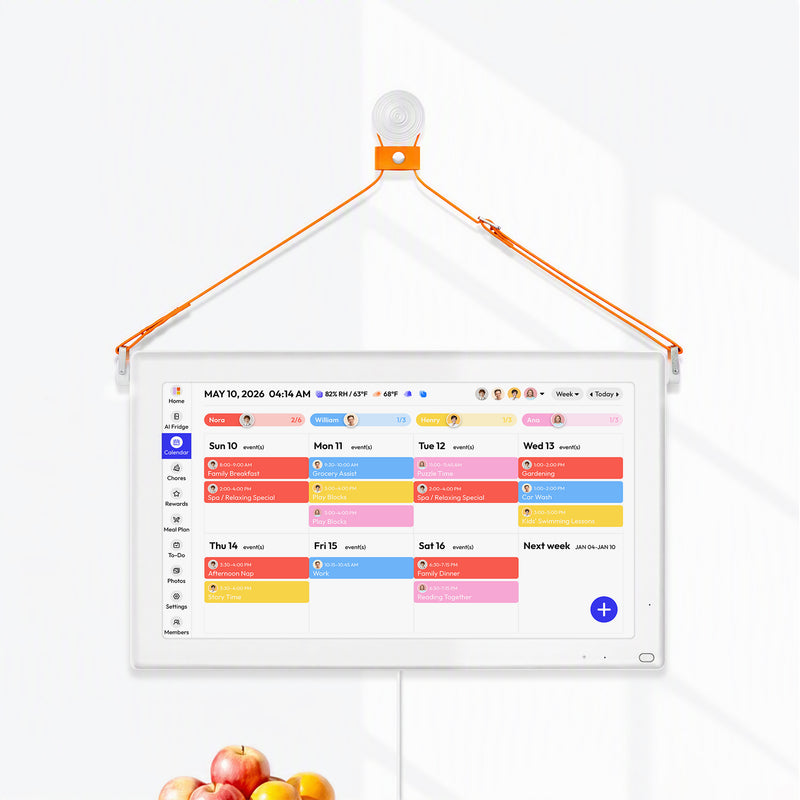
Properly stored whole cucumbers often keep longer than a week. That means the best family system is not just about storage tools. It is also about timing and visibility. If groceries come in on Sunday, cucumbers should land where they are easy to reach for Monday-through-Thursday lunches and dinners, not buried under bulk items for a maybe-someday salad. A short reminder on a digital fridge display or shared family calendar, such as “use cucumbers by Thursday,” is often more effective than buying another organizer.

Kitchen organization reduces waste when foods are visible. For a busy home, that translates into giving cucumbers one consistent spot that everyone recognizes. The goal is not a perfect-looking refrigerator. The goal is that nobody stores cucumbers beside apples, nobody wedges them against the vent, and nobody rediscovers them after the next grocery trip.
What to Do With Cut Cucumbers
The Clock Gets Shorter After Slicing
Cut cucumbers spoil faster and should be used quickly. Once the protective skin is broken, water escapes faster and the exposed side turns wet and soft much sooner. For a half cucumber, cover the cut end tightly and keep the rest dry. For slices, a shallow airtight container lined with a dry paper towel works well for lunch prep, but quality is best within a day or two.
There is some disagreement on the best short-term setup for sliced cucumbers. Some advice suggests a water-filled container can work for slices, while other guidance favors keeping cut pieces dry and protected. The difference likely comes down to whether the goal is short holding for crisp slices or simpler day-to-day storage in a busy refrigerator. For most families, the least stressful rule is to cut only what you need and plan the rest for the next meal soon.
When to Rescue Them and When to Toss Them
A cucumber that is mushy, slimy, or sour-smelling should be discarded. That is different from a cucumber that is merely a little limp. Slightly softened cucumbers can still work in quick pickles, chilled soups, infused water, or blended sauces. Fully mushy cucumbers belong in compost or the food waste bin, not in your salad bowl.
If only one end is damaged, trim generously and use the rest the same day after checking texture and smell carefully. If the whole cucumber feels puffy, wet, or sour, trust that signal and move on. Protecting dinner from one questionable ingredient is always the calmer choice.
A Low-Stress Family Routine That Works
Cucumber storage works best when temperature, moisture, and timing all work together. Buy firm cucumbers, dry them well, wrap them, keep them away from apples and tomatoes, and give them a stable home toward the front of the fridge. That small routine lowers waste, makes weekday meals easier, and spares you the unpleasant surprise of finding mush where crispness should be.
A steady fridge system does not need to be fancy to feel peaceful. When each cucumber has a clear place and a short plan for when it will be used, dinner prep gets easier, lunch packing gets faster, and one more small part of family life runs with less friction.


