



Potatoes sprout faster when warmth, light, time, and poor airflow break dormancy. Storing them in a cool, dark, ventilated spot away from onions helps them last longer and stay safer to cook.
Opened the pantry and found little antennae growing from the potatoes you planned for dinner? A simple move to a cool, dark, ventilated spot away from onions can turn a stressful weeknight discovery into a predictable kitchen routine. Here’s how to slow sprouting, know what’s still safe to cook, and set up storage your family can actually maintain.
Why Potatoes Sprout
A potato is not just a pantry ingredient; it is a living tuber. After harvest, it continues to respire, lose moisture, and move through a natural dormancy period. When that dormancy fades, the eyes on the potato begin to grow into sprouts, especially if the potato is sitting in a warm kitchen, exposed to light, or sealed in a damp bag.
Temperature is the biggest everyday trigger. The University of Arkansas Extension notes that temperature, light, humidity, and airflow all affect sprouting and spoilage, with typical home temperatures encouraging water loss, softening, and sprouting. That is why potatoes often look fine when you buy them, then begin sprouting a week later beside the stove, dishwasher, or sunny counter.
Light adds another problem. Light can cause greening, and green areas may signal elevated solanine, a bitter natural compound you do not want in a family meal. Oregon State University Extension explains that greening is caused by light exposure, and heavily green potatoes should be discarded.
Why Onions and Potatoes Do Not Belong Together
Potatoes and onions feel like natural partners because they end up in the same soups, skillets, and Sunday roasts. In storage, they are poor roommates. Onions can create conditions that push potatoes toward sprouting and spoilage faster than they would on their own.
The practical rule is simple: cook them together, store them apart. Michigan State University Extension recommends storing potatoes in a cool, dark, well-ventilated place and choosing firm potatoes without sprouts or a green tinge. That same storage setup does not match onions perfectly, because onions prefer drier, well-ventilated conditions and can tolerate different household spots.
Distance matters more than perfection. In a busy home, you may not have a root cellar or a large pantry. A workable setup is potatoes in a paper bag or ventilated box in the coolest dark cabinet, with onions in a separate basket across the pantry, on another shelf, or in another cabinet entirely. If your pantry is tiny, even creating airflow and several feet of separation is better than piling both into one bin.
Food |
Best Storage Style |
Why Separation Helps |
Potatoes |
Cool, dark, slightly humid but ventilated |
Slows sprouting, greening, shriveling, and rot |
Onions |
Dry, ventilated, separate from potatoes |
Reduces moisture conflict and gas exposure |
Garlic |
Similar to onions |
Usually stores better with onions than with potatoes |

The Best Place to Store Potatoes at Home
The ideal potato spot is cool, dark, and ventilated, but not freezing. Oregon State University Extension recommends storing potatoes around 40°F to 46°F and avoiding overly warm storage because higher temperatures increase decay, sprouting, and shriveling. Michigan State University Extension gives a similar home-friendly range of 45°F to 50°F, where properly stored potatoes can stay fresh for up to one month.
For most families, that means looking beyond the obvious kitchen counter. Try a basement shelf, a cool interior closet, an insulated garage during mild weather, or a low cupboard away from the oven. A pantry beside a refrigerator motor, dishwasher, or sunny window is often warmer than it feels at a glance.
Ventilation is just as important as coolness. North Carolina State Extension recommends boxes or plastic bags with vent holes because potatoes need airflow during storage and packing. A paper bag, mesh bag, cardboard box, wooden crate, or perforated produce bag usually works better than a sealed plastic bag.

Should Potatoes Go in the Refrigerator?
For whole raw potatoes, the refrigerator is usually not the best long-term answer. Cold temperatures can change potato starches into sugars, which may make potatoes taste sweeter and brown too darkly when fried or roasted. Oregon State University Extension advises avoiding storage below 38°F because cold-induced sugar buildup can affect flavor and cooking quality.
That does not mean one short stay in the refrigerator ruins dinner. If your kitchen is hot and you need to hold potatoes briefly, refrigeration may prevent rapid spoilage, but it is still a compromise. For everyday use, the better routine is to buy amounts you can use within a realistic window, then keep whole raw potatoes in the coolest dark spot you have.
Cut potatoes are different. Once peeled or cut, they should be treated like prepared food, covered with water, refrigerated, and used soon. Cooked potato dishes belong in the refrigerator as leftovers, not in pantry storage.
Are Sprouted Potatoes Safe to Eat?
A few small sprouts do not automatically mean the potato is trash. If the potato is still firm, smells earthy, and has no green patches, mold, leaking moisture, or deep softness, you can usually cut out the sprouts and eyes generously before cooking. The calmer approach is not to panic, but to inspect.
Michigan State University Extension recommends discarding potatoes that are shriveled, green, or heavily sprouted. That distinction matters. A firm potato with tiny nubs is different from a wrinkled potato covered in long shoots. If the potato feels spongy, smells sour, or has green flesh beyond a thin peelable area, it has moved out of dinner territory.

A helpful household rule is to sort potatoes once a week on grocery day. Firm potatoes stay in storage, lightly sprouted potatoes move to the front of the meal plan, damaged potatoes get used first if still sound, and soft or green potatoes leave the kitchen.
The Apple Trick: Helpful or Hype?
You may have heard that adding an apple keeps potatoes from sprouting. The evidence is mixed, so it is best treated as optional rather than as the main system. One farm source suggests adding 1–2 apples to stored potatoes to help keep them firm and reduce sprouting, while one food article notes that expert discussion of ethylene shows the effect depends on potato variety, ethylene concentration, and controlled conditions.
That difference is not surprising. A farm storage bin, a lab setting, and a warm apartment pantry are not the same environment. The same article describes a home test where potatoes stored with an apple sprouted quickly, and its expert takeaway is that an apple is unlikely to harm but should not replace cool, dark, well-ventilated storage.
For a family kitchen, put your energy into the basics first. If your potatoes are sitting in a sealed bag beside onions, an apple will not fix the real problem. If your potatoes are already in a cool, dark, breathable container, trying one apple may be harmless, but it should be checked weekly like everything else.
A Simple Family Storage Routine
When groceries come in, remove potatoes from any tight plastic packaging unless it is clearly perforated. Do not wash them before storage, because extra moisture encourages spoilage. If a potato is nicked, bruised, or damp, set it aside for an early meal rather than letting it sit with the rest.
Choose a breathable container and keep it dark. A cardboard box with the top partly open, a paper bag folded loosely, or a mesh bag inside a dark cabinet all work. One farm source recommends dry, unwashed potatoes in clean wooden or waxed cardboard bins and regular inspection to remove any rotting potatoes.
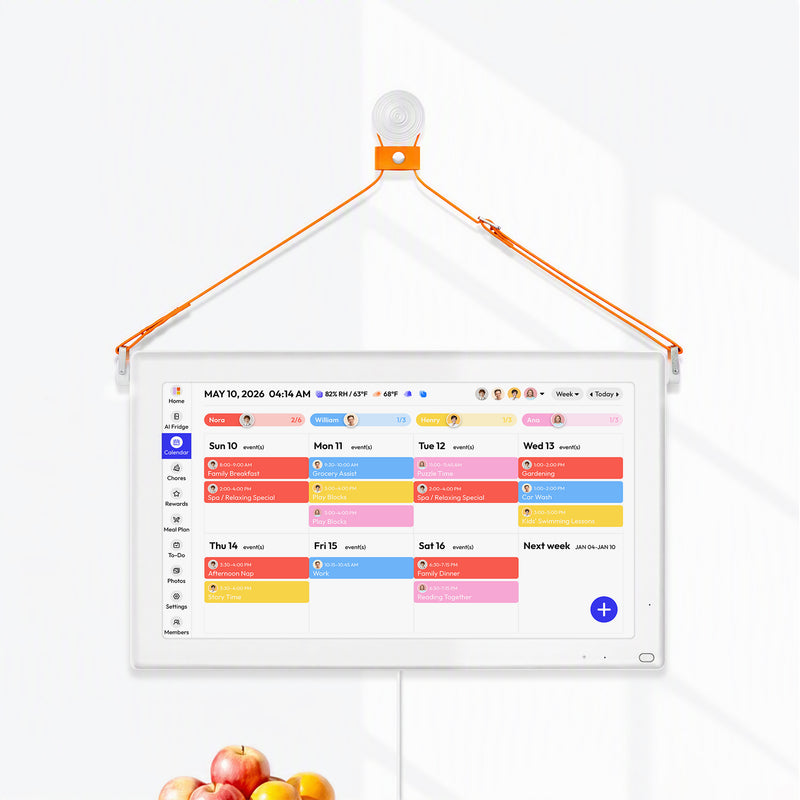
Make the routine visible in your household system. Add a repeating reminder every Sunday evening or before trash day to check potatoes and onions. That one-minute habit prevents the familiar surprise of finding one soft potato spoiling the whole bag right before a school-night dinner.
Buying Potatoes That Store Better
Storage success starts at the store. Choose firm potatoes without cuts, soft spots, sprouts, or a green tinge. Michigan State University Extension advises choosing potatoes that are firm and free of bruises, which is especially useful when buying a large bag.
Variety also matters. Oregon State University Extension notes that red and thin-skinned potatoes generally store less well than thicker-skinned types such as russets, while late-maturing varieties tend to keep better. If your family uses potatoes slowly, a smaller bag of russets may create less waste than a large mixed bag of thin-skinned potatoes.
The best storage plan is the one your household will actually follow: buy what matches your meal plan, store potatoes away from onions, keep them cool and dark, and check them before they become a chore. A calm pantry is not about perfection; it is about giving weeknight dinners one less thing to go wrong.


