


Thawed meat leaks because freezing and thawing damage some of the tiny structures that hold water in place. You cannot stop drip loss completely, but you can reduce it with better packaging, faster freezing, and gentler thawing.
What That Liquid Actually Is
That liquid is often called drip loss, purge, or weep. In practical terms, it is mostly water released from meat after its muscle structure has been stressed by freezing, storage, thawing, cutting, or handling. It can look red or dark pink because it contains myoglobin, the natural pigment in muscle, so it is not simply blood, as many people assume.
A small amount of liquid is normal, especially after freezing. In home kitchens, you will usually notice more of it with ground meat, thin cuts, or any package that has been frozen for a while and then thawed. The goal is not a perfectly dry package every time. The goal is to reduce avoidable water loss so the meat cooks with better texture and leaves less mess behind.
Why Thawed Meat Loses More Liquid
Freezing Changes the Meat
Freezing is useful for storage and meal planning, but it does not leave meat unchanged. When meat freezes, water inside the tissue forms ice crystals. Those crystals can puncture or stretch the muscle structure, and once the meat thaws, some of that water can no longer stay locked inside. That is why frozen-and-thawed meat usually releases more liquid than fresh meat.
The way meat is frozen matters. Freezer burn is tied to air exposure and large ice crystals, and that same kind of damage is one reason thawed meat can seem drier or tougher. In real life, a family-size pack shoved into the freezer in its store wrap is more likely to lose moisture than the same meat divided into smaller, tightly wrapped portions.
Cut Size and Handling Matter
The more a piece of meat is cut, ground, pressed, or handled, the more chances there are for moisture to escape. Ground meat tends to leak more than an intact roast because its structure has already been disrupted. Smaller pieces also have more exposed surface area, which gives water more ways to leave.
That is one reason ground beef keeps only 1-2 days in the refrigerator, while intact steaks or roasts are usually more forgiving. It is not only a storage issue. It is also a clue that more processing usually means more fragility.
The Thawing Methods That Help Most
USDA guidance and nutrition educators agree that the safe thawing methods are the refrigerator, cold water, and the microwave. They are not equal for quality, though. If you are trying to reduce drip loss and still keep dinner safe, the method you choose makes a real difference.
Method |
Why families use it |
Effect on drip loss and texture |
Main drawback |
Refrigerator thawing |
Best for planned meals and overnight prep |
Usually the gentlest on texture and easiest to manage cleanly |
Slow |
Cold-water thawing |
Helpful for same-day dinner |
Faster than the fridge and usually better than the microwave if the package stays sealed |
Needs attention every 30 minutes |
Microwave thawing |
Last-minute rescue |
Can start cooking edges and make meat lose moisture unevenly |
Texture suffers more easily |
Refrigerator thawing is slow, but it is the easiest method to pair with good quality control. Put the meat on a plate or tray, keep it on the bottom shelf, and let it thaw while staying cold. For a small package, overnight is often enough. For a large roast or turkey, plan on roughly 24 hours for every 5 lb. The big advantage is that the meat stays out of the danger zone while thawing evenly.

Cold-water thawing is the best same-day option when you forgot to move dinner into the fridge. Keep the meat in a leak-proof bag, submerge it in cold water, and change the water every 30 minutes. Illinois Extension notes that a 1 lb package takes about 1 hour, while a 3-4 lb package may take 2-3 hours. The benefit is speed; the downside is that you must stay on top of it and cook the meat right away.
Microwave thawing is useful only when time is truly tight. It can start cooking the outside before the center is thawed, which means more uneven moisture loss and a higher chance of dry spots. If you use it, cook immediately and expect some compromise in texture.
There is one more practical option that busy households sometimes overlook. Cooking from frozen is safe for some foods, but it generally takes about 50% longer. For items like burgers, meatballs, or thinner cuts, this can be simpler than thawing badly and then dealing with excess liquid. The tradeoff is timing, not safety.
How to Reduce Drip Loss Before Dinner
Freeze Smarter at the Start
One of the easiest ways to keep more moisture in meat is to freeze smaller portions instead of one large family pack. Smaller portions freeze faster, thaw faster, and let you use only what you need. If taco night usually takes 1 lb of ground beef, freeze 1 lb packs rather than one 5 lb block. That single choice reduces thaw time, limits repeated temperature swings, and lowers the odds that extra meat will sit around leaking in the fridge.
Air exposure also matters. Removing as much air as possible with vacuum sealing, heavy freezer bags, or a tight wrap plus an outer barrier helps protect texture. Store packaging is often fine for a short time, but it is not ideal for long freezer storage. The less air around the meat, the less dehydration and freezer burn you will usually see later.

Consistent cold helps too. Keeping freezers at 0°F or below and storing meat away from the freezer door reduces temperature swings, which is especially helpful in busy households where the freezer is opened often. If you have a deep freezer, use its colder, steadier sections for meat you want to keep in top condition.
Thaw With Less Damage and Less Mess
A cleaner thaw usually gives you a better start to cooking. Keeping meat on a plate or in a container on the bottom shelf catches liquid and prevents cross-contamination. It also lets you see how much liquid has collected without flooding the fridge.
If you need the cold-water method, keep the packaging sealed. That protects the meat from absorbing water, which can hurt quality, and it keeps bacteria from splashing into the sink area. In a real family kitchen, this is the difference between a controlled quick thaw and a messy cleanup during the dinner rush.

Some consumer guidance uses slightly different upper numbers for the danger zone, but the practical rule is the same: once meat gets above about 40°F, bacteria grow faster, so counter thawing and hot water are never worth the risk. They also tend to warm the outside of the meat too quickly, which works against good texture.
When Liquid Is Normal and When It Is a Warning
A small puddle in the package after thawing is usually normal. What matters more is the whole picture. If the meat still smells fresh, feels normal for its type, and shows only the expected pinkish or watery purge, it is usually just ordinary moisture loss from freezing and thawing.
If the meat has a slimy surface, a sour odor, or gray-green discoloration, that is different. Those are signs of spoilage, not just drip loss. At that point, protecting your household matters more than saving the package.
A Calmer Routine for Busy Households
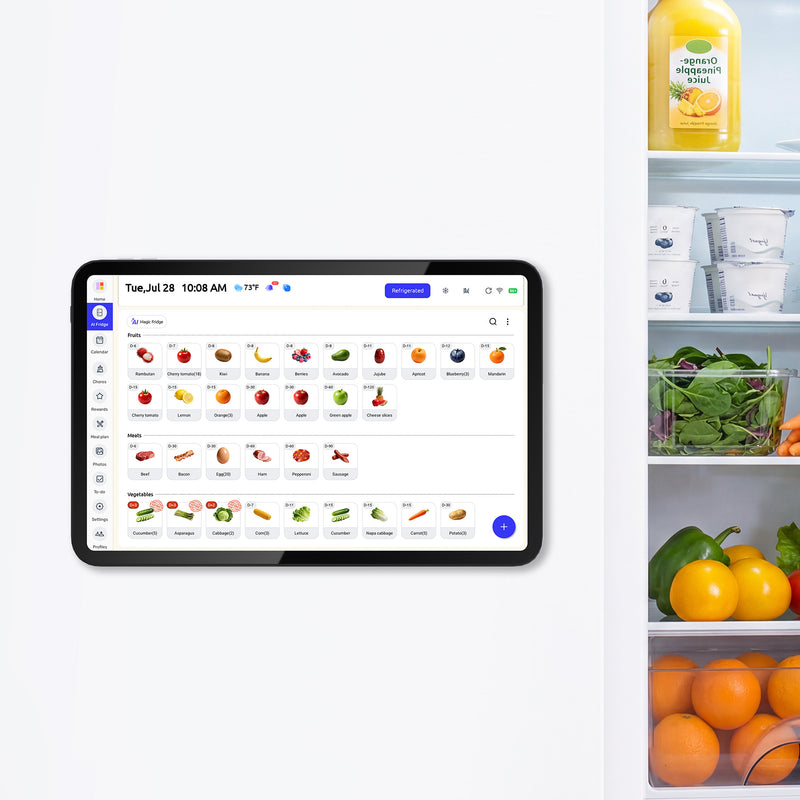
The easiest system is also the least stressful. When meat comes home, decide what you will cook soon and what should be frozen. Use older packages first, label each package with the cut and date, and set a reminder on your fridge calendar the night before you need it. That one-minute habit turns thawing from an afterthought into a quiet part of the dinner plan.
A little liquid in the package does not mean you failed or that dinner is ruined. When you freeze thoughtfully, keep air out, and thaw gently, you keep more moisture where it belongs and make family meals easier to pull together with less mess and less stress.


