






Winter break routines usually fall apart because the plan is invisible. When meals, chores, outings, and quiet-time expectations live in one adult’s head, everyone else ends up guessing, asking, and waiting.
If your day starts with “What are we doing today?” and ends with a scramble over screens, snacks, and bedtime, the problem is often not effort. Families settle faster when the day is posted where people can see it and when the same board or calendar also shows chores, meals, and pickups. You do not need a whole new system to fix this; you need one visible plan people can follow this week.
Invisible Plans Create Friction Fast
One person becomes the whole system
Families usually struggle more when visible reminders are missing, because winter break removes the school-day cues that normally carry everyone along. One adult starts holding the wake-up plan, the lunch idea, the outing decision, the screen limit, the cleanup reminder, and the bedtime warning. That is not a routine. That is one person acting as the family’s live notification system.

Children also do better with a simple, predictable home routine, especially during a break that changes the day’s pace. When breakfast moves, quiet time disappears, and bedtime drifts, transitions feel sudden instead of expected. That often shows up as pushback, clinginess, boredom, or arguments that seem bigger than the moment.
Hidden work causes missed handoffs
A break-specific routine chart helps because it turns hidden work into shared information. If a parent is working from home, kids need to see when a meeting starts, what “quiet zone” means, and which activities are okay without asking first. If that plan is only spoken once at 8:15 AM, it will not hold at 11:40 AM.
What a Visible Winter Break Plan Should Show
Start with four surfaces
A family command center works best when it gathers the essentials in one place: a calendar, a meal plan, a task list, and a paper or drop zone. That does not mean building a perfect Pinterest wall. It means the family can answer four questions quickly: What is happening today? What are we eating? What has to get done? Where do important papers go?
A central location matters as much as the tools themselves. A board by the kitchen, mudroom, or garage entry gets checked because people already pass it on the way in and out. A beautiful setup in a low-traffic corner often turns into decoration.
Show meals, chores, and timing together
A central planning tool should show more than appointments. Winter break runs better when breakfast, lunch, dinner, one or two chores, outings, and adult work blocks live in the same view, with buffer time left open for delays or mood swings. If the meal plan is on the fridge, chores are in a text thread, and the outing is only in one parent’s calendar, the plan is still fragmented.

Choose the Right Mix of Wall and Screen
Physical boards help younger kids act without asking
A visible household station is often the easiest place to start when children are young or do not use phones yet. A weekly calendar, grocery list, chore chart, and spot for school or mail papers can do most of the work. Some families keep this in one area, while others use two smaller areas if that fits the house better.
A flexible printable routine can be enough for a single break week. The useful part is not the printable itself. It is the visibility: the day can be reordered, checked off with a dry-erase marker, and adjusted in advance when plans change. That same approach works well for quiet time too, especially if you start with just 5 to 15 minutes instead of trying to force a long independent block on day one.
Digital calendars help adults share the load
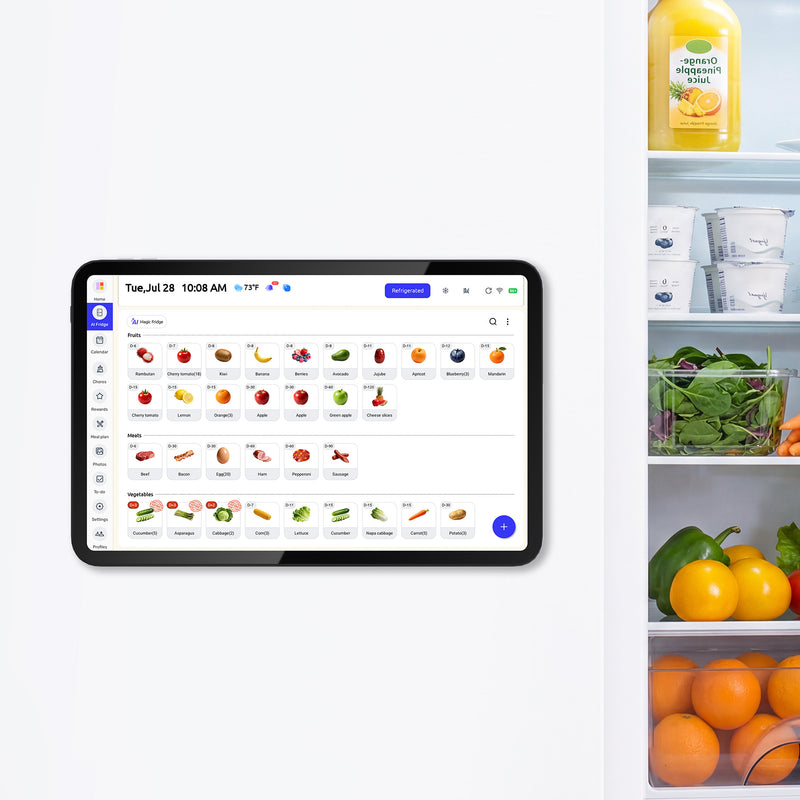
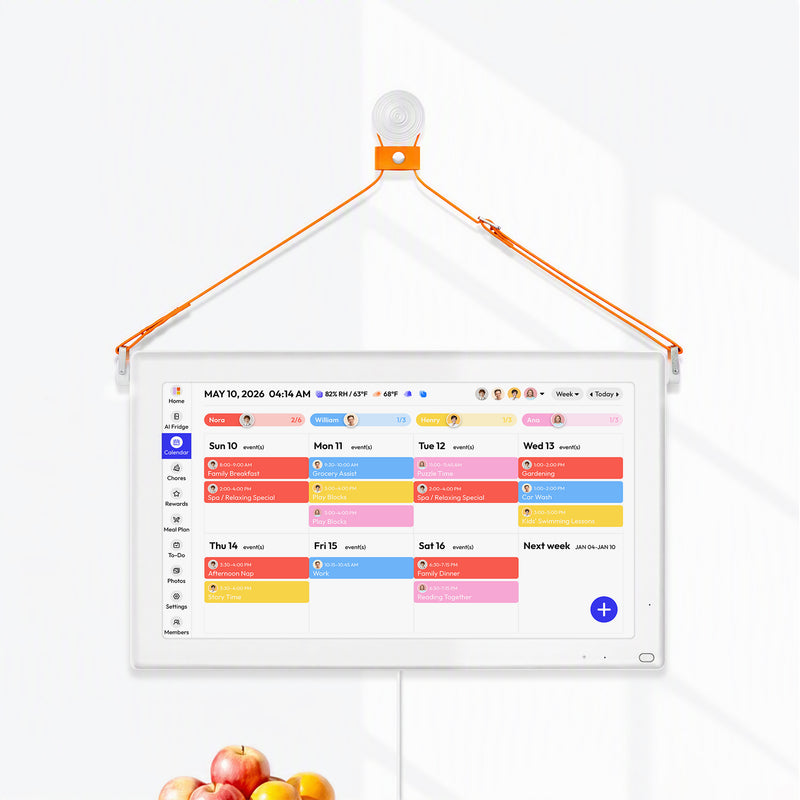
A shared digital calendar becomes more valuable when parents are balancing work, multiple caregivers, or separate households. Syncing personal, work, school, and family events into one calendar makes the real day visible before it turns into conflict. Adults can update it remotely, but the family still needs that plan displayed somewhere people actually look. One example is the Everblog 21.5" Digital Calendar, a wall-mounted touch display that can keep plans, tasks, chores, and events in one visible place for the household.

One DIY family calendar used a 15-inch touchscreen and about $100 in hardware to show shared and individual events, with views from 1 day to 56 days. The point is not that every family needs a touchscreen. The point is that a visible digital display can put events, dinner plans, and responsibilities in one shared view instead of scattering them across phones.
Build a Seven-Day Plan That People Will Follow
Keep the rhythm loose but visible
A structured routine during breaks does not need to become an hour-by-hour schedule. What usually helps most is keeping the sleep and eating pattern close to normal, with bedtime staying within about 30 minutes of the usual time. That protects energy, lowers friction, and makes the return to school or work less painful.
A loose daily rhythm is easier to keep than a strict timetable. For many families, one workable flow is: breakfast, active play or outside time, snack and reading, lunch, rest or quiet time, afternoon play, dinner, wind-down, and bedtime. The order matters more than exact timestamps because the order becomes the cue.
Give each person a role
A routine built with children usually holds better than one announced at them. Kids around age 5 and up can help choose the order of steps, name what they can do on their own, and agree on simple rules. Teenagers need even more input if you want real follow-through instead of constant negotiation.
A posted schedule for work-from-home days should also show adult roles. Write down who handles lunch, who owns cleanup, who is available during meetings, and what independent activities are approved when a parent is on a call. That is how you reduce the repeat questions and the last-minute resentment that often shows up by midweek.
What Usually Breaks and How to Keep It Simple
The board is too hidden or too ambitious
A command center in the wrong spot gets ignored, even if it looks organized. One family in the source barely used a small setup tucked off to the side, then got better results after moving the system to a full wall in a high-traffic area. Visibility changed behavior more than the supplies did.
A starter setup can stay simple and inexpensive. One example in the source puts a budget-friendly command station at about $75, which is a useful reminder that the first goal is use, not perfection. The system breaks when families try to manage too many categories, too many boards, or too many rules at once.
No buffer, no handoff, no reset
A daily schedule with buffer time survives real life better than a packed one. Winter break days run late. A grandparent stops by. A child melts down after an outing. Lunch takes longer than expected. If every hour is assigned, the whole plan feels broken by noon.

A shared calendar for handoffs matters even more when children move between homes or caregivers during the break. Pickups, drop-offs, packing deadlines, and holiday changes need to be visible early, not passed around in text fragments. The same principle helps extended-family visits too: post the house rules, meal timing, and outing plan before confusion turns into disappointment.
FAQ
Q: Do I need both a digital calendar and a wall command center?
A: No. A central location matters more than having every format. Many families do well with one wall-based system, while others use a shared digital calendar plus one visible display at home.
Q: What should be on a winter break routine board first?
A: Start with a loose daily rhythm that shows meals, active time, quiet time, one or two chores, and bedtime. Add outings or special events after the basic flow is clear.
Q: What if my child keeps ignoring the plan?
A: A routine built with children usually works better than a routine handed down without input. Keep the steps short, make the board easy to read, and praise follow-through before you add more structure.
Practical Next Steps
A visible break plan does not need to solve the whole season. It only needs to make the next seven days clearer than the last seven. If you can see the plan, name the roles, and keep the rhythm steady, winter break feels less like crowd control and more like a workable home week.
- Pick one high-traffic spot in your kitchen, entry, mudroom, or hallway.
- Post one shared weekly view for meals, outings, chores, and adult work blocks.
- Keep bedtime and wake-up time close to normal, with bedtime within about 30 minutes of the usual time.
- Give each child one visible daily responsibility and one visible independent activity option.
- Add one short buffer block each day for spills, delays, or mood resets.
- Do a 5-minute evening reset to update tomorrow’s plan before anyone goes to bed.
A winter break routine does not break down because families do not care enough. It breaks down when the plan stays invisible, the work stays hidden, and the timing stays unclear. Make the plan visible, and the routine has a real chance to stick.


