
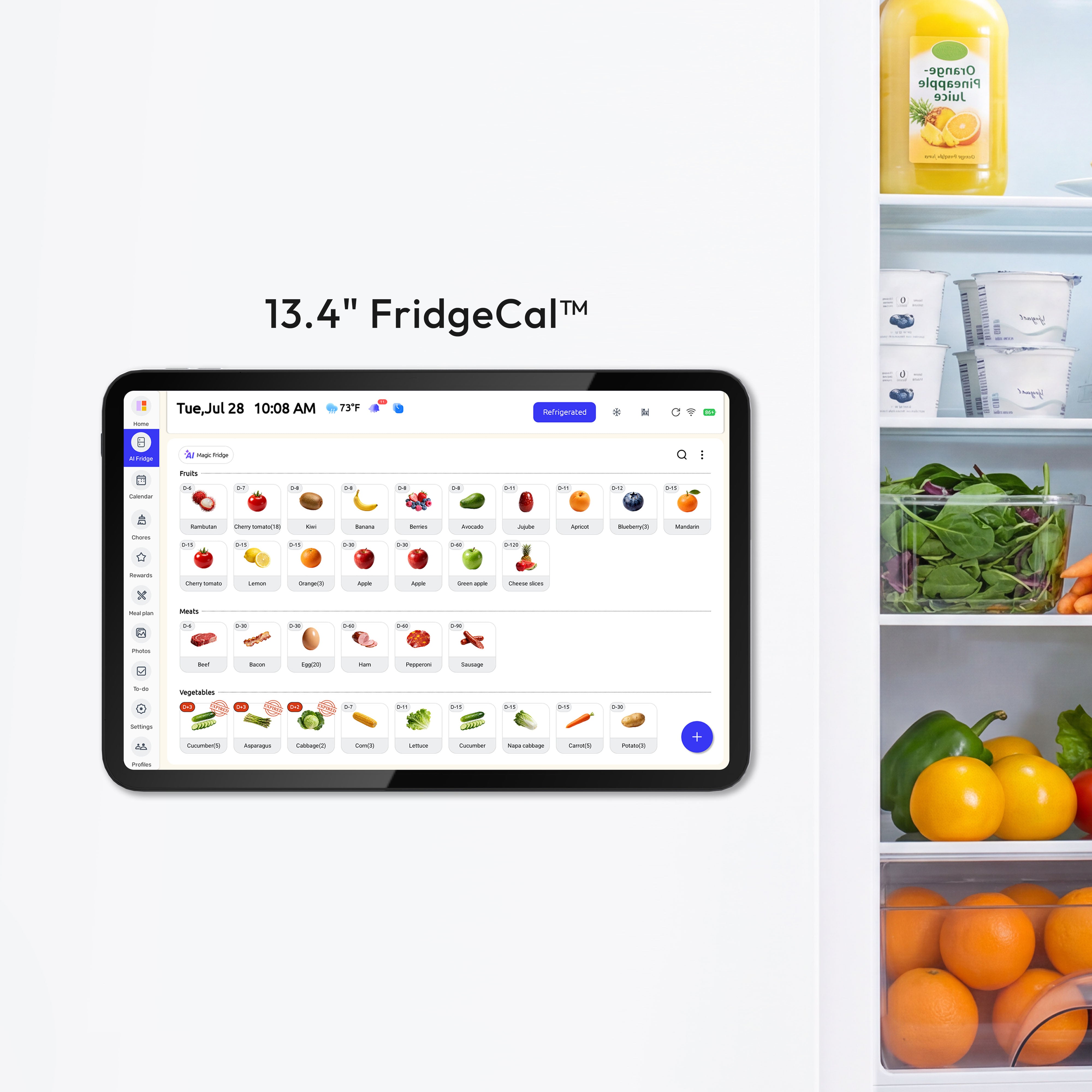
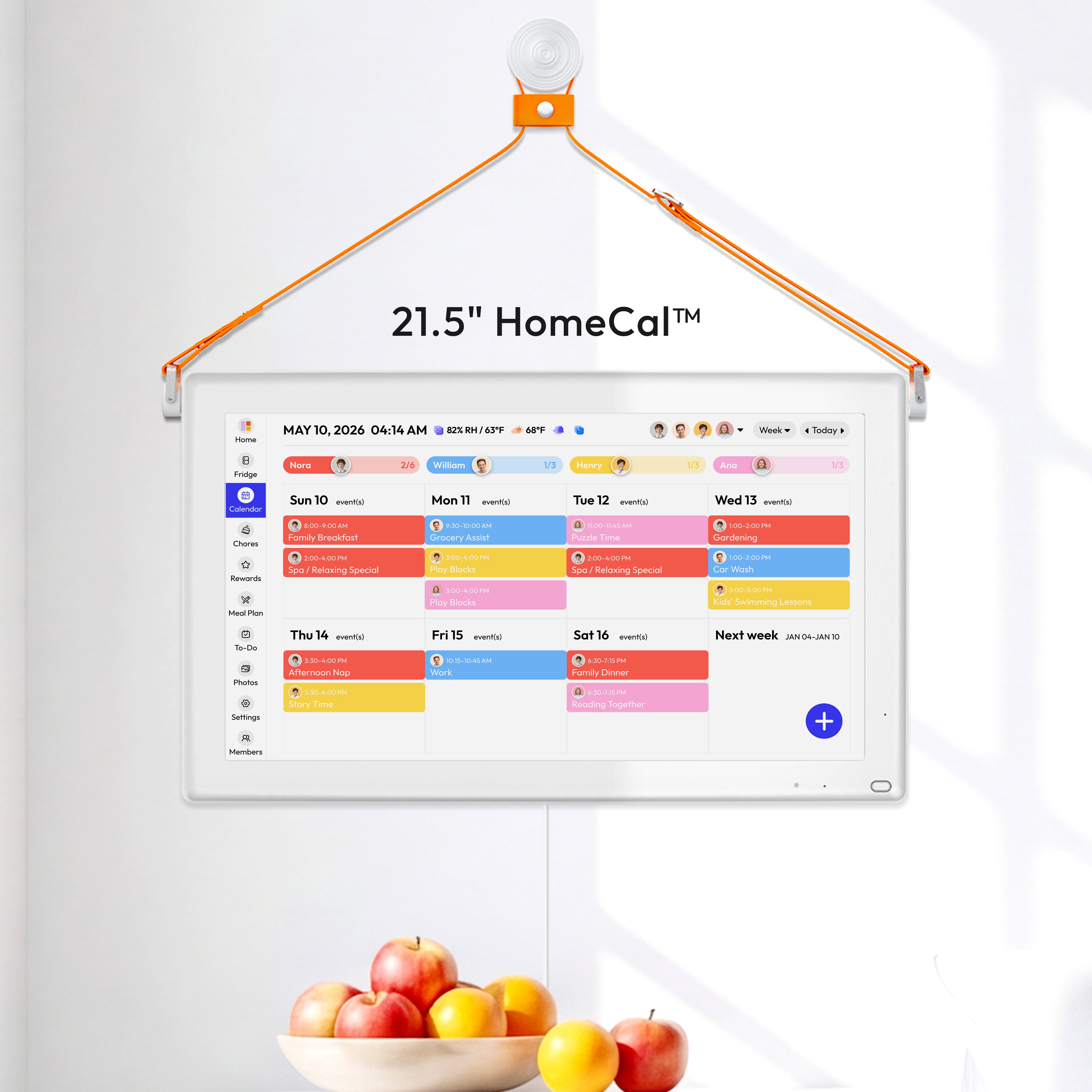


A zero-waste kitchen works when expiration tracking combines label interpretation, live temperature data, and FIFO rotation instead of relying on printed dates alone.
You probably know the feeling: one container gets tossed “just in case,” while another sits forgotten until it is genuinely risky. In the U.S., roughly 30–40% of food goes uneaten, and date-label confusion is a major driver of preventable household waste. The framework below gives you practical rules and tech settings that cut waste without lowering safety.

The Signal Problem: Dates, Quality, and Safety Are Not the Same
Build your logic around risk, not printed dates
Most package dates are quality markers rather than hard safety deadlines, so an app that auto-disposes food at “best by” will over-waste usable food. A better decision model ranks signals in this order: time-temperature exposure, package integrity, then printed date.
Treat infant formula and damaged packaging as hard stops
Federal guidance treats infant formula date limits as mandatory, and that exception should be coded as non-negotiable in any “smart pantry” workflow. The same hard-stop logic applies to swollen cans, broken seals, leaks, severe rust, or foul odors.
Many households miss that quality and safety can diverge: stale or freezer-burned food may still be safe, while normal-looking food can still be unsafe. Future-facing tracking systems should show separate statuses like “quality decline,” “use soon,” and “unsafe/discard.”
Sensor Baseline: Temperature Zones That Prevent Both Waste and Illness
Setpoint ranges by food category
Evidence-based storage targets are refrigerators below 40°F and freezers at 0°F or lower, with many operators aiming near 35°F for tighter control. For better quality, zone-specific targets matter: dairy 34–38°F, meats 33–36°F, eggs 33–37°F, and most produce 35–40°F.
Control airflow and physical layout
The 40–140°F danger zone is where bacteria can multiply rapidly, so overpacking is not a minor issue; it blocks airflow and creates warm pockets. Store raw meats on lower shelves, keep foods covered, and avoid shelf layouts that trap heat.
Pantry stability improves when you follow shelf placement and storage-space rules: keep food about 6 in. above floors, around 18 in. from outer walls, and in clean, dry, dark conditions. Around 50°F is ideal for quality, while 60–70°F is generally acceptable for many dry goods.
Expiration Tracking That Actually Works: FIFO + Timers + Context
Use an inventory model that mirrors real life
The FoodKeeper-style storage-time model works because it tracks food type and storage location (pantry/fridge/freezer), not one universal countdown. The minimum useful fields are purchase date, open date, storage zone, quantity, and temperature history.

Automate decisions with hard timing rules
Perishable exposure should follow the 2-hour rule, or 1 hour above 90°F, and leftovers should auto-flag for consume/freeze at day 3 to 4. This is where tracking becomes preventive: it catches risk before visible spoilage appears.
A a company is a practical fallback when barcode scans or app reminders fail. Hybrid systems (digital alerts plus visible manual logs) are often more reliable in real homes than app-only setups.
Failure Modes: Outages, Thawing, and Refreezing
Program outage logic before you need it
In a power outage, an unopened refrigerator stays cold about 4 hours and a full freezer about 48 hours. Your tracking setup should switch to outage mode automatically and trigger discard alerts for refrigerated perishables above 40°F for 4+ hours.
Make thawing and refreezing rules explicit
Safe thawing choices are time- and condition-dependent: refrigerator, cold water (change every 30 minutes), or microwave only. Large poultry needs about 1 day per 5 lb in the refrigerator, and thawed combination dishes are generally poor candidates for refreezing.
A clean-separate-chill workflow should be encoded with response steps for spills and cross-contamination events, not handled by memory. Waste reduction and food safety become one system when sanitation events are tracked like temperature events.
What “Future Tech” Means in 2026: Deployed Now vs. Marketing Hype
Deployed now: prevention-first tracking
Federal agencies frame food loss and waste as a national priority, with a 50% reduction goal by 2030 and major strategy updates announced on June 12, 2024. In home kitchens, this translates into practical KPIs: fewer discarded unopened items, fewer expired leftovers, and better grocery yield per dollar.

Evaluate “smart freshness” claims with evidence standards
Because food can be unsafe without obvious smell or appearance changes, any new freshness device should be treated as a convenience layer unless test conditions are transparent and reproducible. The core controls still win: temperature, time, separation, cleaning, and rotation.
For larger food operations, FDA Compliance Program 7303.040 points toward structured preventive controls, documented corrective actions, and formal reporting workflows. The direction is clear: better records, better decisions, less avoidable loss.
Practical Next Steps
A safe-storage baseline starts with thermometers, weekly checks, and explicit household rules for refrigerator/freezer targets, FIFO, and outage handling. Add automation only after those fundamentals are stable.
- Install one refrigerator thermometer and one freezer thermometer; log readings weekly.
- Label leftovers with prep date and auto-expire at day 4 unless frozen earlier.
- Configure a 2-hour ambient timer for perishables, or 1 hour above 90°F.
- Store raw meat on lower shelves and keep airflow paths open.
- Run a monthly pantry audit: oldest items forward, compromised packaging out, inventory updated.
- Keep a visible backup tracker (calendar or whiteboard) for app or power failures.
Disclaimer
This guide is provided for informational and educational purposes only. While we prioritize accuracy based on current food science, storage safety standards can vary significantly depending on specific product ingredients, regional climates, and local health regulations. This content is not a substitute for official safety protocols provided by government organizations such as the FDA or USDA. Always inspect food products for signs of spoilage and follow manufacturer-specific storage dates before consumption.
References
- FDA Consumer Update: Are You Storing Food Safely?
- Virginia Tech Food Storage and Safety PDF
- New Mexico State University Home Food Storage
- NMSU Home Food Storage PDF
- USDA FSIS: Freezing and Food Safety
- FDA: Food Loss and Waste
- FDA: How to Cut Food Waste and Maintain Food Safety PDF
- Clemson HGIC Food Selection and Storage
- FDA Compliance Program 7303.040 PDF
- Everblog FridgeCal Calendar


