






That recurring fight about who last emptied the dishwasher? It’s almost never about the actual dishes.
Sharing the load is really a conversation about fairness, respect, and partnership. It’s about finally dismantling the invisible weight of the “mental load” that so often lands squarely on one person’s shoulders.
More Than Just Chores: The Real Cost of an Unbalanced Home

When the chores are lopsided, that tension seeps into every corner of family life. It’s not just about one person doing more laundry. It’s the unspoken expectation that they are the default manager of the entire home.
Before you know it, you’ve got a project manager and an employee, not partners. One person is left making the lists, and the other is just waiting for instructions.
This imbalance chips away at your partnership over time. It’s a fast track to resentment, burnout, and feeling completely taken for granted—a silent stressor that can strain even the strongest relationships.
The Invisible Workload
So much of this imbalance comes down to the mental load. This is all the unseen work: anticipating needs, planning schedules, and keeping track of everything and everyone.
It’s remembering to book the dentist appointment, knowing the milk is about to run out, and figuring out what’s for dinner three nights from now. This cognitive labor is exhausting, and you’ll never see it on a chore chart.
If you want to dig deeper, you can visualize the mental load with the Fair Play method and see just how much it impacts family dynamics.
The problem is rarely laziness. It’s the lack of a shared system. When no one truly owns a task, it defaults to the person who feels the pressure most, and the frustrating cycle continues.
The Data Behind the Divide
This isn't just a feeling; the numbers back it up. The U.S. Bureau of Labor Statistics' 2024 American Time Use Survey found that women spend an average of 2.34 hours per day on household activities, while men spend 1.67 hours.
These trends are global, too. Research from the World Economic Forum confirms this gap is a widespread issue.
This is exactly why intentionally sharing the load is so crucial. It’s not just about being fair. It's about reclaiming time, energy, and mental space for everyone. By building a system together, you can finally move from unspoken expectations to a clear, shared vision for a happier home.
Building a Chore System That Actually Works
Let’s be honest. That generic chore chart you taped to the fridge? It’s probably become invisible wallpaper by now.
For any system of sharing the load to actually stick, it can't be a one-size-fits-all template. It has to be built by your family, for your family. It needs to fit your unique rhythm.
The first step is what I call a ‘household audit.’ This is where you get every single task out of one person's head (usually Mom's) and onto a shared list. We're talking everything—from the daily grind of dishes and wiping counters to the once-in-a-while jobs like paying bills, deep cleaning the bathroom, or planning birthday parties.
This isn’t about pointing fingers. It's about making the invisible work visible to everyone. Once the full scope of running the house is out in the open, it's so much easier to have a real conversation about splitting it up fairly. A great starting point is using a detailed house cleaning checklist and schedule to make sure nothing gets missed.
Finding Your Family's Method
With the whole list in front of you, you can start exploring different ways to divide and conquer. The "best" way is simply the one your family will actually use.
Here's a quick rundown of the most common models that families use to divvy up chores. Each one has its pros and cons, so think about what might click with your family's personalities and lifestyle.
Chore Division Models: A Comparison
| Method | How It Works | Best For | Potential Challenges |
|---|---|---|---|
| Zone Defense | Each person "owns" a specific area of the house (e.g., kitchen, bathrooms, yard). | Families who like clear boundaries and routine. Builds expertise and ownership over an area. | Can feel monotonous. May cause conflict if one zone is consistently messier than another. |
| Task Rotation | Everyone rotates through different chores on a weekly or bi-weekly schedule. | Families with kids, as it teaches a wide range of life skills. Prevents boredom. | Requires more tracking. Someone might drag their feet on a chore they dislike, knowing it will rotate. |
| Strength-Based | Chores are assigned based on who enjoys them most or is best at them. | Households where people have strong preferences. Can make chores feel less like a burden. | Some undesirable chores may have no volunteers. Can lead to skill gaps (e.g., one person never learns to cook). |
No matter which system you lean towards, remember what really matters here.
The goal isn't just to divide tasks but to transfer complete ownership. This means one person is responsible for a task from start to finish—including remembering when it needs to be done and having the supplies to do it.
This shift from nagging and delegating to true ownership is what finally lightens the mental load. It’s also a huge deal for a healthy partnership. Research from the Pew Research Center found that 56% of married U.S. adults believe sharing household chores is 'very important' for a successful marriage. It really does matter.
The Low-Stress Family Meeting
Okay, you have your giant task list and some ideas for a system. It's time to call a family meeting.
Frame this as a team-building huddle, not a lecture. The goal is simple: create a home where everyone contributes and feels respected.
Get everyone's buy-in by asking for their input. Ask your partner and kids which chores they don't mind doing, or which system sounds the most fair. Even a skeptical teenager is more likely to get on board with a plan they helped create.
Be ready to negotiate. The "perfect" system on paper is useless if no one follows it. A good-enough system that everyone agrees to is what wins in the long run.
Finally, set a trial period. Try it for two weeks, then schedule a quick follow-up meeting to talk about what’s working and what’s not. This keeps the system flexible and collaborative, not rigid and dictated.
Getting Your Kids to Contribute Without a Fight
Let's be honest, the constant battle over chores is draining. The real goal isn't just a clean house; it's about raising capable, self-sufficient kids who get that being part of a family means pitching in. The key is to shift the dynamic from nagging to teamwork.
When you focus on contribution and building skills—not just blind compliance—everything changes. This means matching the job to the kid. Your four-year-old can be the "official sock matcher," which feels like an important game. Your teen can own dinner one night a week, a genuine life skill that builds real confidence.
Frame It as Teamwork, Not Punishment
The words you choose have a huge impact. Stop calling them "chores" and start calling them "family jobs" or "team contributions"—tasks that keep the whole household running smoothly for everyone. It's about instilling a sense of ownership. A big part of this is teaching a child to take responsibility for their actions as a core value.
This isn't just a hunch; it's a global shift. The 2023 State of the World's Fathers report found that old stereotypes are finally fading. A whopping 85% of men in South Africa and 93% in Rwanda now reject the outdated notion that boys shouldn't learn to cook or clean.
This simple decision tree lays out a path for auditing your family's needs, divvying up the work, and getting everyone on the same page.

The big takeaway here? A system that works isn't handed down from on high. It's created together.
Make It Engaging and Clear
For the little ones, a bit of fun goes a long way. Turn tidying up into a "beat the clock" game or use a simple sticker chart. The goal isn't just about the task but about rewarding the effort and consistency, which builds good habits.
With tweens and teens, what they really crave is clarity and a little bit of control.
- Define "Done": Don't just say, "clean your room." Get specific. Does it mean bed made, clothes in the hamper, and floor vacuumed? Spell it out.
- Give Them Autonomy: Let them choose when to do their tasks, as long as they hit the deadline you both agreed on.
By focusing on the "why" behind the work—building life skills and being a good teammate—you transform chores from a point of contention into a platform for growth. It’s a crucial step in raising kids who are ready to manage their own lives someday.
Remember, consistency beats perfection every time. If you need more specific ideas, check out our guide on how to get kids to do chores for more strategies. The aim is to make contribution a natural, lifelong habit.
Using Tech to Organize and Automate Your System

Let's be honest: even the most perfect chore system can fall apart without a good project manager. But what if that manager wasn't you?
Technology can step in as that neutral, third-party assistant who keeps everyone on track. Suddenly, the "I forgot" excuses just don't work anymore.
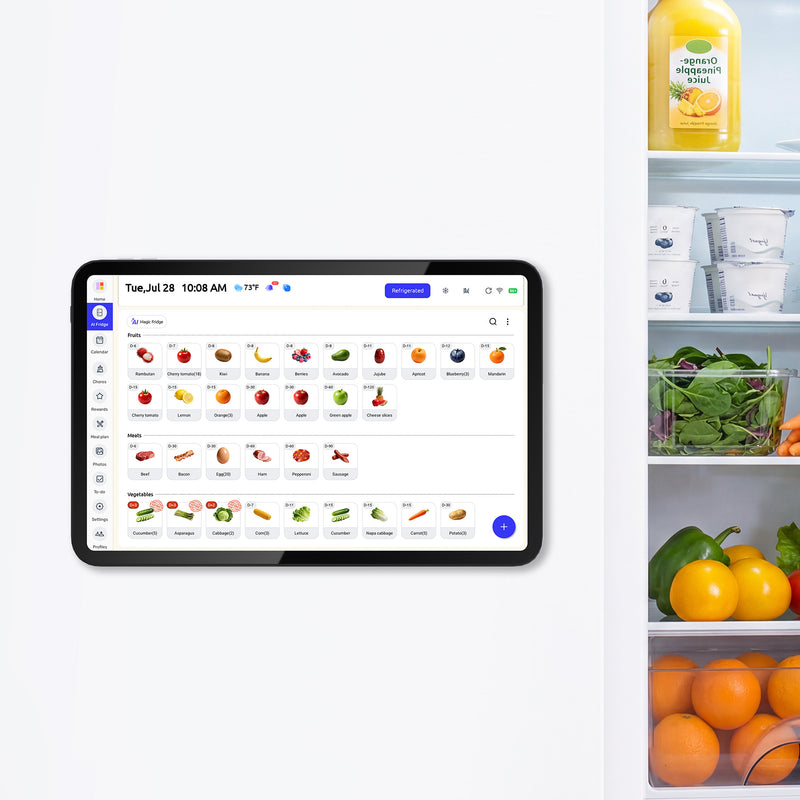
When you move your family's system from a piece of paper on the fridge to a digital hub, everything becomes visible and actionable. It’s no longer about one person holding all the mental notes. Instead, you create a single source of truth the whole family can see, which drastically reduces the mental load and kills the need for constant nagging.
Creating Your Central Command Center
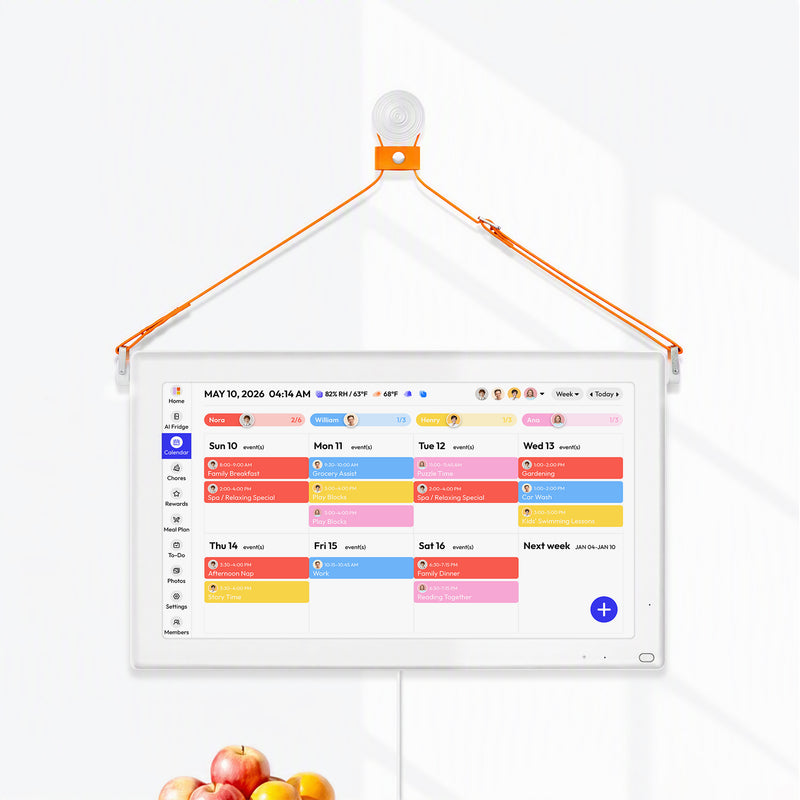
At the heart of any tech-powered system is a shared digital calendar or a dedicated family hub. This isn't just one more app to juggle; it's a tool that simplifies communication and brings your plan for sharing the load to life.
The goal is simple: offload the job of remembering from your brain to a device.
Think of it like this: if a task isn't in the shared hub, it doesn't officially exist. This one simple rule shifts responsibility from a single person to the entire family.
Here's what a solid digital system gives you:
- Total Visibility: Everyone sees who’s doing what and when it’s due. No more arguing over whose week it is to take out the recycling.
- Automated Reminders: Let the app be the bad guy. Gentle, automated notifications can nudge a family member about an upcoming task, taking you out of the enforcer role for good.
- Live-Syncing Lists: A collaborative grocery list that updates in real-time means anyone can add milk or bread the moment they notice it's low. This tiny change prevents so many last-minute trips to the store.
A digital hub turns the abstract idea of "fairness" into a concrete, daily reality. It makes shared responsibility tangible and, most importantly, achievable. It’s not about surveillance; it’s about getting in sync.
Making Technology Work for You
The best way to bring a digital tool into your family is to have it solve a specific problem you're already facing.
For instance, if the same weekly tasks keep getting missed, set them up as repeating events with assigned owners. Problem solved. If your teen is ready for more autonomy, a digital system lets them see their responsibilities and tackle them on their own schedule before the deadline hits.
This is about using tools to build independence, not just to check boxes. An electronic chore chart can also make chores more engaging for younger kids, using points or rewards to make their contributions feel like a fun game.
Ultimately, technology acts as an impartial referee. It holds the plan everyone agreed to and makes sure it's communicated clearly. This frees up your mental energy to focus on connecting as a family instead of managing one another. The right tools support your system, reinforce accountability, and help make sharing the load the new normal in your home.
Keeping It Going: How to Adapt Your System When Life Gets Messy
Let’s be honest: the perfect system for sharing the load isn’t one you set and forget. It has to breathe, bend, and evolve right alongside your family.
Life happens. Soccer season kicks into high gear, a big project at work takes over your evenings, or someone comes down with the flu. A rigid, unforgiving plan will shatter under that kind of pressure. A flexible one, however, will thrive.
The real secret to making this work long-term is to treat your family’s system like a living document, not some unbreakable contract written in stone. It needs regular check-ins to stay useful.
The Power of the Weekly Huddle
Forget adding another long, formal meeting to your schedule. All you need is a quick, ten-minute "huddle" every Sunday evening. This isn't a performance review; it's just a chance to sync up and glance at the week ahead.
The goal here is to get ahead of any chaos. See a late-night practice on the calendar for Tuesday? Maybe the person on dinner duty that night needs to swap with someone else. A quick chat like this stops stress before it starts and makes sure the workload still feels fair and manageable.
A simple agenda is all you need:
- What’s on the calendar? Quickly run through everyone's schedule for big events or appointments.
- Any roadblocks ahead? Pinpoint any conflicts where a chore might be tough to get done on time.
- How can we help? Brainstorm easy fixes, like trading tasks or deciding on a simpler meal for a busy night.
This simple habit reinforces that you’re all a team, rolling with whatever life throws your way. You'll find the conversation shifts from putting out fires to preventing them in the first place.
Flexibility is your greatest asset. The goal isn't rigid perfection where every task is done exactly on schedule. It’s about consistent, shared effort and maintaining a sense of teamwork.
Navigating Bumps in the Road
Even with the best system, someone is going to drop the ball eventually. It’s just human. When a task gets missed, it’s incredibly easy to slide back into old habits of frustration and blame.
The trick is to handle it constructively by focusing on the system, not the person.
Instead of hitting them with, "You forgot to take out the trash again," try a more collaborative approach. A simple, "Hey, I noticed the trash was overflowing. Is our current reminder system for that task working?" immediately opens the door for a solution-focused chat.
More often than not, it’s not about defiance but a genuine flaw in the process. Maybe the alert isn’t going off, or the person is just feeling swamped that week. When you shift the conversation from accusation to curiosity, you keep everyone invested in sharing the load.
This ensures your system remains a source of harmony, not just another source of household stress. Remember, you're both on the same team, playing the same tough game. The only way to win is together.
FAQs: Navigating the Bumps in the Road
Look, even the best-laid plans for sharing the load will hit a few snags. Real life is messy, and what looks perfect on paper can get complicated fast.
Don't worry. This isn’t about failure; it's about fine-tuning. Every family runs into these issues. Answering them head-on is what makes your new system stick.
What if We Have Different Standards of “Clean”?
Ah, the classic debate. One person’s “clean” is another’s “are you kidding me?” It’s a recipe for resentment if you don’t address it.
The key isn't to force one person to adopt the other's standards. It’s about agreeing on a baseline "family standard" for shared spaces like the kitchen and living room.
Sit down and literally define what “done” looks like for the big-ticket items. "Wipe the counters" might mean a quick once-over to one person and a full disinfecting scrub to another. Get specific.
For chores where one partner has super-high standards (like how the towels are folded), a great solution is to just let them own it. In exchange, the other partner takes on a different task of equal weight. This way, everyone’s priorities are respected.
Should We Pay Kids for Chores?
This is a big one, and honestly, there's no single right answer. It really depends on what you want to teach.
Here are the two main schools of thought:
- Pay for Work: Some parents find that tying allowance to chores is the clearest way to teach a strong work ethic. You work, you get paid. It's a direct, tangible lesson.
- Contribute to the Family: Other parents believe chores are just part of being in a family—everyone pitches in. They treat allowance as a separate tool for teaching money skills like saving and budgeting, not as a wage.
A popular middle-ground approach is the hybrid model. Kids have a few non-negotiable, unpaid daily tasks (making their bed, putting dishes in the sink). Then, they can earn extra cash by taking on bigger jobs above and beyond their basic responsibilities. This teaches both family contribution and the value of extra effort.
Our System Totally Fell Apart. Now What?
First off, take a breath. This is completely normal. It doesn't mean you failed; it just means life happened.
When a system breaks, it’s a signal that it needs a refresh, not a total teardown. Did a new sports season throw the schedule into chaos? Was one chore way more time-consuming than you thought?
Call a quick, blame-free family meeting. Figure out why it stopped working.
The goal is to be agile. Tweak the assignments, find a simpler way to track things, or maybe introduce a new weekend reward. Often, a simple relaunch is all it takes to get everyone back on track.
A shared system only works if everyone can see it. Everblog puts your entire family’s schedule, tasks, and meal plans on one central, visible hub. It kills the "I forgot" excuse and makes it easy for the whole family to see—and share—the load. Learn more about how Everblog can bring clarity and calm to your home at everblog.com.


