


Here’s the honest truth: the best shared calendar isn’t about a specific app or brand. It’s about finding a system that gives you and your partner effortless, real-time visibility into each other's day. It’s the one that finally stops the guesswork and creates a single source of truth for your life together.
Why A Shared Calendar Is Your Relationship's Secret Weapon

When you're trying to manage two separate, busy lives, crossed wires are almost inevitable. It’s the missed appointments, the double-bookings, and the endless friction that comes from simple miscommunication. Think about how many times a quick question like, "Hey, are you free Thursday?" devolves into a 10-message text chain just to find an answer.
A shared calendar isn't just another tool on your phone—it's your relationship's central command center.
Think of it as the air traffic controller for your shared life. It expertly guides every moving part—work meetings, gym sessions, your sister's birthday dinner, and that much-needed date night—so everything lands smoothly without a single collision. Instead of constantly having to ask, a quick glance gives you all the clarity you need.
The Power of A Central Hub
The relief that comes from a synchronized calendar is massive. In fact, some industry data suggests that couples who use a shared digital calendar can cut down their scheduling conflicts by as much as 40%. That translates to roughly 30% fewer arguments over forgotten plans or who was supposed to pick up the dry cleaning.
Moving away from scattered texts and fuzzy mental notes to one unified hub delivers some huge wins for your relationship:
- Less Mental Clutter: You no longer have to be the keeper of your partner's entire schedule (and vice-versa).
- Fewer "I Thought You Knew" Moments: When it's on the calendar, it's official. No more assumptions.
- More Spontaneity: It becomes surprisingly easy to spot open slots for a last-minute dinner or just some quality downtime.
- True Teamwork: Coordinating appointments, household chores, and social plans stops being a one-person job and becomes a shared effort.
A shared calendar transforms scheduling from a chore into a collaborative act. It builds a foundation of transparency and teamwork, allowing you both to navigate life's complexities with greater ease and connection.
Once you’re ready to explore specific products, you can find a lot of great comparison tools for couples that break down the pros and cons of different options. But first, this guide will walk you through the different types of calendars out there so you can figure out what kind of system is the right match for your life.
The 3 Main Types of Shared Calendars
To find the right shared calendar for you and your partner, you first need to know what’s out there. The options really boil down to three main types, and each one fits a different kind of lifestyle. Are you both always on the go, or do you need a central command center at home? Maybe a mix of both?
Let's start with the one you probably already know: calendar apps. Think of these as a shared digital notebook that lives right in your pocket. They're built for couples who are constantly moving, giving you instant access to your shared schedule from literally anywhere.
The Mobile-First Approach
Calendar apps are the default for a reason—they’re just so convenient. You add an appointment while waiting for your coffee, and your partner sees it instantly. They sync across phones, tablets, and computers, so everyone’s always on the same page. Many of the best family calendar app options are also perfect for couples, offering powerful tools for syncing up your busy lives.
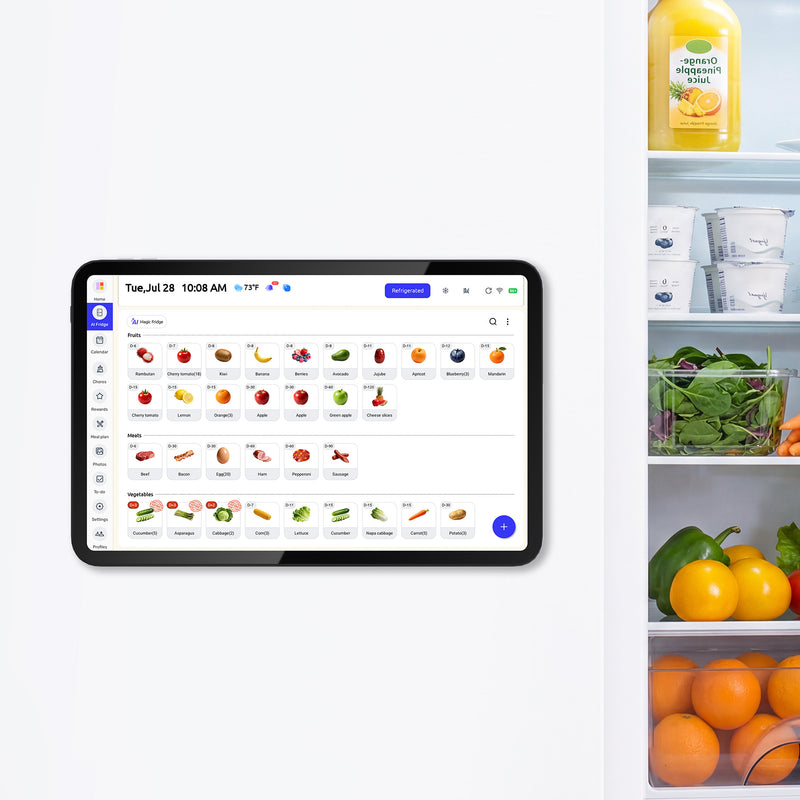
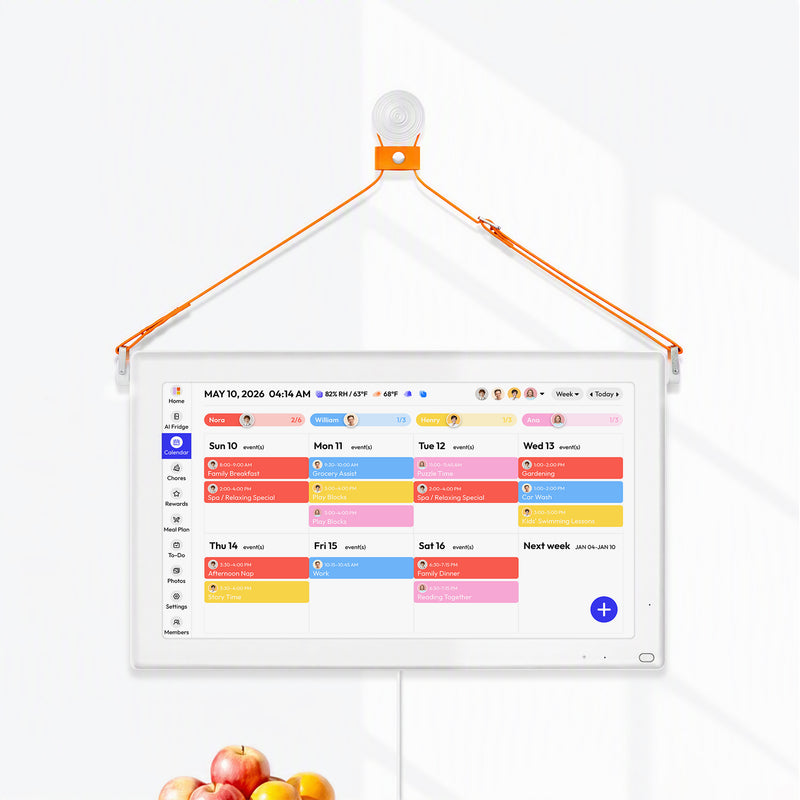
Next up, we have digital wall displays. This is the modern take on the classic kitchen whiteboard—a central, always-on hub for the entire household. Their biggest win is visibility. You simply can't miss a big, glowing screen showing the day's events as you walk by to grab a snack. It's this "at-a-glance" clarity that's perfect for busy homes where phone notifications just get lost in the noise.
A digital wall display creates a kind of "passive awareness" of the family schedule. It takes away the need to actively pull out your phone, making coordination feel like a natural part of your home environment.
The Home Command Center
These displays are designed to be a focal point, pulling together schedules, to-do lists, and even meal plans into one spot for everyone to see. This whole category is blowing up as more people look for a single solution to run their home. In fact, market data shows Europe alone is projected to make up 25.66% of the calendar application market share by 2025, a huge sign that people are hungry for better ways to organize their home life. You can discover further insights into calendar application growth on Global Growth Insights.
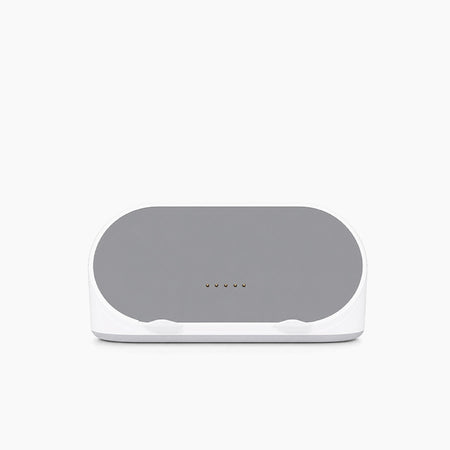
Finally, there are hybrid systems. These clever solutions give you the best of both worlds, combining a physical wall display with a powerful app on your phone. You get the constant, visible reminder of a home hub, plus the flexibility to manage your schedule from anywhere. This is the sweet spot for couples who want that central anchor for their life but also need to make changes on the fly.
And if you're coordinating more than just your partner's schedule, you might want to check out our guide on the best shared calendar for families.
The Five Must-Have Features for Any Couple's Calendar
Choosing the right shared calendar is about more than just finding a place to stick appointments. A truly great system is all about the features—the tools that actually make coordinating your lives together feel effortless, not like a second job.
When you're looking at different options, there are five features that are completely non-negotiable. Think of them as the foundation. Without these, you're just using a clunky digital diary. With them, you have a powerhouse for managing your life as a team.
1. Seamless Real-Time Syncing
This is the absolute bedrock of any shared calendar. When you add a doctor's appointment on your phone, your partner needs to see it on their laptop or the home display instantly. If there’s a lag, or if one of you has to hit a "refresh" button, the whole system falls apart.
Perfect syncing means you can both trust the calendar as your single source of truth. It’s the difference between confidently booking dinner reservations and having to follow up with a "Hey, did you see I added that?" text. The demand for this is huge—the Online Calendar Apps Market is expected to reach USD 5.71 billion by 2033, with 70% of users citing flawless syncing as their top priority. You can discover more about the explosive growth of calendar apps from Business Research Insights.
2. Customizable Reminders and Notifications
An event on a calendar is completely useless if you both forget it's happening. This is where smart, customizable reminders come in. A generic "15 minutes before" alert just doesn't cut it for every situation.
You need the power to set different alerts for different types of events. For instance:
- A two-day reminder for an upcoming bill that needs to be paid.
- A two-hour reminder so you have time to get ready and drive across town for a dinner reservation.
- A 30-minute heads-up before a shared Zoom call with the family.
This kind of control makes sure nothing ever slips through the cracks, no matter how chaotic your schedules get.
3. Shared Lists and Task Management
A modern relationship runs on a lot more than just appointments. It runs on endless grocery lists, weekend chores, and figuring out "who's calling the plumber this time?" The best shared calendars for couples bring these to-do lists directly into your planning hub.
When your to-do list lives inside your calendar, accountability becomes a shared habit, not a chore. It transforms nagging into teamwork, as integrated features can boost accountability by up to 40%.
Look for the ability to create shared lists that either of you can add to, assign tasks with specific due dates, and get the satisfaction of checking things off. This is what keeps the day-to-day logistics of your shared life running smoothly.
This flowchart can help you pinpoint which type of calendar might be the best fit for your lifestyle, whether you're always on the go or prefer a central hub at home.

As you can see, couples who need constant access from anywhere tend to lean towards apps. Those who want a single, central source of truth at home often prefer a wall display, while many find their sweet spot with a hybrid solution that does both.
4. Granular Privacy Controls
Sharing your life doesn't mean you have to share every single detail. You absolutely need your own space for planning a surprise birthday party or blocking out time for a sensitive work meeting. A great shared calendar understands this and gives you granular privacy controls.
You should be able to easily mark any event as "private" or "shared." This keeps the nitty-gritty of your personal appointments visible only to you, while still blocking off that time on the shared calendar so your partner knows you're busy—without needing to know why.
5. Intuitive and Easy-to-Use Design
Finally, and this might be the most important point, the most powerful calendar in the world is worthless if it's a pain to use. A clunky, confusing interface is a surefire way to make sure your new system gets abandoned within a few weeks. The tool should feel helpful, not like a frustrating puzzle.
Look for a simple, clean layout where adding an event, setting a reminder, and viewing your schedule feels obvious. If it takes you more than a few clicks to figure out a basic function, it’s not the right tool for you.
Feature Comparison Across Shared Calendar Types
To make it easier to see how these different calendar types stack up, here’s a quick comparison based on the five essential features we just covered.
| Feature | Calendar Apps | Digital Wall Displays | Hybrid Systems |
|---|---|---|---|
| Real-Time Syncing | Excellent | Excellent | Excellent |
| Custom Reminders | Good (on-device) | Good (on-screen/audio) | Excellent (on-device & on-screen) |
| Shared Task Lists | Good | Fair to Good | Excellent |
| Privacy Controls | Excellent | Good | Excellent |
| Ease of Use | Varies by app | Excellent (at a glance) | Excellent (best of both) |
While apps are fantastic for personal use and on-the-go changes, they can sometimes keep your schedules siloed on individual screens. Wall displays are brilliant for creating a central, visible hub, but can lack the robust task management or privacy of an app.
A hybrid system like Everblog is designed to close that gap. You get the always-on visual hub of a wall display combined with the powerful, granular control of an app, ensuring every one of these must-have features is working for you, not against you.
Real-World Calendar Workflows for Modern Couples

Knowing the must-have features is a great start, but what really matters is seeing how a shared calendar solves actual problems. The right calendar isn't just a list of functions; it's a living tool that bends and flexes with the realities of your life. It becomes the silent partner helping you steer through the daily chaos.
So let’s move past the theory. Here are a couple of common scenarios we see all the time, and how a smart calendar system turns that familiar stress into smooth teamwork. These workflows show just how much mental load you can offload.
The Co-Parenting Juggle
For parents navigating two households, life is a constant juggle. Custody handoffs, school plays, and doctor's appointments can quickly become a logistical nightmare. When details fall through the cracks, it creates frustration for everyone—especially the kids. This is exactly where a shared calendar steps in to save the day.
Imagine a workflow like this:
- Color-Coded Schedules: All of Dad’s custody days are marked blue, while Mom’s are green. One quick look at the calendar month makes it crystal clear where the kids are supposed to be.
- Recurring Events: Soccer practice every Tuesday and Thursday? Set it as a recurring event, assign it to the right parent, and forget about it. No more weekly texts to confirm.
- Event Notes: That upcoming dentist appointment has a confirmation number and pre-visit instructions. Just pop them into the event's "Notes" so both parents have all the info, right where they need it.
The calendar instantly becomes the single source of truth, keeping both parents perfectly in sync and creating the consistency kids thrive on. It puts an end to the dreaded "I thought you were picking them up!" mix-ups.
The goal isn't just to track events, but to create a shared reality. When both parents see the same information in real time, it fosters a sense of partnership and reduces the friction of constant back-and-forth communication.
The Dual-Career Power Couple
When both partners have demanding careers, schedules are a battlefield and free time is gold. It’s way too easy for work to creep into evenings and weekends, leaving almost no space for connection.
A shared calendar isn't just for scheduling more stuff—it’s for fiercely protecting your time together. If you're already using other digital tools, it's also worth it to learn how to sync with Google Calendar to pull everything into one place.
Here’s how they make it work:
- Blocking "Focus Time": Each partner blocks out their "deep work" hours on the shared calendar. This acts as a clear "do not disturb" sign, showing mutual respect for each other's professional commitments without a word.
- Scheduling Date Nights: Date night gets scheduled just like a critical meeting—it's non-negotiable. A reminder set for two days before gives them a nudge to make a reservation.
- Privacy for Personal Events: A partner can add a sensitive work call to the calendar and mark it as "Private." This blocks off the time so their partner knows they're busy, but keeps the specific details confidential.
In this setup, the shared calendar becomes a fortress for your personal time, making sure your relationship stays a priority no matter how wild life gets.
How a Central Home Hub Unifies Your Schedule

Let's be honest, calendar apps are great for checking things on the go, but they have a huge flaw: your schedule is "out of sight, out of mind." If you have to remember to open an app to see what's next, you can just as easily forget.
This is where a dedicated digital wall calendar changes the game entirely. It turns a blank wall in your kitchen or entryway into a true home command center, making your schedule impossible to ignore. A large, always-on display gives you the at-a-glance clarity that busy couples and families are desperate for.
Instead of schedules being buried on separate phones, the day’s plans are right there in the open for everyone to see. This constant, passive awareness is what makes a central hub the best shared calendar for couples looking to cut down on daily friction.
From Digital Clutter to a Central Command Center
A home hub like Everblog is built to solve the problems that app-only solutions create, pulling all your family’s moving parts into one visible, organized space. It’s not just another screen; it’s the organizational anchor for your entire home.
It tackles the must-have features couples need with tools designed for real life:
- Chore Manager: Assigns and tracks household tasks, finally putting an end to the "whose turn is it to take out the trash?" debate.
- Meal Planner & Grocery List: Connects your dinner plans for the week directly to a shared shopping list that anyone can add to from their phone or the hub.
- Voice Entry: Lets you add an event or a to-do item just by speaking to it as you walk by—no need to stop, pull out your phone, and get distracted.
This creates a seamless workflow. You can plan your meals, which instantly builds a grocery list. At the same time, you can see who’s on chore duty and what appointments are coming up, giving you a complete picture of your household's operations in a single glance.
A dedicated home hub does more than just show you a calendar—it creates a focal point for family coordination. It pulls all the logistics out of your head and puts them into a shared space, freeing up your mental energy for more important things.
A Smart Investment Without the Endless Fees
So many digital wall calendars come with a frustrating catch: a high price upfront, followed by a yearly subscription to unlock the features you actually need. Those recurring costs add up fast, turning a helpful tool into just another bill.
Everblog keeps it simple with a clear promise: one purchase unlocks all features, forever. There are no premium tiers, no hidden subscriptions, and no surprise fees. Everything from the Chore Manager to the Meal Planner is included from day one, along with all future updates.
This makes it a smart, long-term investment in your home’s sanity. You're not just buying a device; you're investing in a more connected, less chaotic home life with a system that grows with you—without asking for more money every year.
Tips for a Smooth Transition to a Shared Calendar
Switching to a shared calendar only works if you’re both truly committed. This isn't just about downloading an app; it's about building a new habit, together. Making that habit stick requires a bit of patience and a clear plan from the get-go.
Think of it less like installing software and more like learning a new dance. You might step on each other's toes at first, but with a little practice, you'll find your rhythm. The secret is starting with open and honest communication.
Create Your Calendar Game Plan
Before you add a single event, sit down for a quick "sync-up meeting." This isn't some formal corporate sit-down—just a casual chat over coffee to agree on the ground rules. A little structure now prevents a whole lot of confusion down the road.
A successful shared calendar is built on mutual agreement, not assumptions. Deciding the "how" and "what" upfront turns a potentially frustrating process into a smooth, collaborative effort that strengthens your teamwork.
During your chat, you'll want to lock down a few key things:
- What goes on the calendar? Agree on what's essential enough to share. Start with the big stuff: work hours, doctor appointments, and social commitments.
- Who adds what? A simple rule works best: if it’s your appointment, you add it. This gives both of you ownership right from day one.
- How will you handle privacy? Discuss how you’ll use privacy features to block off time without having to share every little detail. For some platforms, this might mean learning how to share your calendar in iCloud or on Google.
Commit to a Trial Run
Finally, commit to a two-week trial period. Start small. For the first two weeks, only add major appointments and events. Don't try to cram every single chore and meal into the calendar on day one—that's a surefire recipe for feeling overwhelmed.
After two weeks, check in with each other. What’s working? What isn’t? Adjust your approach from there, and then you can gradually start layering in more detail. This slow and steady process is what makes sure your new shared calendar becomes a lasting, positive part of your daily life.
Frequently Asked Questions
Thinking about a shared calendar is exciting, but it's natural for a few questions to pop up. Let's walk through some of the most common ones we hear, so you can feel confident you're making the right choice for your family.
How Do We Handle Private Appointments on a Shared Calendar?
This is probably the biggest question couples ask. The idea of sharing everything can feel a little invasive, but it absolutely doesn't have to be. A good shared calendar isn't about giving up your privacy; it's about gaining clarity.
The best systems have built-in privacy controls. Imagine you're planning a surprise birthday dinner for your partner or have a sensitive work meeting. You can simply block off that time on the calendar so it shows up as "Busy" or "Private." Your partner knows you're unavailable, but the specific details remain yours.
A great shared calendar respects personal boundaries. It should allow you to show you're unavailable without requiring you to share the reason you're unavailable.
Is a Digital Wall Calendar Better Than a Free App?
This really comes down to what problem you’re trying to solve. A free app on your phone is great for its portability—you can add an event or check your schedule from the grocery store line. The downside? Your schedule can easily get buried and become "out of sight, out of mind."
A digital wall calendar, on the other hand, creates a visible, at-a-glance command center right in your home. It's always on, making it the central hub for the whole family. You can’t miss that parent-teacher conference when you see it every time you walk into the kitchen. While an app is portable, a wall display makes your family's rhythm a tangible part of your home.
How Do We Get the Whole Family to Use the Calendar?
Getting everyone on board, especially kids, is all about making it fun and giving them a sense of ownership. Don’t just set it up and present it as a new set of rules.
Involve them from the start! Let them pick a color for their own activities. Use features like a chore chart with a simple reward system to turn responsibility into a game. When kids can see their progress and know they’re working toward something, they’re much more likely to participate. The goal is to make the calendar a helpful, central part of family life, not just another chore.
Everblog turns your wall into a smart command center, blending a beautiful display with the powerful tools your family needs to stay connected and organized. Learn more about Everblog and start simplifying your life today.


